

Profile
David and Sybil Yurman: A Life in Art, Made Wearable
Hannah R. Harris / Nov 20, 2025

Founded in Los Angeles in 2010, Spinelli Kilcollin has built an independent language of fine jewelry around linked forms, personal expression, and the freedom to wear a piece your own way.
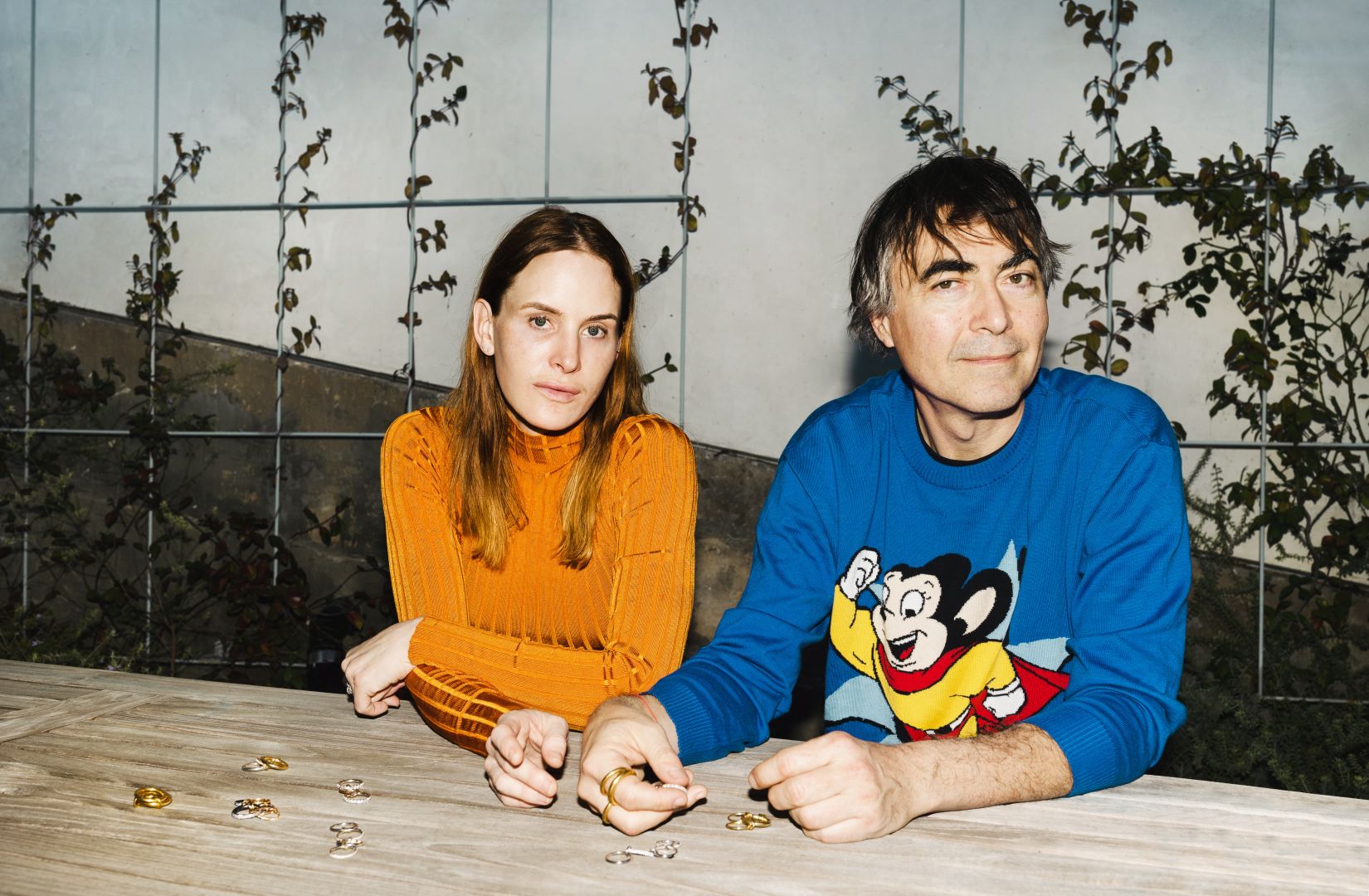
Yves Spinelli spent twelve years at the Los Angeles boutique Maxfield before designing a three-band linked ring for himself, made by his father, that customers began asking to buy. Working with Dwyer Kilcollin from a garage on the east side of Los Angeles, he built that experiment into Spinelli Kilcollin, a house known for gender-neutral, hand-made jewelry produced by artisans in the city's jewelry district.
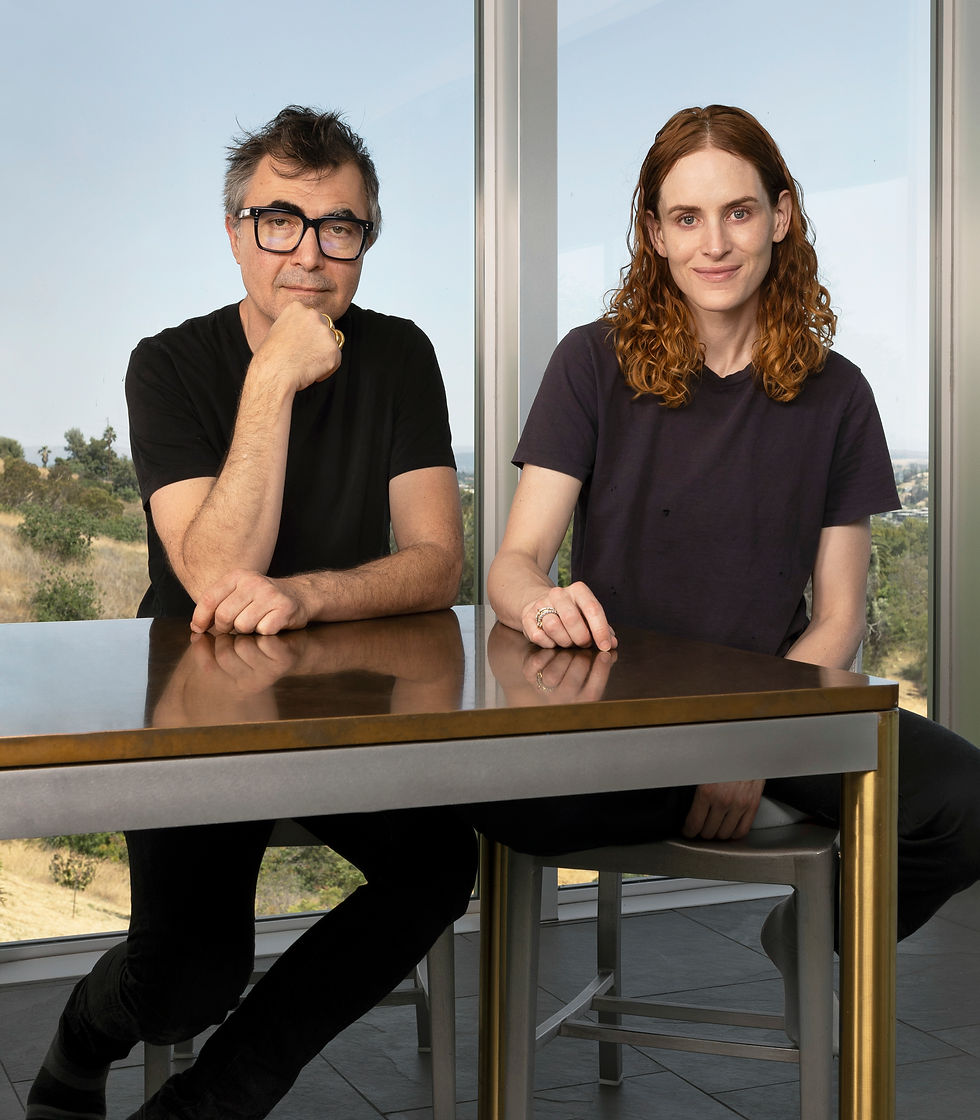
Before Spinelli Kilcollin, you spent twelve years at Maxfield in Los Angeles. How did that experience shape the way you approach jewelry?
Maxfield gave me a strong understanding of fashion, design, and the relationship between a person and what they choose to wear. I worked as a sales associate and eventually became a store manager, so I spent a lot of time observing how people responded to clothing and jewelry. I was not traditionally trained as a jeweler, and I think that perspective has remained important. I approach jewelry through an understanding of fashion and everyday life. A piece can be conceptually strong, but it also needs to feel natural on the body and work with the way someone actually lives.
The first linked ring began as something you designed for yourself. What did you see in that early prototype?
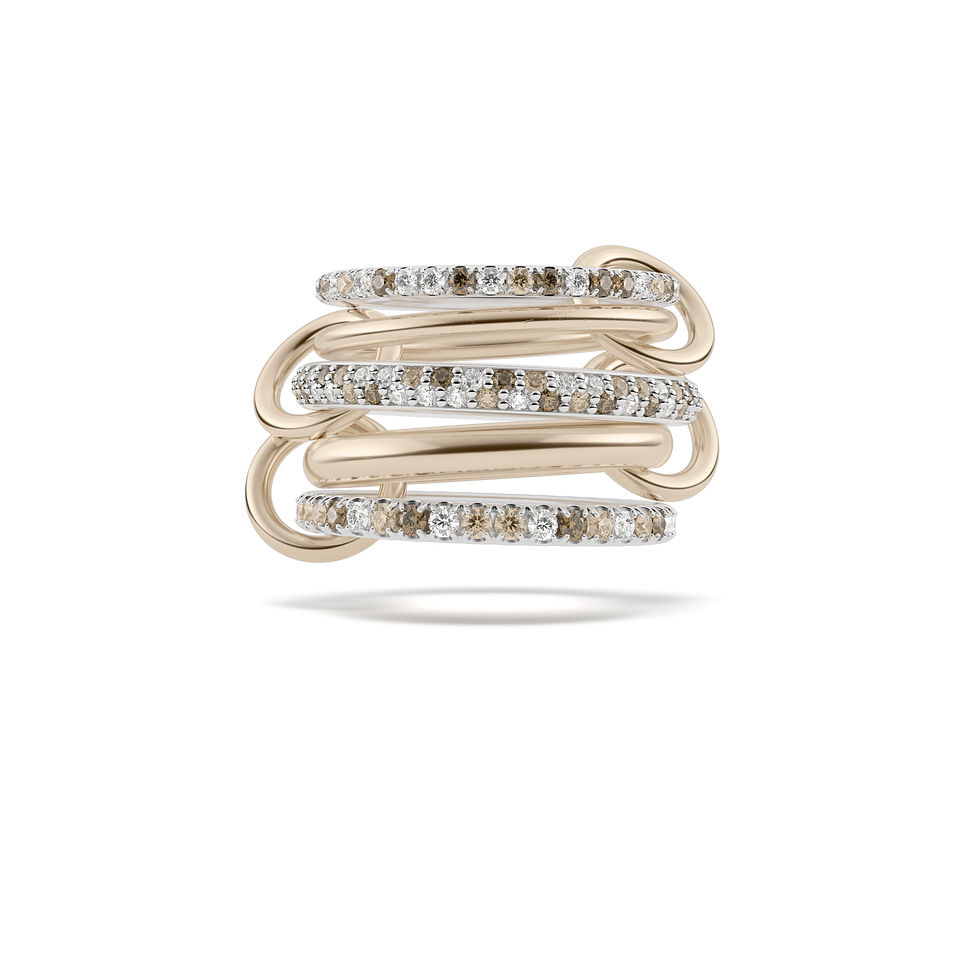
I wanted an unconventional ring that could be worn across several fingers. I designed a three-band form connected by small circles and asked my father, who enjoyed metalsmithing, to make it. Once I started wearing it at Maxfield, people began asking where they could buy one. At first, I did not think of it as the beginning of a business. I was simply interested in the way the ring could be arranged and worn. You could put it on one finger, spread it across the hand, or change the balance of the bands. That element of movement and choice became central to the brand.
How did that personal experiment develop into Spinelli Kilcollin?
The response from friends and customers made it clear that the idea had a life beyond my own wardrobe. Dwyer and I were already interested in creating something together, and she brought an important artistic perspective to the designs. We began making variations in our garage on the east side of Los Angeles, often as one-off pieces for people we knew. The company emerged gradually from that process. We did not begin with a large plan or a broad collection. We followed the strength of the linked-ring concept and allowed the line to develop from there.
The Galaxy rings remain the foundation of the brand. What makes the connected form so enduring?
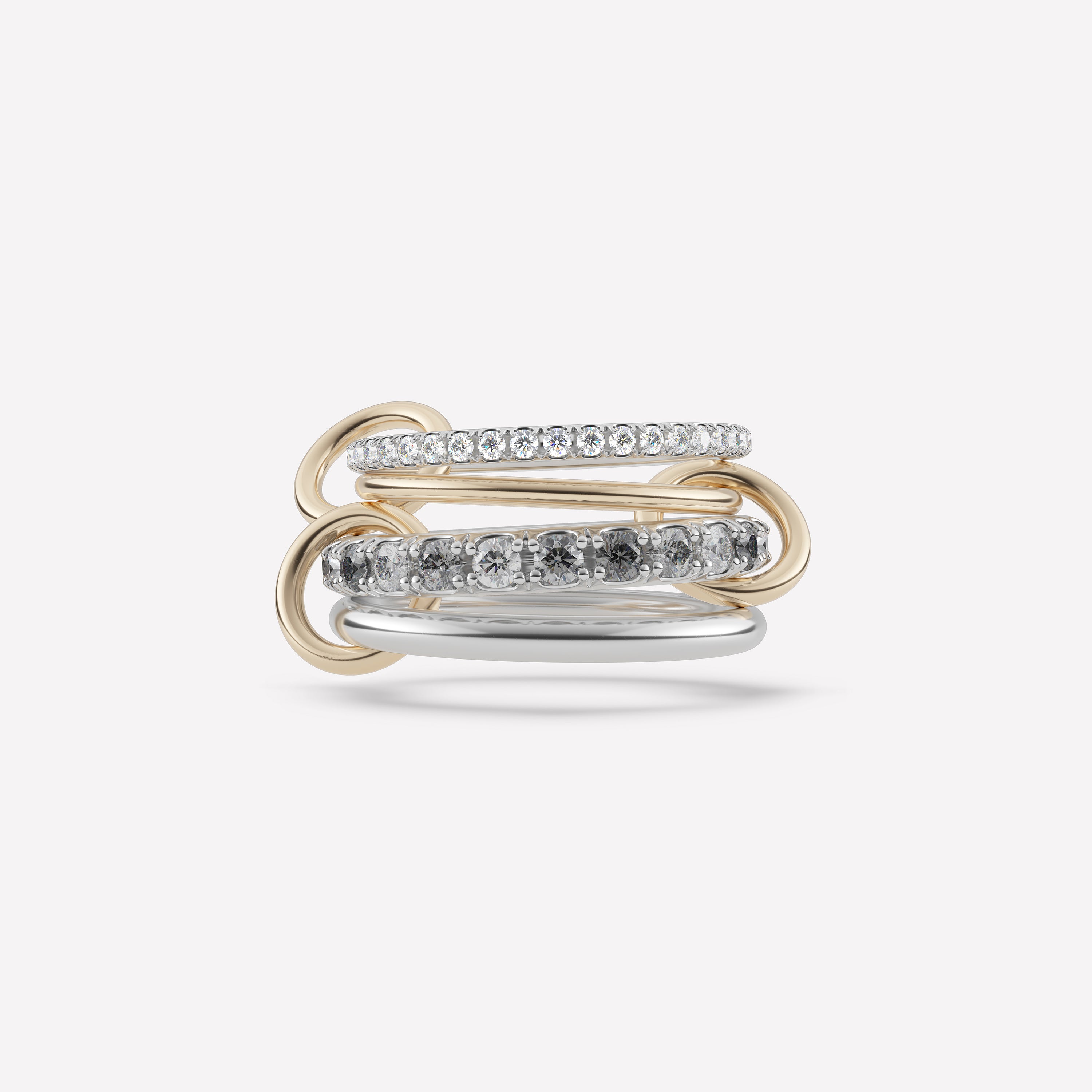
The form offers a degree of versatility that is unusual in jewelry. It can be worn in different configurations, and the wearer can combine variations in scale, material, and stone setting to create something personal. That flexibility gives the ring a relationship to fashion without making it dependent on a particular trend. The design is architectural, but it is also adaptable. It can feel bold or restrained depending on how it is worn. I think that balance is part of its longevity. The ring has a clear identity, while still leaving room for the individual.
Personalization is a recurring idea in your work. How do you think about designing for individuality?
I want the jewelry to become part of someone's own visual language. The linked structure creates a foundation, but the wearer decides how it should sit on the hand and how it should relate to other pieces. Different thicknesses, metals, and settings can shift the character of the ring. Customization should not mean adding detail without purpose. For me, the most successful pieces maintain a clean architecture while reflecting the person wearing them. There is a point where minimalism and luxury need to be balanced, so the result feels expressive without becoming complicated.
Spinelli Kilcollin is often described as gender-neutral. Is that something you consciously considered from the beginning?
Yes. From the early designs, I was interested in creating jewelry that was not defined by whether it belonged to a man or a woman. The range of proportions and materials allows each person to find a version that feels right for them. Some pieces may appear more delicate or more substantial, but the design process remains fundamentally open. We have received requests from many different kinds of clients, including same-sex couples looking for rings that do not follow conventional categories. That openness is consistent with the way we think about jewelry as a form of personal identity.
Your work has expanded from linked rings into bridal jewelry, earrings, necklaces, eyewear, and objects for the home. What connects these different areas?
The connection is an interest in clean, conceptual forms that can be used and lived with. Whether we are working on a ring, a pair of earrings, or a piece of furniture, we are thinking about structure, proportion, and function. Jewelry remains at the center of the brand, but the same design principles can move into other mediums. The work should have a clear point of view without losing its usefulness. I am interested in objects that feel considered and distinctive, but that also become part of someone's daily environment.
How does your collaboration with Dwyer influence the work?
Dwyer and I bring different experiences and instincts to the brand, and that difference is valuable. My background is rooted in fashion, retail, and understanding how people wear things, while Dwyer comes from a contemporary art and sculpture background. The work develops through that exchange. We are both interested in alternative, architectural jewelry, but we may focus on different aspects of a design. Her attention to detail is especially important, particularly when we are refining a setting or considering how a piece should function. The brand is a shared practice, even when one of us is speaking publicly.
All Spinelli Kilcollin pieces are made by hand in Los Angeles. What does that local production give the brand?
It gives us a close relationship with the people making the work. Since the beginning, we have worked with the same group of skilled artisans in the Los Angeles jewelry district. Their knowledge and attention to detail are part of the character of every piece. Local production also allows us to remain engaged with the process, from the earliest design decisions through the final finishing. We use recycled gold and conflict-free diamonds, and responsible production is an ongoing responsibility rather than a single claim. The artisans are an essential part of the company, and their expertise continually informs how we work.
What continues to motivate you after more than a decade of building the brand?
The team and the clients continue to push us forward. It is meaningful to see someone wear a piece every day and make it part of their life. That is ultimately what I want for the work. Jewelry can be conceptually interesting, but it should also be comfortable, durable, and personal. I am still excited by the process of building a business with Dwyer and developing new creative directions with the team. There is always another material, proportion, or application to explore. The challenge is to keep evolving while preserving the clarity that made the original idea matter.