Profile
Alexia Connellan: Jewelry with a Sense of History
Jessica M. Ellis / Jul 17, 2026

For more than five decades, David and Sybil Yurman have treated jewelry as a shared artistic language, building a family company rooted in sculpture, painting, curiosity, and close collaboration.
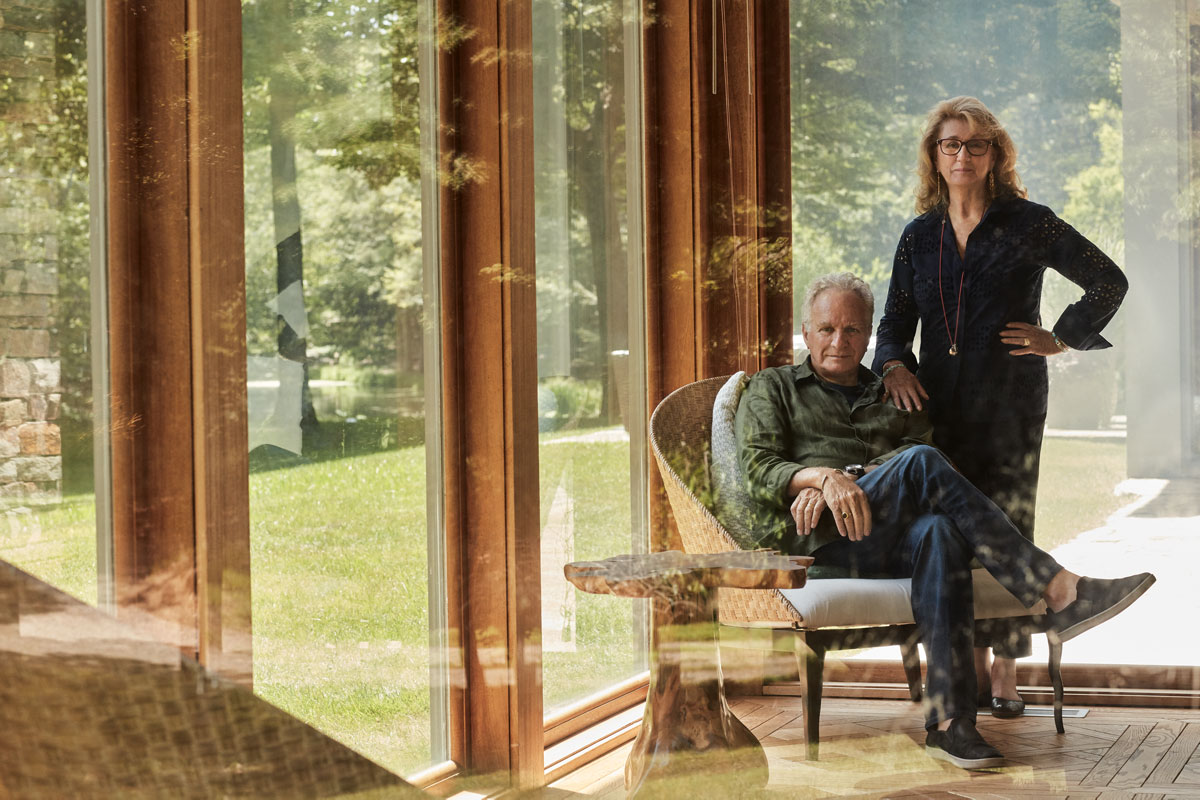
David and Sybil Yurman met in 1969 at the studio of sculptor Hans Van de Bovenkamp, where David worked as a sculptor and Sybil came in as studio manager. They built the company that bears his name from that shared studio practice, moving through Putnam Art Works and the Dante necklace before Cable became the defining form of David Yurman.
You met in 1969 at the studio of sculptor Hans Van de Bovenkamp. What did you recognize in each other at the beginning?
David Yurman: I was already working as a sculptor and running much of the studio, while Sybil came in for an interview as a studio manager. She had a strong presence and an independent point of view. I remember her immediately because she seemed entirely herself. That mattered to me. We were both artists, but our practices were different. I worked with metal and form, and Sybil came from painting, ceramics, and color. The relationship developed personally, but it also became a creative exchange. We began to understand that our differences could be useful to the work.
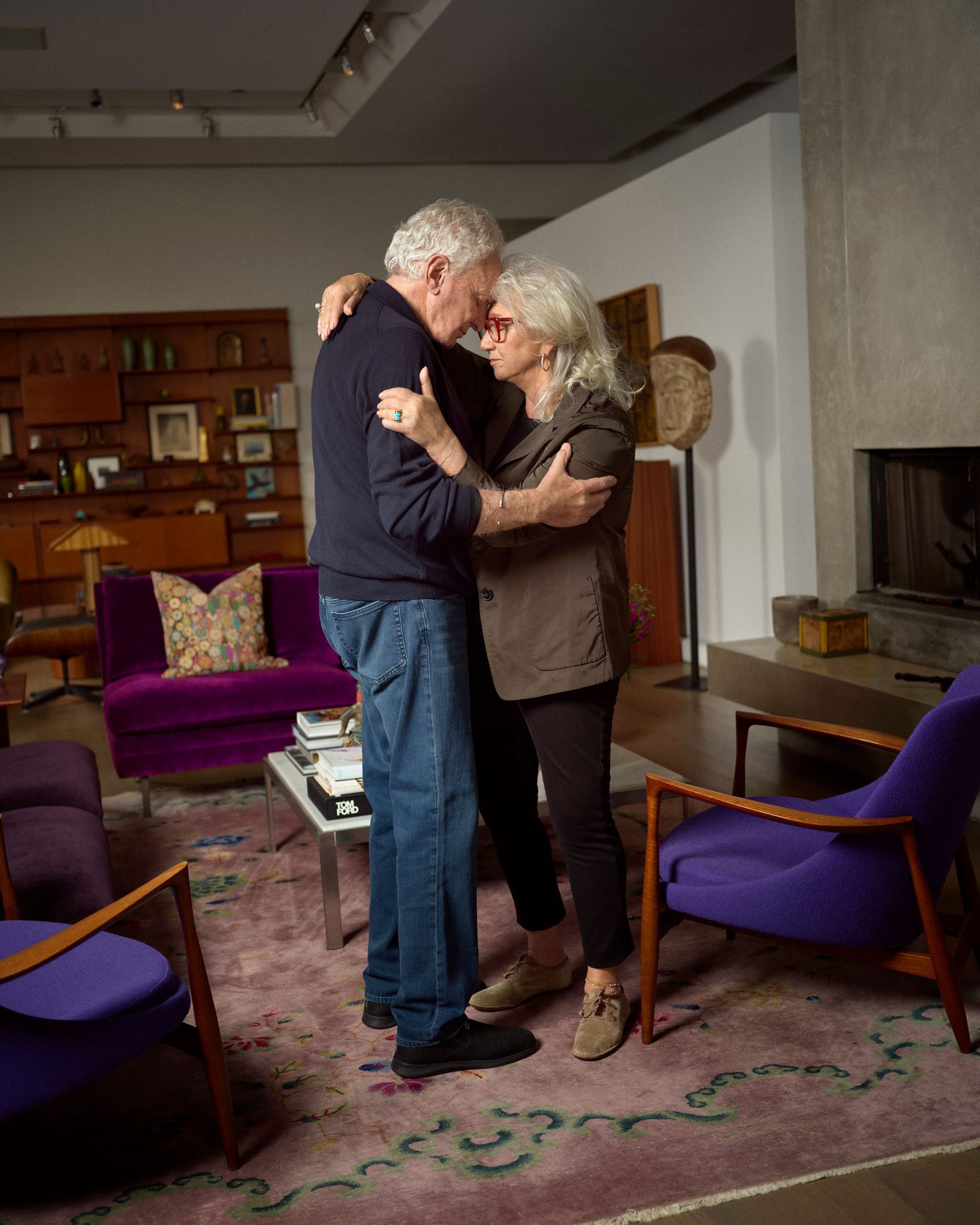
Sybil Yurman: David had a way of making sculpture feel alive and wearable. I was drawn to the directness of what he did with his hands. We did not begin with a plan to create a jewelry company. We were artists who started making objects together, and the business grew from that shared activity.
Before David Yurman existed as a company, you worked through Putnam Art Works. What did that period teach you?
Sybil Yurman: Putnam Art Works gave us a way to understand what it meant to make work outside the traditional gallery system. We were living in upstate New York and producing sculpture, paintings, and jewelry that could be worn. We showed at galleries and craft fairs, often traveling and presenting the work ourselves. That was valuable because we met people directly and saw how they responded to the objects.
David Yurman: We were learning about materials, production, pricing, presentation, and the relationship between the artist and the person who lives with the work. We described the jewelry as sculpture to wear because that was genuinely how we saw it. We were not trying to imitate conventional jewelry. We were extending our practices into another form.

The Dante necklace, which David made for Sybil, became an important early moment. What did it reveal about the work you could make together?
David Yurman: The Dante began as a sculptural object. I was working with figures and forms in bronze, and Sybil asked whether I could make something she could actually wear. That question changed the scale and the purpose of the work without removing its sculptural character. When she wore it to an opening, someone wanted to buy it. I was reluctant because it was made for her, but the response showed us that people could connect with jewelry that carried the energy of sculpture.
Sybil Yurman: The piece also showed how naturally our roles could overlap. David brought the form, the structure, and the hand of the sculptor. I brought the question of how it would live on the body. That conversation has continued throughout our work.
David, your early training included apprenticeships with Jacques Lipchitz and Theodore Roszak. How did sculpture shape the way you approach jewelry?
David Yurman: Sculpture taught me to think through material. I learned about weight, balance, tension, surface, and the importance of making decisions with the hands as well as the mind. Metal has its own resistance and character. You cannot simply impose an idea on it. You have to understand what it wants to do.
That background is still present in the jewelry. I am interested in line, movement, and the way a form occupies space. I also think about how an object feels when it is worn. A piece can be beautiful in a display case, but it needs another kind of logic when it moves with the body.
Sybil, your background in painting and ceramics brought a different sensibility to the collaboration. How does color enter the process?
Sybil Yurman: Color is emotional before it is descriptive. It can change the temperature of a piece, give it energy, or make it feel quiet. My background in painting made me attentive to relationships between color, surface, and proportion. In jewelry, those decisions may involve stones, metal, patina, or the balance between polished and textured finishes.
I am also interested in how color behaves in a collection. A single object has one experience, but a group of objects creates another. We often begin with an instinct, an image, or a feeling rather than a commercial brief. The work develops through looking, questioning, and editing.
The Cable design became one of the defining forms associated with David Yurman. What made that idea endure?
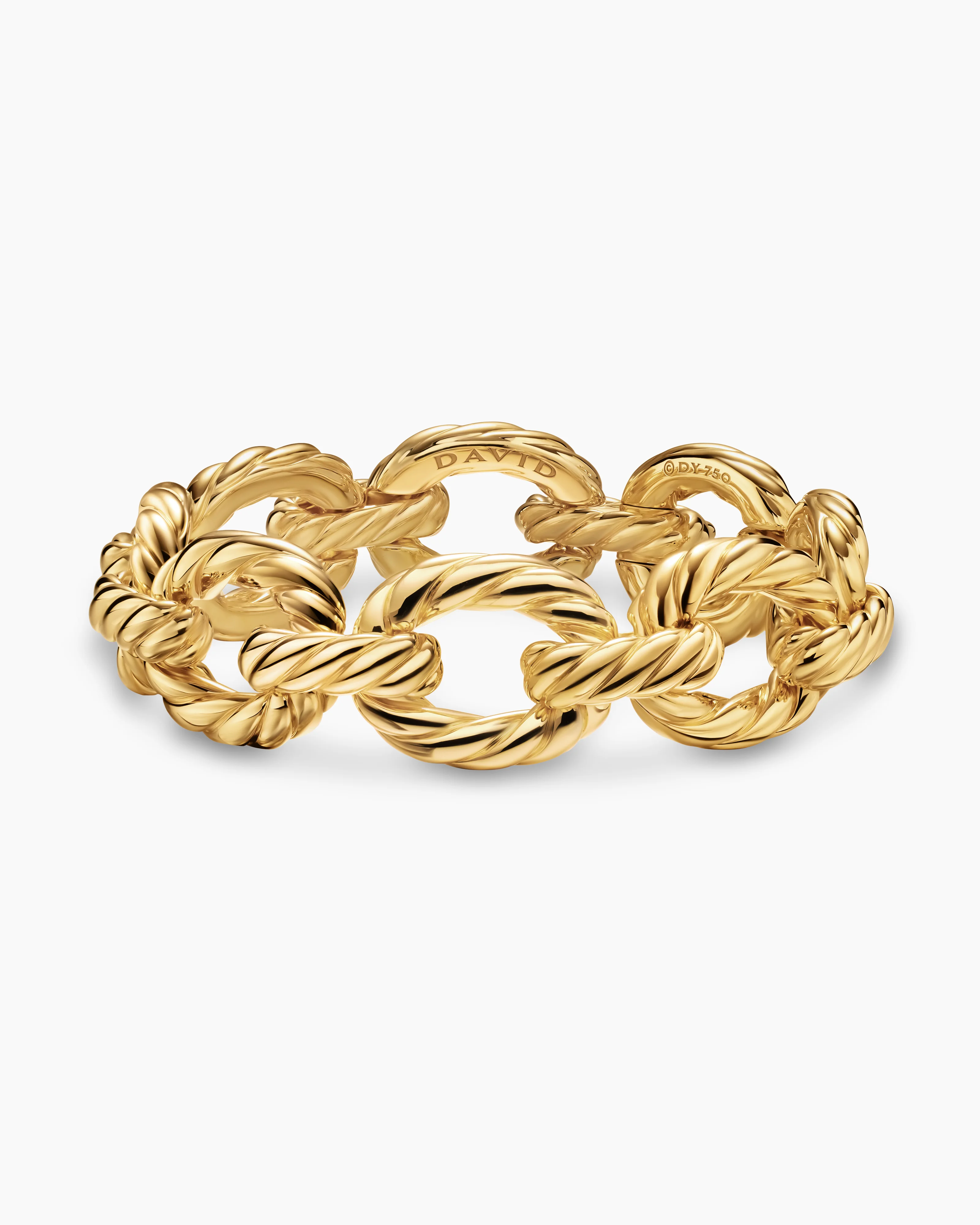
David Yurman: The cable is a very simple form with a great deal of movement in it. I had been drawn to twisting lines for a long time. They appeared in drawings, sculpture, vines, ropes, architectural structures, and natural forms. The idea was not to decorate a surface with a pattern. It was to create a structure that could carry the piece.
The form also has a human quality because it is made from strands that hold together. It can be substantial, but it can also be graceful. That tension gives it flexibility across different kinds of jewelry. The important thing was that it came from a sculptural language rather than from a passing fashion.
Your working relationship is often described as collaborative, but collaboration can also be demanding. How do you make decisions when you disagree?
David Yurman: We go back and forth constantly. Sybil has a very strong eye, and she will challenge a form if something is not right. Sometimes the process is slow because we are testing every part of the piece. I may feel that a design is finished, and she will see that the proportion or color needs more work.
Sybil Yurman: The disagreement is part of the process. We do not need to have the same response at the beginning. What matters is whether we can keep looking at the work together. The final object is stronger when both perspectives have been allowed to enter it. The collaboration is not about one person approving the other. It is about making the piece more complete.
You have said that the company began without a deliberate plan to build a large business. How did you protect the artistic impulse as the company grew?
Sybil Yurman: We kept returning to the reason we began. We were making objects because we wanted to explore an idea, a material, or a feeling. That does not disappear when a company becomes more complex, but it does require attention. The work has to remain connected to the studio and to the original sense of curiosity.
David Yurman: We never wanted to make jewelry simply because a category was popular. The starting point has always been the work itself. That does not mean ignoring the realities of a business. It means the business must support the creative purpose rather than replace it. We have tried to keep the design process central.
Your advertising has often been treated as an extension of your artistic practice. What were you looking for in those images?
Sybil Yurman: We wanted the campaigns to communicate a way of living rather than present jewelry as an isolated object. The people, the setting, the movement, and the attitude were important. Jewelry has a relationship to the person wearing it, so the image should suggest that relationship.
Working with photographers such as Peter Lindbergh allowed us to create images with a sense of character and spontaneity. The goal was not to make everything feel overly polished. We wanted the work to exist in a world that felt energetic, personal, and real.
David Yurman: The image should have its own life. If the only thing you see is the product, you lose the emotional dimension.
You have continued to practice as artists while building the company. What does that separation, or connection, give you?
David Yurman: Sculpture gives me a place to think without a predetermined outcome. I can follow a line or a material and see where it goes. That freedom is important. It keeps the hand active and the imagination open.
Sybil Yurman: Painting gives me the same kind of space. It is a private activity, but it informs the way I see everything else. Color, rhythm, scale, and atmosphere enter the jewelry indirectly. We do not need to translate a painting literally into a jewel. The influence may be in the feeling or in the way elements are arranged.
David Yurman: The two practices feed each other. Jewelry is more collaborative and more connected to the body, while sculpture and painting can be more solitary. Moving between them keeps the work alive.
What does it mean to carry the company into another generation with your son, Evan, involved in the creative direction?
Sybil Yurman: A family business carries memory, but it also has to remain open to change. Evan grew up around the studio and understands the history, yet he has his own perspective and interests. That difference is important. A company cannot stay alive by repeating its past exactly.
David Yurman: Evan has brought his own understanding of materials, design, and the way people engage with jewelry now. We continue to discuss the work, and those conversations are part of the same creative exchange that has always existed between Sybil and me. The next generation should know where the work came from, but it should also have the freedom to take it somewhere new.
