Profile
David and Sybil Yurman: A Life in Art, Made Wearable
Hannah R. Harris / Nov 20, 2025

For Anita Ko, fine jewelry begins with the character of the stone and ends with the individuality of the woman wearing it.
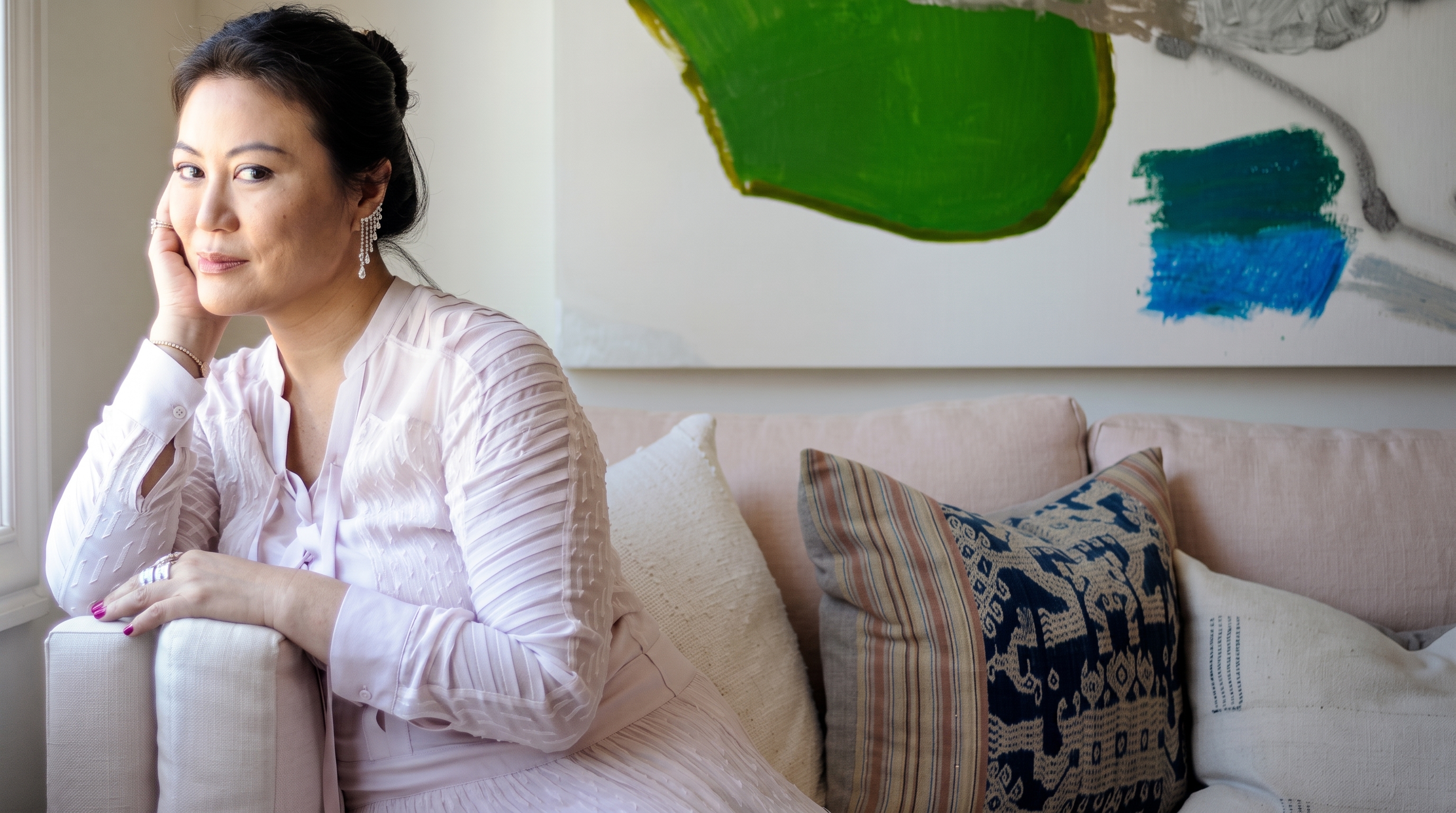
Anita Ko was born and raised in Los Angeles, where she studied art history at New York University before designing handbags and, eventually, her own jewelry. She launched the Anita Ko brand in 2006, building a collection meant to move as easily with denim and sneakers as with an evening dress.
You began making jewelry as a child. What first drew you to it?
I was always interested in making my own jewelry. When I was in high school, I would ask my father to take me to the Jewelry District in Los Angeles, where I could look at pieces and gemstones and learn from what I saw. I was designing within my own budget, so the pieces were small, but I was already trying to create exactly what I wanted to wear. My mother was also a great jewelry collector, so I grew up seeing beautiful pieces and understanding how much personality jewelry can have. It felt natural to me from a very young age.
What led you from making jewelry for yourself to building a namesake brand?
I started designing jewelry professionally in 2003 and launched the Anita Ko brand in 2006. Before that, I had studied art history at New York University and designed handbags for a period of time. I wanted to understand the business by starting with something smaller, but jewelry was always where my attention went. I was making rings and necklaces for myself and felt there was an opportunity to create pieces that were fine and luxurious, but also more contemporary and personal. The brand grew from that instinct. I began with a small collection and focused on developing a clear point of view.
How would you describe that point of view?
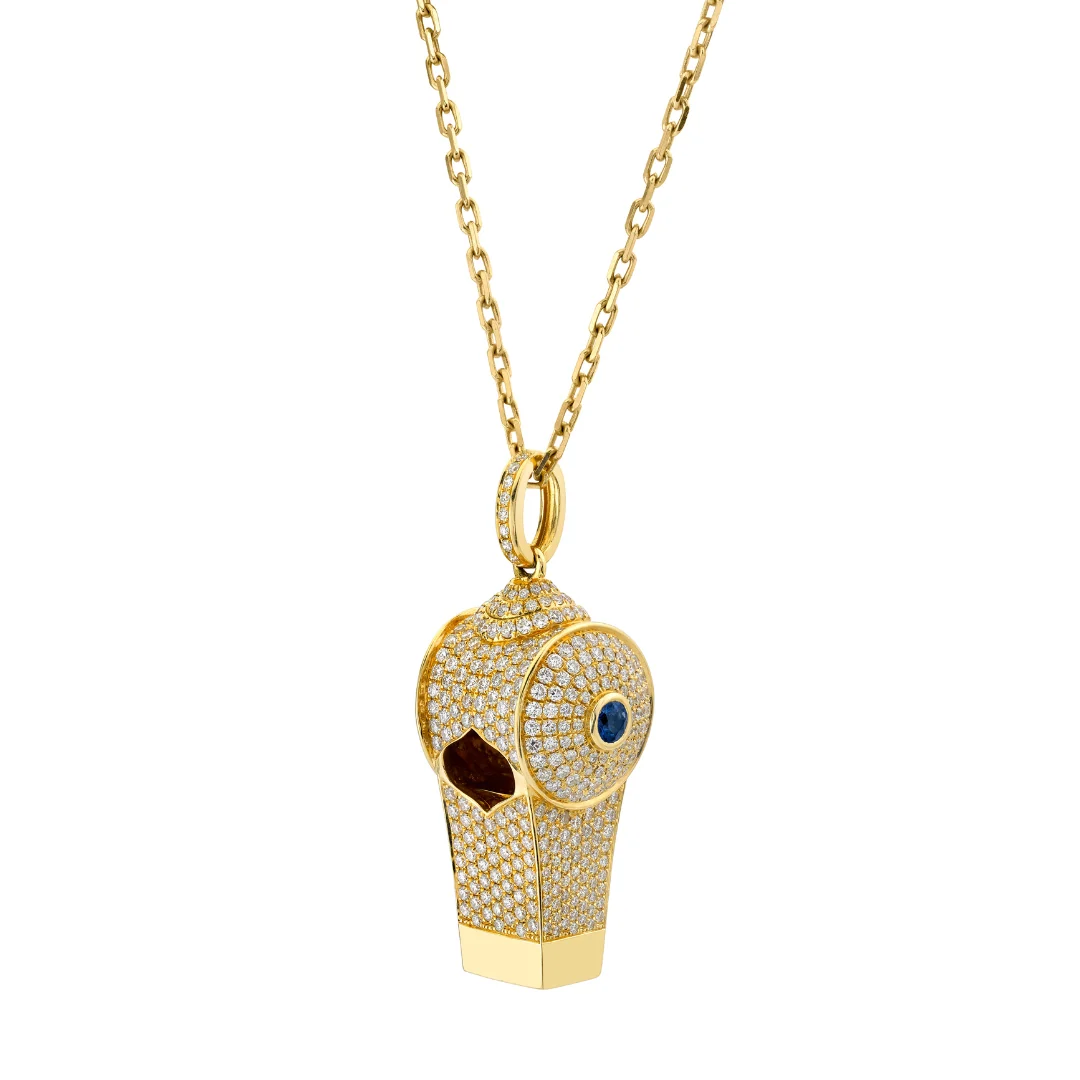
I design jewelry that feels luxurious, but that can also live in a modern woman's everyday life. A piece should be able to move from the morning into the evening without feeling out of place. I am interested in that balance between something classic and something with a little edge. The goal is not to make jewelry that belongs only to a special occasion. It should feel natural with a sweater and jeans, as well as with an evening dress. Pieces such as the Safety Pin earrings, the Palm Leaf designs, and the Evil Eye bracelets reflect that approach. They are recognizable, but they are still easy to wear.
What role do gemstones play in the design process?
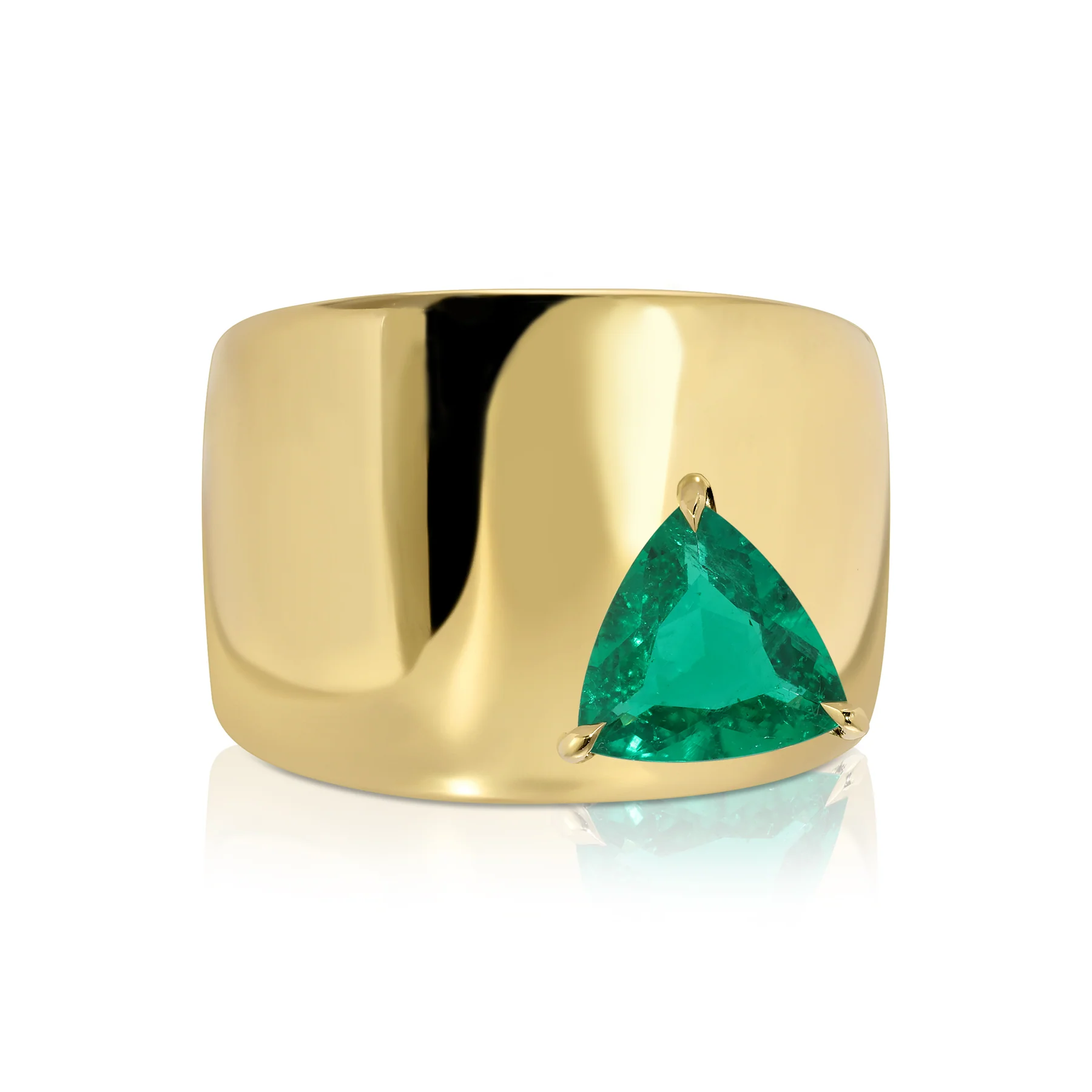
The stones are often where the process begins. I am always looking for exceptional diamonds, emeralds, rubies, and other gemstones with strong color, quality, and character. When I find a stone with a beautiful life to it, I start thinking about how it should be set and how the design can support it. I do not want the setting to overpower the stone. The design should bring out what is already there. That applies to pieces in the core collection as well as to bespoke work. The materials are not just finishing details. They guide the form and help determine what the final piece wants to become.

You are known for creating contemporary classics. What makes a piece endure?
A classic piece is something you can wear for almost any occasion and continue to love over time. It should work when you are getting dressed in the morning and when you go out to dinner that night. For me, modern does not mean chasing every trend. It means understanding what women want to wear now and translating that into something with lasting value. I always think about whether I would personally wear the piece and whether I would buy it as an investment. If it feels relevant to the moment but still has a sense of permanence, then it has the possibility of becoming a true classic.
Your work is often described as feminine, but it also has a distinct sense of strength. How do those qualities meet?
I think jewelry should reflect the many sides of a woman. Someone can be elegant, strong, playful, glamorous, and understated, sometimes all in the same day. I design for women because I understand how we wear jewelry, how we layer it, and how we make it part of our own style. The same piece can look completely different on five different people. That is one of the things I love most about jewelry. It does not erase individuality. It gives each person another way to express it.
How has Los Angeles shaped the identity of the brand?
I was born and raised in Los Angeles, and the city is part of how I see style. There is an ease here, but there is also glamour, ambition, and a willingness to mix things that do not always seem to belong together. That spirit comes through in the way I think about fine jewelry. I want a diamond piece to feel comfortable with denim and sneakers, but I also want it to have enough presence for the red carpet. Los Angeles has helped me understand that luxury does not have to feel formal. It can be polished and relaxed at the same time.

The brand has become closely associated with stylists and red carpet dressing. What have those relationships taught you?
Working with stylists has shown me how much collaboration goes into the way jewelry is seen and worn. A piece has to respond to the person, the clothing, the event, and the overall mood. Red carpet dressing can bring attention to a design, but it is only one part of the relationship. I am equally interested in how women wear the jewelry in their everyday lives. A red carpet piece should still make sense outside that setting. The best collaborations happen when everyone involved understands the woman wearing the jewelry and allows her own character to remain visible.
Fine jewelry is a demanding business, and you have spoken about the difficulty of building an independent brand. What kept you moving forward?
It took years of hard work, and there were moments when I did not know what would happen next. Building an independent jewelry business is difficult because there are many parts to manage, from production and quality to clients, retailers, press, and relationships with stylists. I have been fortunate to have people around me who believed in the work, especially my team, retailers, editors, and loyal clients. Their support made a meaningful difference. I also learned that rejection is not always a final answer. Sometimes it redirects you toward the people and opportunities that are right for your business.
What do you hope women feel when they wear an Anita Ko piece?
I hope they feel special, but also completely themselves. Jewelry should not feel like a costume or something that takes over the person wearing it. It should become part of her life and gather meaning over time. I love when a woman finds a piece she wants to wear every day, whether it is a bracelet, a pair of earrings, a necklace, or a ring. The most successful designs are the ones that become familiar without becoming ordinary. They are there for important moments, but they also belong to the everyday. That is the kind of connection I want the jewelry to create.