Profile
David and Sybil Yurman: A Life in Art, Made Wearable
Hannah R. Harris / Nov 20, 2025

For the founder and artistic director of Messika, jewellery begins with instinct, movement and a modern understanding of how women want to express themselves.
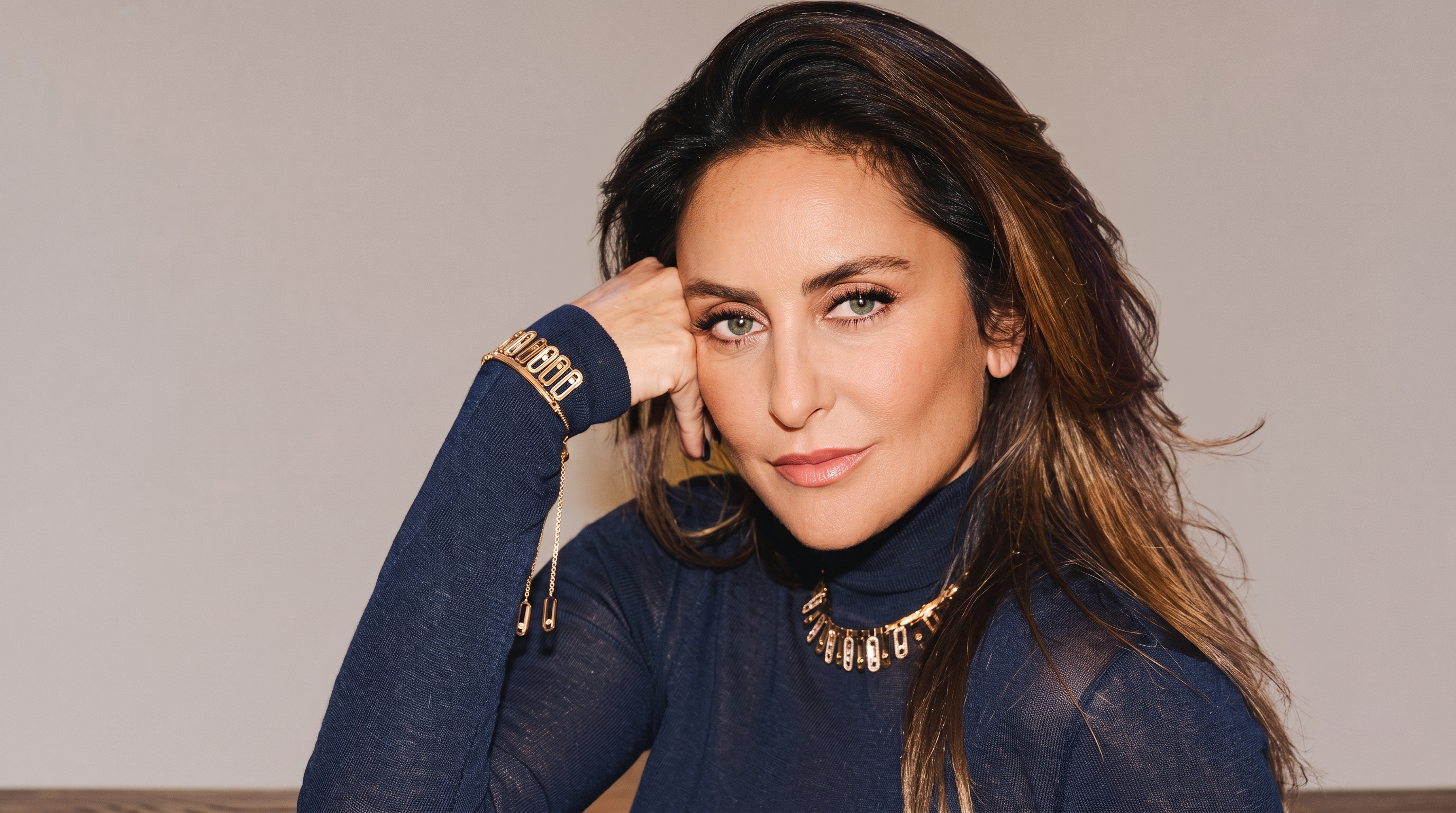
Valérie Messika grew up around diamonds through her father, André Messika, before founding her own maison in Paris in 2005 at the age of twenty-nine. She built the house on the idea that a diamond should move with the wearer rather than wait for a formal occasion, an impulse that became the sliding-stone Move concept. She continues to design collections with her cousin Didier from the maison's Paris atelier.
You grew up surrounded by diamonds through your father, André Messika. What did that early experience give you, and what did you still feel was missing?
My father gave me a deep understanding of diamonds and of the profession. I spent several years learning alongside him and discovering the many sides of the trade. I loved sharing that passion with him, but I also felt that something was missing. I wanted to express myself creatively. Working with diamonds as a material was not enough for me. I needed to imagine the jewellery itself, to explore how a stone could be transformed through shape, movement and the way it sits on the body. Messika was born from that desire to bring my own vision to the family expertise.
You founded Messika in 2005, at the age of 29. What did you want to change about the way diamonds were understood and worn?
At that time, diamonds were often associated with very formal occasions, engagement rings or a certain idea of maturity. I wanted to make them feel more spontaneous and connected to everyday life. Women were becoming more independent in the way they dressed and expressed themselves, and I wanted jewellery to reflect that freedom. A diamond should not wait in a safe or appear only at a special event. It can be worn with different styles, at different times and by women with very different personalities. My aim was to create pieces that feel elegant but also easy, contemporary and alive.
Messika is often described as a modern diamond maison. What does modernity mean to you in jewellery?
Modernity is not simply about making something new or following a trend. For me, it is about questioning habits and asking whether a jewel can be worn in a freer way. It can mean changing the proportions, allowing a piece to move, creating a lighter feeling or combining high jewellery with the attitude of fashion. I am interested in jewellery that has a relationship with the body rather than sitting apart from it. Modernity also means accepting that there is no single way for a woman to look or wear a jewel. Her personality should remain visible.
Movement has become one of Messika's defining ideas. Where did that impulse come from?
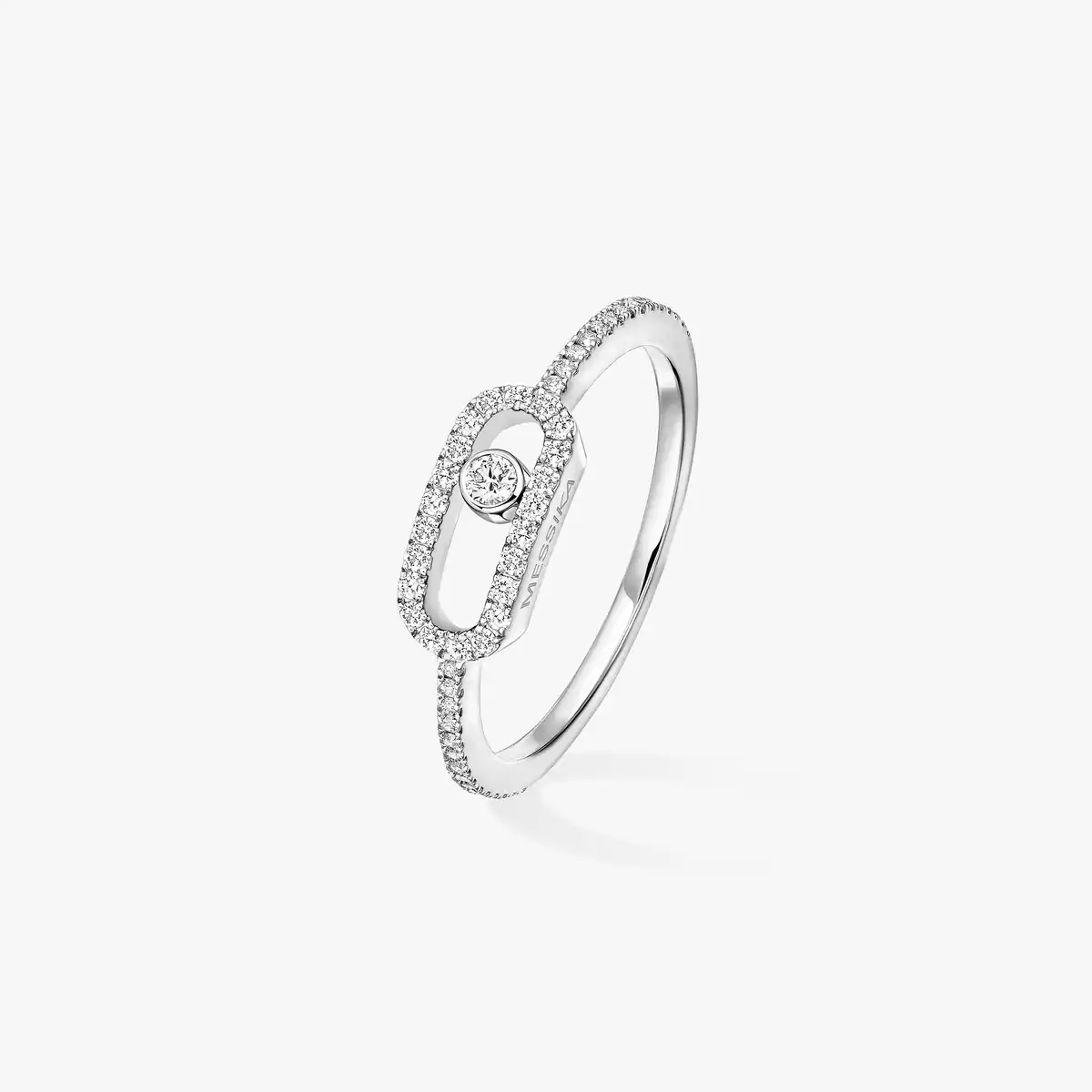
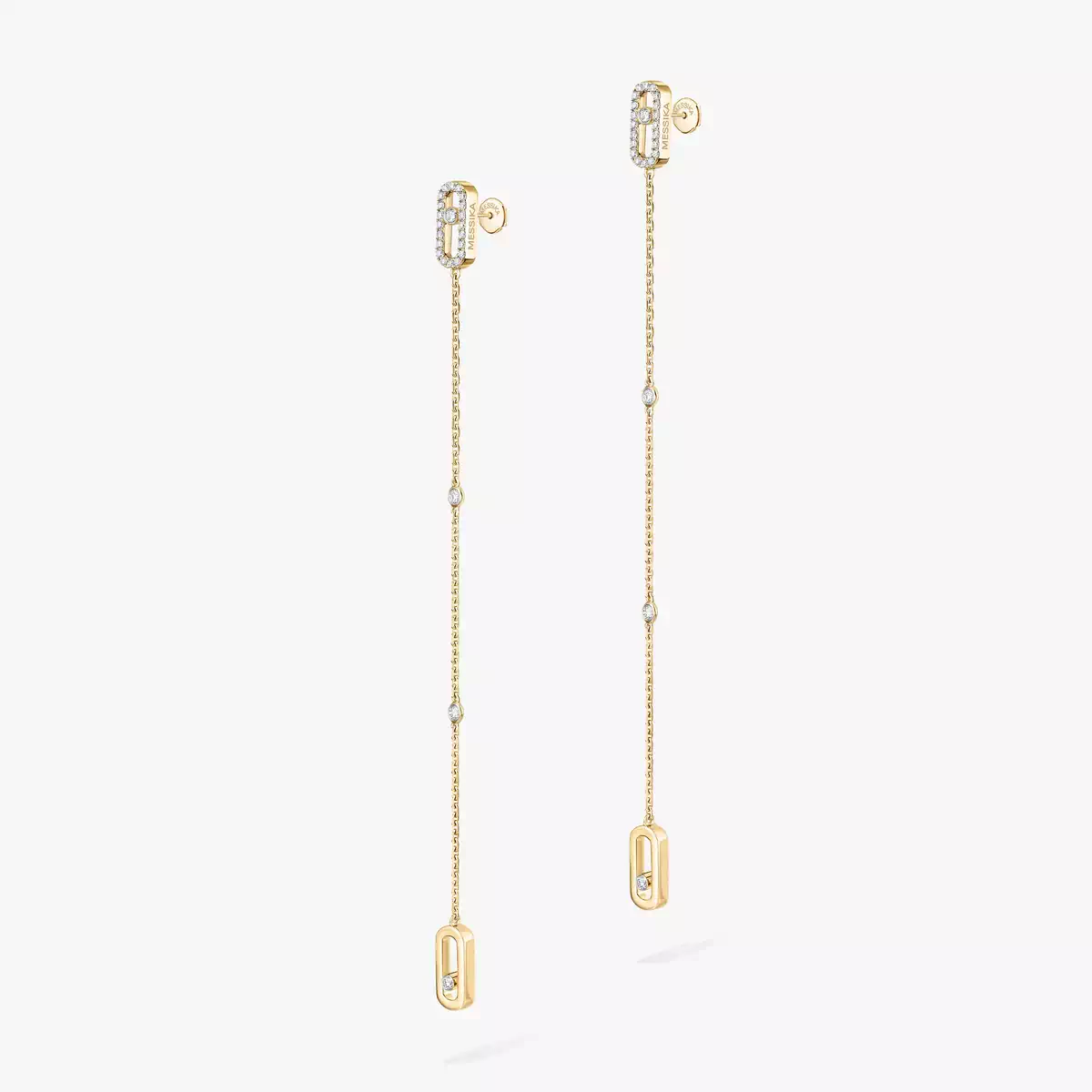
I have always believed that a diamond reveals something different when it moves. Light changes, the stone catches the eye from another angle and the jewel becomes part of the wearer's gestures. That led us to explore ways of giving the diamond freedom within the design. The Move concept became an important expression of that idea, with stones sliding along rails so they respond to the movement of the body. I wanted the pieces to feel fluid and sensual, almost as though they were following the wearer. Movement brings energy to a jewel and makes it feel less static.
Your work brings together tradition and a strong fashion sensibility. How do you balance the two?
Jewellery requires exceptional craftsmanship, and I have great respect for the techniques that make a piece possible. At the same time, I do not want tradition to become a limitation. I am inspired by fashion because it introduces questions of attitude, proportion and personal expression. Haute Couture also reminds me that a jewel can transform the way a woman feels in her clothes. The challenge is to preserve the precision and expertise of jewellery while giving the result a current sense of movement and confidence. The balance is found when the technique supports the idea rather than becoming the idea.
What does your creative process look like when a new collection begins?
I usually begin with a blank page and without a precise brief. An idea may come from a woman I have seen, a place I have visited, a piece of architecture, art or fashion. I collect images and impressions, then try to translate them into a sketch. That translation is often the most difficult part because the image in my mind can be very clear while the drawing is still uncertain. From there, the atelier becomes essential. We exchange ideas, test proportions and work through the technical challenges until the original intuition becomes a real jewel. The process is complete only when the piece feels right.
Paris is central to the identity of Messika. How does the city continue to influence your work?
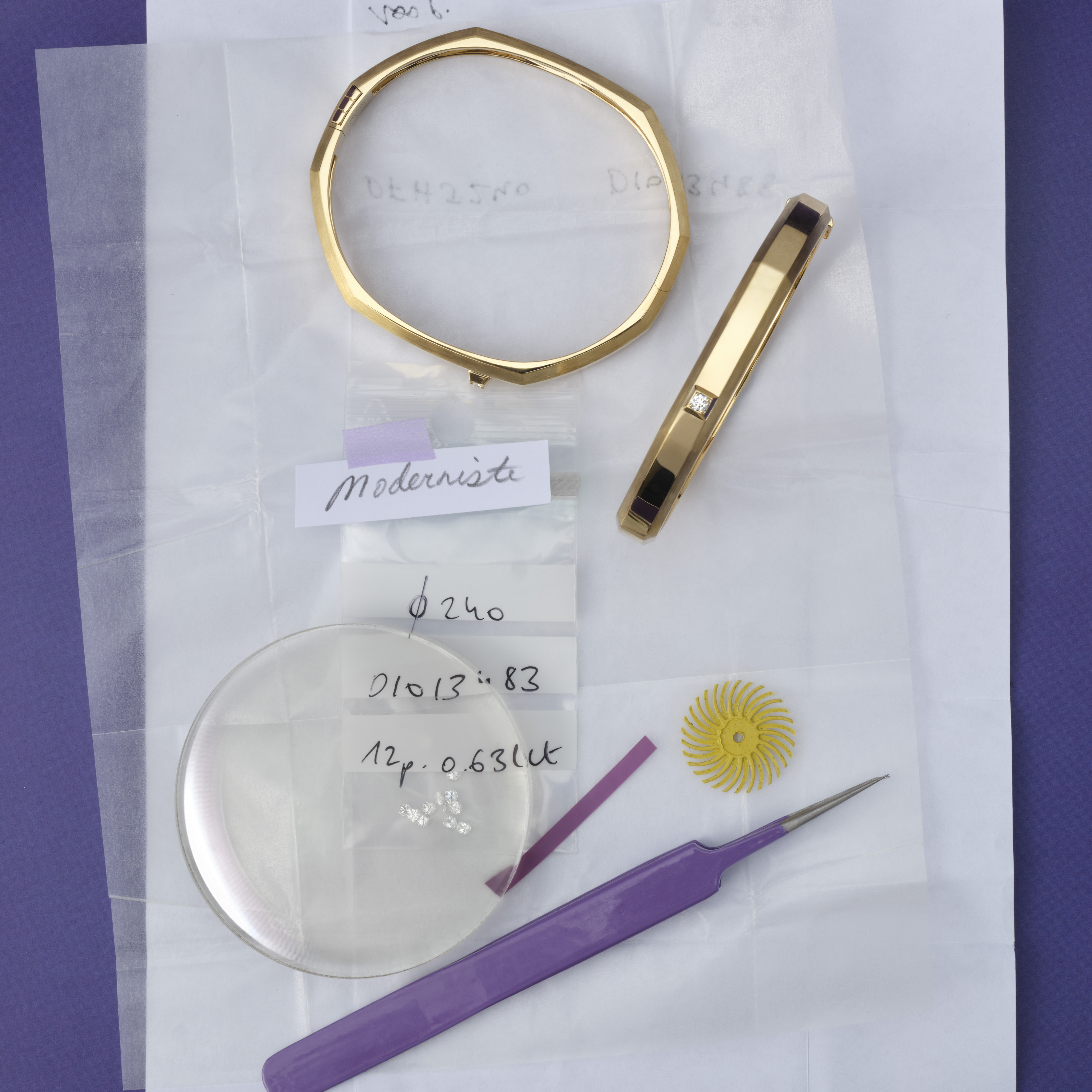
Paris brings together history and modernity in a very natural way. Its architecture, museums, gardens and daily rhythm are all sources of inspiration. I am also drawn to the craftsmanship that exists throughout the city, and that was an important reason for establishing our first boutique and high jewellery atelier there. Being close to the artisans allows me to remain involved in the making of the collections. Paris has a particular energy, but it is also full of contrasts. That combination gives me ideas for jewels that can be graphic and delicate, precise and expressive at the same time.
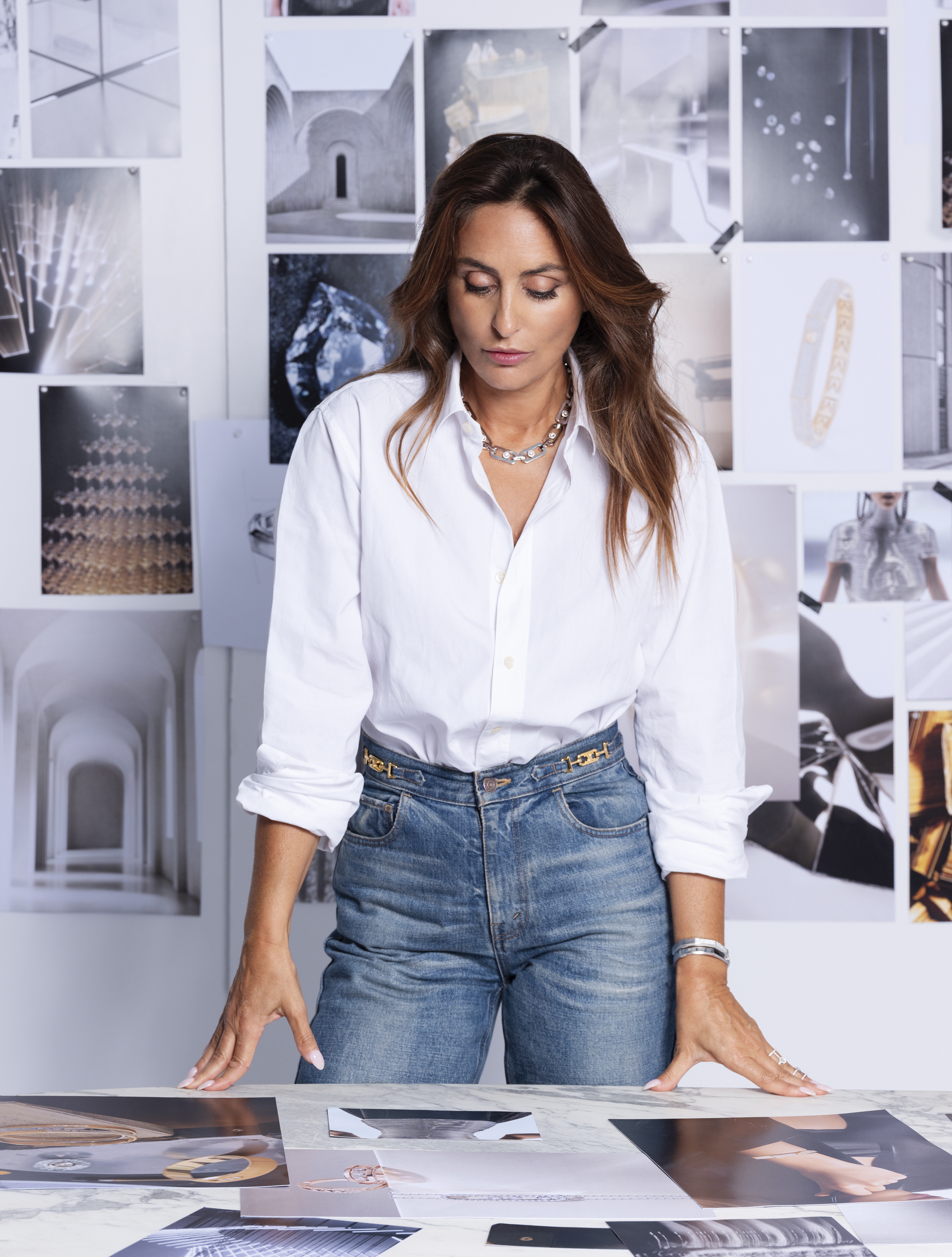
You create collections with your cousin Didier. What does that collaboration bring to the maison?
The creative process benefits from more than one perspective. Didier has accompanied me from the beginning, and we work together closely. We exchange ideas constantly, share images and continue conversations outside the office as well as within it. We do not always agree, but that is part of the strength of the collaboration. Our differences can push an idea further, while our shared understanding helps us recognise when something belongs to the spirit of Messika. The process is very instinctive and personal, but it is also shaped by dialogue, patience and the willingness to keep developing an idea.
Messika's designs are worn in many different ways, from everyday jewellery to high jewellery. Who do you imagine when you are designing?
I think about women in general, rather than one specific type of client. Women have different ages, tastes, lifestyles and ways of expressing themselves, and I want the collections to leave room for that individuality. I am interested in the way a woman combines pieces, changes her styling or gives a jewel a meaning of her own. Jewellery should support her identity, not replace it. That is why versatility matters to me. A delicate piece can feel personal and powerful, while a more dramatic jewel can still be worn with confidence and freedom.
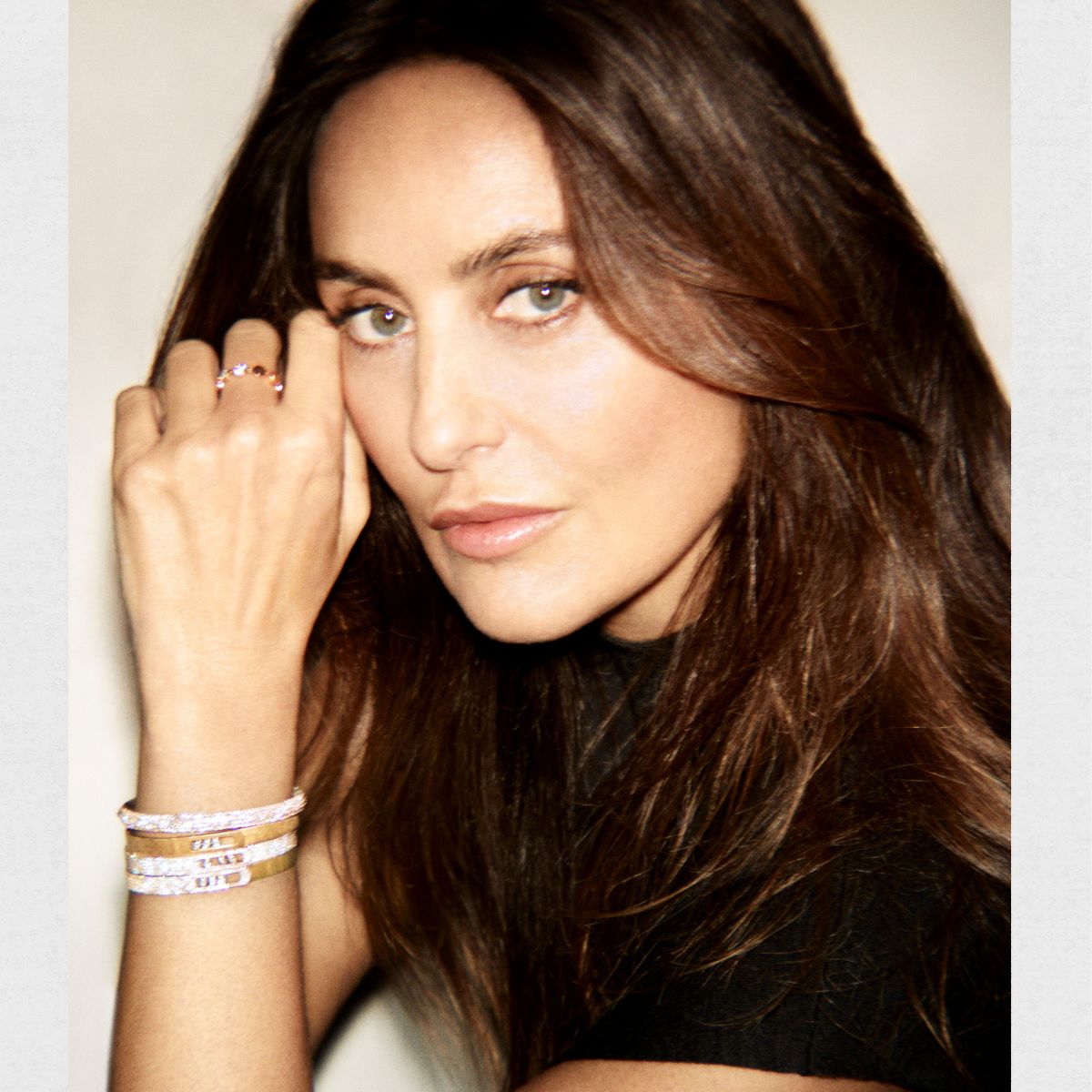
After two decades of Messika, what remains most important to you as a founder?
The most important thing is to protect the freedom that allowed the maison to begin. Messika has the advantage of family expertise in diamonds, but it has also remained independent and closely connected to its creative direction. I want every piece to carry an intention, whether that comes through its movement, its proportions, its technique or the emotion behind it. Building a maison requires time, energy and hard work, but it also requires staying close to the original instinct. For me, success is continuing to create with passion while helping women feel more confident in the way they choose to wear their jewellery.