Profile
David and Sybil Yurman: A Life in Art, Made Wearable
Hannah R. Harris / Nov 20, 2025

New research from De Beers, the Plumb Club, and Jewelers Mutual shows U.S. jewelry buyers spending more on self-purchase and everyday gifting than on engagement rings, and rewarding the retailers who can explain exactly what they are paying for.
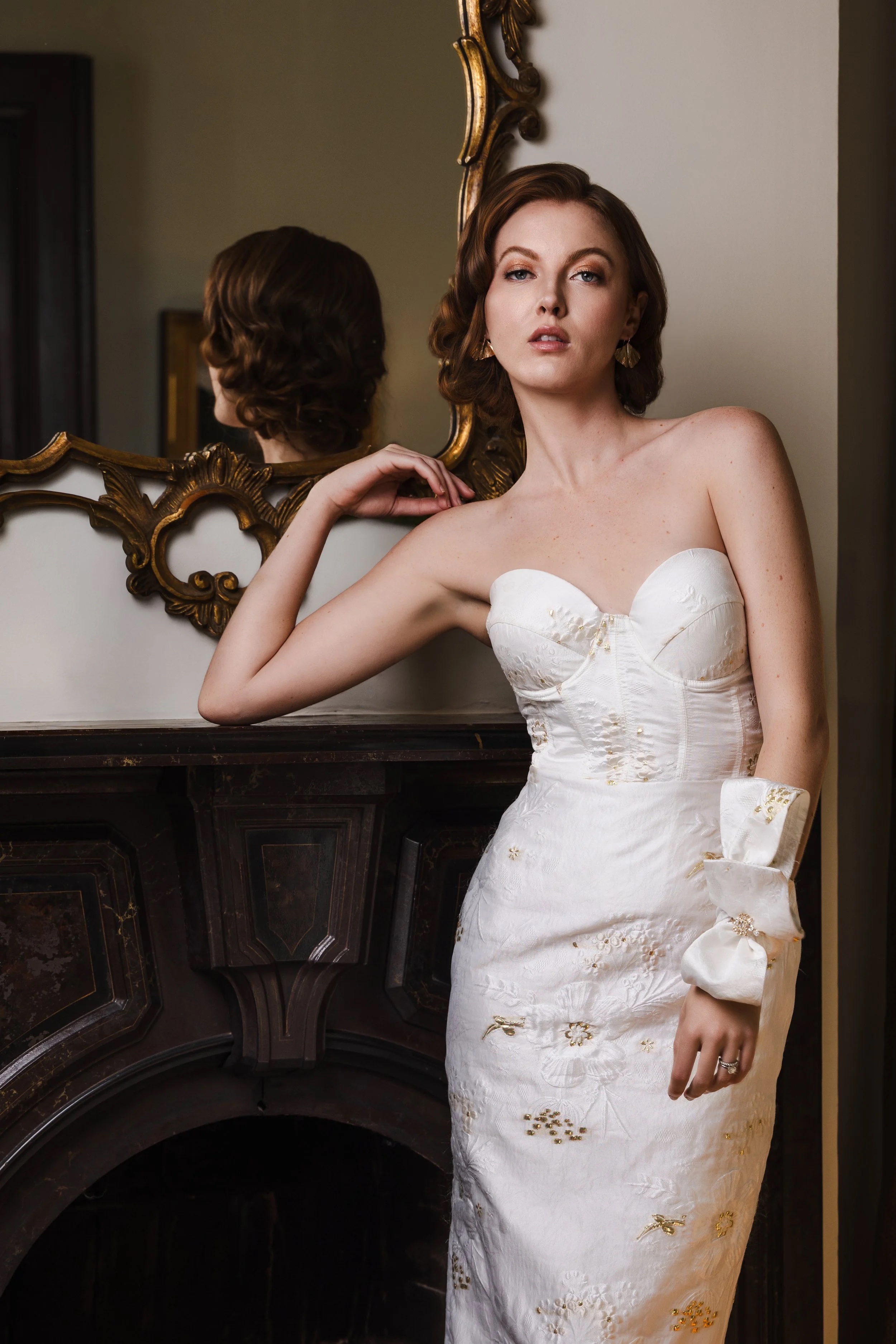
In De Beers's 2025 survey of 18,500 U.S. jewelry buyers, three out of four dollars spent on natural diamonds had nothing to do with a wedding. Non-bridal demand accounted for 75 percent of total value, split between gifting at 44 percent and women's self-purchase at 31 percent. Bridal, the occasion most jewelers still build an entire buying calendar around, made up the remaining quarter. The finding sits inside a wider recalibration of who the American jewelry buyer is.
That question now has a dollar figure attached. A 2025 study by the Plumb Club and Qualtrics, surveying 2,000 U.S. jewelry buyers aged 25 to 60 with household incomes starting at $75,000, found average bridal spend at $5,493 against average non-bridal spend of $1,664, up 28 percent from the prior survey. Those numbers describe an affluent, high-intent slice of the market, not a national average, but they mark out real territory between an impulse gift and an engagement ring: four figures a buyer will spend on a piece with no proposal attached, provided the materials, the design, and the story hold up under questioning.
Price data below that bracket tells the same story. The Silver Institute's 2025 retailer survey found the two largest silver sales bands at $100 to $500, 39 percent of sales, and under $100, 28 percent, with retailers naming female self-purchase their strongest opportunity at 41 percent. The figure comes from retailers rather than a consumer panel, but it points the same direction as the diamond numbers: entry price points are doing real acquisition work, not clearing lower-margin stock.
What buyers say justifies a price has shifted too. In the Plumb Club study, quality ranked the most important purchase factor at 39 percent, ahead of design at 21 percent and price itself at 17 percent. Asked what specifically justified what they paid, respondents named gemstone quality first at 30 percent, carat weight second at 16 percent, and design third at 13 percent. A buyer moving from a $200 pair of earrings to a $2,000 ring is trading up in specification, not vanity, and the jewelers converting that trade are the ones who state metal weight, stone grade, and construction detail in plain language.
Occasion data reinforces the same shift away from bridal as the organizing event. Jewelers Mutual's August 2025 study of more than 1,500 recent U.S. jewelry buyers found birthdays, holidays, and unprompted, no-occasion purchases were the leading triggers for buying jewelry for oneself, rings the item bought most often, and nearly 60 percent of respondents self-described as collectors. BriteCo's October 2025 survey put the self-purchase share at 80 percent of U.S. adults, with personal style and marking a milestone tied as the leading reasons at 22 percent each.
Channel behavior complicates the store-versus-online framing still shaping retail planning. In the Plumb Club's affluent buyer sample, independent jewelers were the preferred purchase channel for 43 percent of respondents, well ahead of national chains at 23 percent, department stores at 13 percent, and online retailers at 12 percent. But designer and brand influence, 31 percent, and retailer websites, 21 percent, ranked among the largest purchase influences, and the U.S. Census Bureau recorded retail e-commerce growing 9.8 percent year over year in the first quarter of 2026, against 3.9 percent for total retail. The buyer researches on a screen and buys in a room, or does both, and expects the same certainty either way.
Stone origin has become part of that certainty test. The Plumb Club's most recent research found 84 percent awareness that lab-grown diamonds are an available choice, with 74 percent open to a lab-grown engagement ring and 65 percent open to lab-grown stones in fashion pieces. An October 2025 chart from the same group put openness to lab-grown non-bridal diamonds and colored gemstones at 83 percent once buyers were told the stones are chemically, optically, and physically identical to their mined counterparts. What should concern a jeweler without an honest comparison built into the sales process is not the 83 percent, it is the phrase once informed: buyers default not to skepticism but to a request for information too few retailers supply up front.
The gap between those two positions, waiting for a proposal versus building a ladder a buyer climbs on her own schedule, is where market share gets decided next. The retailers reading these numbers correctly are not the ones stocking the widest range. They are the ones who can tell a customer, without hedging, exactly what a piece is, why it costs what it costs, and what happens to it five years from now.