Profile
Gucci Westman on the Art of Making Beauty Feel Like Yourself
Kayla M. Walker / Aug 8, 2026

For Trinny Woodall, Trinny London began with a practical beauty problem and grew into a global brand built around advice, personalisation, confidence, and community.

You spent two decades in media before founding Trinny London in 2017. What did that experience teach you about the way people approach beauty?
My work in television and media gave me a close understanding of how personal appearance can affect the way someone feels. I saw that many women wanted to make changes, but often felt overwhelmed by the language, the number of products, and the pressure to get everything right. Beauty could be confusing rather than enjoyable. I wanted to create a brand that offered information and guidance alongside the products themselves. The aim was not simply to sell another lipstick or moisturiser, but to help people understand what might work for them and feel more confident making those choices.
The original idea for Trinny London came from your own overflowing makeup bag. How did that everyday frustration become a product concept?
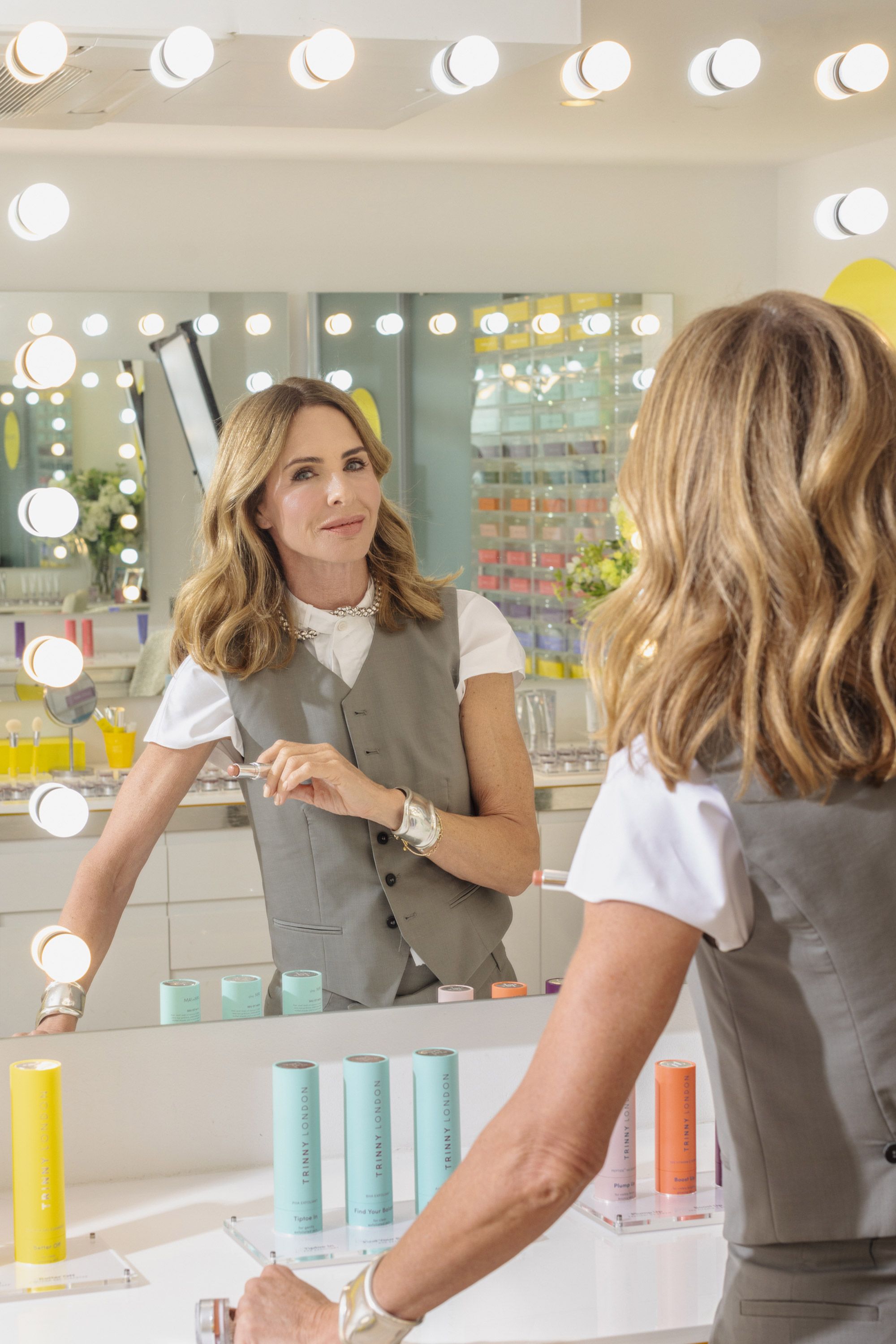
I wanted to take my essential makeup with me without carrying a large bag full of separate products. I began decanting the things I used into small pots and realised that the format could make a routine much simpler. I have always preferred cream-based products and like makeup to become part of the skin rather than sit heavily on top of it. That led to the idea of portable pots that could click together in a stack. The stack was a practical answer to a familiar problem, but it also became a way of thinking about beauty as something that should fit into real life.
Trinny London has always combined makeup with guidance. Why was education so important to the brand from the beginning?
People often know that their current products are not quite right, but they do not necessarily know what to try next. The beauty industry can make that decision feel more complicated than it needs to be. Advice helps people move through that uncertainty. We wanted to give customers a clearer route into makeup and skincare, whether they were changing one product or rebuilding their whole routine. That is also why our content and conversations with customers are so important. A product has to be well made, but the customer should also understand how to use it and why it may suit them.
Match2Me is central to the Trinny London experience. What were you trying to solve with that system?
We were trying to make personalisation more useful and more precise. Everyone’s skin, colouring, preferences, and habits are different, so a recommendation should not depend only on what is popular or what works for someone else. Match2Me helps create a colour profile and suggests products based on the individual. We developed it through working with real people rather than relying on professional models. That process gave us a much broader understanding of different skin tones, textures, ages, and needs. It also made the experience feel more conversational, which is how I believe beauty advice should be.
The brand’s imagery features a wide range of real faces, including visible skin texture. Why was that choice important?
I wanted people to recognise themselves in the brand. For many years, beauty imagery presented a very narrow idea of what a face should look like, and images were often heavily retouched. That can create distance between the customer and the product. Our campaigns and social content show people with different ages, skin types, skin tones, races, and disabilities. We do not use professional models as the basis of the brand’s identity. Realism is important because customers want to understand how a product behaves on skin that resembles their own. Representation is not an extra part of the business. It affects whether someone feels invited to take part.
You have spoken about moving away from the language of anti-ageing. What does beauty mean to you now?
I am not interested in making people feel that their face or body is a problem to be corrected. The language of anti-ageing often suggests that looking older is something to fear. Our approach is about helping people feel energetic, comfortable, and confident when they look in the mirror. That does not mean ignoring the concerns people have about their skin. It means addressing those concerns without making age the enemy. I also think beauty should remain personal. The question is not whether someone looks younger, but whether they feel good about how they look and whether the routine supports the life they are living.
Skincare has become an important part of Trinny London. How did that evolution happen?
My interest in skincare began long before I worked in fashion. I had severe acne as a teenager, so I understood early on how much skin can affect confidence. When we launched, the first product was BFF SPF 30, which was designed to provide coverage without feeling like heavy makeup. From there, it was natural to explore products that brought skincare and makeup closer together. We look for products that have a clear purpose and that can make a meaningful difference to a routine. The expansion into skincare was not about adding more products for the sake of it. It was about responding to the wider needs of the customer.
Trinny London has grown from a small team into an international business. What has changed most for you as a founder?
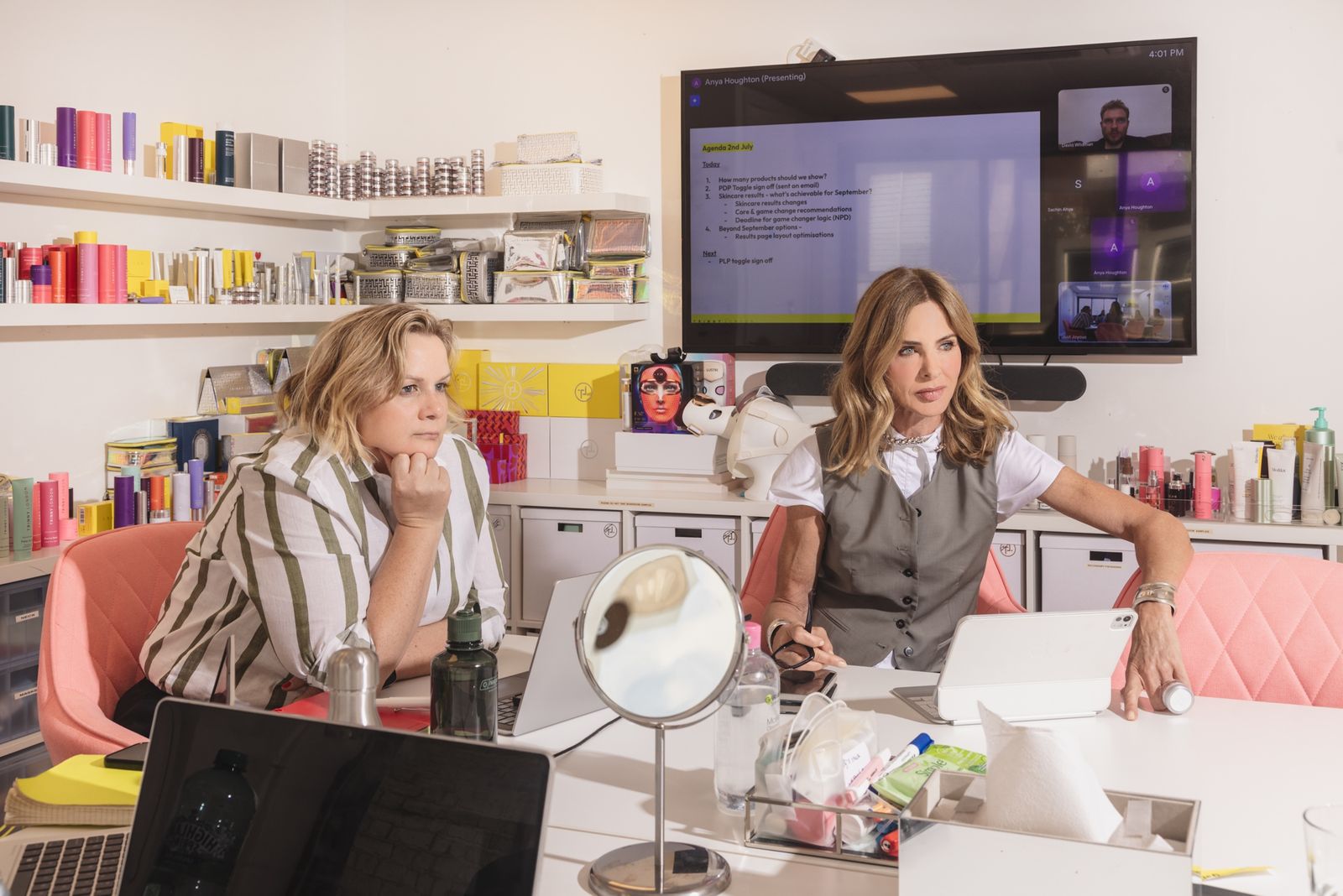
The scale has changed, but the need for clarity and conviction has not. I remember when the business began with eight people sitting around a table. As the team grows, the founder cannot hold every detail personally, so building trust becomes essential. You have to communicate the purpose clearly and give talented people room to do their work. At the same time, growth brings more responsibility. We decided from the beginning that Trinny London should be a global brand, so we have had to think carefully about customers in different markets while keeping the central idea intact. The challenge is to grow without losing the intimacy that made people care.
Community has become a defining part of the brand, through social media, live conversations, and the Trinny Tribe. What has that relationship taught you?
It has taught me that customers want an honest conversation, not a polished message delivered from a distance. Social media allows people to ask questions, share experiences, and show us what is working or not working for them. That feedback is valuable because it keeps the business connected to real routines. Community also creates encouragement between customers, which can be just as important as advice from the brand. People often feel more confident trying something new when they see someone with a similar concern or colouring explain how they approached it. That exchange has shaped both the tone of Trinny London and the way we develop our relationship with customers.
You also support other founders through mentoring and your Elevator Pitch series. What draws you to entrepreneurship beyond your own company?
I understand how exposed it can feel to build something that is closely connected to your ideas and your name. Founders often need practical guidance, but they also need someone to take their ambition seriously. I enjoy hearing how people identify a problem, develop a solution, and find a way to communicate it. The businesses are different, but many of the challenges are familiar: deciding what to prioritise, finding the right people, understanding the customer, and continuing when the first version is not perfect. Supporting other entrepreneurs gives me the chance to share what I have learned while continuing to learn from the energy and originality of newer founders.