Profile
The Confidence of Colour: Charlotte Tilbury on Building a Beauty World
Jessica M. Ellis / Aug 6, 2026

For Westman Atelier founder Gucci Westman, makeup is an extension of skin, confidence, and considered living, shaped by a career that has moved from Parisian training and special-effects makeup to Vogue, global beauty brands, and her own formulation studio.
You began with an early fascination with makeup, then trained in Paris and moved into film, editorial, and fashion. What did those different environments teach you about the work?
Each stage gave me a different way of looking at the face. Makeup school in Paris taught me the importance of technique and simplicity. When I moved to Los Angeles, I studied special-effects makeup and began working on independent films, commercials, and music videos. Film taught me to think about authenticity, because makeup has to support a character and remain believable in motion and changing light. Editorial work opened up another kind of storytelling. Working with photographers and fashion teams taught me how much mood, proportion, and context can change the way beauty is perceived. Those experiences still inform how I approach every product and every face.
Grace Coddington became an important early supporter of your work after photographers introduced you to her. What did that period at Vogue mean for your development?
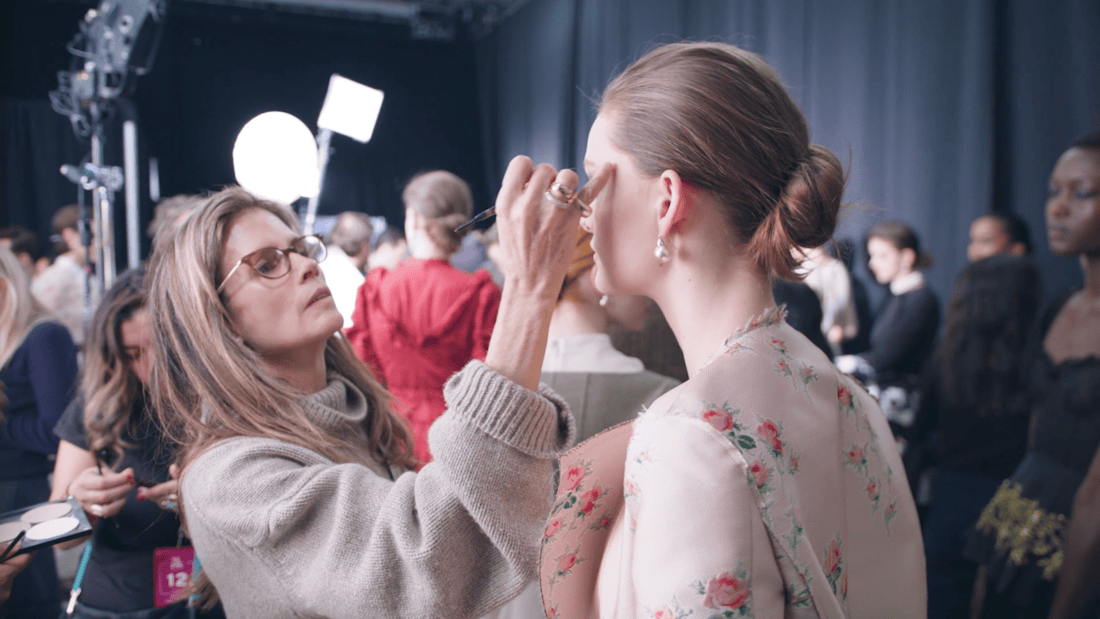
Grace gave me an extraordinary opportunity at a moment when I was still finding my voice. She saw something in my work and brought me into a world where makeup was part of a larger visual narrative. The pace was intense, but it was also a remarkable education. I learned to respond quickly, remain open to collaboration, and understand the relationship between makeup, styling, photography, and the person in front of me. Editorial work also gave me the freedom to explore. You can create a very precise image, but the strongest images still have a sense of life in them. That balance between intention and spontaneity has stayed important to me.
Before Westman Atelier, you served as international artistic director at Lancôme and global artistic director at Revlon. How did product development change the way you thought about makeup?
It showed me how much of a product’s character is created in the laboratory. As a makeup artist, I had always been focused on the result, but working closely with chemists taught me to understand the decisions behind texture, pigment, finish, stability, and application. At Lancôme, I spent a great deal of time with the labs, and that experience was invaluable. I began to see that a product is not simply a colour in a package. It is a sequence of choices, and every choice affects how it performs on the skin. That knowledge gave me the confidence to be more specific about what I wanted when I began developing Westman Atelier.
What was missing from your professional kit that led you to create Westman Atelier?
I wanted to replace the staples in my kit with products that met my standards for performance while also reflecting my concerns about ingredients and skin. I was looking for makeup that felt luxurious, worked intuitively, and supported the appearance of healthy skin rather than masking it with an artificial finish. I felt there was a divide between products positioned as natural and products that delivered the level of performance I expected from professional makeup. I wanted to work through that divide carefully. The aim was not to create a line around a single trend. It was to develop a considered collection that I would genuinely want to use on my clients and on myself.
Westman Atelier brings makeup and skincare together. Why was that relationship central to the concept?
Skin has always been the starting point of my work. I have spent my career trying to create complexion that looks believable, dimensional, and alive, so it made sense to think about makeup and skincare as partners. I wanted the products to do more than add colour or correct something temporarily. The formulas combine high-performance pigments with nourishing skincare ingredients, and active ingredients when they serve a clear purpose. That does not mean makeup becomes skincare, or that one replaces the other. It means we can be more thoughtful about the experience of wearing it. When the texture feels comfortable and the skin looks cared for, the finished makeup can remain light, fresh, and connected to the person underneath.
Westman Atelier is known for its stick formats and buttery textures. What drew you to that way of applying makeup?
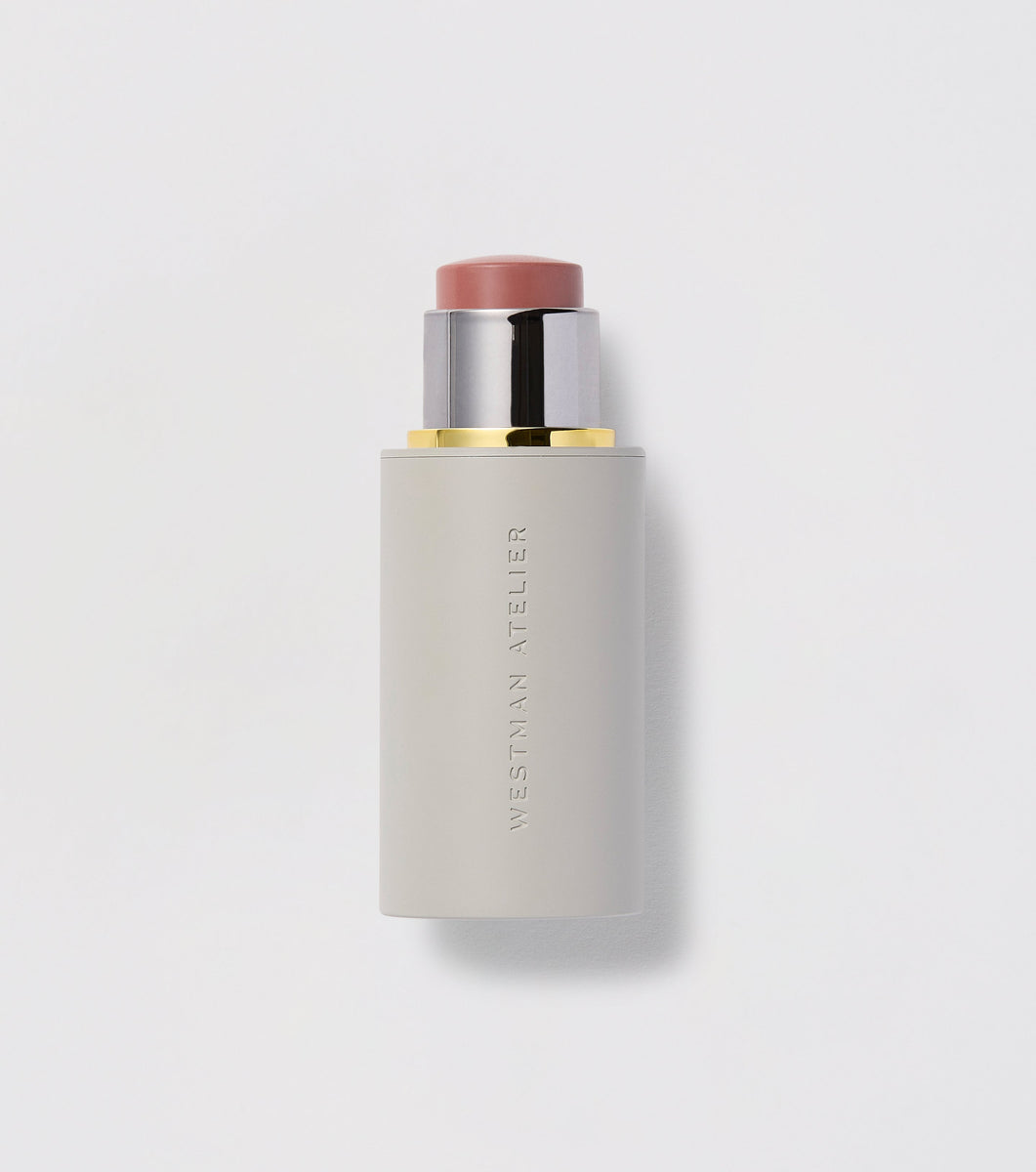
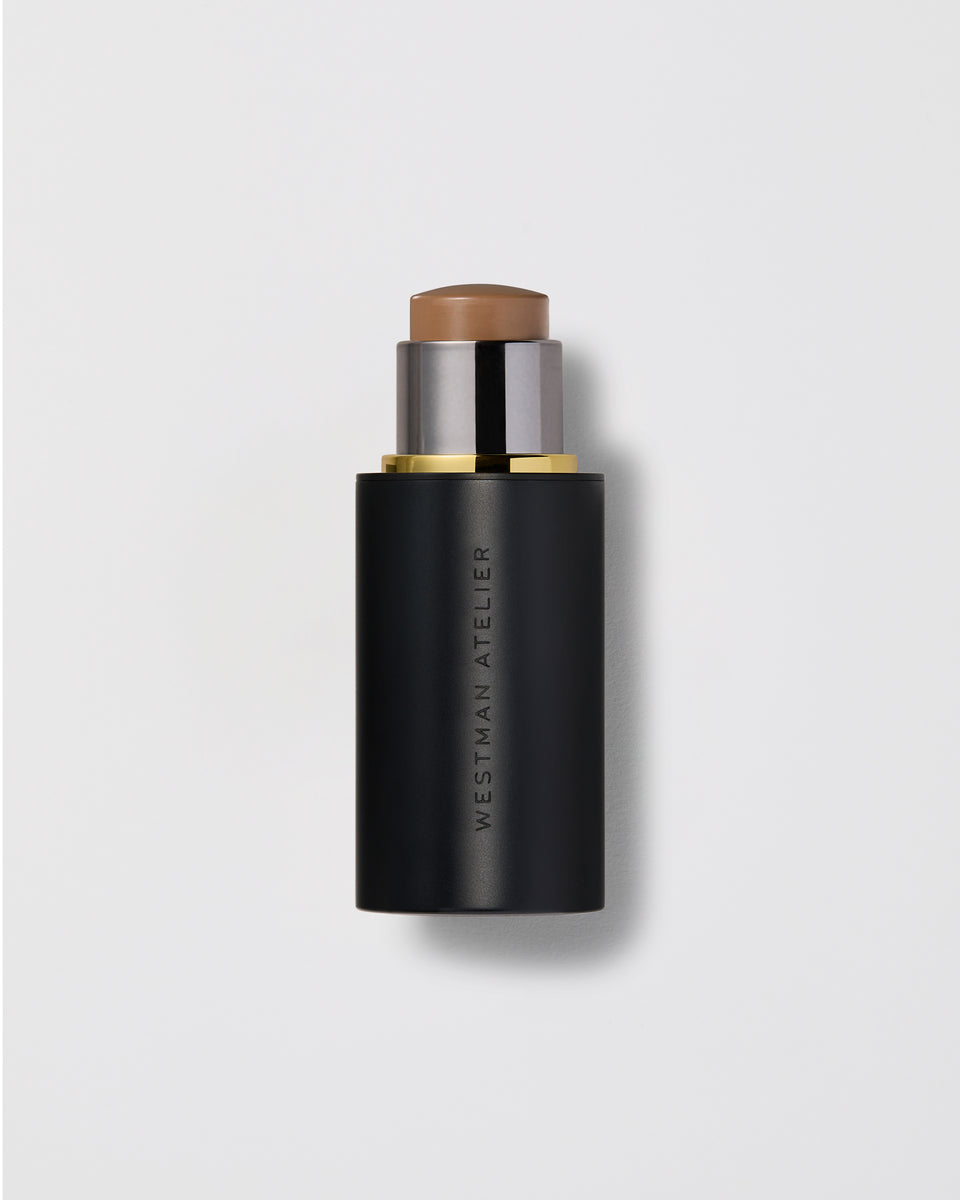
Stick formulas were part of my education in Paris, where makeup artists often worked with their fingers and used the warmth of the skin to blend product. I find that approach very intuitive. It allows you to place makeup precisely, build it gradually, and keep the finish close to the skin. I wanted our textures to feel buttery and luxurious, as though they were melting in rather than sitting on top. The format also makes the products easy to understand. You do not need an elaborate routine or a large collection of tools to create a polished result. You can apply, blend, and adjust as you go, which leaves room for the face to remain expressive.
Your work is often associated with luminous, natural-looking skin. What does enhancing rather than transforming mean to you?
I have always been interested in working with what is already there. Makeup can be creative and glamorous, but I am most drawn to the point where it gives someone a little more confidence while they still look like themselves. The skin should feel like skin, with dimension and movement, not like a surface that has been flattened or covered. My early work in film helped me understand that. When makeup is successful, you do not notice the product first. You notice the person, the mood, or the emotion. That does not mean makeup has to be invisible. It can bring joy, colour, and sparkle. The important thing is that it remains connected to the individual wearing it.
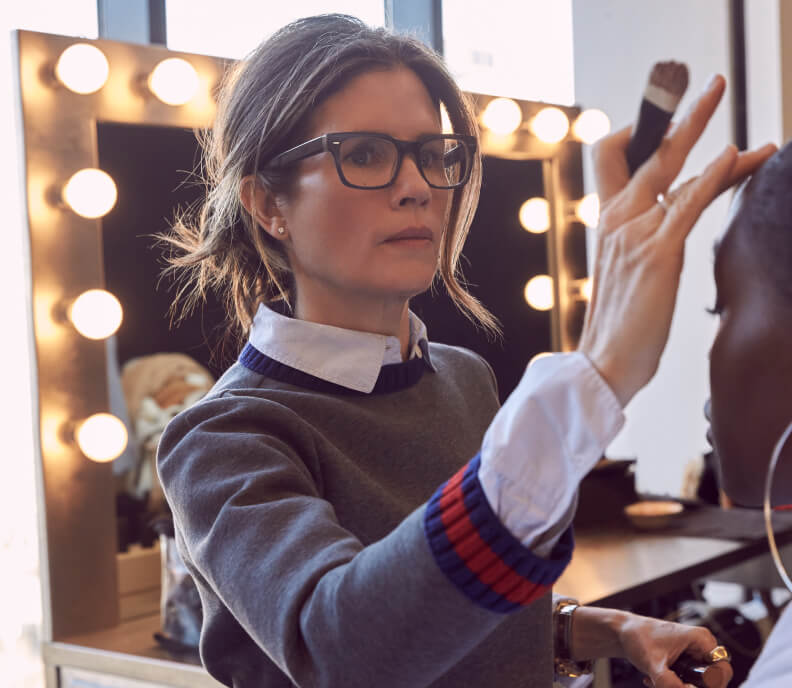
How do you approach the idea of clean beauty, particularly when a plant-based ingredient does not deliver the performance you need?
Performance is essential. If a product does not work properly, the rest of the conversation becomes irrelevant. We focus on plant-based active ingredients, but we do not assume that every natural ingredient is automatically the right choice. If a plant-based option cannot deliver the texture, wear, or efficacy we need, we work with our labs to find the safest and most responsible alternative. I also think it is important to distinguish between an ingredient being present at a marketing level and being used at a level where it can genuinely have an effect. Our process involves safety vetting, a defined list of exclusions, and ongoing research. The standards have to be practical, informed, and meaningful.
Westman Atelier is deliberately edited rather than built around an overwhelming number of products. What does a thoughtful makeup wardrobe look like to you?
It should give people enough versatility without making them feel they need to collect everything. Every product needs a reason to exist and should be able to work in more than one way. I like products that can be applied quickly in the morning but also built up for a more defined look. A cheek colour might bring life to the face, soften the lips, or add warmth elsewhere. A complexion product should allow you to decide how much coverage you want rather than forcing you into one finish. That flexibility is part of making makeup feel personal. The collection is edited because I want each piece to earn its place, both in a professional kit and in someone’s everyday routine.
After decades in the industry and eight years since Westman Atelier launched, what continues to give you energy as a founder and artist?
I am still energised by the process of learning. Makeup changes because people change, and because the way we understand skin, ingredients, and wellbeing continues to develop. I enjoy being involved in the details, from the first idea for a product through the work with the chemists and the way it is eventually used. I also value the human side of the work. In makeup, you are often part artist, part listener, and part problem solver. You have to know when to offer direction and when to step back. As the brand grows, I want to keep that sense of care and curiosity. The work should remain useful, beautiful, and grounded in real life.