Profile
Gucci Westman on the Art of Making Beauty Feel Like Yourself
Kayla M. Walker / Aug 8, 2026

For Lisa Eldridge, building a beauty brand has meant bringing decades of artistic practice, historical research, and direct conversation with her audience into every product.

You built your career as a working makeup artist before creating your own brand. What did that experience teach you about what makeup needs to do?
Working with real faces, different lighting conditions, demanding schedules, photographers, stylists, and clients teaches you to look closely. Makeup has to perform, but it also has to remain believable. The most beautiful result is often not the most heavily made-up one. It is about understanding what a face needs and knowing where to place product so that the person still looks like themselves. Years of working across fashion, film, advertising, and red carpet have given me a very practical approach. I am always thinking about texture, colour, longevity, and how something behaves once it is actually being worn.

You were an early professional makeup artist on YouTube. What made you want to share your methods so openly?
I had always enjoyed explaining makeup. There is a real pleasure in breaking down something that can initially seem complicated and showing someone how manageable it can be. When I began making tutorials, professional makeup artists were not generally sharing that kind of access online, so it felt like a new space. I wanted to talk about technique, application, and products in a straightforward way, without making people feel that makeup belonged only to experts. The relationship with the audience became incredibly important. It allowed me to understand the questions people were asking and the practical problems they wanted help solving.
How did your online community influence the development of Lisa Eldridge?
The community gave me a very clear sense of what people were looking for, but I have never wanted to develop products simply because something is fashionable or because there is an obvious gap in the market. The starting point is usually a product I genuinely want to use, or a particular colour or texture that I cannot find elsewhere. Listening is important, but so is maintaining a point of view. The brand has grown from a conversation with people who are interested in makeup, while still being guided by the standards I developed through my professional work. Both sides matter.
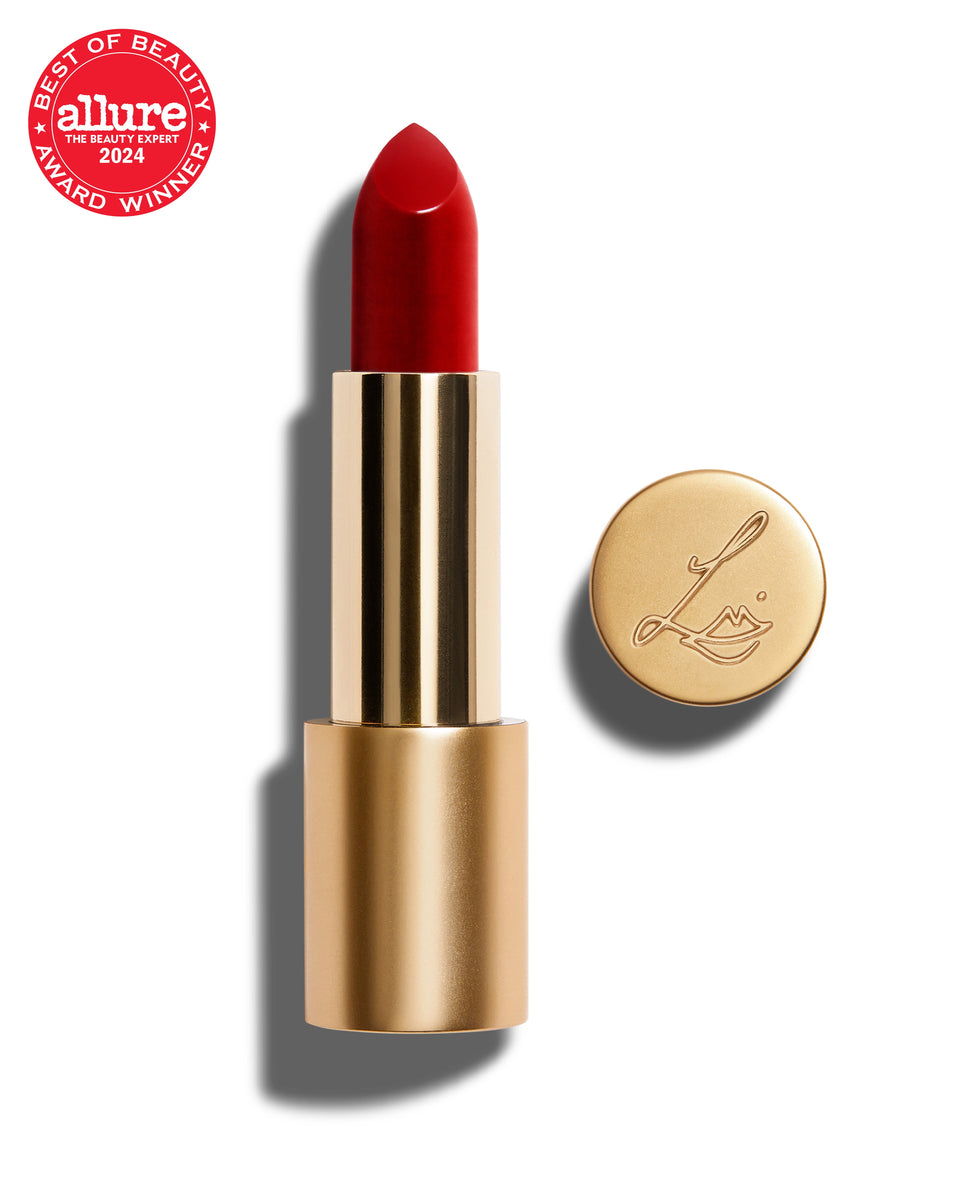
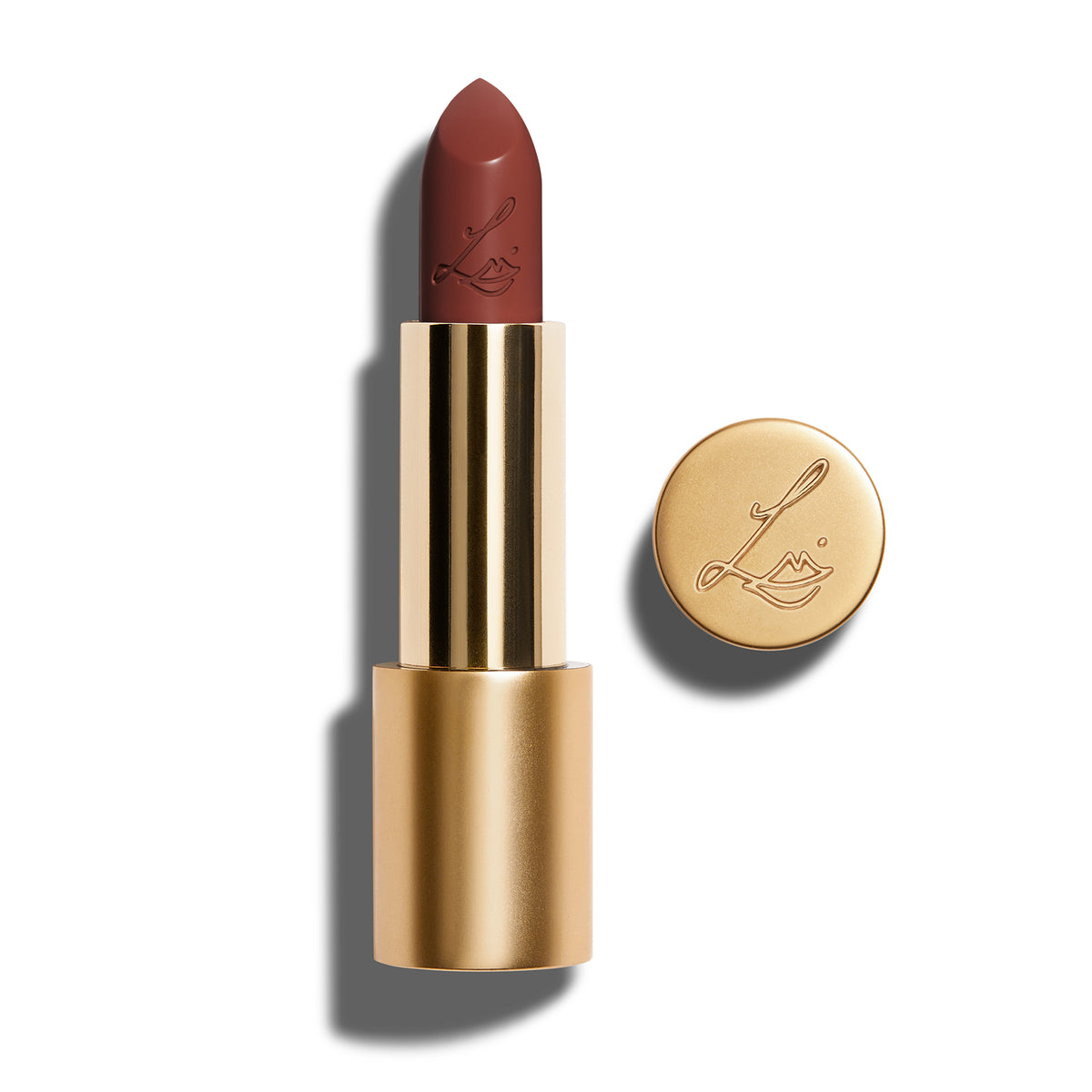
Your first collection focused on red lipstick, particularly the True Velvet Lipsticks. Why was that the right place to begin?
Lipstick has always been central to my work and to my understanding of makeup. I have a large collection of vintage cosmetics, so I have spent a lot of time looking at how colour, packaging, and texture have evolved. The True Velvet Lipsticks came from a very specific visual idea. I had seen the effect of velvet on the lips in an editorial context and wanted to create that finish in a real lipstick. Red was a natural place to begin because it is such a rich and expressive part of makeup history. Each shade needed to have its own character rather than feel like a variation of the same colour.
Your work often balances glamour with an ease that feels very personal. How do you think about that balance?
I do not see glamour and ease as opposites. Makeup can be polished, dramatic, or highly considered without looking disconnected from the person wearing it. For me, the key is respecting the structure of the face and allowing some of the skin to remain visible. That does not mean every look has to be minimal. It means that the intensity should feel intentional. A strong lip, a sculpted eye, or a luminous complexion can all work beautifully when the textures are handled carefully. I want makeup to give people options. It should be possible to enhance your features, transform yourself, or simply enjoy colour.
You have also written about the history of makeup. How does research shape your creative work?
History gives you a much broader perspective. Makeup is not a recent invention, and the way people have used it has always reflected culture, technology, status, creativity, and personal identity. Researching the past has made me more curious about materials and techniques, but it has also shown me that many ideas we describe as new have existed in another form before. I find that reassuring and inspiring. It encourages me to look beyond current trends and to think about why a colour or finish has emotional power. The history of makeup is full of experimentation, and that spirit remains relevant.

What standards do you bring to product development from your experience as a makeup artist?
I am very exacting about colour and texture because those are the things that make a product useful. A formula may look beautiful in a laboratory sample, but it also has to work on a face, in different conditions, and with different application methods. I think about how it can be applied with fingers, a brush, or a sponge, and whether it can be built up or sheered out without losing its character. I also care deeply about the relationship between makeup and skin. Product should sit comfortably and allow the wearer to control the result. The final decision is always about how something performs in practice.
The brand has expanded from colour products into complexion. What made that category particularly important to you?
Complexion is where my professional experience is most directly involved. I have spent years working with foundations and concealers, and I have seen how much difference the right placement and texture can make. I am interested in complexion that looks like skin rather than covering the face with an uninterrupted layer. That does not mean there is only one acceptable finish or level of coverage. It is about creating flexibility, so that someone can use a small amount where it is needed or build the result when they want more. The product should support the face rather than impose a uniform surface over it.
You have maintained an independent voice while working with major beauty houses and building your own company. How do you protect that independence?
Independence comes from knowing what you believe in and being willing to take the time required to make something properly. My work with established brands has given me valuable experience in product creation, communication, and the realities of reaching a large audience. At the same time, the eponymous brand has to reflect my own standards and taste. I do not want to make something simply to keep pace with the market. It is more important to create a considered range where each product has a reason to exist. That can require patience, but it also gives the work integrity.
After such a long career, what continues to excite you about makeup?
Makeup still offers an extraordinary combination of craft and emotion. A small change in colour or placement can alter the way someone feels, and the possibilities are almost endless. I remain fascinated by the technical side, from the way pigments behave to the way a formula changes the appearance of skin. I am equally interested in the personal side. Makeup can be quiet and restorative, or it can be theatrical and transformative. It can connect us to a particular period in history, a film, an image, or a memory. That range is what keeps it alive for me. There is always another colour, texture, or technique to explore.