Profile
Gucci Westman on the Art of Making Beauty Feel Like Yourself
Kayla M. Walker / Aug 8, 2026

For Charlotte Tilbury, makeup is both a professional craft and a way to make expert artistry feel intuitive, expressive, and available to everyone.

You spent more than two decades working as a makeup artist before launching Charlotte Tilbury Beauty in 2013. What did that experience reveal about the kind of brand you wanted to create?
Working backstage, on set, and with clients around the world taught me that people often want the same thing from makeup: products that make them feel confident and that are easy to understand. I had seen how powerful the right technique could be, but I had also seen how intimidating professional makeup could seem when it was presented as a mystery. I wanted to take the knowledge I had developed as an artist and translate it into products, routines, and application methods that people could use themselves. The brand grew from that desire to share the tools and secrets of my profession more widely.
The brand’s first products emerged from your work with models and clients. How important is that connection to professional artistry in the development process?
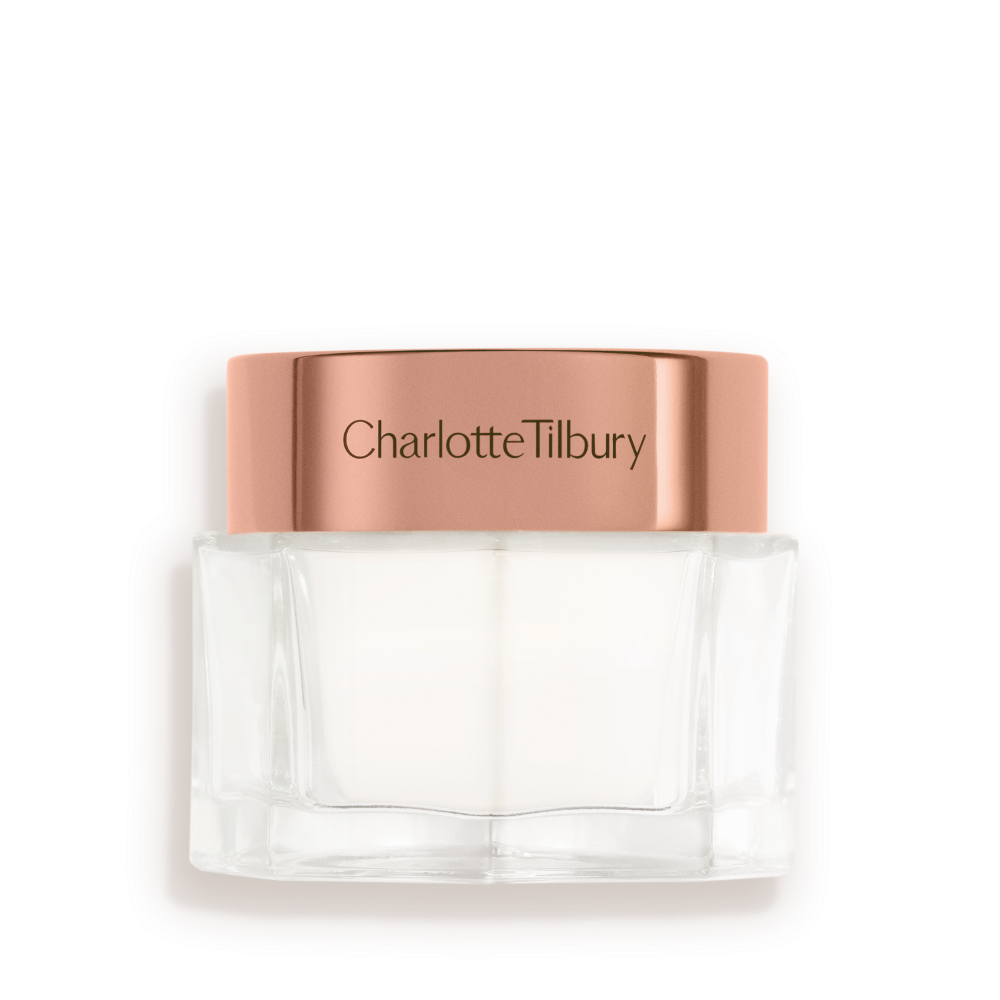
It is central to everything we do. My approach has always started with observing the face, understanding how light moves across it, and finding ways to enhance its structure and character. Charlotte’s Magic Cream began as a preparation product I mixed backstage for tired-looking skin before fashion shows and shoots. It became one of the foundations of the brand because it answered a real need I encountered repeatedly in my work. That same principle guides product development today. We look at what people need from a product, how it behaves on the skin, how it can be applied, and whether it gives the result in a straightforward way.
Your language around beauty often centres on confidence. What does confidence mean to you in practical terms?
Confidence is deeply personal, and makeup cannot define it for someone else. What it can do is help a person feel more comfortable, polished, expressive, or ready for a particular moment. For me, beauty is about giving people choices. Someone may want a softly enhanced everyday look, while someone else may want a dramatic eye or a strong red lip. Neither approach is more valid. The role of the brand is to offer tools that help people access the version of themselves they want to present. That is why I have always focused on clear routines and products that can make the process feel empowering rather than complicated.
Charlotte Tilbury Beauty has a very recognisable visual identity, from its rose gold packaging to its cinematic campaign world. How did you establish that aesthetic?
I have always believed that the experience of beauty begins before a product is applied. Packaging, colour, texture, photography, and the environment around a product all contribute to how people feel. My visual references come from many places, including old Hollywood glamour, fashion imagery, the intimacy of a dressing table, and the transformation that happens backstage before a show or event. The aim is to create a world that feels refined and aspirational, but still inviting. The products need to be beautiful to look at, while remaining functional and easy to use. The visual language is there to support the artistry, not distract from it.

Pillow Talk became one of the brand’s defining shades and later developed into a wider collection. What made that original colour so resonant?
Pillow Talk began with a very specific makeup artist’s idea: a soft, flattering lip tone that could define the lips while still feeling natural. It was designed to work with the individual rather than overpowering the face. Its appeal came from the way it could be used as part of a complete look or worn on its own. As people responded to it, the idea expanded into other products and variations. What I found exciting was that the colour became a starting point for personal interpretation. People made it their own, and that is always the most interesting thing about makeup.
Many of your products are organised into named looks and routines. Why is that structure so important?
When I was working with clients, I often created complete looks rather than thinking about products in isolation. A person might want a polished daytime face, a softly sculpted look, or something more dramatic for evening. Naming those looks helps communicate the order, purpose, and mood of the products. It also reduces the pressure of having to make every decision from scratch. Beauty should leave room for experimentation, but guidance can make experimentation much more enjoyable. The routines are not rules. They are a way of showing how products can work together, giving people a clear place to begin and the freedom to adapt the result.
How do you balance the consistency of a founder-led brand with the need to keep evolving?
A founder-led brand has to protect its point of view, but it cannot stand still. The non-negotiables for me are the quality of the artistry, the emotional connection, and the belief that beauty should help people feel confident. Within that framework, there is enormous room to evolve. We continue to explore new textures, technologies, formats, shades, and ways of helping people discover products. I stay closely involved across the creative and product process because the brand is built on a very specific vision. At the same time, growth depends on listening carefully to customers and recognising how their needs and habits are changing.
The business has grown from a British makeup artist’s range into an international beauty company. What has been most important in carrying the brand across different markets?
The starting point has been to understand that beauty is experienced differently around the world. Skin tones, routines, cultural references, application habits, and ideas of glamour are not identical from one market to another. The brand needs to remain recognisable, but it also needs to feel relevant and welcoming wherever it appears. Education is especially important. A product is more useful when people understand what it does and how to apply it. Our teams, artists, stores, digital platforms, and consultations all help create that connection. International growth is not simply about placing products in more countries. It is about building trust with new communities.

Digital tools and online consultations have become an important part of how people discover beauty. What role should technology play in the experience?
Technology should make beauty feel more personal and more accessible. It can help people explore products, understand routines, compare shades, and receive guidance when they cannot visit a store. Our digital experiences are designed to bring some of the support of a professional consultation into the home. But technology should serve the human experience rather than replace it. Makeup is tactile and emotional. People want to see texture, learn technique, and feel understood. The most useful digital tools combine convenience with education and allow someone to make a more informed choice.
After so many years in the industry, what continues to excite you about creating beauty products?
I am still excited by the transformation that can happen through a small adjustment: a different lip colour, a more lifted-looking eye, a glow in the right place, or a skincare step that helps makeup sit beautifully. I am also excited by the challenge of making professional results feel simple. There is always more to learn about formulation, technology, colour, and the way people use products in real life. The beauty industry continues to change, but the fundamental relationship remains the same. People want to feel good, express themselves, and have the freedom to create their own version of beauty.