Profile
David and Sybil Yurman: A Life in Art, Made Wearable
Hannah R. Harris / Nov 20, 2025

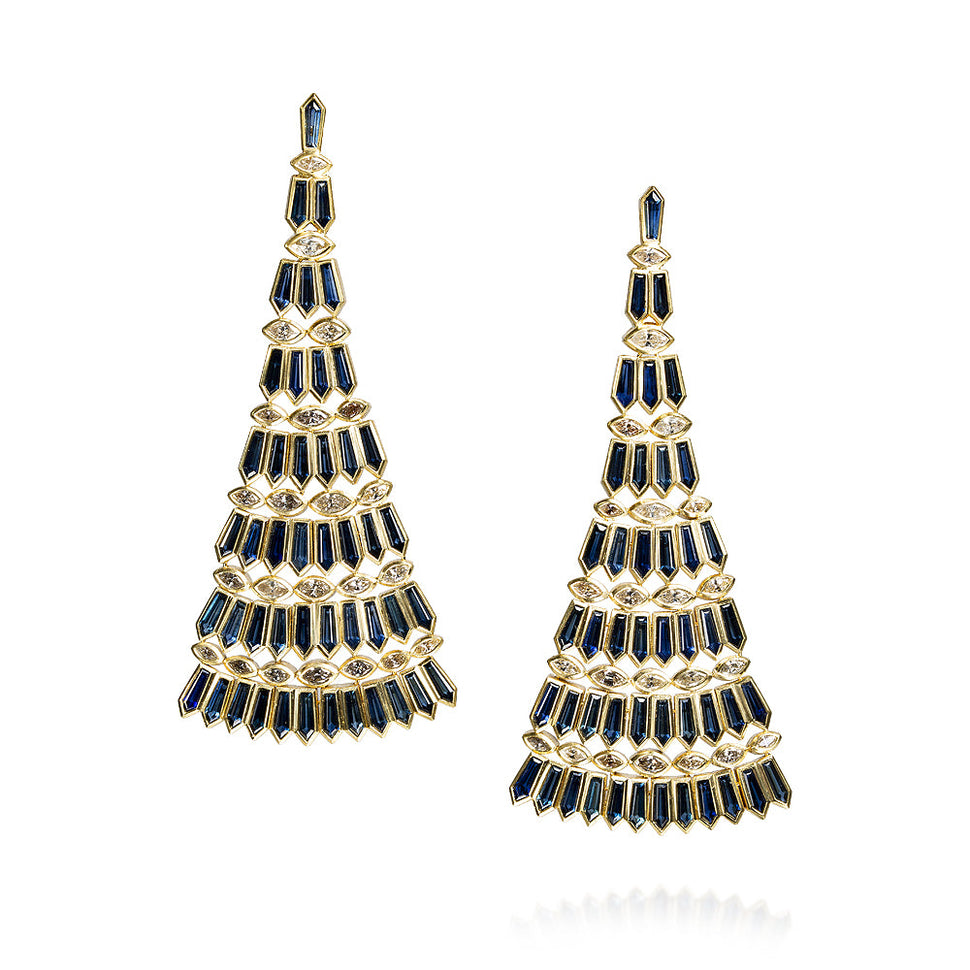
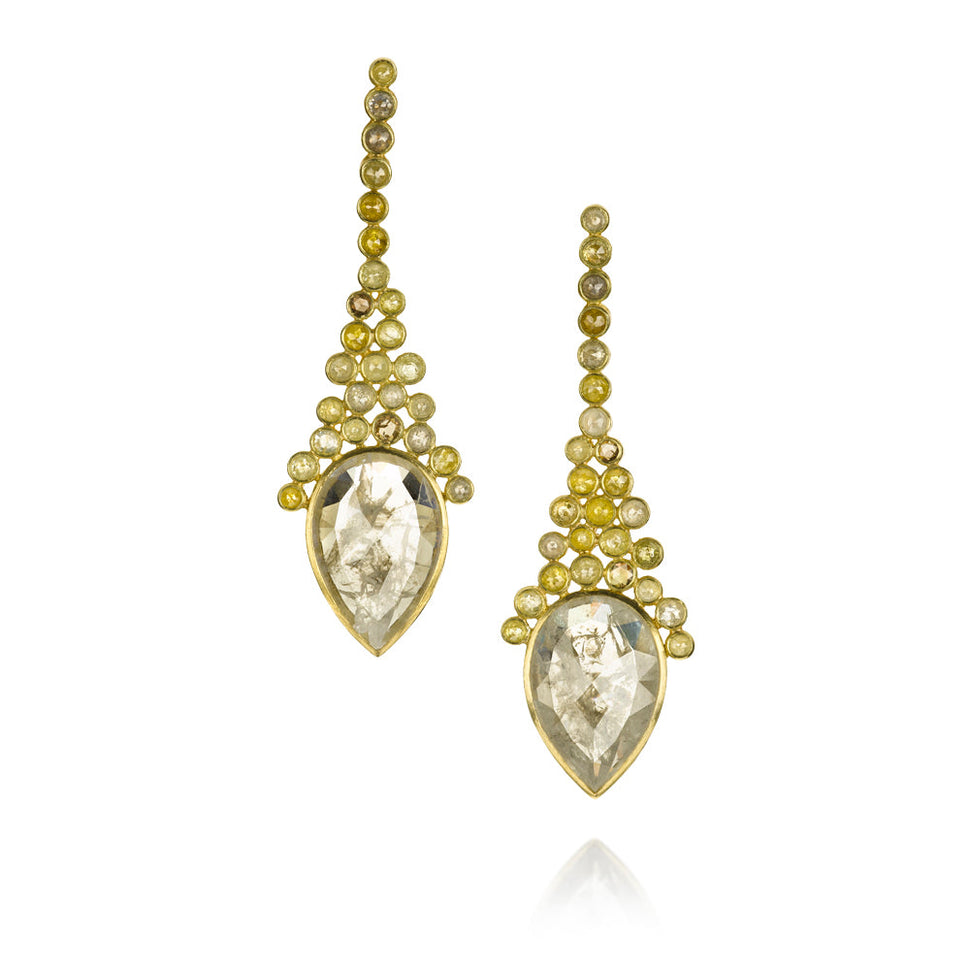
In Boulder, Colorado, Todd Reed has built a namesake jewelry practice around raw materials, rigorous handwork, and a more expansive idea of what luxury can be.
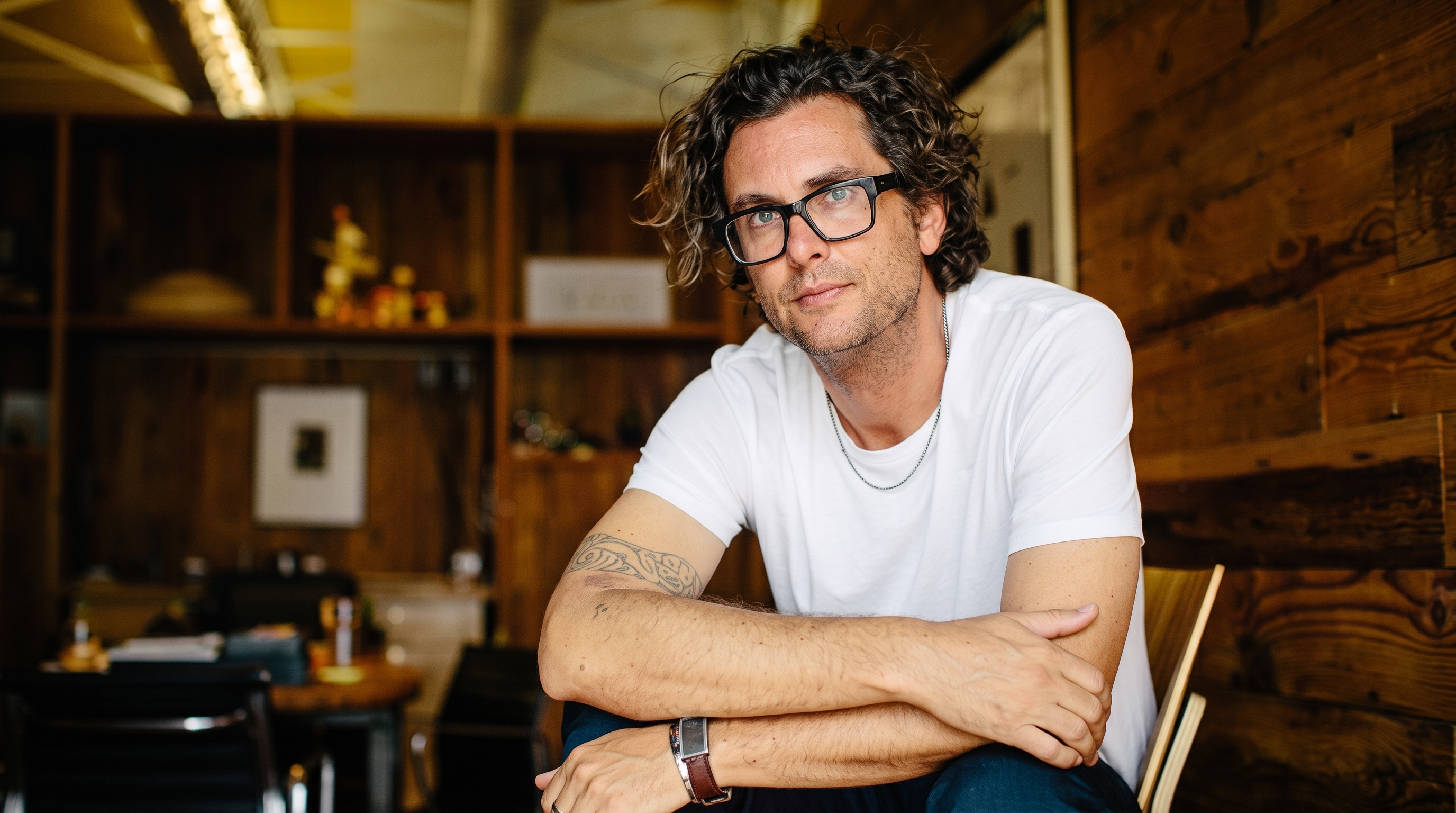
Todd Reed came to jewelry through leatherwork, making a silver concho as a leathersmith's assistant before teaching himself silversmithing, gold work, and gemstones. Working from Boulder, Colorado since 1992, he became an early advocate for rough, uncut diamonds and recycled metals at a time when neither was widely accepted in fine jewelry. Every piece leaving his studio is made by hand, poured and hammered by a single jeweler.
Your path into jewelry began through leatherwork. What did that first encounter with metalsmithing reveal to you?
I was working as a leathersmith assistant when I was asked to make a silver concho for clothing and bags. I had always enjoyed making things, but that moment gave the work a different kind of physical energy. I became fascinated by the relationship between force, material, and form. Driving steel into silver was immediate and expressive. From there, I began teaching myself more about silversmithing, then gold work, and eventually gemstones. Jewelry offered a way to combine sculpture, craft, and intimacy. It was something made by hand that could live directly on the body and become part of a person's story.
You began working with rough diamonds in the early 1990s, when the material was not widely accepted in fine jewelry. What did you see in them?
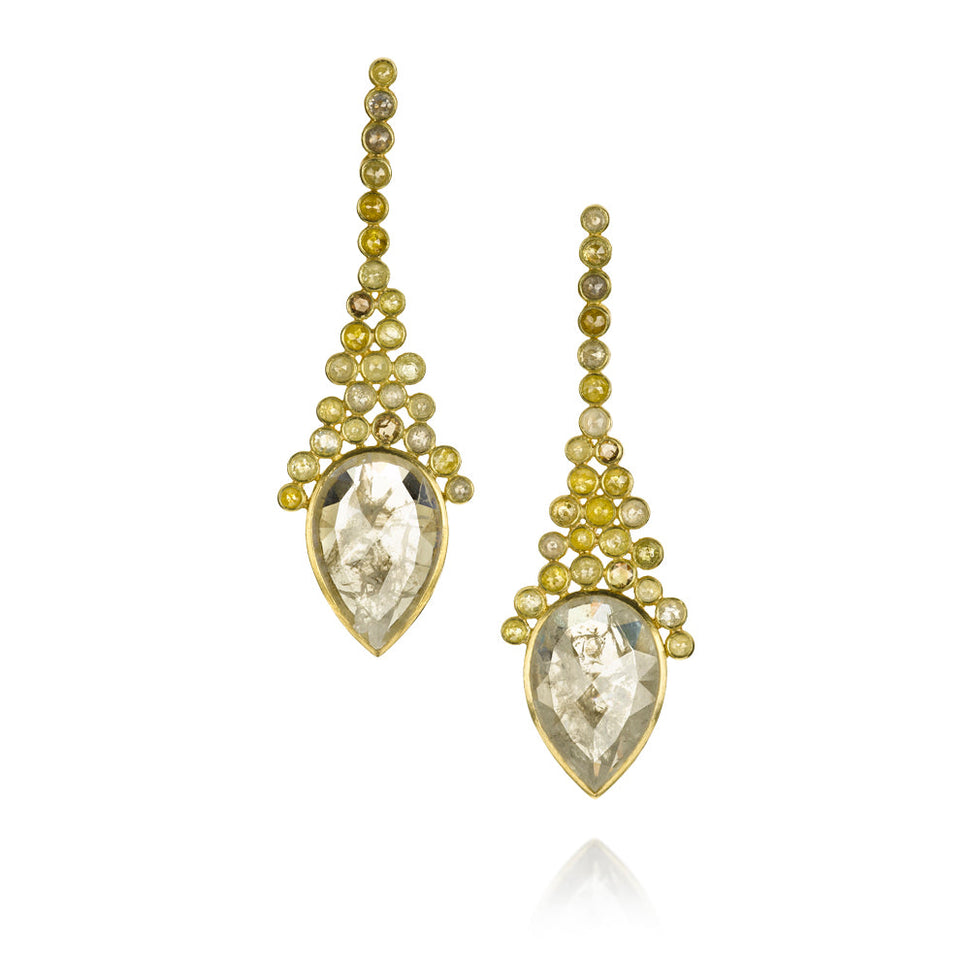
I saw a natural character that was often removed in the pursuit of conventional perfection. Rough diamonds have their own shape, surface, and sense of growth. They are not neutral materials. They arrive with a history and an irregularity that can guide the design. Rather than cutting them into a standardized form and building around that, I wanted to respond to what was already there. The stone could determine the architecture of the piece. That approach became central to my work because it allowed the jewelry to feel elemental and individual. The diamonds were not simply precious materials. They became collaborators in the design.
How would you describe the visual language that developed from that approach?
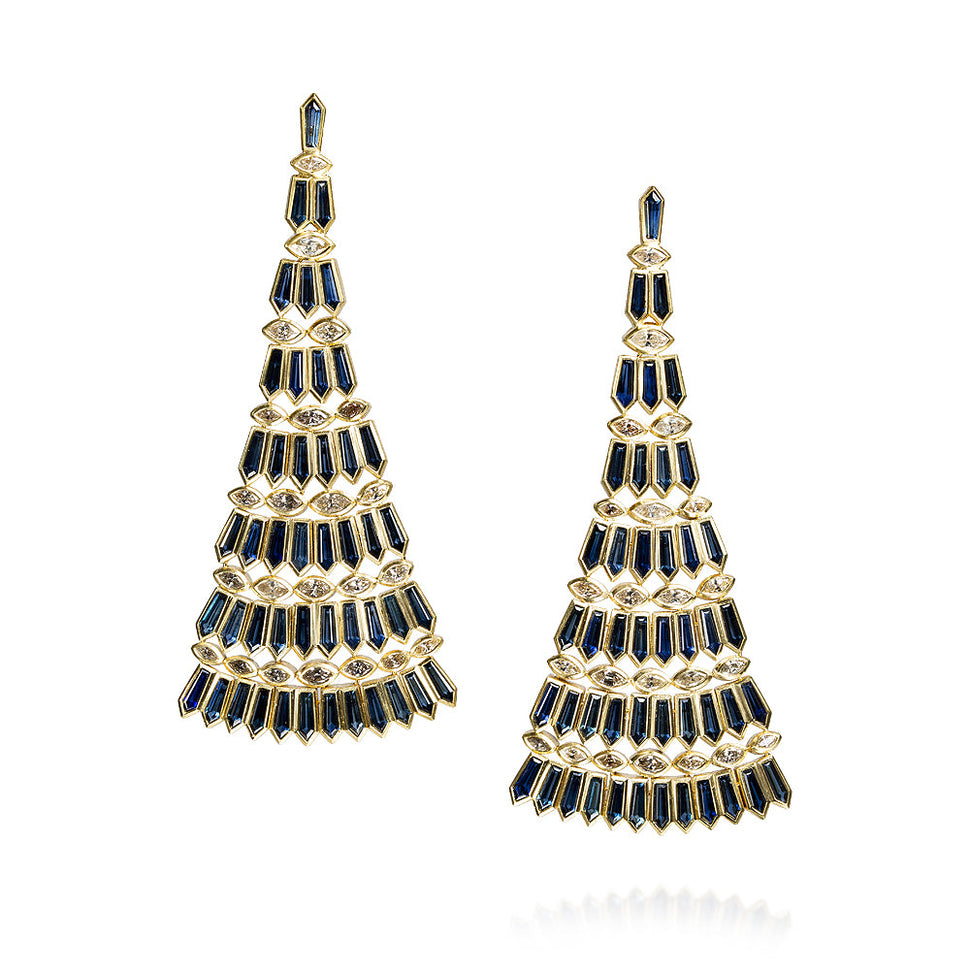
The work is rooted in contrast. I am interested in the meeting of rough and refined, strength and tenderness, structure and movement. A raw diamond can sit beside a carefully finished surface, or a heavy metal form can be shaped to feel unexpectedly intimate when worn. I do not want the material to lose its history in the process of becoming jewelry. The marks of forging, the natural surface of a stone, and the evidence of the hand all matter. They give each object a presence that cannot be duplicated exactly. For me, beauty is often found in the tension between control and discovery.
Sustainability has been part of the brand since 1992. How does that principle influence the work beyond the choice of materials?
It begins with asking how little we need to take from the Earth and how much can be thoughtfully reused. We work with recycled metals and, whenever possible, stones that have already entered the market. Our gold is sourced as recycled material, and we have developed an in-house process for turning scrap into clean, usable metal. We also give clients the opportunity to bring older jewelry, stones, or metal into a new design. That can extend the life of the material while carrying meaning forward. Sustainability is not separate from the aesthetic. It is part of how we understand value, responsibility, and the life of an object.
Every piece is made in your Boulder studio. What does that setting make possible?
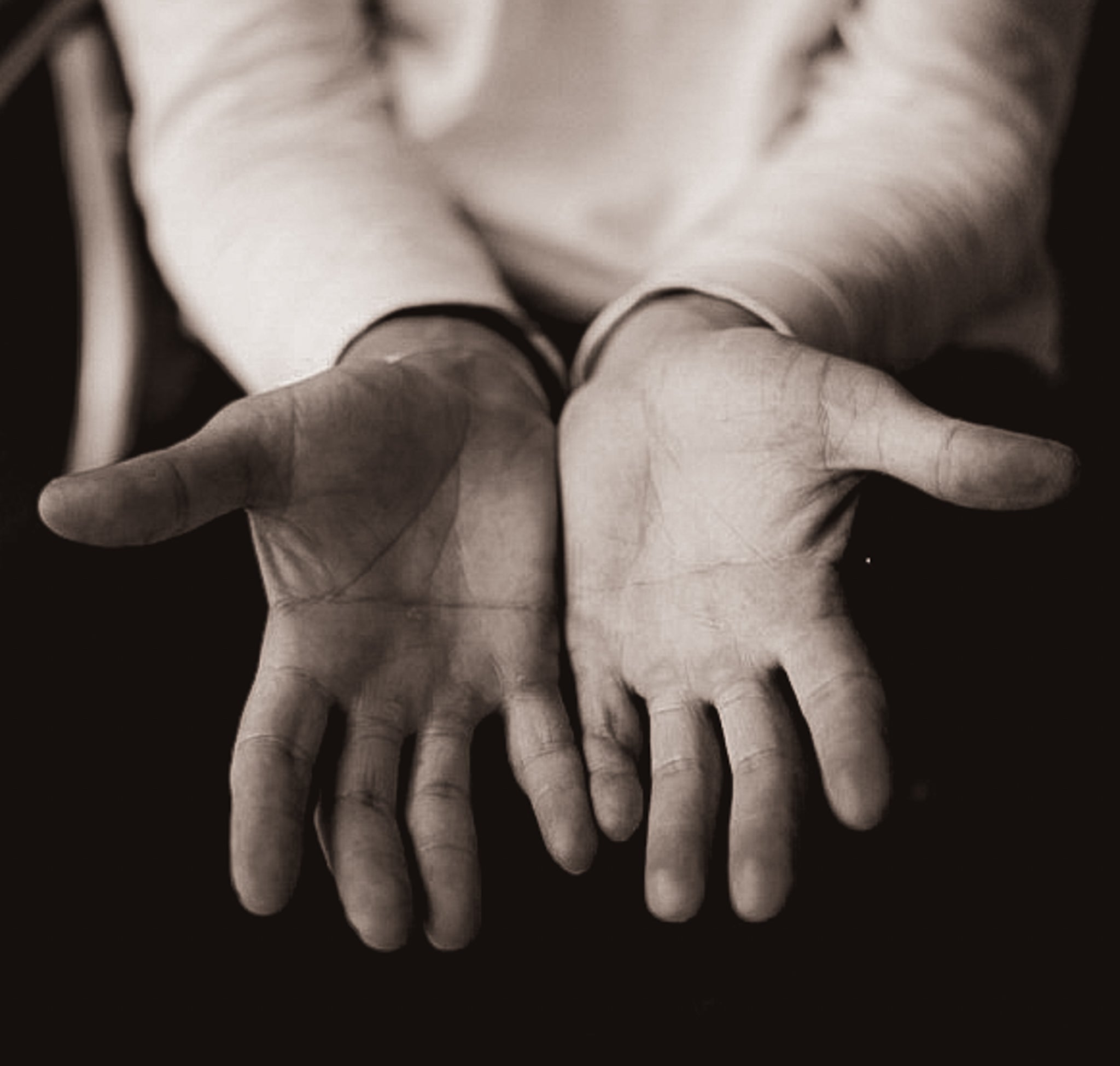
The studio keeps design and making in close conversation. I design the pieces, and each one is made by a singular jeweler who brings a particular skill and sensitivity to the process. Gold is poured by hand, and hammers and anvils create the shapes and angles. That physical sequence matters because the finished object retains the decisions made along the way. Working in Boulder also keeps the practice connected to the landscape that has long informed it. Nature is not a visual reference that gets applied afterward. It is part of the rhythm of the work, the way we notice texture, irregularity, scale, and change.
You have described the people in your studio as artisan collaborators. How does collaboration function within a practice that carries your name?
The name represents the design vision, but the work is made through the hands and judgment of many people. A piece depends on the jeweler who understands the material, the person who notices a structural problem, and the team members who help carry an object through its different stages. I have worked with a strong group of artists, sales associates, and office colleagues over many years, and their contribution is part of the identity of the brand. Collaboration does not dilute authorship. It gives the work depth. The responsibility is to maintain a clear creative standard while allowing the people making the pieces to bring their own knowledge and care.
Your work often challenges traditional definitions of luxury. What does luxury mean to you now?
Luxury can be ease and simplicity rather than distance or exclusivity. It can be the quality of an experience, the feeling of being connected to another person, or the pleasure of living with something made carefully. I am interested in objects that become more personal over time instead of being consumed quickly and replaced. A piece of jewelry can hold memory, accompany a life, and eventually be passed to someone else. That kind of longevity changes the meaning of value. Craftsmanship, intention, and emotional connection are forms of luxury that do not depend on convention. They are felt through use and relationship.
Your custom process begins with listening and sketching. What are you trying to understand before you begin making?
I want to understand what the person is trying to express, whether that is a feeling, a relationship, a personal history, or simply a particular way they want the piece to exist on the body. The first consultation is about listening and asking questions. From there, I make sketches that help identify a direction. The process continues through discussion and revision, so the object develops with the client rather than being imposed on them. Custom work is fulfilling because it creates a direct relationship between the person, the material, and the finished piece. The result should feel specific to that individual, not like a variation of something made for someone else.
You have worked in jewelry since 1992 and have seen the industry change considerably. Which changes have mattered most to you?
The industry's wider adoption of ethical sourcing and recycled materials has been important. When I began working with those ideas, they were not central to the conversation in the way they are now. The internet also changed how designers connect with buyers, stores, and one another. It opened opportunities and made the industry more accessible, while also creating new questions around originality and derivative design. Social media has made it possible for work to reach people immediately, and independent designers can build audiences in ways that were previously difficult. The landscape is more connected and more complicated. What matters is remaining clear about the work and the standards behind it.
What do you hope happens to a Todd Reed piece after it leaves the studio?
I hope it becomes part of someone's life rather than remaining an object that is only admired from a distance. Jewelry changes through wear. Metal develops a patina, surfaces acquire marks, and the piece begins to reflect the person who wears it. That is not a failure of the object. It is part of its history. I design pieces to be collected, inherited, and enjoyed for generations, so their life should continue beyond the moment of purchase. A piece can carry the intention of the artist, the skill of the studio, and the experiences of its wearer. That continuity is what gives the work its deepest meaning.