Profile
Rachel Scott on Craft, Context, and the Expansive Language of Diotima
Hannah R. Harris / Aug 8, 2026

For Thom Browne, the most familiar forms of American dress are starting points for a larger conversation about proportion, identity, craft, and the freedom to see clothing differently.
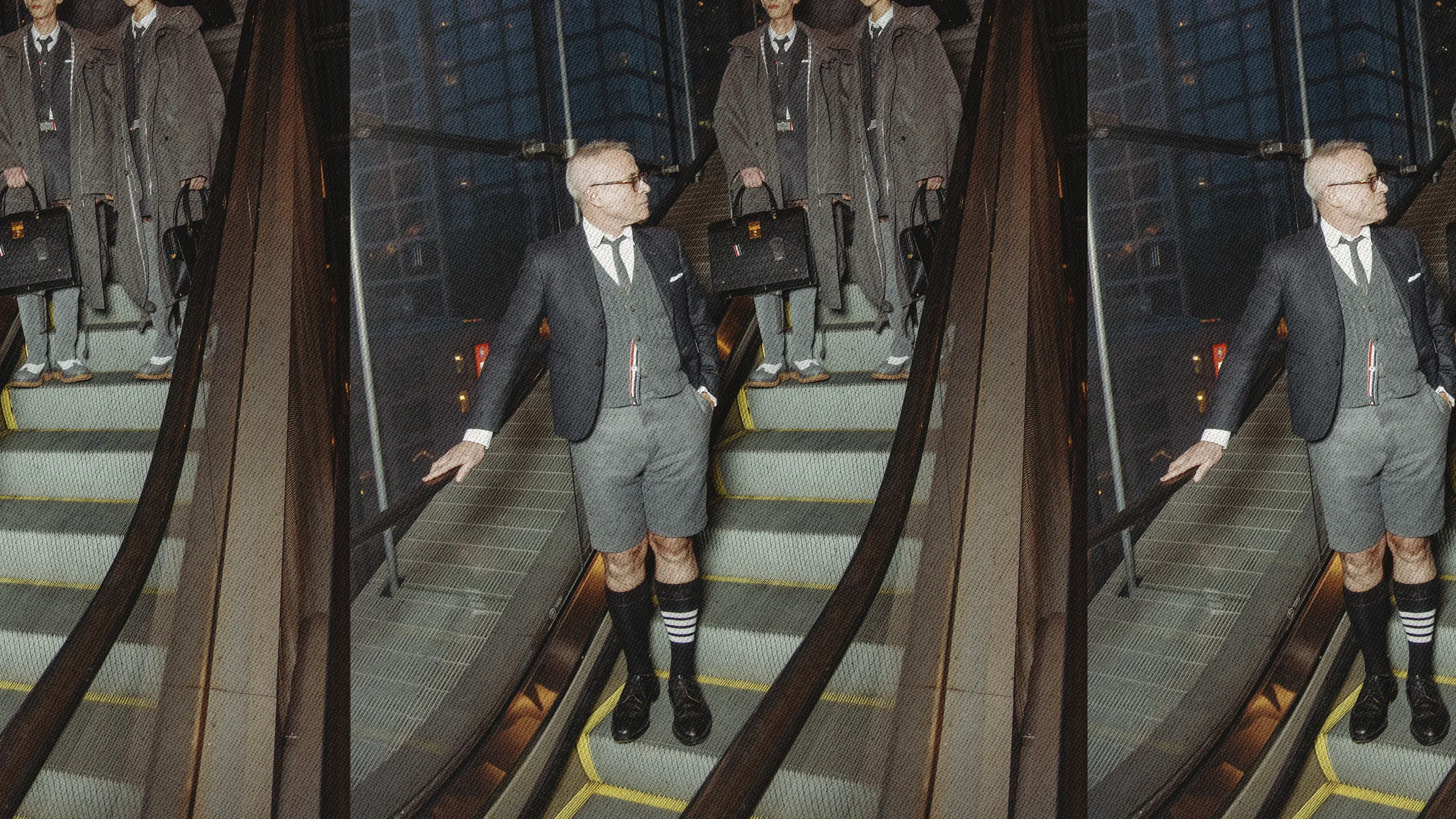
For Thom Browne, the most familiar forms of American dress are starting points for a larger conversation about proportion, identity, craft, and the freedom to see clothing differently.
Your work has made the uniform one of fashion’s most recognisable ideas. What does a uniform mean to you?
A uniform creates a clear framework, but it does not erase the individual. I like the idea that people can begin with the same basic pieces and still reveal themselves through the way they wear them. The clothes become a setting for the person rather than the entire subject. That is important to me. When the design is controlled, proportioned, and consistent, small differences become more visible. A gesture, a way of moving, or the choice to wear one element differently can have real impact. The uniform is not about limiting personality. It gives personality somewhere to appear.
The grey suit has become closely associated with your name. Why was grey such an important colour and starting point?
Grey felt honest and distinctly American to me. It suggested the traditional business suit, the clothes worn in offices and in everyday professional life, but it also had a quietness that allowed the shape to become the focus. I was interested in taking something familiar and making people look at it again. The first grey suits were not designed to be loud. Their difference came through the proportion, the shortened length, the close fit, and the way the pieces were styled together. Grey gave me a disciplined foundation from which I could explore more unusual ideas.
Your proportions can feel deliberately unfamiliar. What do you hope happens when someone encounters a silhouette that challenges convention?
I want the proportions to make people think. Familiar garments often become invisible because we see them so frequently. Changing the scale or the relationship between the pieces brings attention back to the clothes. A jacket that is shorter, a trouser that sits differently, or a sleeve with an unexpected length can alter the way the body is understood. The intention is not simply to make something strange. It is to create a new perspective on a form that already exists. I believe tailoring can remain precise and respectful while still questioning the rules that surround it.
You began with a small made to measure shop and five suit designs. What did that early period teach you about building a brand?
It taught me the importance of clarity. Starting with only a few suits meant that every decision mattered. There was no large collection to hide behind, so the cut, the fabric, the finishing, and the way the clothes were presented all had to communicate the same idea. I also learned that a strong identity can be built through consistency. The early work was focused, and that focus helped people understand what was different about it. Growth came later, but the original discipline remained important. The brand developed by expanding the world around those first ideas rather than abandoning them.
Your collections often begin with classic American references. What keeps you returning to them?
American clothing has a directness that I find very appealing. It can be practical, recognisable, and connected to real life, but it also carries many layers of history. I am interested in the language of prep, office dressing, sportswear, and traditional tailoring because those references are immediately understandable. Once the foundation is familiar, it becomes possible to shift the proportions, the materials, or the context. The tension between what people expect and what they see is where much of the energy comes from. I do not want to reject tradition. I want to keep finding new ways to interpret it.
How do you balance the discipline of tailoring with the theatrical quality of your runway presentations?
The runway allows me to show the ideas in their most complete form. Tailoring gives the work structure, precision, and a clear relationship to the body. The presentation can then expand that structure through atmosphere, movement, characters, and a sense of narrative. I do not see those elements as separate. The theatrical setting helps people understand that the garments are part of a larger world, while the tailoring keeps the world grounded. Even when the presentation becomes very imaginative, the clothes still need to be made with care and to communicate something through their construction.

Your work can move from restrained suiting to highly conceptual clothing. What connects those two sides?
The connection is the original garment. Even the most elaborate piece usually begins with something familiar, such as a suit, a shirt, a cardigan, or a coat. I like to take that starting point apart and understand what makes it recognisable. Then I can exaggerate it, distort it, or translate it into another material. The conceptual work is strongest when the audience can still sense the garment underneath. That relationship creates a kind of conversation between reality and imagination. The clothes can be playful without losing their discipline, and serious without becoming predictable.
You have designed for both men and women, and the brand has continued into children’s clothing and accessories. How do you preserve a unified identity across different categories?
The identity comes from the way the pieces are considered, not from making every category look identical. Proportion, construction, detail, and the relationship between garments are consistent principles. They can be applied to a tailored jacket, a knitwear piece, an accessory, or a child’s garment in different ways. I also believe that the complete look matters. Individual pieces should have their own strength, but they should belong to a recognisable world when worn together. Expanding the brand means giving the same ideas new forms while maintaining the discipline that made those ideas clear in the first place.
Craft and precision are central to the brand. What does quality mean in your design process?
Quality begins with attention. It is in the choice of fabric, the balance of a pattern, the construction of a sleeve, and the finishing that may not be immediately visible. A garment should feel considered from the inside as well as the outside. Precision is also what allows an unusual proportion to work. If the cut is not exact, the idea becomes unclear. I am interested in clothes that reward close looking. The more time someone spends with a piece, the more details should become apparent. Craft is not decoration added at the end. It is part of the meaning of the garment.
What do you hope people understand about Thom Browne beyond the most recognisable elements of the brand?
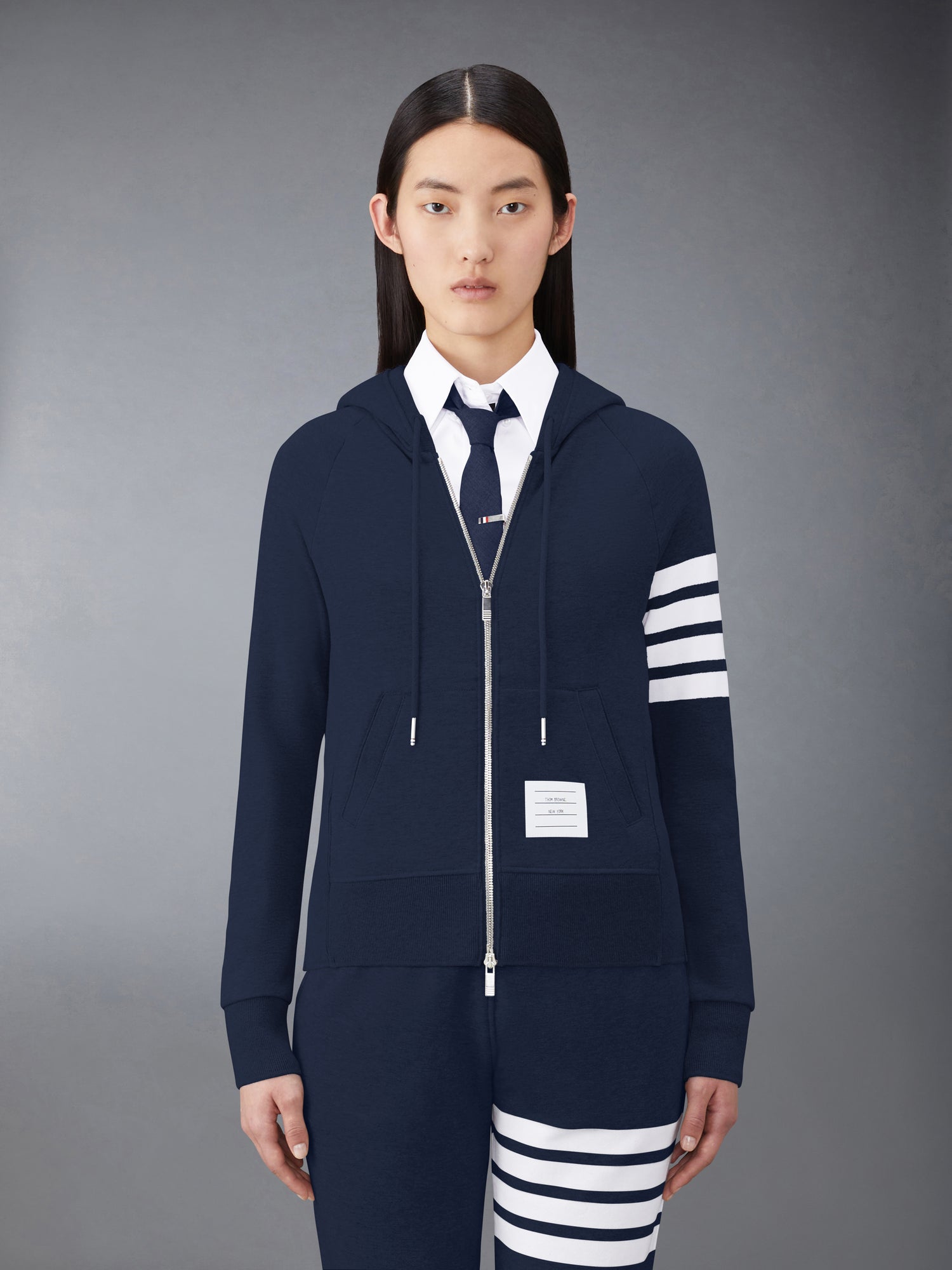
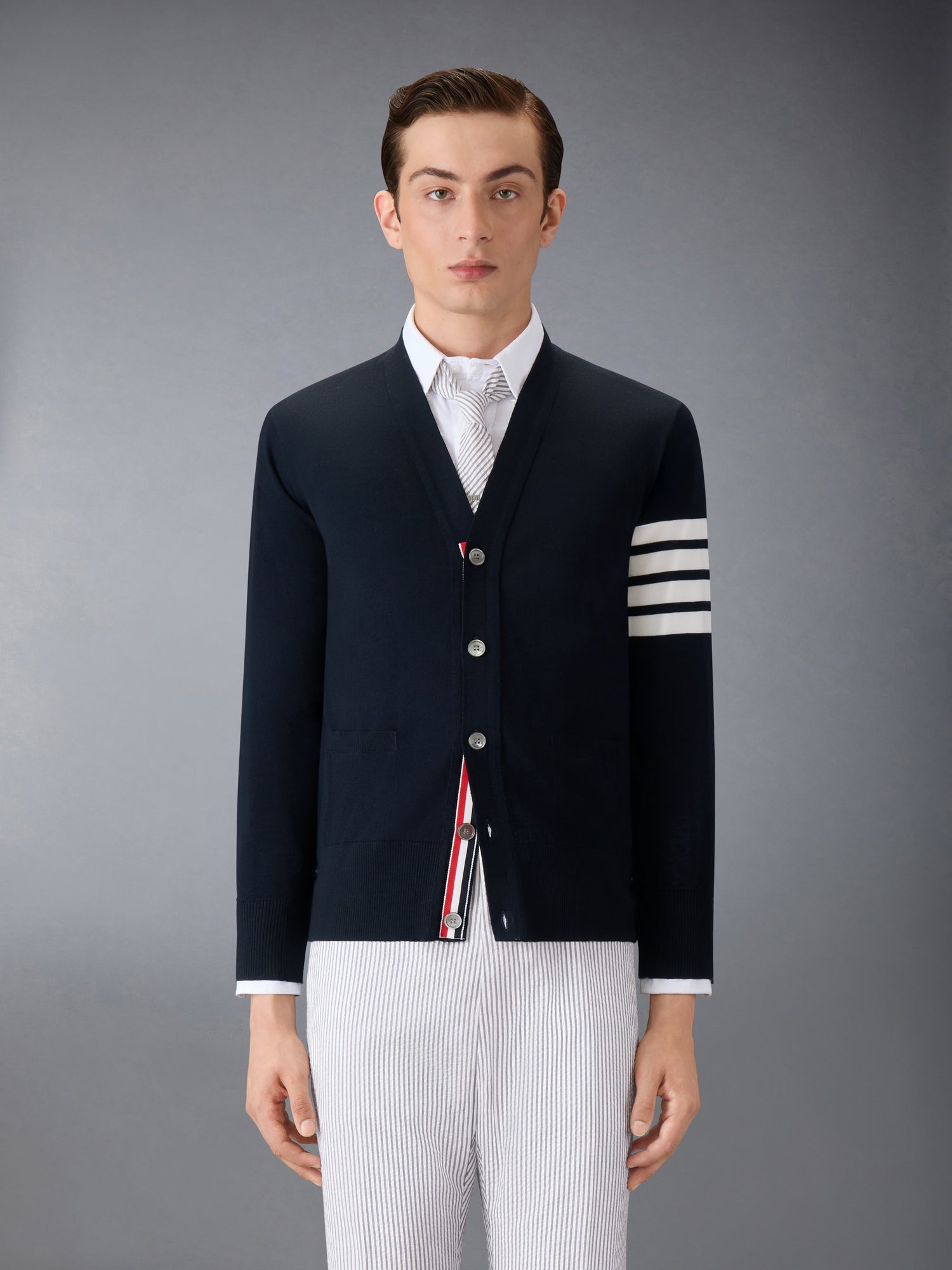
I hope they understand that the recognisable elements are only the beginning. The grey suit, the tailored shirt, the cardigan, and the stripe are part of a larger interest in identity and perception. I want the work to feel familiar enough to enter the conversation, but different enough to keep that conversation open. The clothes are precise, yet they are also meant to encourage curiosity. Whether someone wears a complete look or one small piece, there should be a sense that the garment has its own point of view. That is what keeps the design alive for me.