Profile
Rachel Scott on Craft, Context, and the Expansive Language of Diotima
Hannah R. Harris / Aug 8, 2026

For Saul Nash, clothing begins with the body, using technical construction, dance, and the lived language of sportswear to create a more fluid approach to menswear.
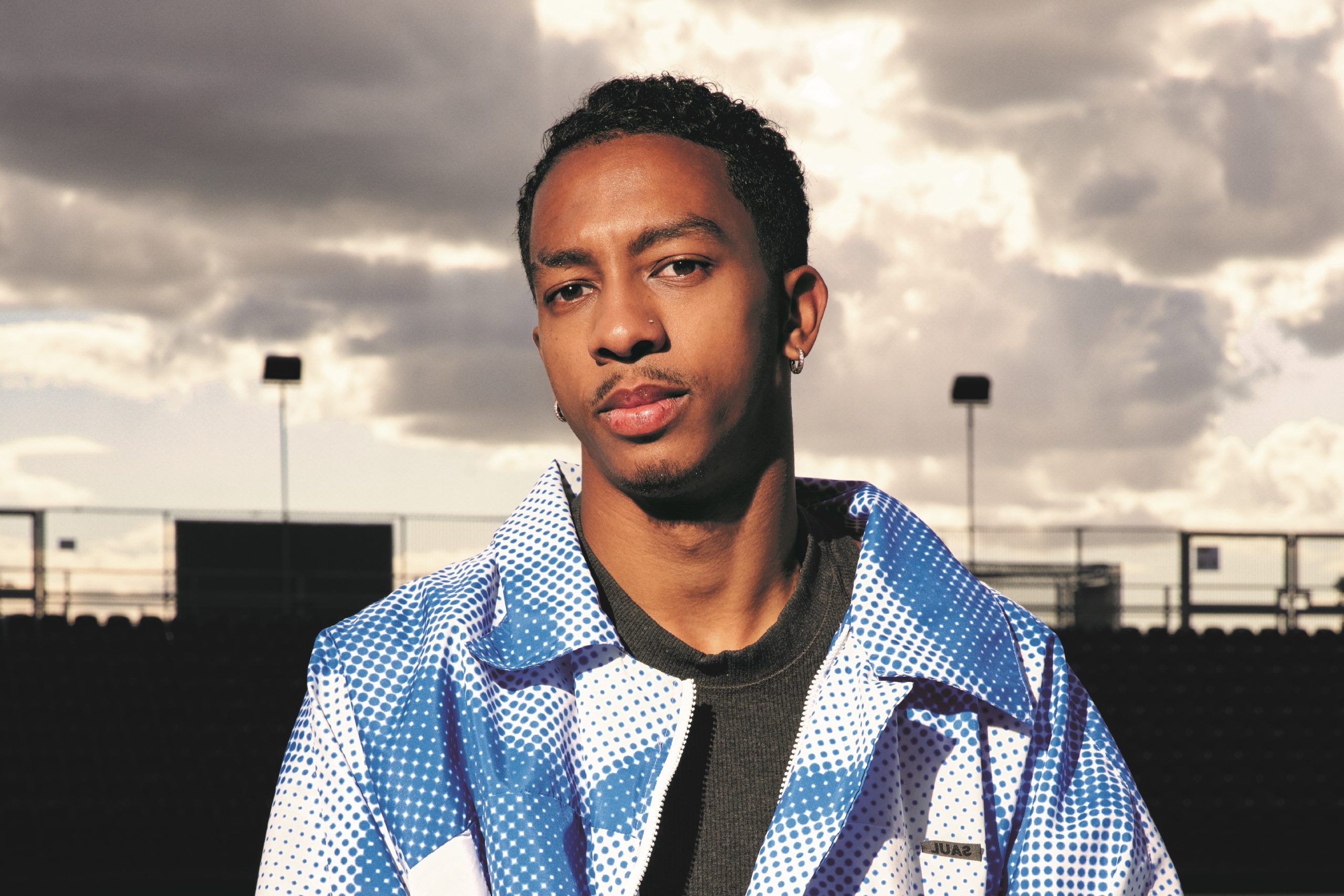
For Saul Nash, clothing begins with the body, using technical construction, dance, and the lived language of sportswear to create a more fluid approach to menswear.
Your work moves between fashion and dance. When did movement become the starting point for design?
Movement has always been part of how I understand clothing. I have been interested in what clothes do when a person is walking, dancing, changing direction, or simply inhabiting space. My background in dance gave me an awareness of the body, but design gave me a way to investigate that awareness through cut, fabrication, and construction. Over time, movement became more than a reference or an influence. It became a design logic. I want the garment to respond to the person wearing it, rather than asking the body to remain still in order for the clothing to work.
How did your education shape the language of the brand?
Central Saint Martins gave me the freedom to think through performance, storytelling, and world building. It encouraged me to approach a project from different directions and to understand that a collection could communicate through more than the clothes alone. At the Royal College of Art, I was able to focus that thinking through menswear, craftsmanship, and function. My work became more technically grounded there. I began to understand how performance could be translated into garments that had a practical relationship with the body. The two experiences helped me connect the conceptual and the functional.
What did your experience as a dancer teach you that conventional fashion training could not?
Dance taught me to notice the body from the inside. It made me conscious of pressure, balance, reach, breath, and the way a garment can either support or restrict those things. As a dancer, you also learn through repetition. You test an idea physically, recognise where it fails, and keep refining it. That process has stayed with me as a designer. I am interested in garments that can accommodate action and transition. Features such as ventilation zones, adaptable openings, and quick-release details come from thinking about what someone might need while moving, rather than designing only from a static image.
Sportswear is central to the brand, but your work does not treat it as a fixed category. What interests you about it?
Sportswear carries a strong relationship to everyday life. It is connected to comfort, function, identity, and the way people move through cities. I am interested in its possibilities, but also in the assumptions that have accumulated around it, particularly assumptions about masculinity and how men are expected to dress. I want to question those boundaries through the clothes without losing their practical purpose. The work can be technical and expressive at the same time. It can be relaxed, precise, sensual, or formal. For me, sportswear is not one look. It is a set of tools that can be reworked.
How do personal history and community enter the design process?
I often begin with people, identity, and the environments that have shaped me. The men I grew up around, the clothes they wore, and the ways they used sportswear all remain part of my visual language. My London experience is important, but I do not see those references as isolated or private. Clothing carries stories across communities. That is why the work often includes dancers, musicians, friends, and collaborators. They are not simply presenting the clothes. Their presence helps establish the world around them and brings a lived quality to the work. The collection develops through that exchange between personal memory and shared experience.

Your presentations frequently include performance. What can performance express that a conventional runway cannot?
Performance allows the clothes to be understood through action. A runway can show proportion, finish, and styling, but movement reveals how the garment behaves. It shows the relationship between the clothing and the person wearing it. I also see performance as a way to build a fuller narrative around a collection. The cast, the sound, the gestures, and the interactions can all communicate something about the world the clothes belong to. I am interested in presentations that feel connected to real cultural experiences rather than separated from them. Dance gives the work another kind of visibility and another way for an audience to feel it.

Your work has explored masculinity, identity, and the ways clothing can protect or transform the wearer. What role can fashion play in those conversations?
Clothing can give people a way to negotiate how they are seen. It can create confidence, offer protection, or allow someone to present a different side of themselves. Menswear has often been shaped by narrow ideas of what is acceptable, strong, or desirable. I am interested in making space around those ideas. That does not mean prescribing a new way to dress. It means allowing the wearer to have more agency. A garment can be functional while still being emotionally or visually open. It can help someone move through the world with a different relationship to their own identity.
Technical clothing can sometimes feel anonymous or purely utilitarian. How do you preserve character and emotion within a functional garment?
Function is only one part of the design. I am interested in the tension between what a garment needs to do and how it makes someone feel. Construction, fabrication, proportion, and styling all contribute to that feeling. A technical detail can be very direct, but it can also change the silhouette or create a sense of transformation. I try to make those elements visible without letting them become decoration for its own sake. The garment should have a reason for being constructed in a particular way, but that reason can still produce something elegant, sensual, or unexpected.
You have worked with materials beyond the expected vocabulary of activewear. How do material decisions affect the direction of the brand?
Materials determine how an idea can exist on the body. They affect weight, stretch, breathability, durability, and the way a garment moves. At the same time, they can shift the meaning of a familiar category. My work has developed through looking at technical fabrics, organic cotton, recycled material developments, and wool in relation to activewear. I am interested in finding the right balance between performance and refinement. The material should support the movement of the garment, but it should also help create a more expansive idea of what sportswear can be and where it can belong.
After establishing the brand in 2018, what has remained constant as the work has developed?
The commitment to movement has remained constant, even though its expression changes from season to season. Sometimes movement is the direct subject. At other times, it appears through a broader story about music, nightlife, sport, community, or the way people dress for a particular environment. I do not want the brand to repeat one visual formula. The work needs room to develop, but it should still be recognisable through its relationship to the body and its interest in function. That balance between continuity and change is important. It allows the label to grow without losing the reason it began.