Profile
Lukhanyo Mdingi: Designing Through Consideration, Craft and Community
Jessica M. Ellis / Aug 6, 2026

For Diotima founder Rachel Scott, Jamaican craft, sensuality, and a broader understanding of luxury come together in a wardrobe designed between Kingston and New York.
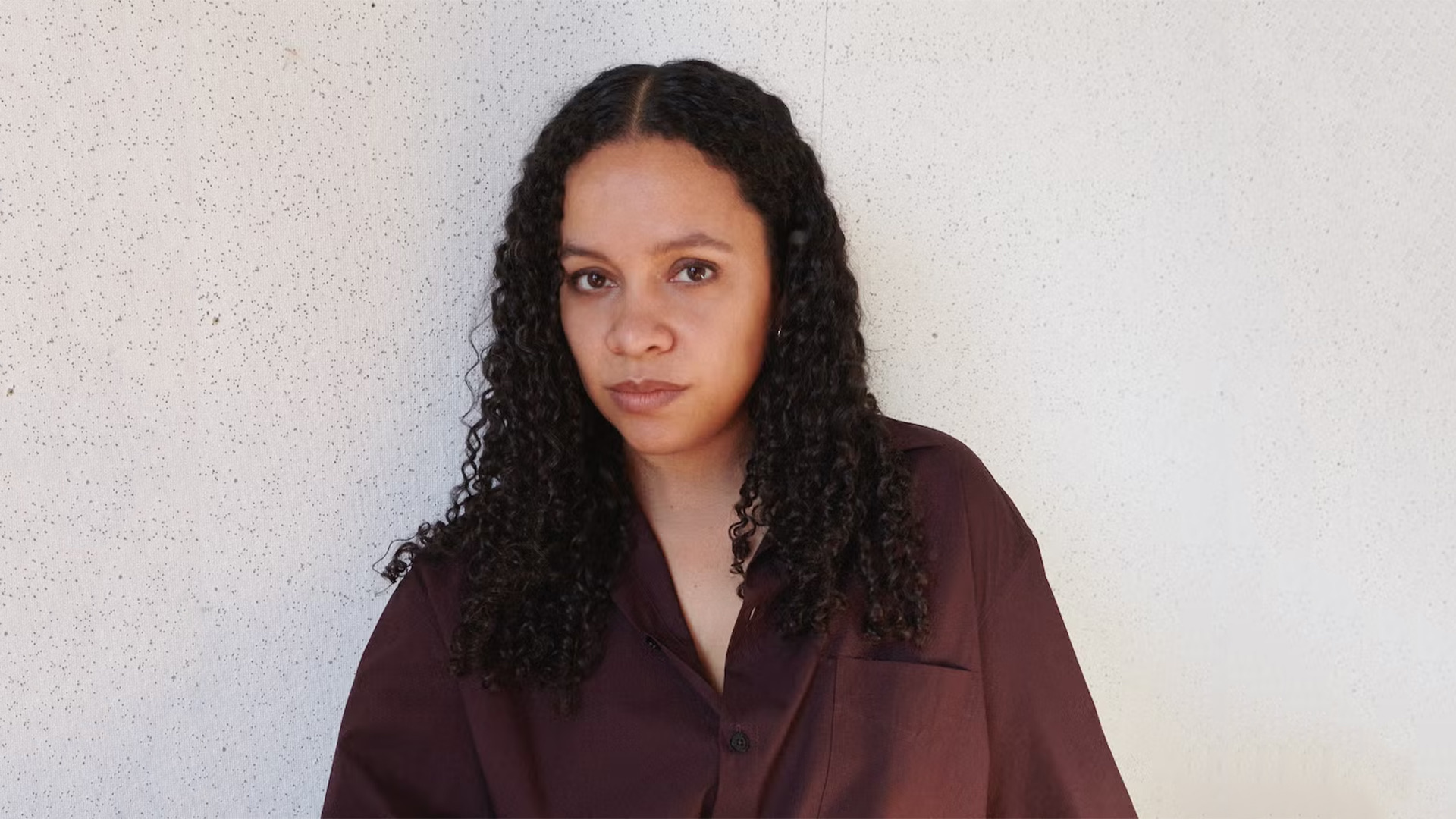
For Diotima founder Rachel Scott, Jamaican craft, sensuality, and a broader understanding of luxury come together in a wardrobe designed between Kingston and New York.
What first drew you toward fashion as a way of thinking and working?
I grew up in Kingston, Jamaica, in a very creative environment. My mother had a clothing boutique and my father made furniture, so I was surrounded by clothing, materials, construction, and people making things with their hands. I also studied fine art, French, and philosophy, which shaped the way I think about fashion as something connected to language, culture, and the body. I have always been interested in the relationship between an idea and the physical object that carries it. Fashion gives me a way to bring those things together through texture, proportion, movement, and the way a person inhabits a garment.
How did your professional experience prepare you to establish Diotima?
Before Diotima, I worked across many parts of the fashion industry in Milan and New York. I was a designer, an executive, and a consultant, and I learned from working at Costume National, J. Mendel, Elizabeth and James, and Rachel Comey. Those experiences gave me a strong understanding of the entire design process, from the first concept through development, production, and the business of bringing a collection into the world. They also clarified what I wanted to do differently. I wanted to build a brand around craft, material knowledge, and a point of view that was connected to Jamaica without being reduced to a single image of the Caribbean.
Why was it important for Diotima to be rooted in Jamaica?
Jamaica is not simply an inspiration that I visit when I need an image or a reference. It is where I am from, and it informs how I understand beauty, sensuality, resourcefulness, and community. I wanted Diotima to create a more nuanced vision of Caribbean style, one that could look forward while remaining grounded in history and lived experience. Working with artisans in Jamaica is central to that. It allows the brand to be connected to people and skills on the island, rather than treating Jamaica as an aesthetic backdrop. The work is designed between Jamaica and New York, and that exchange is part of the identity of Diotima.
Crochet has become closely associated with the brand. What does the technique make possible for you?
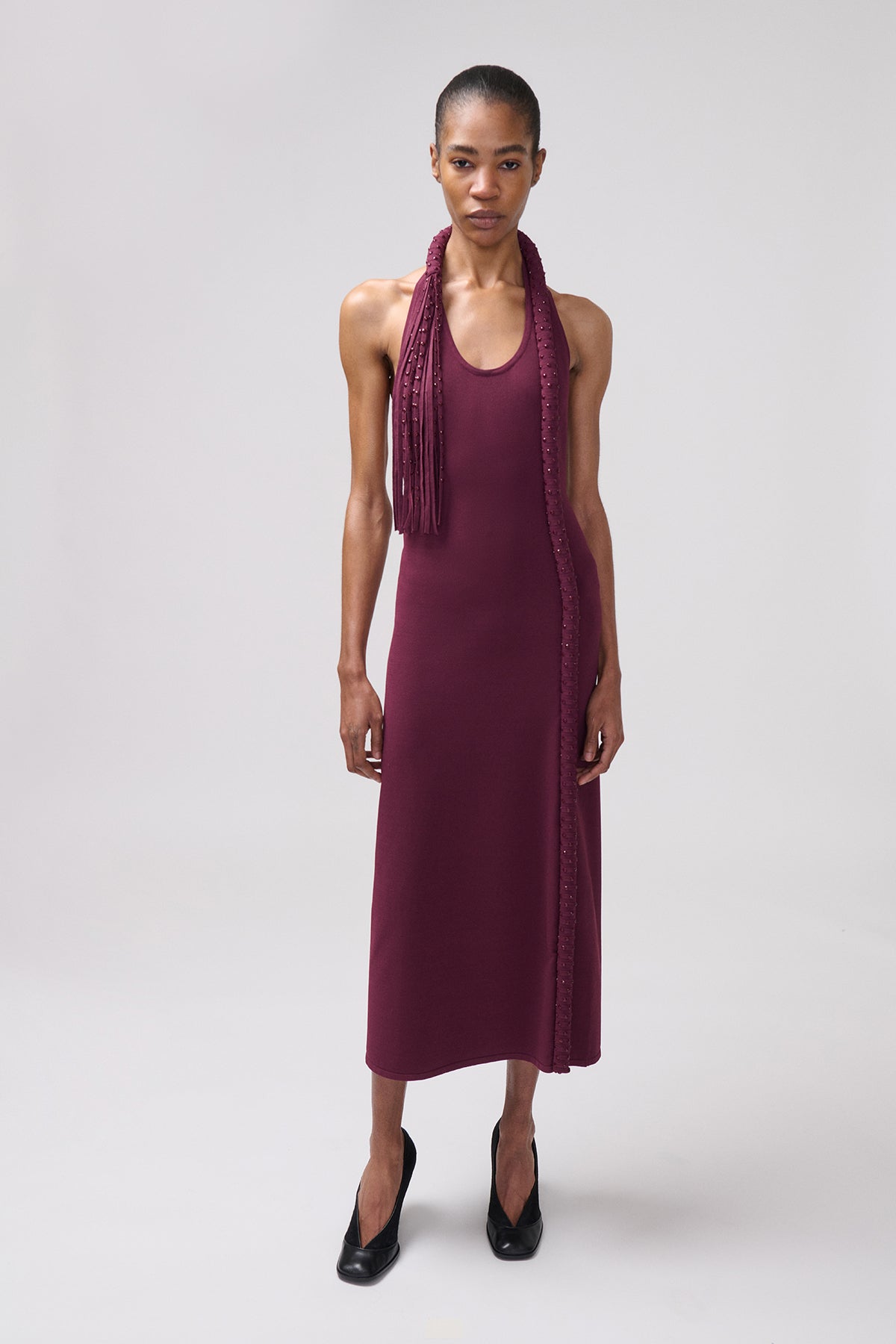
Crochet gives us an extraordinary combination of structure, intimacy, and movement. It can be delicate, open, graphic, or highly sculptural, and it changes completely when it is placed on the body. In Jamaica, crochet is part of domestic and community life, often passed through generations. I learned the technique myself, but the pieces for Diotima are made by artisans in Jamaica whose knowledge and skill are fundamental to the collection. I am interested in taking a familiar craft and allowing it to operate in an unexpected context. It can sit beside tailoring, crystal work, or fine materials and still retain its own character.
How do you approach the relationship between craft and luxury?
I think luxury needs to be understood more expansively. It should not be defined only by European histories or by the name of a particular place where something was made. Luxury can also mean time, knowledge, precision, and the ability to work with a material in a deeply considered way. At Diotima, the hand is present in many forms. Crochet is made in Jamaica, tailoring is produced in New York with fabrics from established mills, and embellishment and threadwork involve other specialist makers. Each process carries its own history. I want the value of those skills to be visible, and I want the people who hold that knowledge to be part of the conversation.
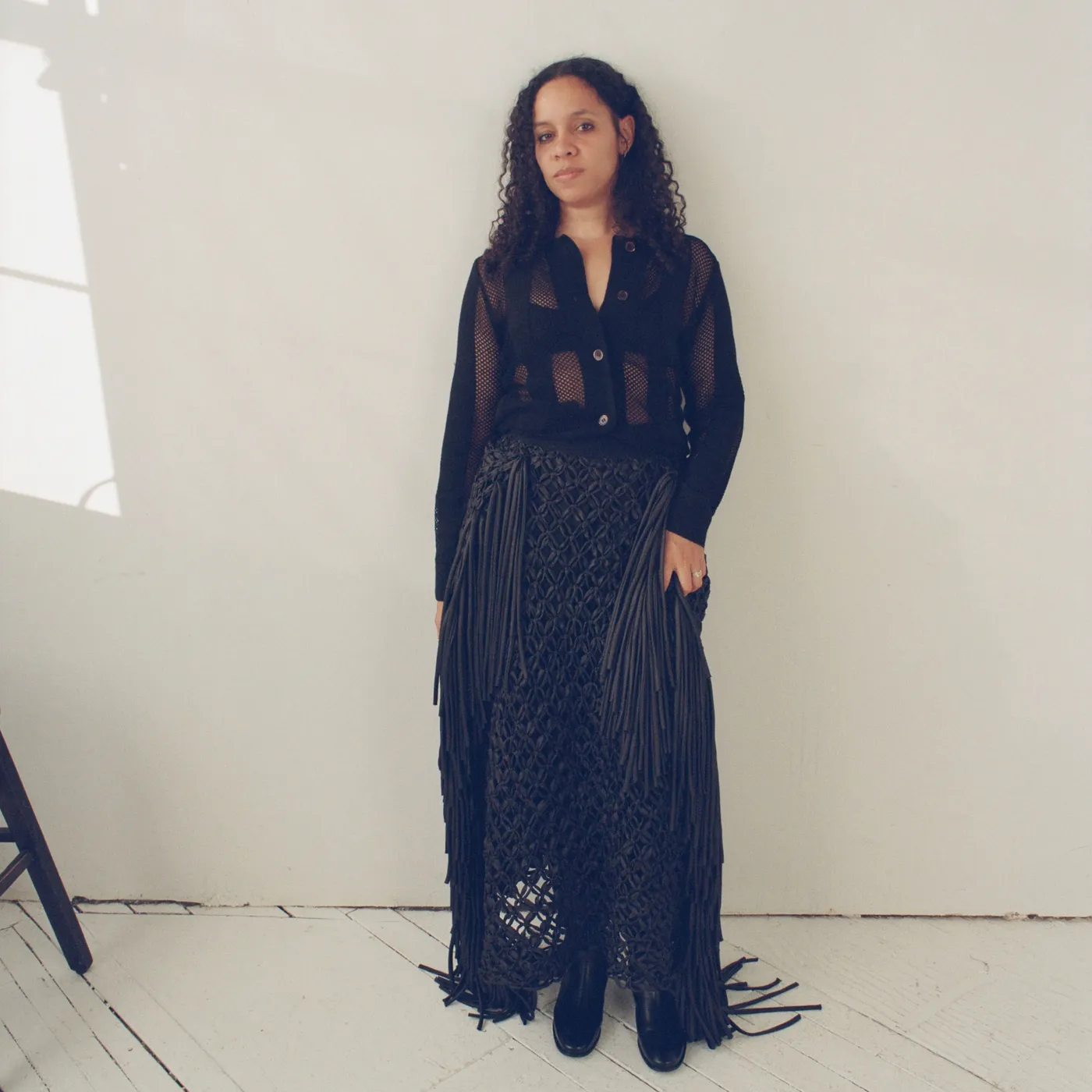
Diotima often places tailoring beside revealing crochet and mesh. What interests you about that contrast?
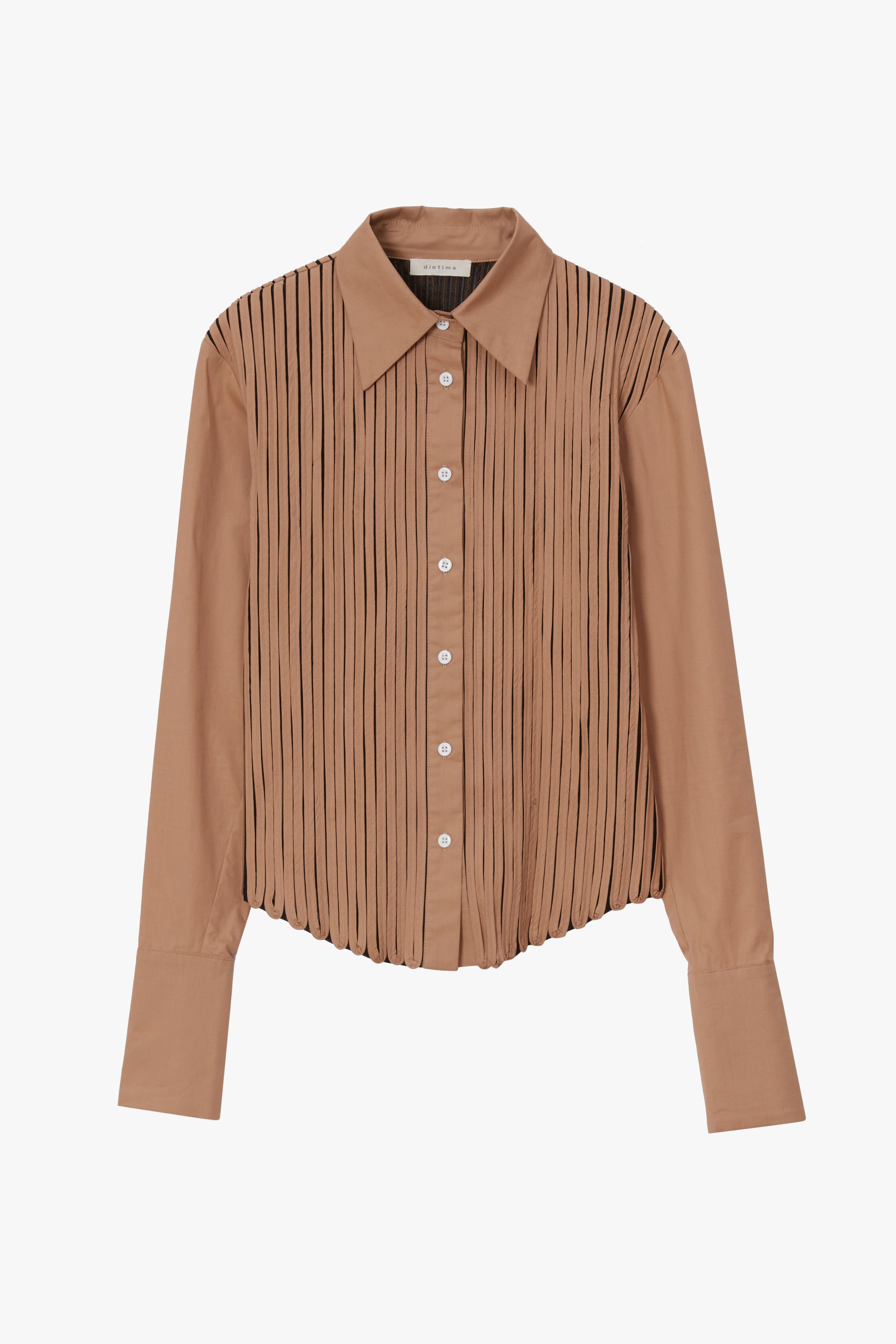
I am interested in complexity, especially when it relates to the way women are represented. A woman can be sensual and reserved, powerful and vulnerable, polished and unruly. Those qualities do not need to be separated into different wardrobes. Tailoring brings structure and a relationship to the traditional masculine wardrobe, while crochet, mesh, and embellishment can expose the body or create a more intimate feeling. The tension between them allows the clothes to remain open to interpretation. I do not want the collection to tell a woman exactly how to be seen. I want it to give her different ways to occupy the space around her.
The name Diotima comes from Plato’s Symposium. What does it mean within the brand?
Diotima is a figure whose historical existence is uncertain, but in Plato’s Symposium she is presented as a teacher who speaks to Socrates about love and the pursuit of beauty. I was drawn to the idea of a woman whose knowledge is central to a philosophical conversation, even though her position in history remains unclear. The name also reflects the way I think about beauty as something that can lead us toward a larger understanding. For the brand, love is not only romantic. It can mean attention, care, desire, and the effort to build something with intention.
How do the people you work with influence the design process?
The artisans are not simply executing ideas that have already been completed elsewhere. Their knowledge changes what the work can become. A technique may behave differently from what I first imagined, or a particular maker may bring an understanding of tension, scale, or finish that opens up a new direction. That exchange requires patience and communication. It also means recognising that craft is not a decorative layer added at the end of the process. It is part of the design itself. The relationship between New York and Jamaica gives Diotima its structure, and the work grows through that ongoing conversation.

How do you think about sustainability in relation to the brand?
I think sustainability has to include the way a business treats people and communities, not only the material composition of a garment. It is important to consider whether a process is extractive, whether makers have room to develop their own autonomy, and whether the pace of production supports the quality of the work. Diotima focuses on responsible materials, produces two collections a year, and makes the collections to order. Craft also asks us to slow down and respect the time required for an object to exist. Those decisions are connected to a broader effort to create a brand that is thoughtful in its relationships as well as in its products.
What would you like Diotima to become over time?
I want Diotima to continue developing as a fashion brand and as a wider cultural world. A physical space in New York is part of that ambition, and I would also like to create a space in Kingston that could function as an atelier, a training workshop, and a cultural centre. It would be a place for fashion, but also for conversations about Jamaica, its history, and the wider Caribbean. I am interested in building something that gives back to the context from which the brand emerged. The future of Diotima should remain connected to craft, but it should also leave room for education, exchange, and community.