Profile
Rachel Scott on Craft, Context, and the Expansive Language of Diotima
Hannah R. Harris / Aug 8, 2026

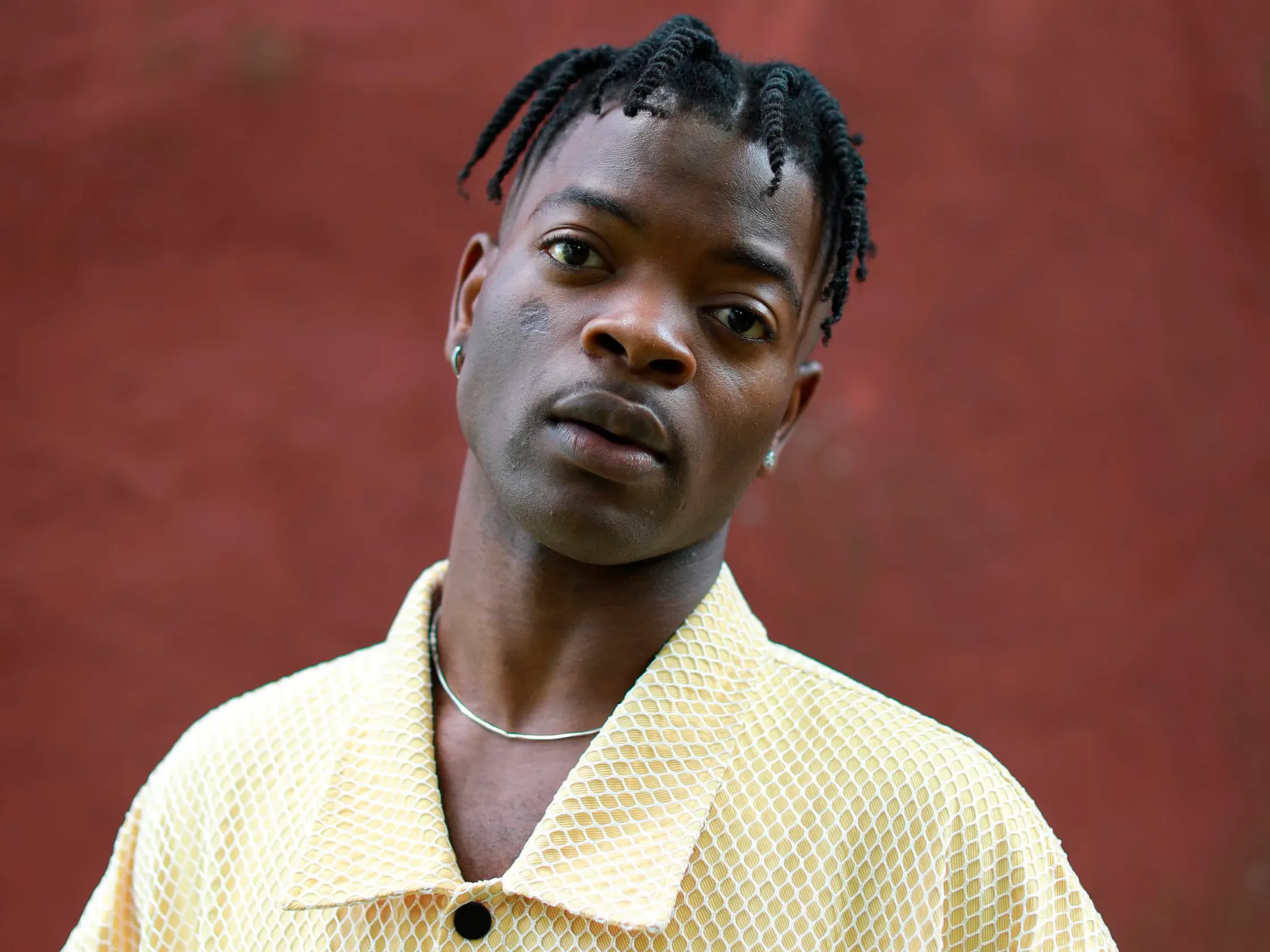
Taofeek Abijako speaks with VOL Collective about migration, memory, literature, architecture, and the evolving language of Head of State.
Taofeek Abijako speaks with VOL Collective about migration, memory, literature, architecture, and the evolving language of Head of State.
Your relationship with fashion began in your father’s studio in Nigeria. What stayed with you from that early experience?
My first memory of fashion is being in my dad’s studio in Nigeria. He was a fashion designer in the 1990s, working mostly with traditional garments, and I was able to see the practical side of making clothes. I would sketch what I saw happening around me. That experience made fashion feel open and accessible. It was not presented as something distant or abstract. It was part of daily life, part of the community, and connected to people from different backgrounds. When I moved to the United States, that memory remained with me. In high school, I began exploring painting, architecture, sewing, and fashion, and those interests eventually became Head of State.
You started Head of State while you were still in high school. What was the project trying to become at that point?
It began very simply. I had a pair of white Vans that I did not wear, so I painted them and wore them to school. Friends began asking if I could make shoes for them, and that became a way to raise money. I also started making T-shirts and hoodies in my bedroom in upstate New York to fund a community water project connected to where my parents grew up. I was applying to college and wanted to study fashion and architecture, so the project was also a way to build a portfolio. The first collection came from learning by doing, visiting the garment district, and gradually understanding how an idea becomes a garment.
How do you define Head of State today?
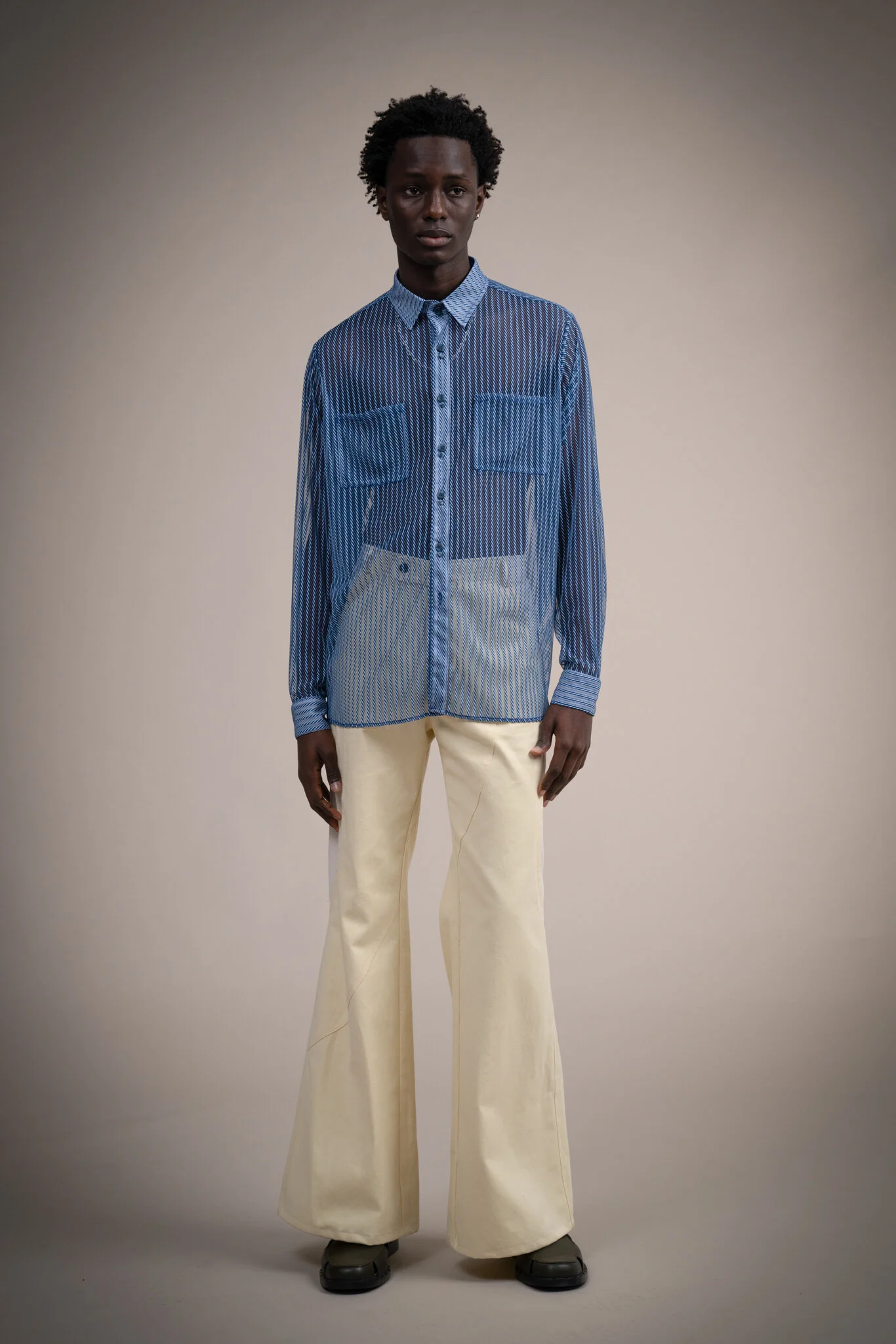
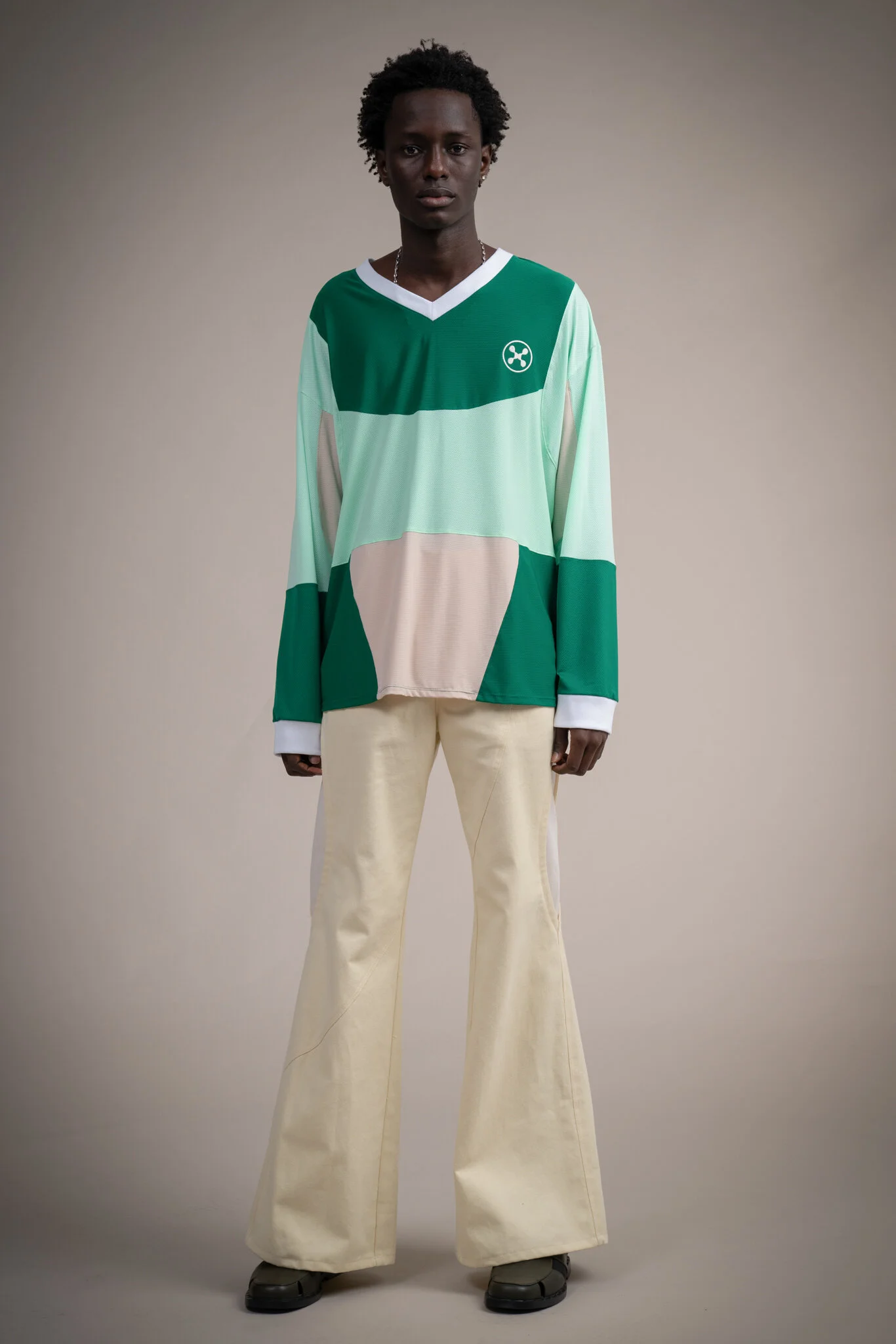
I think of Head of State less as a conventional fashion brand and more as an ongoing case study. It is a way for me to examine my cultural upbringing and develop a clearer understanding of it. The work often begins with research, writing, and dialogue before it becomes clothing. I am interested in thoughtful, honest design that does not need to explain itself loudly. The clothes can be familiar and wearable while still carrying questions about culture, history, movement, and identity. Head of State has grown beyond a single product category, but clothing remains one of the main ways I build and communicate those ideas.
Your work often sits between Nigerian and American references. What does that in-between space allow you to explore?
I grew up in Nigeria and have spent a significant part of my life in the United States, so I naturally exist between those environments. That space is complicated, but it is also productive. I am interested in what happens when traditional ways of living meet Western influence and create a new language. For me, that is part of the experience of postcolonial youth culture. It is not a simple choice between two identities. It is an active process of translating, questioning, and recombining. I take elements from West African silhouettes and the way volume is used, then bring them together with American sportswear and utilitarian references.
You have spoken about wanting people to reconsider their assumptions about African fashion. What do you want them to see?
I want people to approach the work without deciding in advance what African fashion is supposed to look like. There is often an expectation that African design must rely on loud prints or obvious visual references. Those things can be part of the culture, but they are not the only way to engage with it. What I took from my own background was often more structural: the shape of a garment, the use of volume, the relationship between the body and the clothes. I combine those observations with influences from the West, which makes the work feel familiar in one way and specific in another. The story can connect with people who do not share my exact background.
Literature has been an important source for your collections. What does a book give you that a visual reference might not?
Books allow me to enter a character’s inner world and think about how that person might occupy space. I am interested in the character, but also in the author’s method and the social environment around the story. Chinua Achebe’s novels have been especially important because they examine the meeting point between African tradition and modernity, including the effects of Western influence. When I worked with Achebe’s writing, I imagined what the characters might wear in a contemporary setting. Each look became a way of interpreting a personality, a tension, or a particular moment in the story. That process gives the clothes a narrative structure without making them literal costumes.
Home and migration recur throughout your work. How do you translate those ideas into form?
Home is not only a physical place for me. It can be carried through memory, the body, language, and the way a person understands their surroundings. When I moved from Lagos to the United States, I did not bring every physical thing with me, but I brought a sense of home through my body and my experiences. That idea has shaped collections concerned with returning, remembering, and trying to locate yourself between places. I also look at the spaces I grew up in, including the textures and forms of buildings in Lagos. Those details can become silhouettes, proportions, or a feeling of enclosure within a garment.
Architecture appears in your thinking as often as fashion does. What connects the two disciplines for you?
Both architecture and clothing create spaces that people inhabit. I think about the body inside a garment in a similar way to how I think about a person moving through a building. The relationship is not only visual. It is also about structure, movement, material, and how an environment affects someone. I am interested in architecture on its own terms, and fashion on its own terms, but I am also curious about the language that can emerge between them. That might involve the shape of a building becoming a garment, but I am more interested in less literal translations. I want to discover new ways for the two forms to inform each other.
Sustainability has been part of the conversation around Head of State. Where did that responsibility begin for you?
I grew up on the mainland in Lagos, where I saw flooding and ocean waste coming into the area. Those experiences made it difficult for me to think about creating a brand without considering its impact. I wanted to be intentional about the materials and processes involved. Sustainability can also create a useful design challenge. Instead of beginning with an unlimited choice of fabrics, I may begin with what is available and build the collection around it. That changes the way I think and can lead to unexpected solutions. For me, responsibility is not separate from creativity. It affects the decisions that shape the work from the beginning.
You have described Head of State as something that can move across clothing, film, architecture, and other mediums. What does that wider vision look like?
The brand was connected to architecture from the beginning, and I have always been interested in how different mediums can support one another. Clothing can carry a story, but film can shape its atmosphere, architecture can define its environment, and performance can change how the audience encounters it. I do not want every project to become a simple translation of one medium into another. I am more interested in building a broader language around the ideas behind Head of State. A collection might exist as garments, but it can also have a space, a film, or a conversation around it. The aim is to keep expanding the ways the story can be experienced.