Profile
David and Sybil Yurman: A Life in Art, Made Wearable
Hannah R. Harris / Nov 20, 2025

For Stephanie Gottlieb, fine jewelry is an everyday form of self-expression, shaped by color, personalization, and the stories people choose to carry with them.
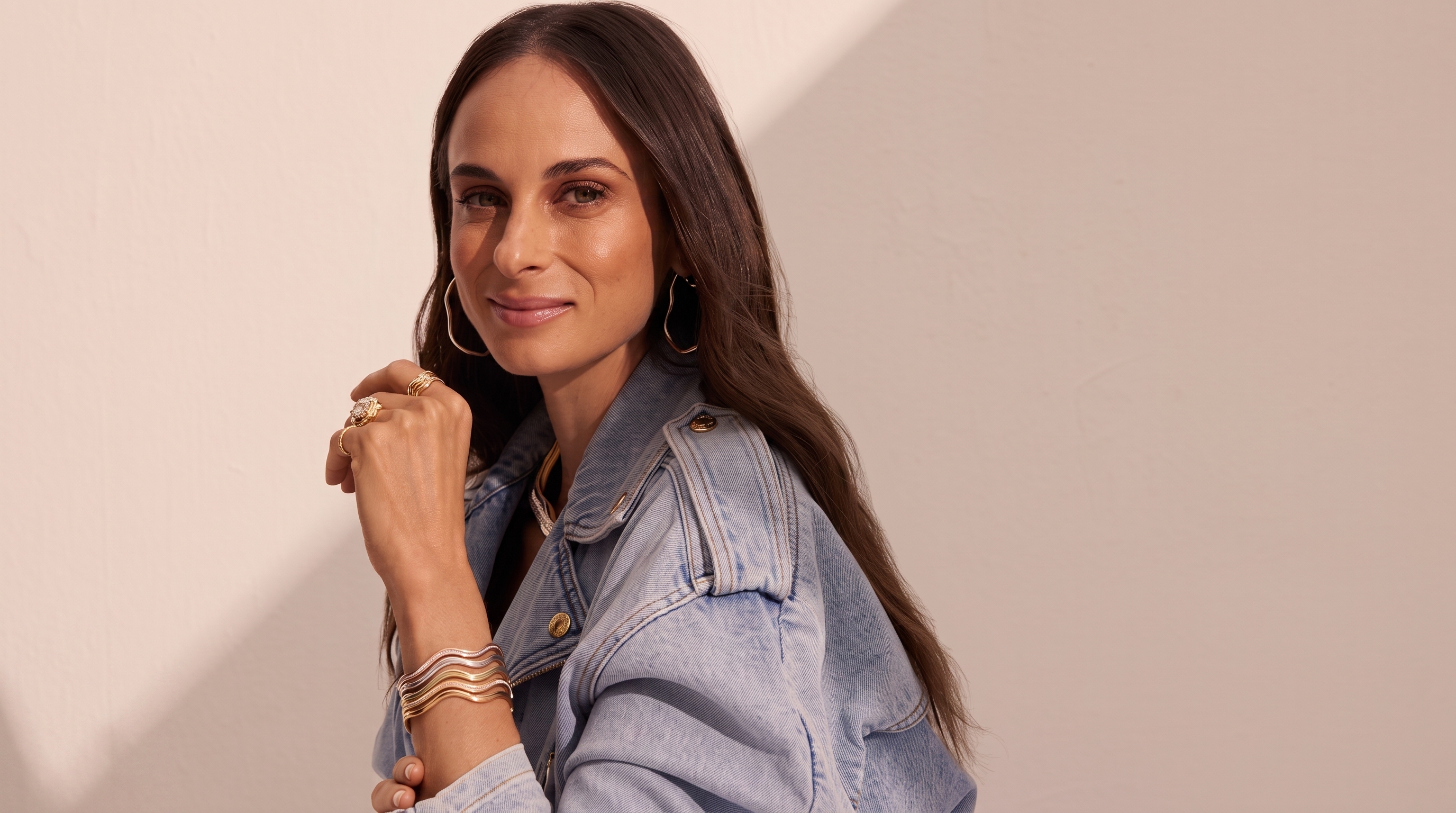
Stephanie Gottlieb entered the jewelry trade almost by accident, taking an internship with a New York diamond wholesaler after college and spending five years across marketing and sales before leaving to build her own house in 2013. What began as a private, word-of-mouth concierge model grew alongside Instagram into a brand known for personalization, from engraved initials to bespoke bangles. The house works exclusively with natural diamonds.
You entered the jewelry industry somewhat unexpectedly. What did your first experiences teach you about the work?
I came into the industry by accident after college, when I accepted an internship with a diamond wholesale company in New York. I did not have a long-term plan at that point, but being immersed in the business quickly showed me how much I enjoyed it. I was drawn to the science and beauty of diamonds, but also to the personal side of jewelry. Every piece is made for someone, and there is usually an important occasion, relationship, or intention behind it. I spent five years in that role, working across marketing and sales, and that experience gave me a practical understanding of the trade before I began building something of my own.
What made you decide to leave your previous role and establish Stephanie Gottlieb in 2013?
I reached a point where the wholesale jewelry world felt familiar, and I could imagine continuing to do similar work for another company. What I wanted was more autonomy. I wanted to make decisions about the product, the client experience, and the way the business was presented. I left my job in 2013 and spent the summer thinking seriously about what came next. I kept returning to jewelry because it was the area where my interests and experience came together most naturally. The business began in a very small and personal way. I initially imagined a private, concierge model serving friends and growing through word of mouth, but the response developed much faster than I expected.
How would you describe the design language of the brand?
The work is feminine, wearable, and often delicate, but I also like pieces to have presence. Jewelry should be enjoyed and lived in, rather than reserved for a drawer or a rare occasion. That is why personalization is so central to the brand. Names, initials, dates, and symbols allow a piece to feel connected to the wearer, while color and proportion keep it expressive. I am interested in taking familiar forms and giving them a more contemporary point of view. The result can be a diamond essential, a bold bangle, or a playful stack, but the underlying idea is the same: fine jewelry should feel meaningful, individual, and easy to make part of everyday life.
Personalization has become closely associated with Stephanie Gottlieb. What continues to interest you about designing around someone's story?
Personalization gives jewelry a reason to exist beyond its material value. A piece can mark a wedding date, carry a child's initials, celebrate a family member, or simply reflect the way someone sees herself. I like that the meaning can be very intimate, even when the design is simple. Our slider bangle is a good example because it can be approached in so many different ways. Someone might wear names, initials, a date, or a more understated diamond arrangement. It can belong to different generations and different stages of life. That flexibility is important to me. The jewelry should not dictate one particular identity. It should leave room for the wearer to make it her own.
How do new designs begin for you?
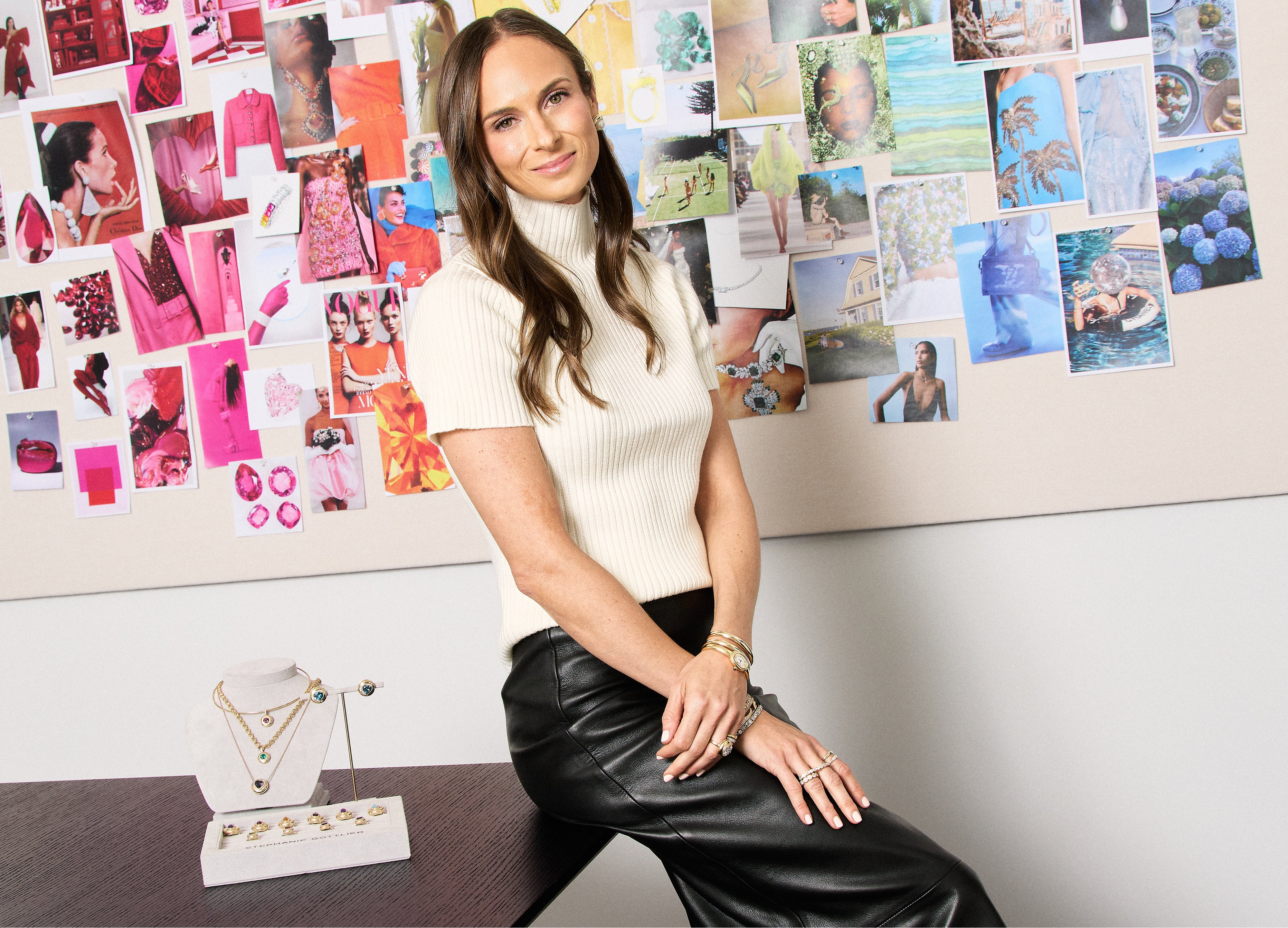
Sometimes a design begins with a gap in the collection. I may be thinking about what I would want to wear next, what our clients are looking for, or what feels absent from the wider jewelry landscape. I often start with the question of how to take something classic and make it feel fresh. My process is very visual, but I am not someone who sketches traditionally. I build references by cutting and pasting images, combining shapes, proportions, and details so I can communicate what I am imagining to the jeweler and the design team. Over time, the people I work with have learned how to interpret that language. Their technical ability is essential to turning an instinct or an incomplete idea into a finished piece.
The brand grew alongside Instagram. What did that platform make possible for you?
Instagram allowed me to show the work directly and create a relationship with people before they ever became clients. When I started, social media was still developing, and the traditional jewelry model relied much more heavily on retailers, print media, and established industry channels. I was able to share pieces, custom work, styling, and the process behind a design in a very immediate way. That helped people understand the personality of the brand and gave them a reason to return. For many years, the business grew organically through that community. It was an unusual and fortunate way to build a company, and it taught me how valuable consistency and direct communication can be.
How has your role changed as the company has grown?
In the beginning, I was involved in nearly every part of the business, and I intended to keep it that way. As the company expanded, it became clear that the next phase required a stronger structure and a broader range of expertise. Building a more experienced team has allowed me to spend more time where I can contribute most deeply, particularly in creative direction and product development. That transition comes with responsibility because the work still needs to feel connected to the original vision. At the same time, it is rewarding to collaborate with people who bring knowledge and perspective that I do not have. Growth has meant learning how to protect the identity of the brand while giving the team room to help shape its future.
What does it mean for the brand to make fine jewelry for everyday wear?
Everyday wear is really about changing the relationship people have with fine jewelry. I do not want the pieces to feel too precious to use. The most satisfying designs become part of a person's routine, whether they are worn alone, layered with other pieces, or carried through different occasions. That does not mean the jewelry has to be minimal. It can be colorful, substantial, or highly personal and still become something someone reaches for constantly. I also enjoy helping clients reconsider pieces they already own. A design that has been sitting unworn can sometimes be redesigned or restyled into something that feels relevant again. Jewelry becomes more valuable when it is connected to real life.
Natural diamonds remain an important part of the brand's position. How are you thinking about that commitment as the industry changes?
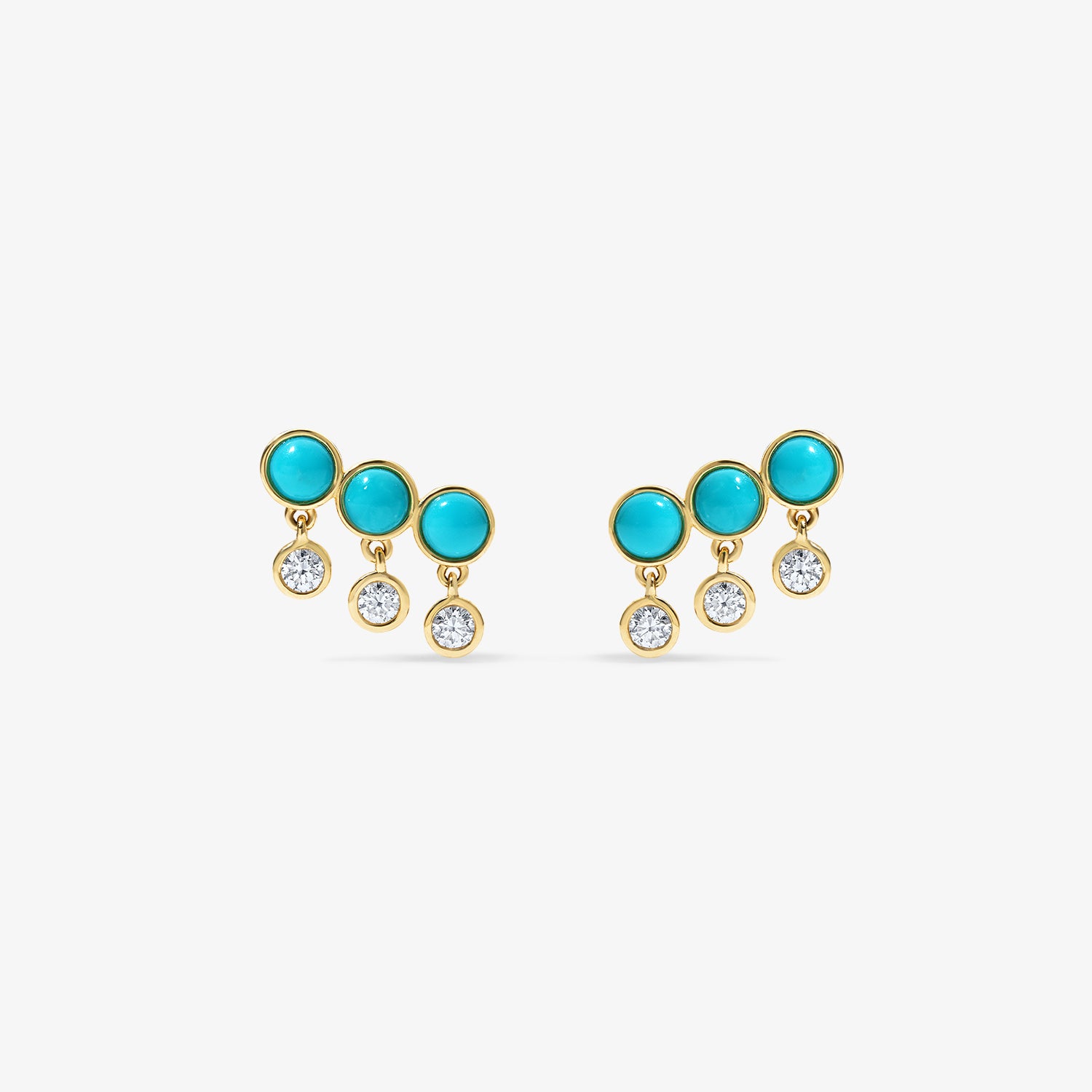
The brand is committed to working exclusively with natural diamonds, and education is an important part of how we communicate that choice. The growth of lab-grown diamonds has created confusion for many customers, particularly around differences in origin, value, and meaning. For us, a natural diamond carries a history that began in the earth, and that sense of natural rarity is part of its emotional significance. We also have to be attentive to the realities of the market, including the rising cost of gold and other materials. Maintaining quality in the stones and metals while responding thoughtfully to pricing pressures is a challenge shared across the industry. It requires care at every stage of the process.
What do you hope someone feels when they wear a Stephanie Gottlieb piece?
I hope the jewelry feels both exciting and familiar. It should bring pleasure when someone puts it on, but it should also become connected to the person's own life over time. That might happen through a custom piece created for a major milestone, or through a small everyday design that gradually becomes part of someone's identity. I want the work to encourage people to wear their jewelry rather than wait for a perfect occasion. Fine jewelry can be celebratory, but it can also be personal in quieter ways. Ultimately, the piece should feel like a reflection of the wearer, with enough character to be memorable and enough versatility to remain meaningful as her life changes.