Profile
David and Sybil Yurman: A Life in Art, Made Wearable
Hannah R. Harris / Nov 20, 2025

For New York jeweler Steph Mazuera, fine jewelry is a study in movement, individuality, and the personal meaning a piece gathers over time.
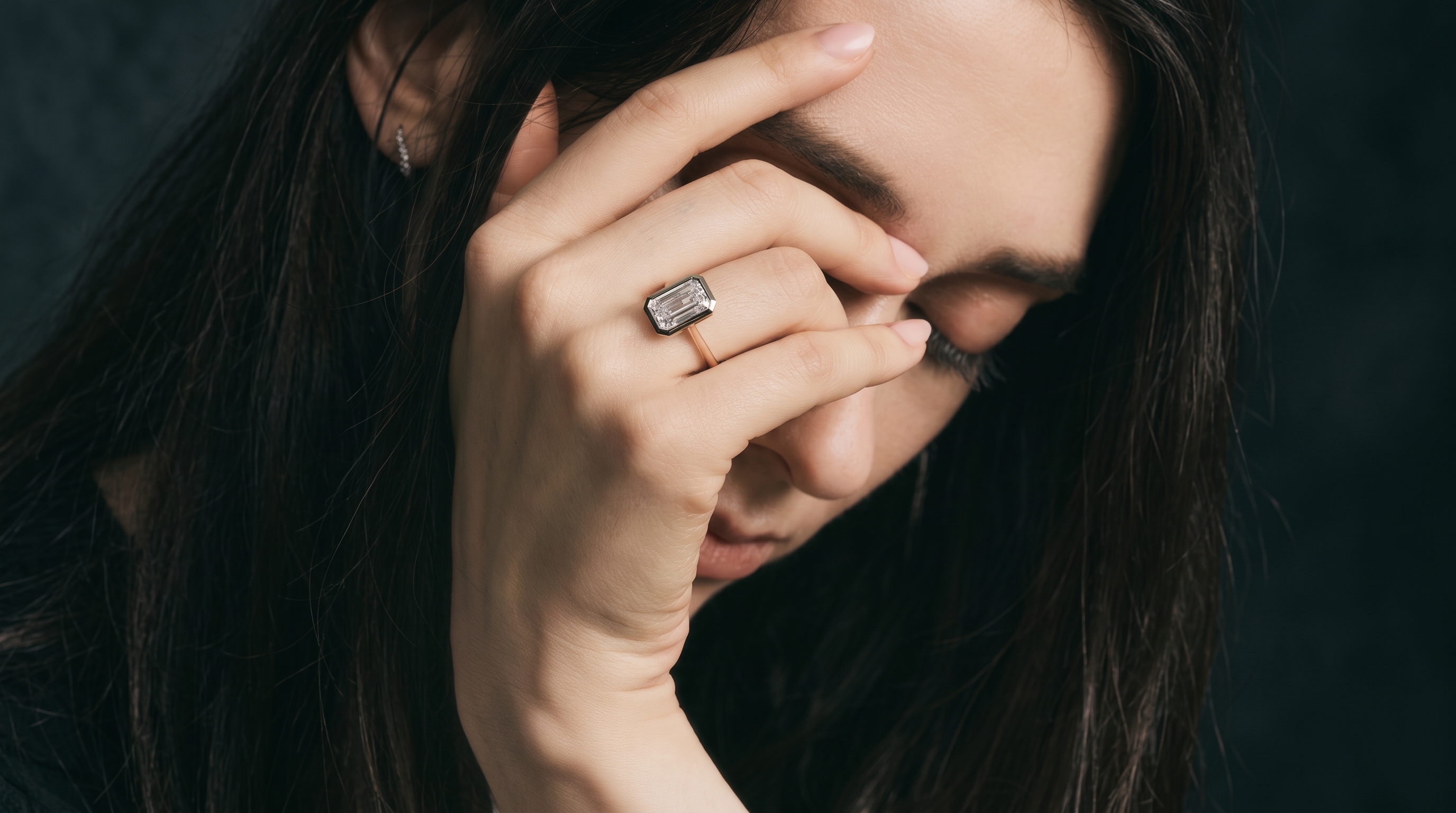
Steph Mazuera was born in Miami to Cuban and Swedish parents before moving to New York to study design at Parsons. She learned metalsmithing on weekends from a co-worker who was a master jeweler, a practice that became full-time during the pandemic and grew into her own sculptural, client-focused brand. Her work spans custom bridal commissions and everyday diamond essentials.
You were born in Miami to Cuban and Swedish parents before moving to New York to study at Parsons. How have those places and influences shaped the way you see design?
I think both places gave me a strong awareness of contrast. Miami has a sense of openness, warmth, and visual energy, while New York is more layered and constantly in motion. My Cuban and Swedish backgrounds also bring different sensibilities into the way I think, even when I am not consciously referencing them. Parsons gave me a foundation in design and encouraged me to think beyond decoration. Jewelry became a way to bring together form, proportion, material, and the body. I am interested in pieces that feel considered but still have presence, and that balance softness with something more architectural.
Before establishing your own practice, you worked in the fine jewelry industry and began learning metalsmithing from a master jeweler. What did that period teach you?
I began by organizing production in the midtown atelier of a custom jeweler, so I was able to see how much care and precision goes into making a piece. A co-worker who was a master jeweler offered to teach me metalsmithing on weekends, and that experience changed the direction of my work. I learned to understand jewelry through the hands as well as through design. The process made me more attentive to construction, proportion, and the small decisions that determine how a piece feels when it is finished. It also gave me respect for the time and skill required to make something properly.
How did your practice develop during the early years of the brand?
The onset of COVID changed the pace of my learning. What had begun as weekend metalsmithing became a full-time practice that continued for nearly three years. That period gave me the space to develop my eye, work through ideas, and understand what I wanted the brand to be. I was able to focus closely on the relationship between design and craftsmanship rather than trying to define everything too quickly. The work developed through repetition and attention. Over time, I became more interested in sculptural forms, the way jewelry moves with the body, and pieces that can feel distinctive without being disconnected from everyday life.
Your work is often described as sculptural. What does that mean to you in the context of jewelry?
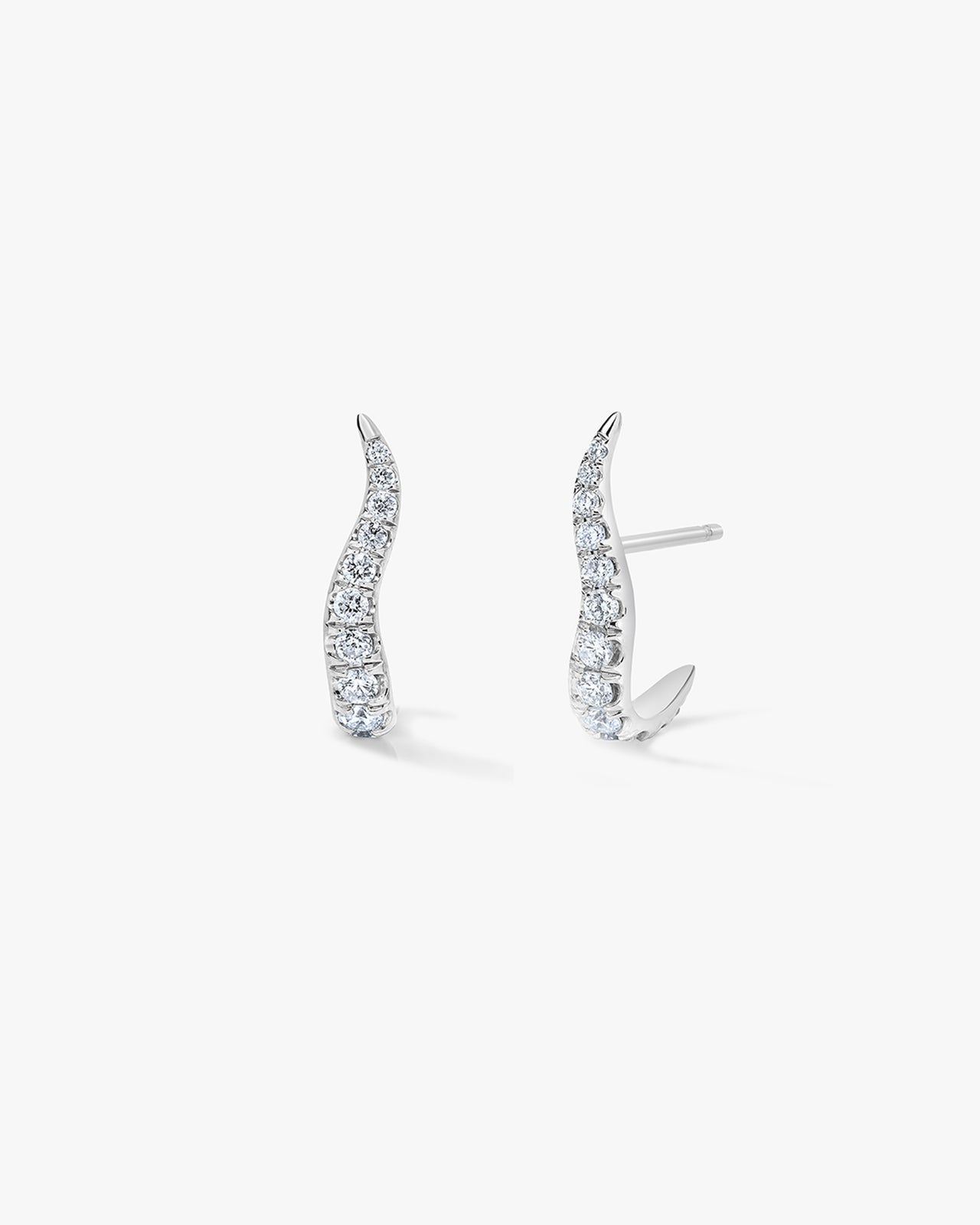
For me, sculpture begins with the body. I want to understand how a piece sits, how it moves, how it catches light, and how it becomes part of someone's gestures. Jewelry is not viewed from one fixed angle, so the form has to work in motion and from different perspectives. I am drawn to volume, tension, and silhouettes that feel intentional without becoming overly complicated. The design has to be beautiful on its own, but it also needs to respond to the person wearing it. That relationship is what makes jewelry different from an object displayed separately from the body.
How do you approach the balance between strength and sensuality in your designs?
I do not think of those qualities as opposites. A strong shape can still feel intimate, and something delicate can have real presence. I often look for that point of balance through proportion, surface, and the way a stone is held. A bezel or a heavier outline may give a piece a sense of structure, while the curve of the form or the way it follows the body can introduce softness. I want the jewelry to have clarity and character, but not feel rigid. The goal is to create something that can be noticed immediately and still reveal more through wearing it.
Custom work is central to the brand. What does a meaningful collaboration with a client involve?
It begins with listening. I want to understand the client's vision, timeline, budget, and the reason they are making the piece. From there, we can look at proportions, stones, settings, and details that make the design personal. Some clients come with a clear idea, while others need help finding the direction that feels right for them. We may work from an existing design or begin from scratch, and we can consider details such as interior engraving, hidden birthstones, or an heirloom stone that needs to be repurposed. The process is collaborative, and the final piece should feel connected to the person it was made for.
Your work includes both lab-grown and natural diamonds. How do you think about the differences between them?
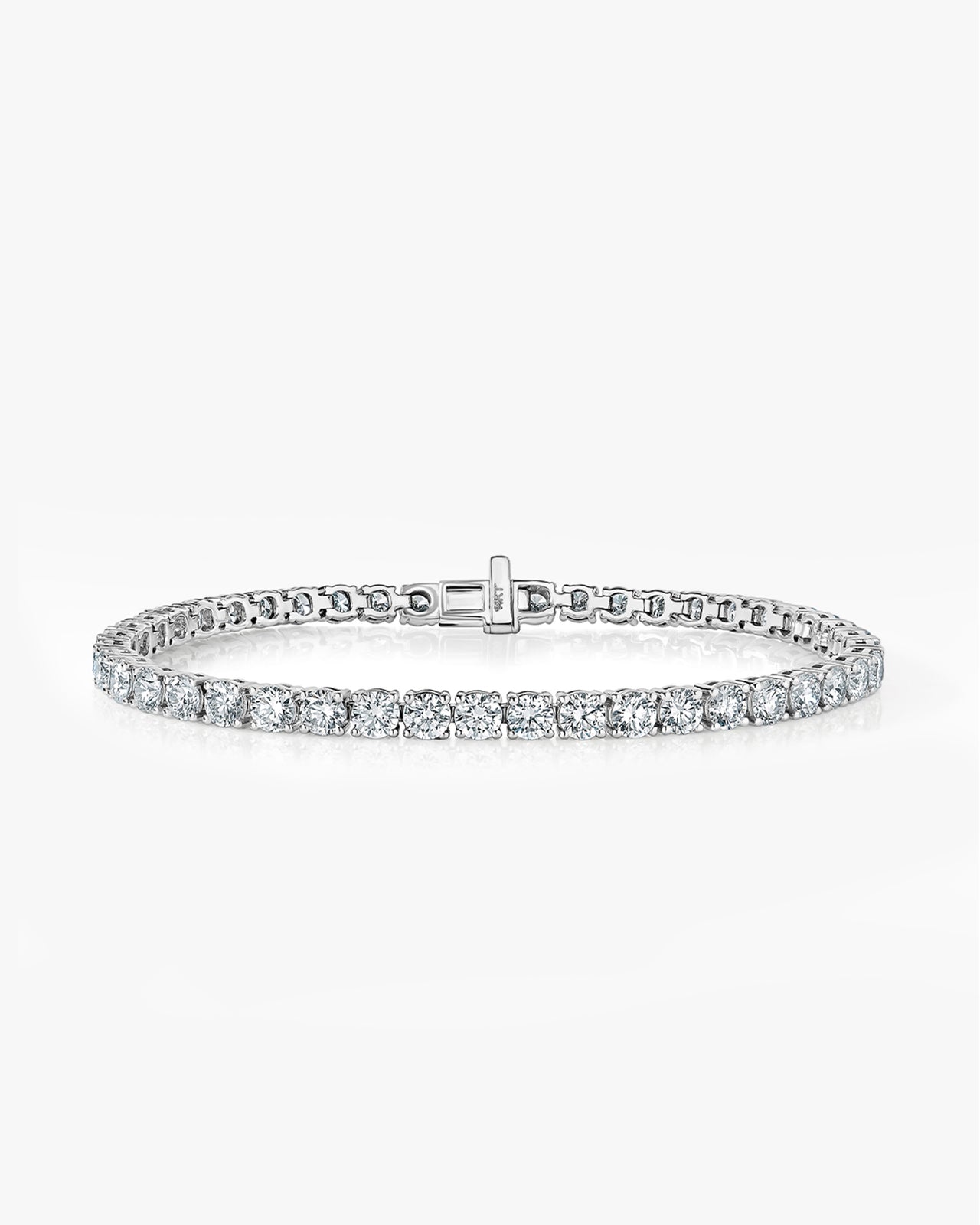
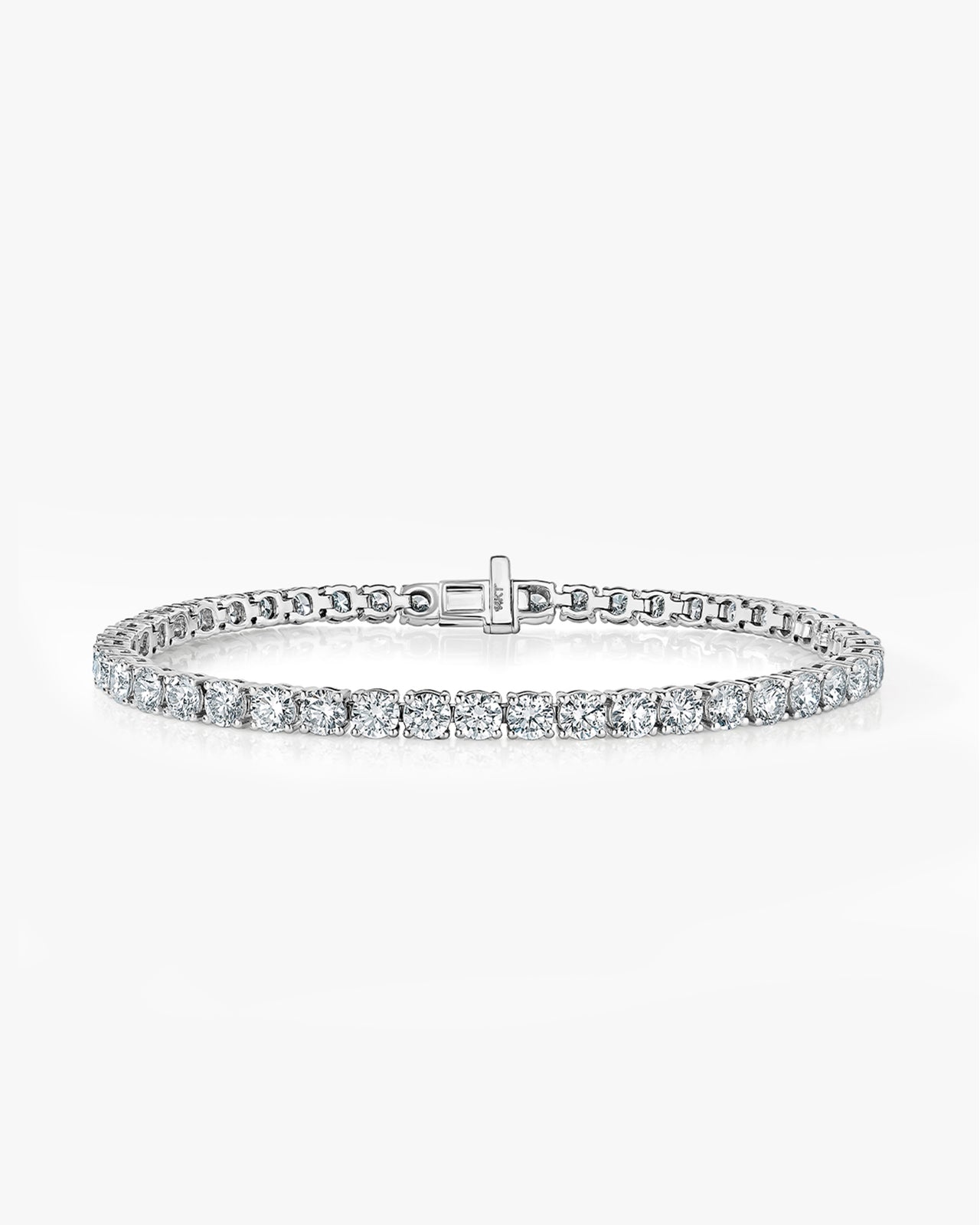
Both can be appropriate, depending on the piece and the client. Lab-grown diamonds can offer a more accessible way into fine jewelry, and I often use them in pieces such as studs and tennis bracelets. Natural diamonds have their own history and individuality, especially when they are antique or have an unusual character. I do not think every purchase needs to carry the same meaning or weight. What matters is understanding the options and evaluating the quality of each stone carefully. I want clients to feel informed rather than pressured, so the choice can reflect what matters to them.
How does a stone influence the design of a ring or other piece?
The stone is never separate from the design. Its shape, proportions, color, and character all affect the way the piece should be made. Each ring is produced to the exact specifications of the diamond it holds, so the setting has to respond to that particular stone rather than forcing it into a predetermined form. Sometimes a stone leads the entire design, while in other cases the structure comes first and the stone completes it. I am especially drawn to stones with an unexpected quality, whether that is an unusual cut, a distinctive color, or a shape that creates an interesting relationship with the hand.
You recently developed a line of everyday diamond pieces alongside your bridal work. What role do essentials play in a jewelry collection?
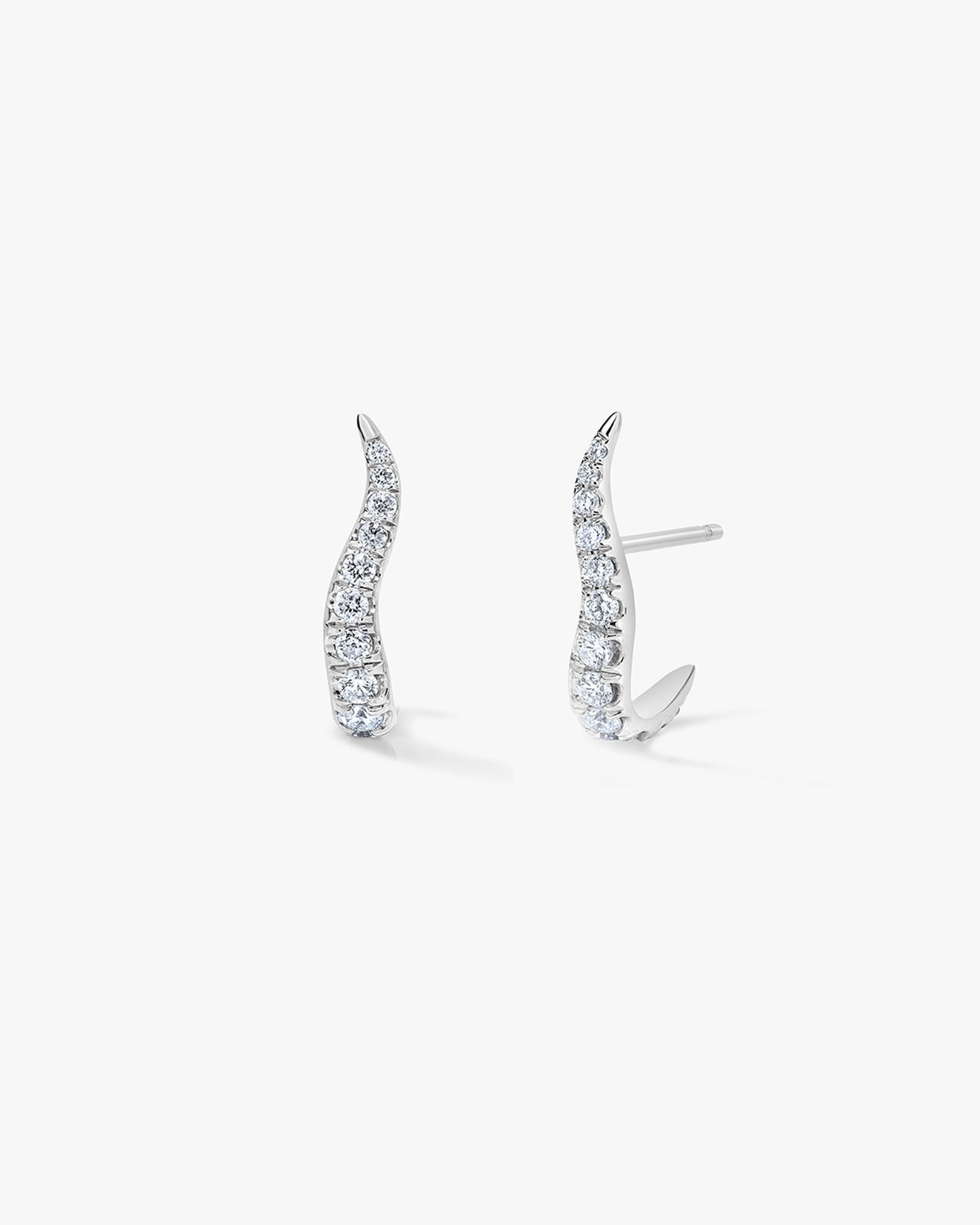
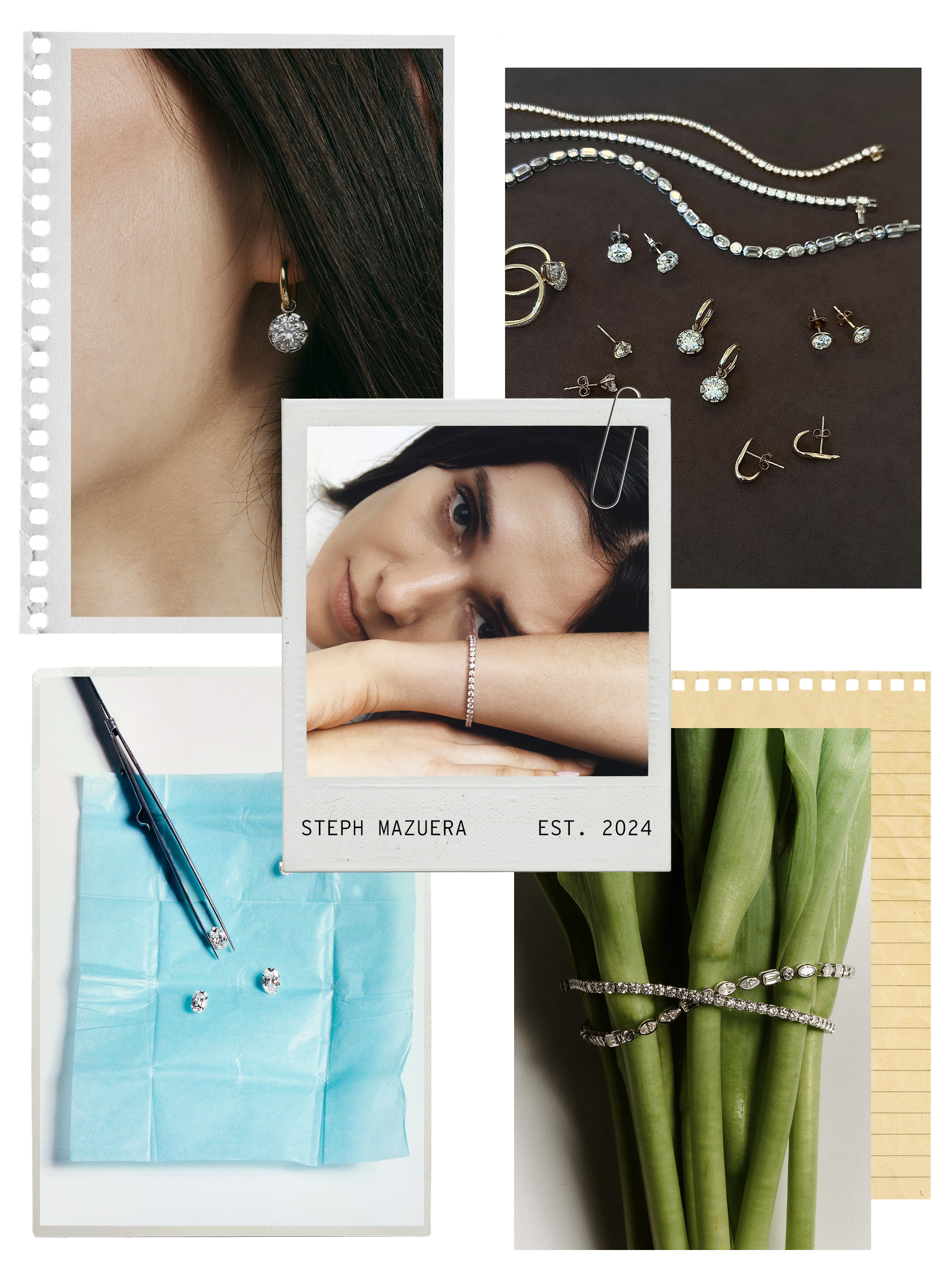
Everyday pieces can become the foundation of how someone wears jewelry. I often recommend starting with something like diamond studs or a classic tennis bracelet because those pieces can be worn regularly and built upon over time. They do not have to be anonymous or purely practical. The details still matter, from the scale and setting to the way the piece catches light. My intention is to make essentials that feel refined but have a point of view. A jewelry collection should develop in a personal way, with pieces that become part of a person's daily rhythm rather than being reserved only for special occasions.
What do you want a client to feel when they encounter Steph Mazuera jewelry?
I want the experience to feel thoughtful from beginning to end. That includes the design, the quality of the materials, the making process, and the way we work with each client. Jewelry is personal, especially when it marks a relationship, a transition, or a decision someone wants to carry with them. I hope the pieces feel strong enough to have a lasting presence and personal enough to become part of someone's life. Whether it is a custom engagement ring or an everyday diamond piece, the intention is the same: to make something considered, beautifully made, and connected to the person who wears it.