Profile
David and Sybil Yurman: A Life in Art, Made Wearable
Hannah R. Harris / Nov 20, 2025

From Copenhagen to the night sky, Sophie Bille Brahe creates jewellery that brings together traditional goldsmithing, Scandinavian clarity and the emotional power of precious materials.
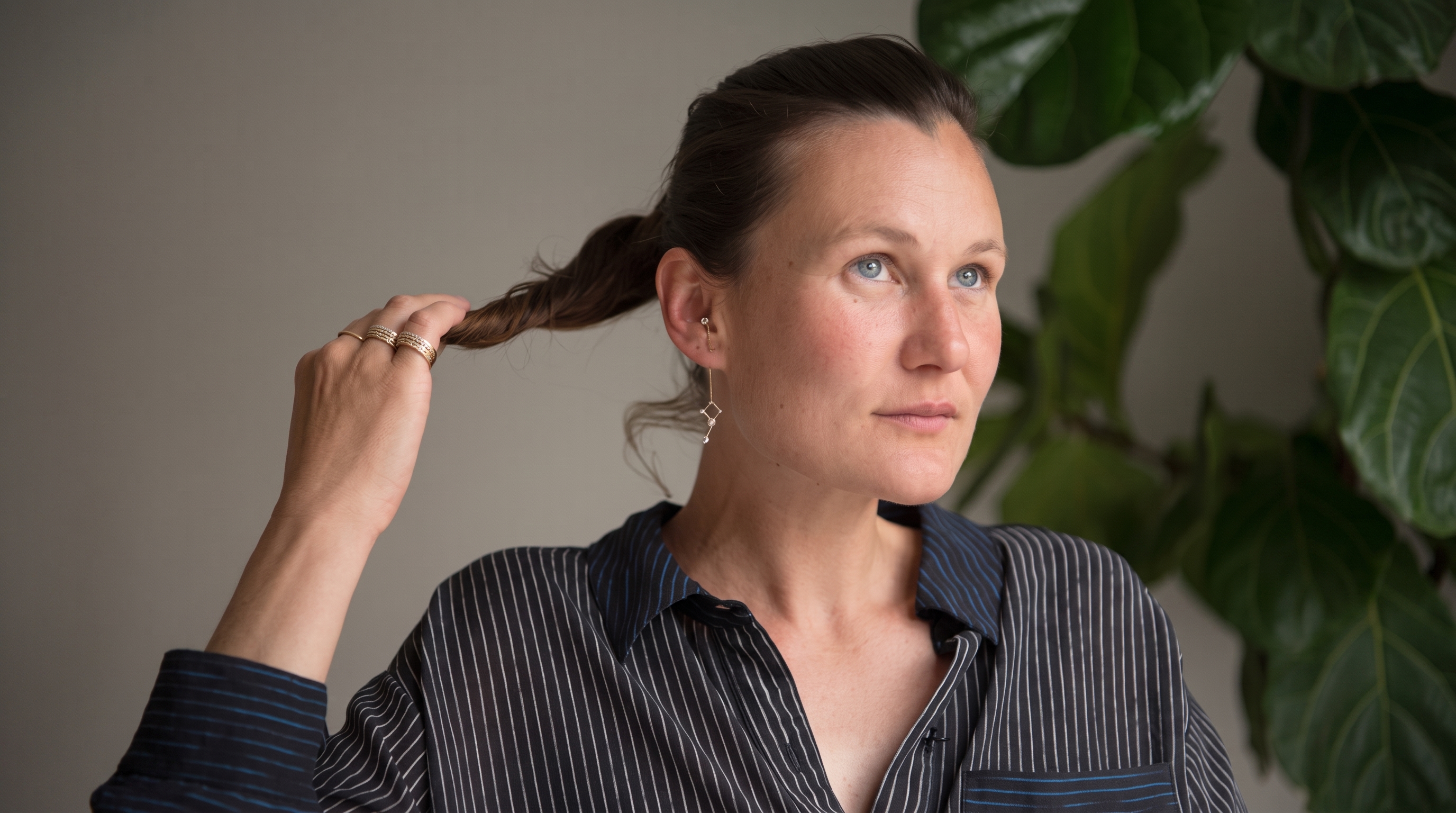
Sophie Bille Brahe trained as a goldsmith before studying jewellery at the Royal College of Art in London, then founded her eponymous house in Copenhagen in 2011. Her Croissant de Lune earring, a single graduated-diamond design that follows the curve of the ear, became the piece most closely associated with her name. Her work draws on the night sky and the horizon where ocean meets sky, rendered through clean Scandinavian forms.
You trained as a goldsmith before studying jewellery at the Royal College of Art in London. What did those two forms of education give you?
The goldsmith apprenticeship gave me a practical understanding of materials and construction. I learned how metal behaves, how a piece is assembled and how much patience is required to make something properly. At the Royal College of Art, I was encouraged to think more freely and to question what jewellery could be. The two experiences remain closely connected in my work. I still begin with the material and the hand, but I also think about atmosphere, proportion and the feeling a piece can create. Jewellery has to function on the body, yet it can also carry an idea or a story.
You founded your eponymous brand in Copenhagen in 2011. How did the first pieces come into being?
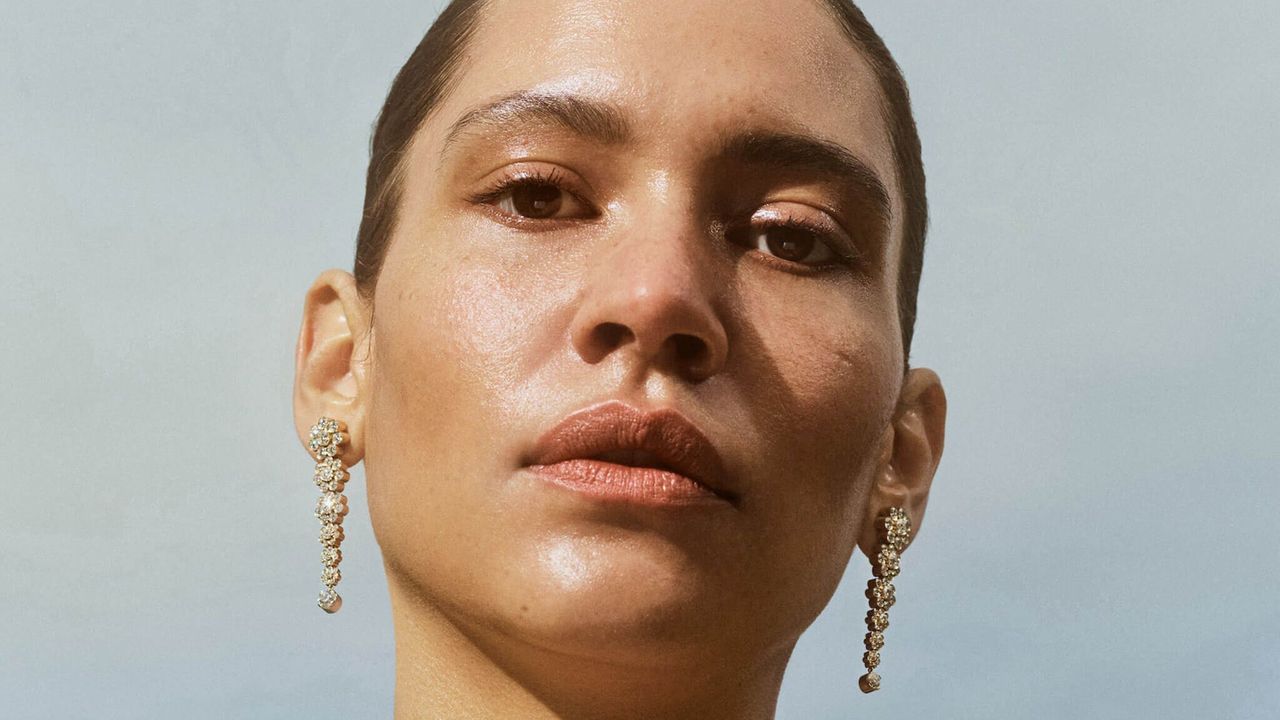
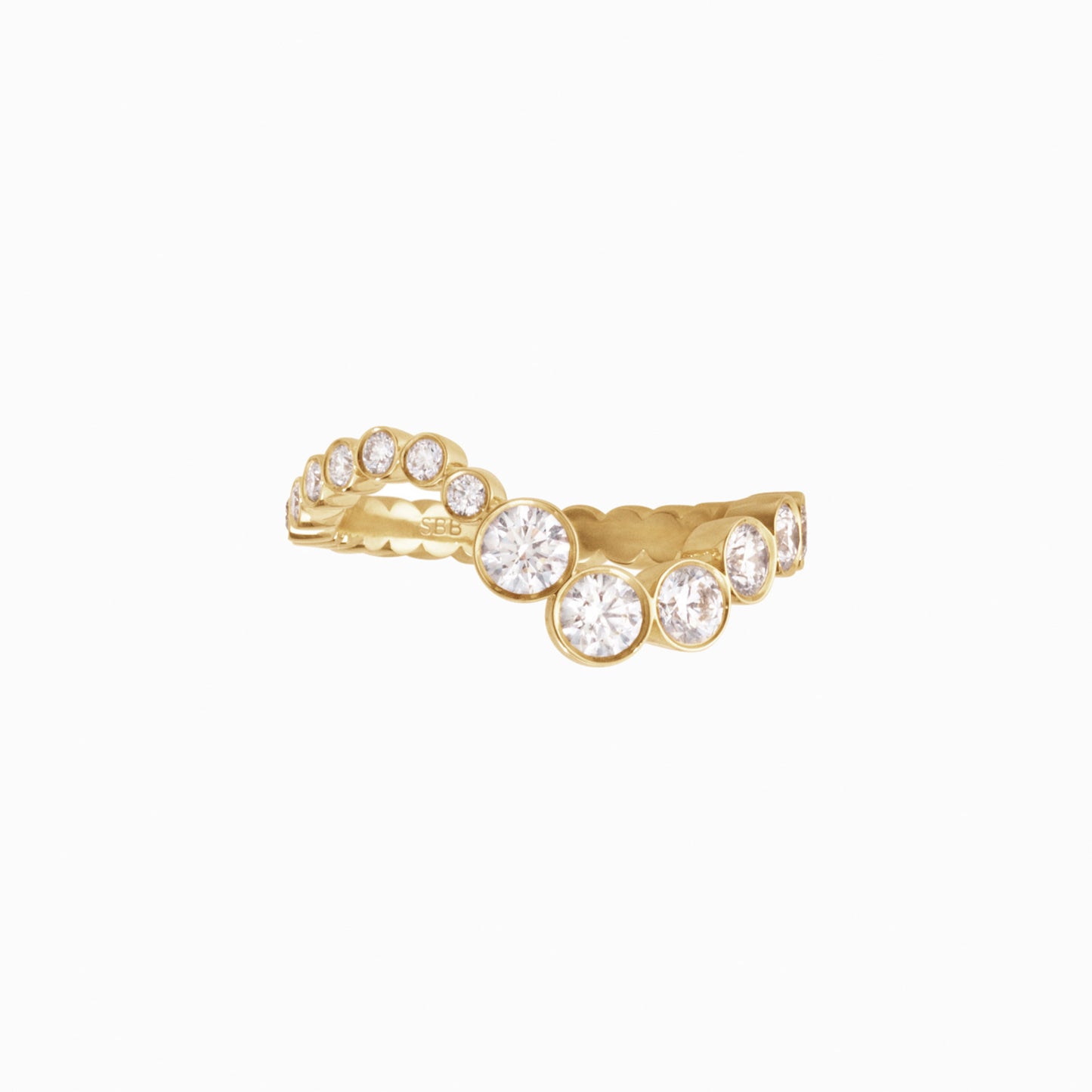
When I finished my master's degree, I began making jewellery for myself and for friends. I did not initially think of it as building a brand. I made a piece, someone responded to it and sometimes they wanted to buy it. That gradual beginning was important because it allowed the work to lead the way. The Croissant de Lune earring was the first design to receive a great deal of attention. It is a single earring formed from graduated diamonds that follow the curve of the ear. It still represents something essential to the brand: a familiar idea treated with a different sense of scale and placement.
The Croissant de Lune has become closely associated with your work. What makes a design endure for you?
I think an enduring design needs clarity. It should be possible to understand the form immediately, but there should also be something unexpected in it. With Croissant de Lune, the single earring changes the way a traditional diamond piece is worn. It is delicate, but it has a distinct presence. I am interested in jewellery that can become part of someone's daily life rather than being reserved for one particular occasion. When a piece is simple enough to wear often, it can gather meaning over time. That personal relationship is what gives jewellery its permanence.
Your work often brings diamonds and pearls into conversation with the night sky. Where does that celestial language come from?
I have always been drawn to the sky and to the point where the ocean meets the horizon. There is something very quiet and expansive in looking into the distance. I think of diamonds as points of light and pearls as something more lunar, soft and luminous. These associations give me a way to approach precious materials without making them feel overly formal. The cosmos also creates a sense of scale. A small stone can suggest something much larger than itself. In the jewellery, I try to preserve that feeling of wonder while keeping the forms clean and precise.
Scandinavian design is often associated with restraint. How does that idea appear in your jewellery?
I do not think of myself as a Scandinavian designer in a strict sense, but I understand why the association is made. My work is clean and the settings are designed to let the stone remain visible. I am interested in reducing a piece to what is necessary, then making every detail count. Restraint does not mean that the jewellery has to be quiet. A pearl necklace or a diamond earring can still be dramatic when the proportion, rhythm or movement is right. For me, simplicity is a way of giving the material room to speak.
Pearls have become one of your most recognisable materials. What continues to interest you about them?
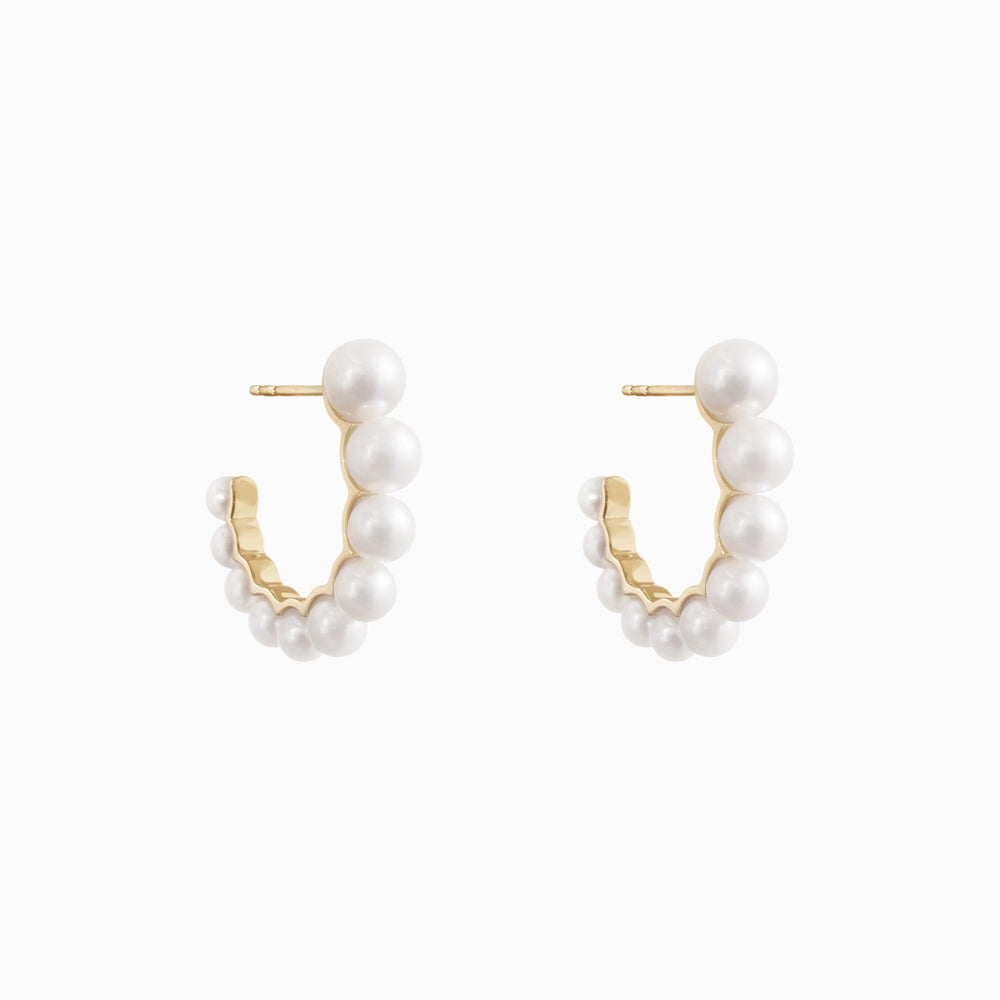
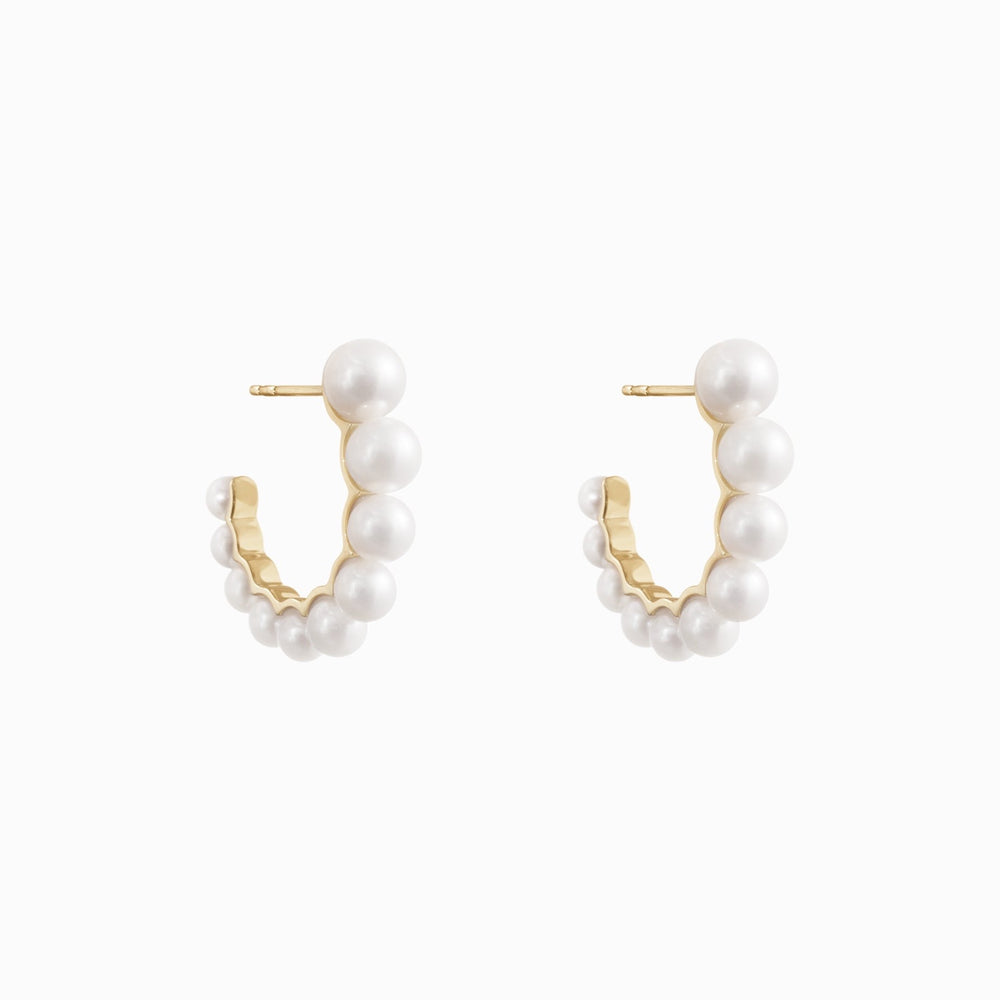
Pearls have a natural softness and irregularity that make every piece feel individual. They are luminous, but they are not as predictable as a diamond. I like working with their shape and allowing that character to remain present. Pearls can be elegant, but they can also feel playful or slightly strange, depending on how they are arranged. They bring a sense of movement to jewellery, especially when they are used in cascading forms. I am interested in showing their natural beauty rather than treating them as something that needs to be heavily transformed.
How do you begin a new piece or collection?
It can begin with a feeling, an image or a particular stone. Sometimes I start by drawing, and sometimes the material gives me the direction. I spend a lot of time considering proportion and how a piece will sit on the body. Jewellery is a very intimate form of design, so the relationship between the object and the wearer is central. I want the piece to have its own character, but I do not want it to overpower the person wearing it. The process involves a lot of editing. A design often becomes stronger when unnecessary elements are removed.
Your jewellery combines a modern appearance with traditional techniques. How do you balance innovation and craftsmanship?
Craftsmanship is the foundation. A new idea only becomes meaningful when it can be made with care and precision. I am not interested in innovation for its own sake. I want to find a new way of setting a stone, arranging a pearl or shaping a familiar motif so that it feels natural and useful. Traditional goldsmithing gives me the knowledge to understand what is possible, while design allows me to challenge expectations. The balance comes from respecting both sides. The jewellery should feel contemporary, but it should also have the quality and durability associated with fine craftsmanship.
Jewellery often becomes connected to important moments in a person's life. What does that emotional dimension mean to you as a designer?
It is one of the reasons jewellery is so special. A piece can be worn close to the body for many years, and its meaning can change as the wearer's life changes. It may mark a relationship, a family moment or simply a period when someone chose something for themselves. I remember understanding the sentimental value of jewellery through my family. A piece can be beautiful, but its real significance comes from the person who wears it and the story they attach to it. I hope my designs leave enough space for that story to develop.
What do you hope people feel when they wear Sophie Bille Brahe jewellery?
I hope they feel connected to the piece in a personal way. The jewellery should not require a particular occasion or a specific way of dressing. It should be possible to wear it with ease, while still feeling that it has a sense of occasion. I like the idea that someone might begin with one piece and gradually build a collection that reflects their life. Each design can stand alone, but the pieces are also intended to live together. Ultimately, I want the jewellery to feel intimate, considered and lasting, with a quiet sense of magic.