Profile
Rachel Scott on Craft, Context, and the Expansive Language of Diotima
Hannah R. Harris / Aug 8, 2026

Based in Cape Town, Sindiso Khumalo brings together African storytelling, hand-developed textiles, social consciousness and a deep belief in clothing that can be lived with for years.
Based in Cape Town, Sindiso Khumalo brings together African storytelling, hand-developed textiles, social consciousness and a deep belief in clothing that can be lived with for years.
You began with architecture before moving into textiles and fashion. What did that first discipline give you as a designer?
Architecture taught me to think about structure, materials and how people move through space. It also made me attentive to proportion, line and the relationship between a surface and the form beneath it. Those ideas remain present in my clothing. I think about how a print sits on a body, how a garment is constructed and how it will be experienced when it is worn. My interest in fashion was always strong, but studying architecture gave me another way to understand design. Working in David Adjaye’s studio in London also encouraged me to take my interest in textiles seriously. I later studied Textiles Futures at Central Saint Martins, which gave me the space to develop that language.
What led you to establish the Sindiso Khumalo label?
I had become increasingly interested in the relationship between textiles, clothing and cultural history. After architecture, I moved through textile study, fashion styling and retail environments, but I realised that I wanted to make the clothes and develop the materials myself. The label grew from that desire. I wanted to create modern clothing with a strong connection to African history, while also thinking carefully about how it was made. From the beginning, the brand has been shaped by sustainability, craft, social equality and female empowerment. Those values are not separate from the visual work. They influence the way I research, draw, choose materials and collaborate with makers.
Your work is closely associated with your Zulu and Ndebele heritage. How do those references enter the design process?
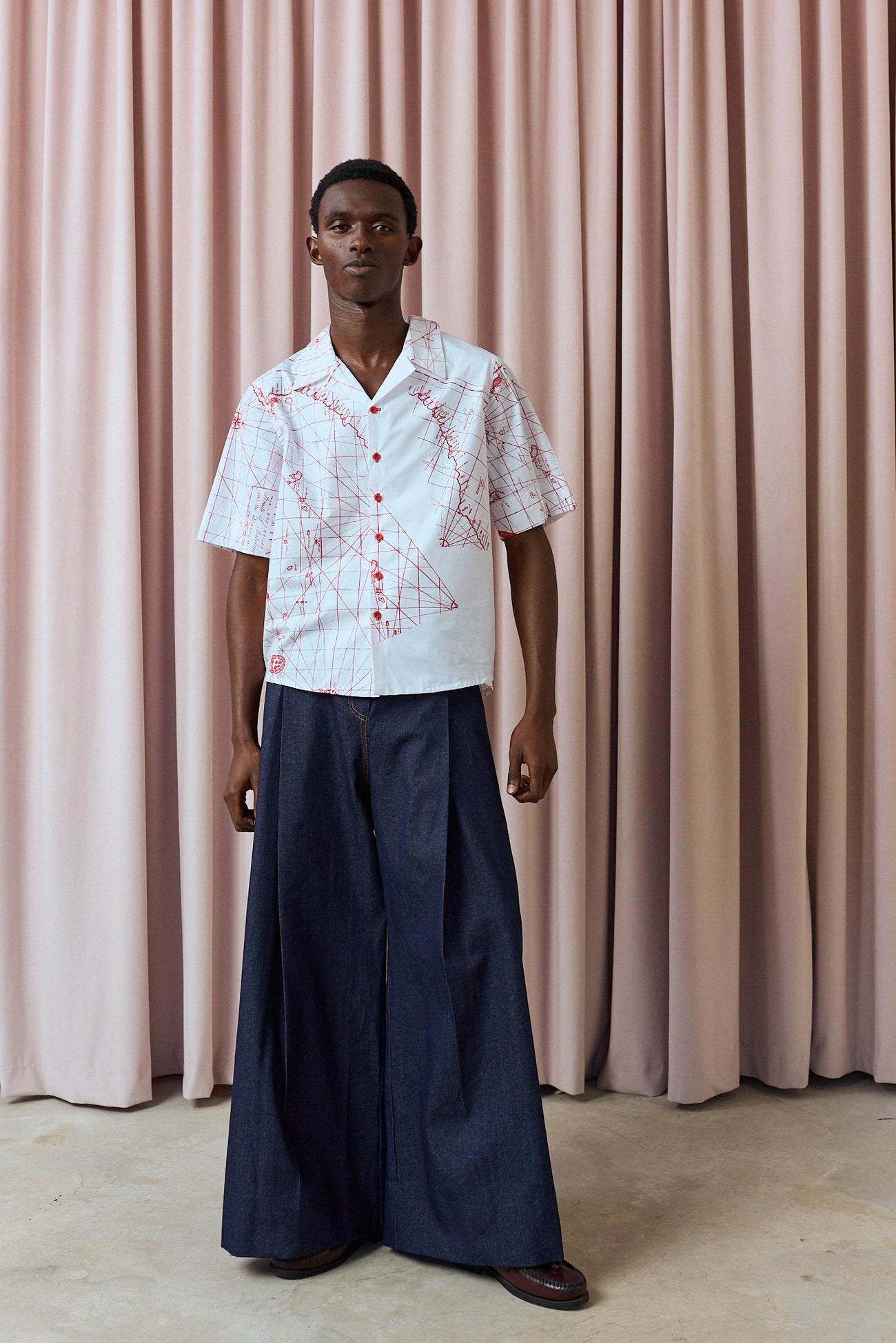
Heritage enters through colour, pattern, memory and visual association, rather than through a literal reproduction of traditional dress. I draw from Zulu and Ndebele visual languages, the landscape of KwaZulu-Natal and the particular ways that colour and pattern appear in daily life. I am also interested in how those references can sit alongside other influences, including modernist architecture, the Bauhaus and the graphic language of the Memphis movement. My textiles begin with my own drawings, watercolours and abstract cutouts. Through that process, references are transformed into a contemporary vocabulary. The aim is to create work that is connected to place and history while remaining open, wearable and alive in the present.
What role does storytelling play in your collections?
Storytelling allows clothing to hold more than a purely decorative function. I have often looked at the representation of Black women in portraiture, particularly from the early twentieth century through the 1980s, as well as at women whose lives carry political or historical significance. My collections have explored figures including Charlotte Maxeke, Harriet Tubman and Sarah Forbes Bonetta. I am interested in the complexity of their lives, their resilience and the ways their stories have been recorded or overlooked. A garment can carry those ideas through an image, a colour, a botanical reference or a construction detail. It becomes a way of keeping a story in circulation without reducing it to a single message.
Your mother’s activism has been an important influence. How has that shaped the values of your brand?
I grew up with an understanding that design and culture exist within wider social and political realities. My mother was an activist who opposed apartheid, and the conversations around me shaped how I think about courage, inequality and the possibility of change. As a child, I did not always understand the risks she had taken, but I came to recognise the strength and optimism that informed her work. That has influenced my interest in women who have faced intense forms of oppression and still found ways to create change. In the brand, this appears through the stories we explore, the women involved in making the work and the belief that fashion can contribute to dignity, visibility and economic opportunity.

Sustainability is central to the label. How do you approach it in practical terms?
Sustainability has to be considered across the whole process, from the material to the lifespan of the garment and the conditions in which it is made. We work with natural and sustainable materials where possible, including fabrics such as hemp, linen and African cotton, and we have explored textiles made from recycled cotton and organic waste. The availability of suitable materials can be difficult in South Africa, so the work requires patience and experimentation. I am also interested in garments that can last and move beyond a single season. For me, sustainability is connected to quality, responsible production and the social conditions surrounding the work. The environmental and human parts of that conversation cannot be separated.

Craft and collaboration are also visible in your collections. What do those relationships contribute?
Craft gives the work a human presence and allows the textile to carry the time and skill involved in making it. We have worked with small workshops, NGOs and artisans in South Africa and Burkina Faso on handwoven and hand-embroidered textiles. These collaborations are not simply a way to add a handmade finish. They require an exchange of knowledge and an understanding of how a particular technique, material or community can contribute to the final piece. Working in this way also places value on skills that are often treated as peripheral to fashion. The result is clothing with a stronger connection to its makers and to the wider systems that make its production possible.
Your work is highly colourful and expressive, yet the silhouettes are often considered and easy to wear. How do you balance those two qualities?
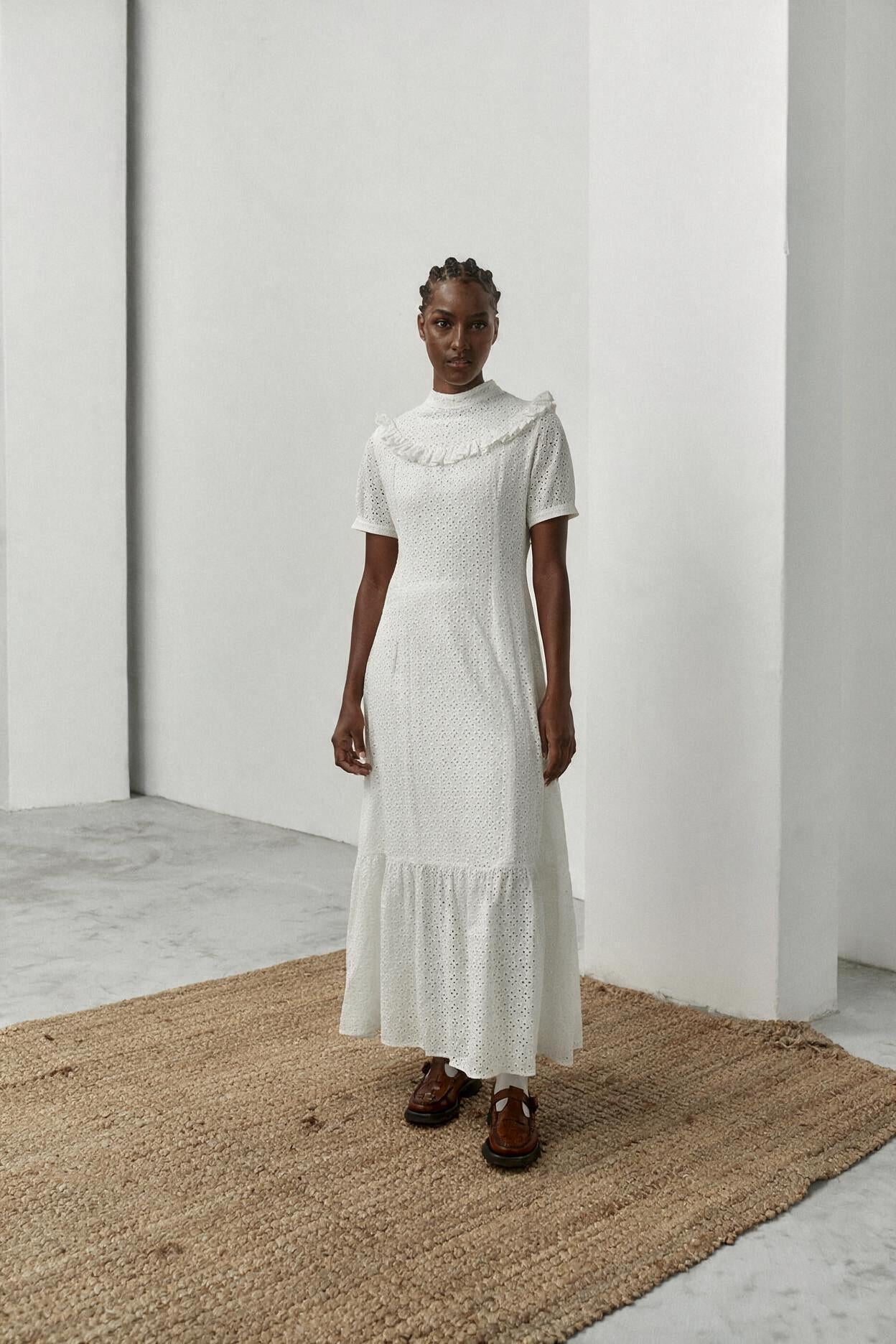
Colour and pattern are important ways for me to create energy, but they need a structure that allows the wearer to live in the garment. My approach has become more restrained in terms of construction, with clean lines and forms that do not compete unnecessarily with the textile. I am interested in clothing that feels special without becoming inaccessible. The print can carry complexity, while the shape remains clear and functional. That balance also reflects my belief that a garment should be able to remain relevant beyond one moment or trend. I want the work to have presence, but I also want it to become part of someone’s life.
What does it mean to make clothing with intent?
It means being conscious of every decision and understanding that clothing has emotional, social and environmental consequences. Intent can exist in the story behind a print, the choice of a material, the way a textile is made or the way a garment makes someone feel. I want the clothes to offer a sense of strength and possibility, particularly through the histories of the women and communities that inform the work. At the same time, intent has to be supported by practice. It is not enough to speak about empowerment or sustainability if those ideas are absent from the making process. The work has to carry those values materially, not only visually.
What would you like the wearer to take from a Sindiso Khumalo garment?
I would like the wearer to feel connected to the garment and confident in it. Clothing can affect how we move through the world, and it can bring forward emotions that are difficult to express in other ways. I am drawn to the idea that colour, pattern and craft can offer a sense of optimism or good fortune. That does not mean the garment has to provide an answer. It can simply make someone feel more visible, more alive or more themselves. I also hope the wearer recognises the care within the piece, from the drawing and textile development to the work of the people who made it. A good garment should continue to reveal something over time.