Profile
Rachel Scott on Craft, Context, and the Expansive Language of Diotima
Hannah R. Harris / Aug 8, 2026

For Simone Rocha, fashion is a way to build an entire world, where romance, craft, memory, and rebellion can coexist in the same silhouette.
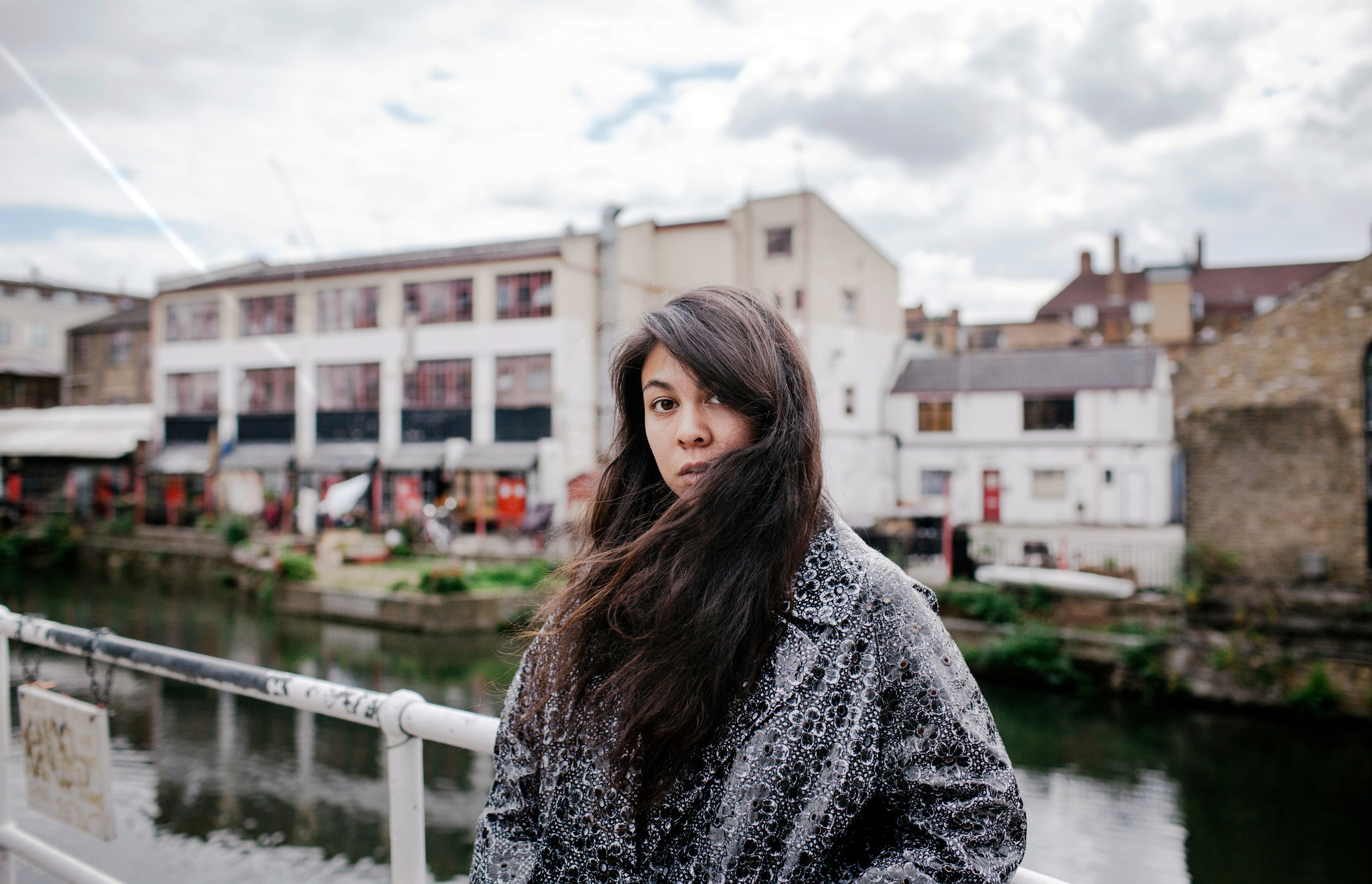
For Simone Rocha, fashion is a way to build an entire world, where romance, craft, memory, and rebellion can coexist in the same silhouette.
You grew up in Dublin and studied there before moving to London. How did those places shape the designer you became?
Dublin remains a very important part of my visual and emotional vocabulary. I was born and raised there, and my Irish and Chinese heritage continues to inform the way I think about identity, family, beauty, and material culture. I studied fashion at the National College of Art and Design in Dublin before completing my master’s at Central Saint Martins in London. London gave me the opportunity to develop a practice and build a company, but Ireland continues to return through landscape, memory, folklore, and a particular sense of romance. The two places have always existed together in the work.
Your father, John Rocha, was also a designer. What did you learn from being around his studio?
My father’s studio was formative because it made fashion feel tangible and communal from an early age. I remember being very happy there. I saw the different stages of a garment, the people involved in making it, and the amount of work required to turn an idea into something real. That experience gave me respect for the practical side of design as well as the creative side. It also showed me that a fashion house is built over time. Although my work has its own language, I understand the value of a studio, a team, and a long relationship with the clothes.
You founded your label in 2010, shortly after graduating from Central Saint Martins. What did the beginning feel like?
It happened quite naturally. Lulu Kennedy invited me to show through Fashion East, and I accepted without having a grand plan for what the brand would become. The label began with a small design team and developed gradually through sales, production, logistics, and the many other parts of running a business. At the time, everything felt fast because the shows arrived so quickly, but the company itself grew step by step. That pace has remained important to me. I have always wanted to build something that could develop on its own terms, with enough time for the ideas and the structure behind them to become stronger.
Your clothes often combine delicacy with something more forceful. How do you approach that tension?
I am interested in the contrast between softness and strength. A bow, a flower, lace, or a rounded silhouette can be read as decorative or traditionally feminine, but those elements can also carry power. I think femininity can be playful, sensual, protective, and defiant at the same time. That is why I return to these details. They are not there simply to make something pretty. They can change the way a person occupies space and the way a garment behaves on the body. I like clothes that hold opposing feelings together, where vulnerability and confidence are present in the same look.
Bows have become one of the most recognisable elements of the Simone Rocha language. What do they mean to you?
Bows have always been connected to femininity and strength in my work. I like the fact that they are immediately recognisable, but still open to interpretation. They can suggest innocence, ceremony, seduction, decoration, or restraint depending on how they are placed and made. A bow can also be slightly awkward or excessive, which gives it a sense of humour. When people take a detail from the collections and use it in their own way, it becomes something beyond the original garment. That is exciting to me. The detail develops a life of its own through the people who wear it.
Your collections often begin with research, but you leave room for the audience to interpret them. How do you balance those two things?
Research gives a collection depth, but I do not want to explain every element so completely that there is no space left for the viewer. I might begin with a book, an artist, a performance, a historical detail, or something connected to my own family and heritage. From there, the collection develops through fabric, proportion, movement, and the body. The original reference may remain present, but it is transformed through the making process. I want each person to have their own response to the clothes. The show can offer a world, but it should not dictate exactly how that world must be understood.
Art and performance have played a recurring role in your practice. What do they allow you to explore?
Art and performance help me think about clothing as something active. A garment does not exist only as an object. It moves, changes shape, and affects the way someone behaves. The work of choreographers such as Pina Bausch and Michael Clark has made me think about what happens on a stage and what might be happening underneath it. That relationship between the visible and the hidden is very important to me. I am interested in clothes that reveal construction, conceal something inside, or create a new movement around the body. Performance gives the collection a sense of character without requiring the clothes to become costumes.
Craft is central to the brand. What do you look for in a material or technique?
I am drawn to materials that have a strong physical presence and can create a contradiction. Something can be light but structured, delicate but protective, historical but made with a modern process. I enjoy combining traditional techniques with unexpected materials and contemporary methods. Embroidery, beading, lace, tulle, and flowers can be treated in ways that alter their usual associations. The making is part of the meaning. When a technique is visible, you can feel the time and attention inside the garment. I also like when an ornate detail is placed on something practical, because that collision can make both elements feel new.
You have designed for women, men, and children, and you have worked with houses and brands including Jean Paul Gaultier, H&M, Moncler, and Crocs. What do collaborations bring to your practice?
A collaboration gives me a chance to place the language of the house in a different environment. The challenge is to keep the identity of the work clear while responding honestly to the history, material, and audience of the collaborator. Working with Jean Paul Gaultier allowed me to engage with couture and with a house whose codes have had a lasting impact on me. Working with H&M opened the work to people who might not otherwise encounter it. Other collaborations have allowed me to think about function, technology, or everyday objects. Each one creates a different set of limitations, and limitations can be very productive.
What do you hope people feel when they wear Simone Rocha?
I hope they feel like themselves, but perhaps with an additional layer of possibility. Clothing can change posture, movement, and the way we enter a room. I do not want to define exactly who the wearer should be or how they should feel. The same dress can be romantic on one person, strong on another, and slightly rebellious on someone else. That openness is important. For me, the best clothes have a sense of character but leave enough room for the person wearing them to bring their own experience, humour, and presence to the look.