Profile
David and Sybil Yurman: A Life in Art, Made Wearable
Hannah R. Harris / Nov 20, 2025

From an unexpected beginning in New York's Diamond District, Simon Ghanimian built Simon G. Jewelry around craftsmanship, personal relationships, and the belief that fine jewelry should become part of a family's story.
Simon Ghanimian arrived in America with about $200 and hopes of studying engineering, but a relative in New York's Diamond District introduced him to diamond setting instead. He later moved to California, registered the business as Simon G. after his full name proved too long to remember, and built the company by visiting independent retailers one at a time.
You arrived in America with the ambition of becoming an engineer. How did jewelry become your path?
When I came to America, I had about $200 and hoped to study engineering. I soon discovered that the cost of college was beyond what I could afford, so I began looking for work. A relative in New York's Diamond District gave me an opportunity to learn the jewelry trade, beginning with diamond setting. I was drawn to the precision of the work and to the way a piece slowly takes shape through many careful steps. Jewelry combined technical skill with artistry, and I found that I enjoyed both. What began as a practical way to support myself became a craft I wanted to understand deeply and continue pursuing.
What did your early training in the jewelry trade teach you that still influences Simon G. today?
It taught me that quality depends on attention to every detail. A piece of jewelry may look complete from a distance, but its strength, comfort, and beauty are determined by the work that is easy to overlook. Setting stones securely, refining the surfaces, and making sure the proportions are right all require patience. I also learned that jewelry is built through skill and discipline, not shortcuts. Those lessons became part of the foundation of Simon G. We continue to approach each piece with respect for the materials, the artisans, and the person who will eventually wear it. Craftsmanship is not a single stage in the process. It informs the entire piece.
How did the brand eventually move from your own work to the creation of Simon G. Jewelry?
After learning the trade in New York, I continued developing my skills and later moved to California, where I felt a strong personal connection to the landscape. I began creating pieces for myself while working in the jewelry business, and people started noticing the work. Over time, those connections led to clients and encouraged me to consider building a company of my own. When I went to register the business, I was told that my full name was too long and difficult to remember. The name Simon G. came from that moment. I then traveled from retailer to retailer, showing the pieces I had made and building relationships one at a time.
What role did independent retailers play in the company's development?
Independent retailers were central to the company from the beginning. I visited stores personally and introduced the work directly, so the relationships were built through conversation and trust. Those early retailers were not simply places that carried the jewelry. They became partners who understood the care behind the pieces and could communicate that to their customers. That approach has remained important as the company has grown. Jewelry is a personal business, and long term relationships matter. We have always believed that retailers should know the people behind the brand and feel that they can reach us directly. The personal connection remains one of the most meaningful parts of the business.
Simon G. is often associated with bridal jewelry, but the brand also creates fine jewelry beyond engagement rings and wedding bands. How do you think about that wider body of work?
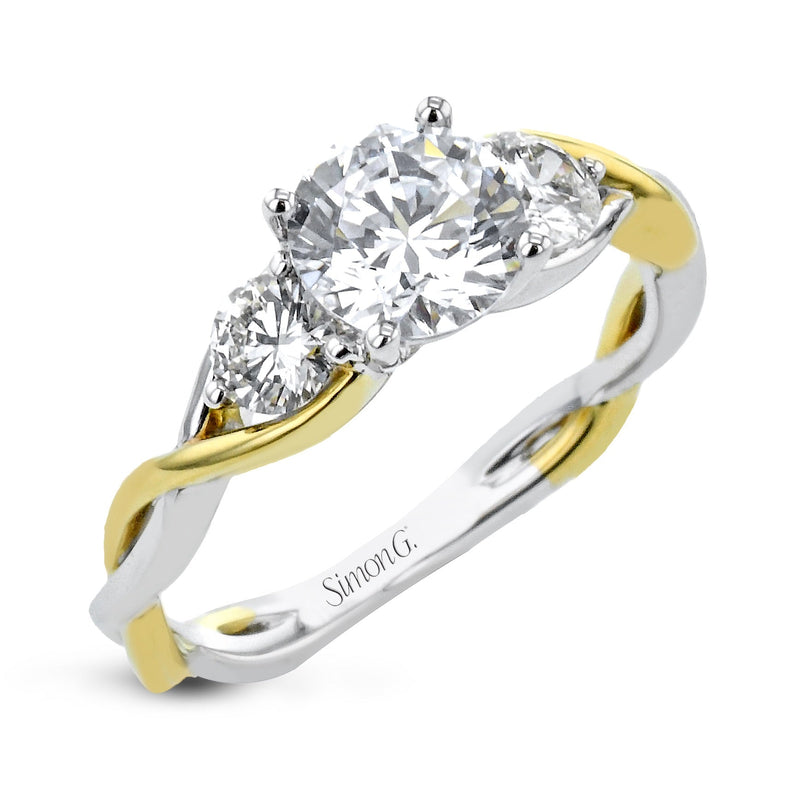
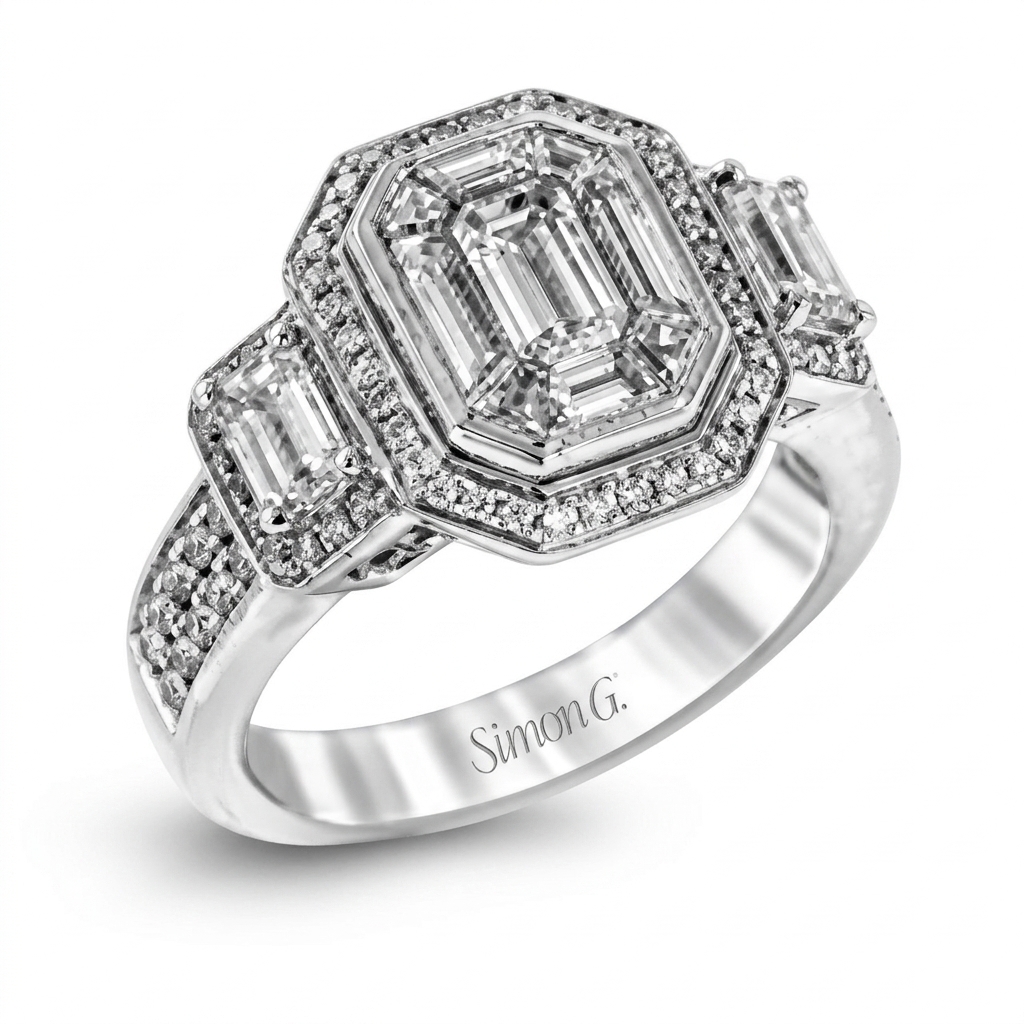
Bridal jewelry has a special place because it is connected to important moments and is often kept within a family for many years. At the same time, fine jewelry can mark many different kinds of occasions. A necklace, bracelet, pair of earrings, or colored gemstone piece can carry its own meaning. The common thread is not a particular category. It is the care that goes into making something worthy of being worn, remembered, and passed on. We design with the understanding that jewelry becomes part of a person's life. It can accompany a beginning, recognize an achievement, or preserve a memory that someone wants to keep close.
Your process places considerable emphasis on construction and quality control. What does that mean in practical terms?
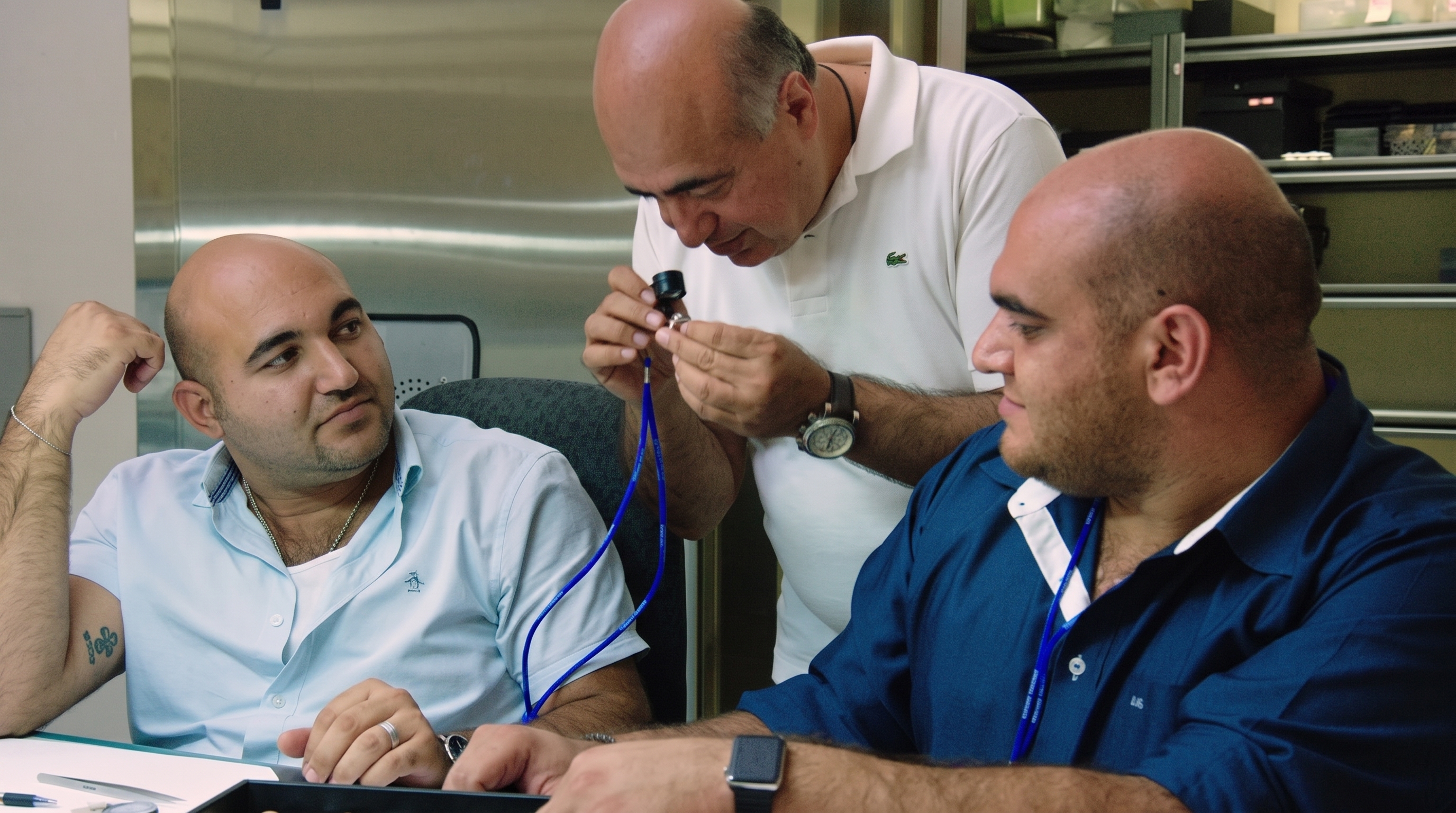
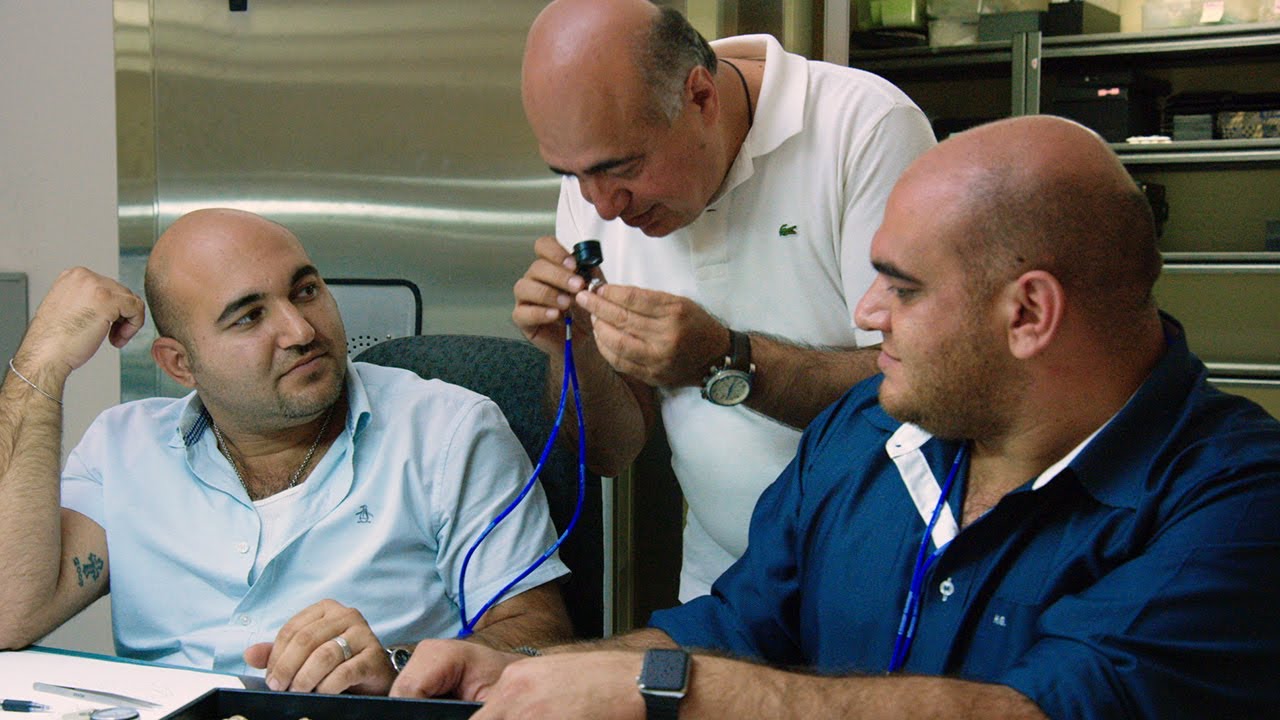
It means that a piece is examined throughout its creation, not only at the end. At Simon G., jewelry passes through multiple quality control stages. Metals are alloyed in house so that the durability and color can be carefully managed. Our artisans work in specialized setting disciplines, including pavé, channel, and prong setting, and diamonds are inspected under microscopes. We also pay attention to surfaces that may not be immediately visible, including the back, interior, and areas beneath the stones. Those details affect how a piece feels, how it wears, and how it reflects light. Quality is the result of consistency across the entire process.
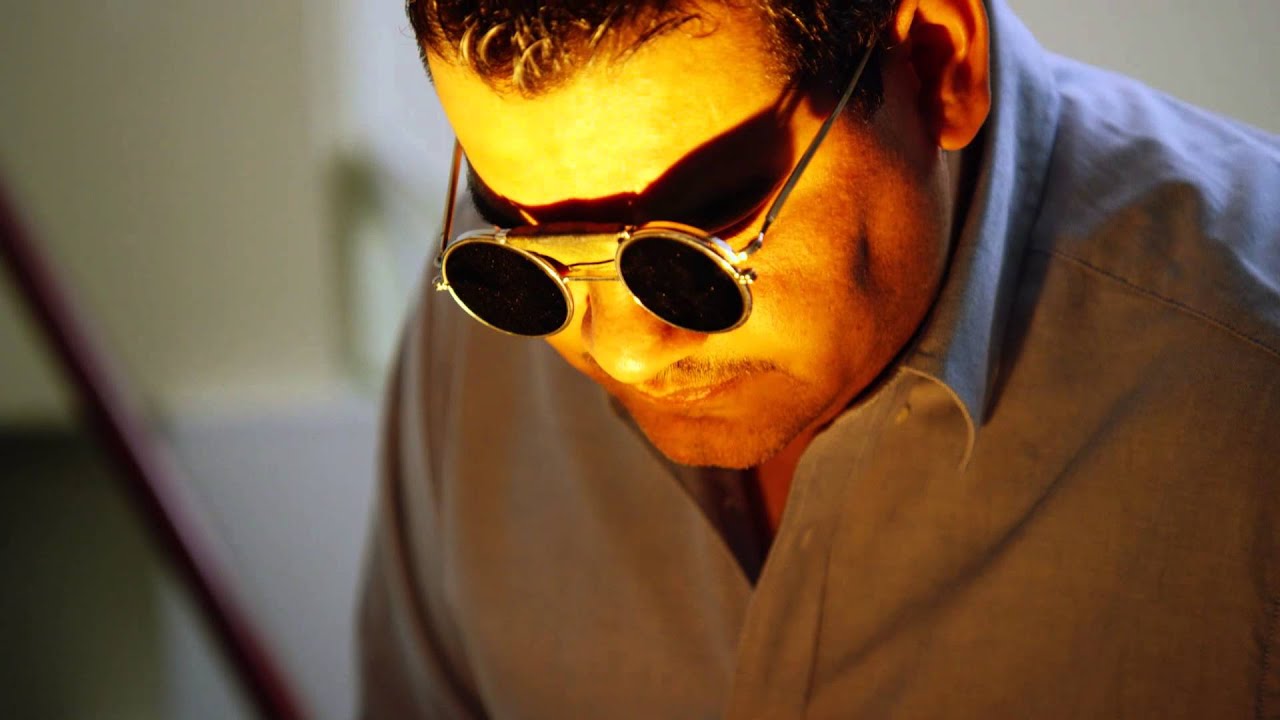
How do you balance traditional jewelry techniques with the desire to keep developing the work?
Tradition gives us a strong foundation, but it should not prevent thoughtful progress. The techniques of jewelry making have been refined over generations, and we respect the knowledge contained in those methods. At the same time, every generation brings new ideas, new tools, and new ways of understanding how people want to wear jewelry. Development should serve the design and the wearer. It should make a piece more considered, more secure, or more expressive without losing the integrity of the craft. For us, innovation is most valuable when it strengthens the work and allows the essential qualities of fine jewelry to remain present.
Family is a visible part of Simon G.'s identity. What does it mean to build a company that can continue across generations?
A family business carries a sense of responsibility. You are not only making decisions for the present. You are protecting the values that allowed the company to exist in the first place. For me, that means maintaining a commitment to craftsmanship, honesty, consistency, and relationships. It also means allowing the next generation to contribute its own perspective. A company cannot remain alive by repeating the past exactly. The work has to evolve while the principles remain steady. Seeing family members involved in the business has made the brand feel connected to a larger story, one that began with a small opportunity and continues through the people who care for it today.
What do you hope a customer feels when they encounter a Simon G. piece?
I hope they feel that the piece has been made with care and that it has the potential to become meaningful in their life. Jewelry is intimate. It is worn close to the body and often connected to people, places, and occasions that matter deeply. The design must be beautiful, but it also has to feel considered and lasting. When someone chooses a piece, they are not only choosing materials or a particular style. They are choosing something that may accompany them for decades and perhaps become part of another generation's story. That possibility is what gives the work its importance.
After more than four decades, what continues to hold your attention in jewelry?
The combination of skill, detail, and human meaning still holds my attention. There is always more to learn about materials, construction, and design, and every piece presents its own set of decisions. But the work also remains connected to people. A jeweler has the privilege of participating in moments that customers may remember for the rest of their lives. That responsibility keeps the craft meaningful. I am also grateful for the relationships that have grown around the company, including those with artisans, retailers, customers, and family. Jewelry may begin with metal and stones, but its lasting value comes from the stories and connections it carries.