Profile
Rachel Scott on Craft, Context, and the Expansive Language of Diotima
Hannah R. Harris / Aug 8, 2026

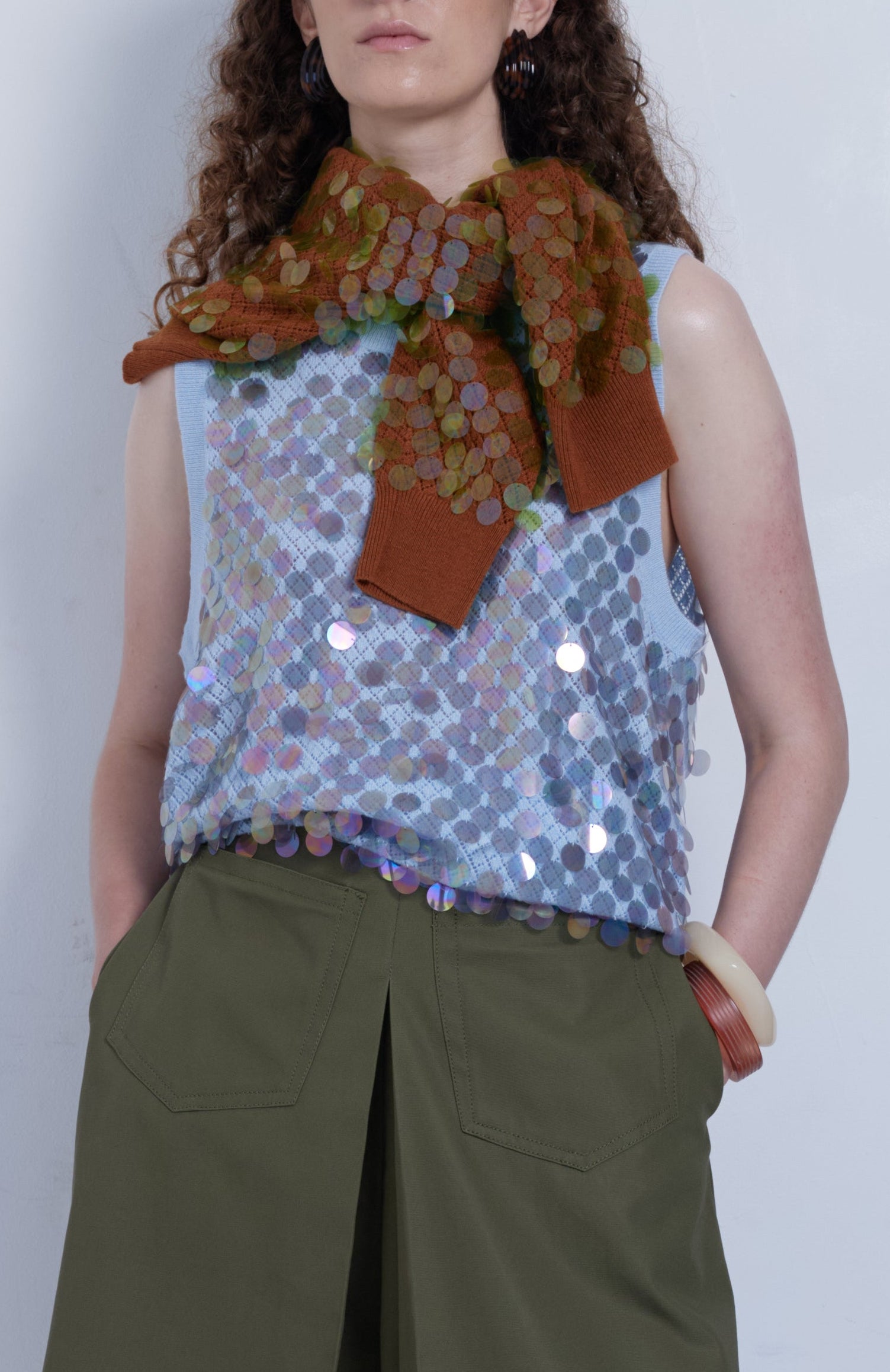
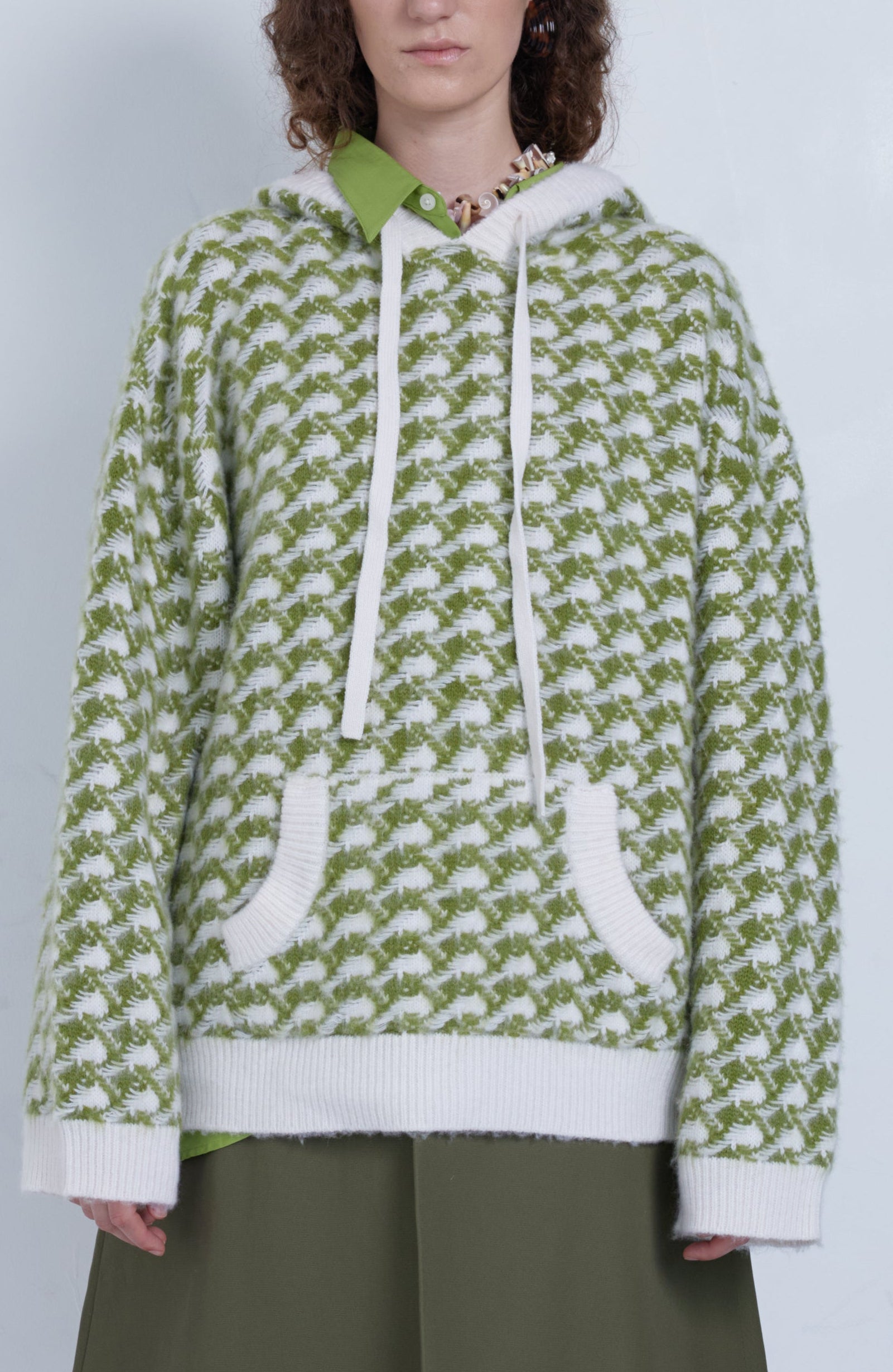
For ZANKOV founder Henry Zankov, knitwear is a precise language of color, texture, and movement, shaped by technical discipline and a desire to make clothing feel personal, playful, and easy to wear.
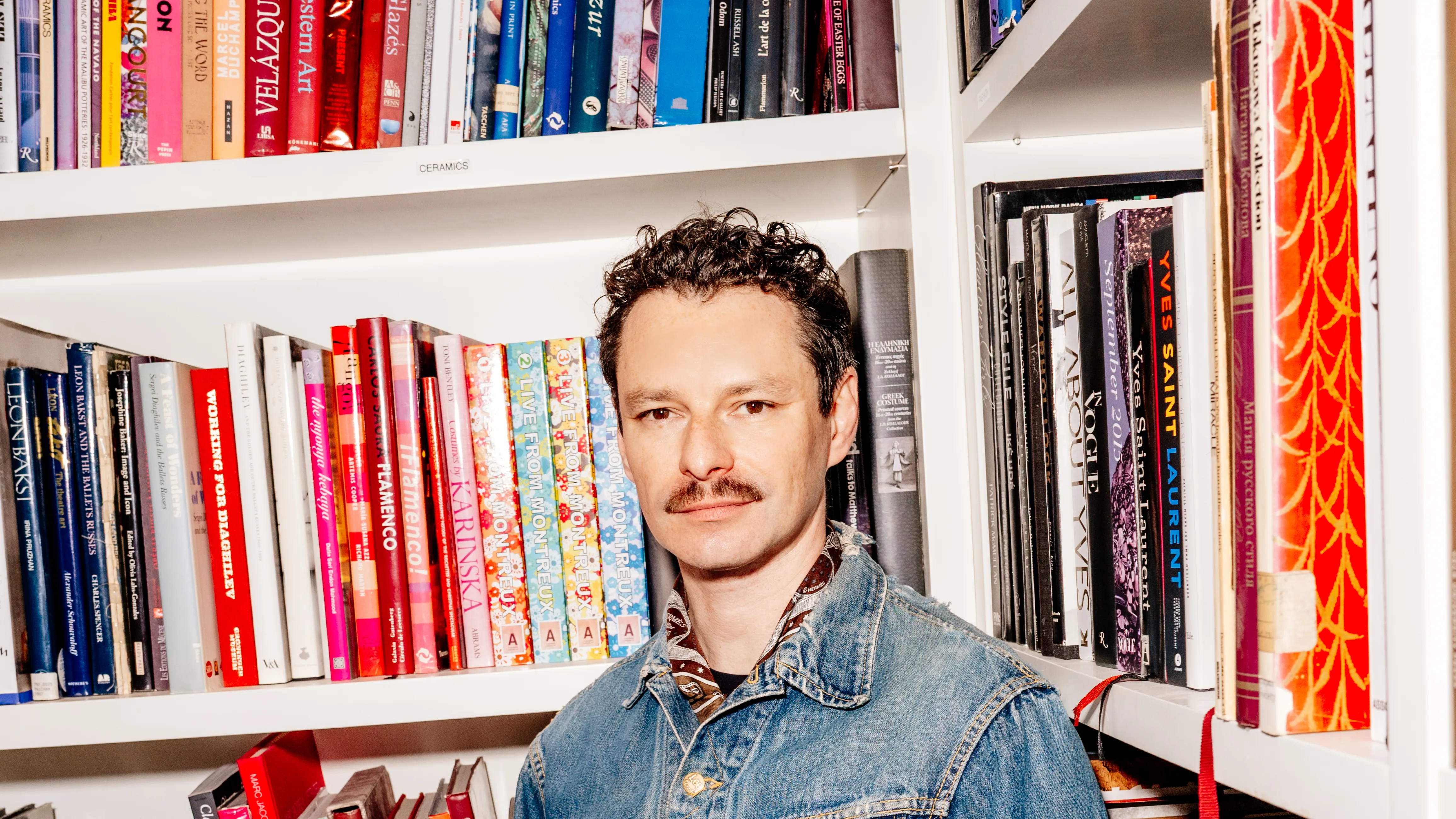
For ZANKOV founder Henry Zankov, knitwear is a precise language of color, texture, and movement, shaped by technical discipline and a desire to make clothing feel personal, playful, and easy to wear.
You began imagining yourself in fashion long before launching ZANKOV. What first drew you to clothing and design?
I was born in St. Petersburg and moved to the United States with my parents when I was a child, eventually growing up in Teaneck, New Jersey. I remember being fascinated by clothing very early on. I would set up a pretend store in my bedroom, sketch designs, and make a catalog for my brother. It was a very simple game, but it already contained the things I still enjoy: imagining a world, making objects, and thinking about how people might choose to live with them. Later, I took sewing classes at the Fashion Institute of Technology while still in high school, and that led me toward studying fashion and eventually specializing in knitwear.
What made knitwear the right medium for you?
I have always been drawn to softer materials, whether jersey, sweaters, or silk. Knitwear begins with a fiber and becomes a garment through a sequence of decisions, stitches, and techniques. I like that direct connection between the material and the finished piece. At the same time, knitting demands patience. The machines can be very delicate, and the process is often slow and exacting. That tension is important to me. The result can feel spontaneous or expressive, but there is a great deal of discipline underneath it. I enjoy working within those technical limits and finding ways to make the material behave in unexpected ways.

Before ZANKOV, you worked with established fashion houses including Donna Karan and Diane von Furstenberg. What did those experiences give you?
They gave me an understanding of how a fashion business functions from several different sides. I learned about design, development, production, and the practical decisions that allow a collection to become a real product. When I first entered the industry, I was very focused on black and neutrals. Working with Diane von Furstenberg opened up my relationship with color because she has such a strong instinct for it. Those years also taught me that an idea has to survive beyond the sketch. It has to work in a garment, in a collection, and ultimately in someone’s life. That balance between imagination and responsibility continues to guide ZANKOV.
ZANKOV has a very recognizable visual language. How do you define the relationship between color, shape, and pattern in the work?
I think about them together rather than separately. Color can change the way a shape is perceived, and a pattern can give a simple silhouette a completely different energy. I am interested in graphic structures, strong contrasts, and combinations that are not immediately predictable. My background and cultural references are part of that, including Russian Constructivism and the Russian avant garde, but the work also comes from art, architecture, sport, music, and the street. The goal is not to illustrate a particular reference. It is to translate the feeling of it into a new relationship between yarn, color, surface, and the body.

The brand often combines simple silhouettes with complex techniques. Why is that contrast important?
I want the clothes to be expressive without becoming difficult to wear. A silhouette can be simple and still have a strong identity if the proportion, surface, or color is considered carefully. The technical work often happens inside that apparent simplicity. We use techniques such as intarsia, horizontal knitting, hand knitting, and different approaches to texture. The inside of a garment matters to me as much as the outside because construction and finish affect how something feels and lasts. I also want the clothing to leave room for the person wearing it. The clothes should bring something out of them rather than take over completely.
ZANKOV began with a small offering and expanded during an unusually difficult period for fashion. How did that early period shape the brand?
We launched with a small collection of six sweaters in 2020, just as the pandemic lockdowns began. It was an uncertain moment, and the business had to stay very lean. We adapted the knitwear into objects for the home, including pillows and blankets, which allowed us to keep working and connect with people who were spending more time at home. That period reinforced the importance of flexibility and of understanding what the work can become beyond its first form. It also clarified that the brand had to develop patiently. Growth could not be separated from the realities of production, cash flow, and the people involved in making the clothes.
ZANKOV pieces are colorful and playful, but they are also carefully engineered. How do you keep those two qualities in balance?
The playfulness comes from the decisions, not from ignoring the process. I might start with a color combination, a stitch, or an unusual proportion, but then I have to test what it does on the body. Knitwear can become overwhelming very quickly, so volume and movement need to be controlled. I am constantly asking whether a piece feels comfortable, whether it can be layered, and whether the person wearing it can make it their own. I enjoy experimenting with texture and unexpected shapes, but I want the final garment to have ease. The technical work should support the feeling of freedom rather than make the wearer conscious of the construction.
How do you think about sustainability and responsibility within a knitwear practice?
It begins with being attentive to materials, construction, and how a garment is cared for. We have worked with natural fibers and with mills and suppliers that allow us to understand more about the materials we are using. Hand knitting, for example, is a slower process, and it makes the labor visible. I also think care continues after the garment leaves the studio. Knitwear does not always need to be washed frequently. Airing a piece and handling it thoughtfully can help preserve it. For me, responsibility is not a separate message added to the work. It is part of making something well, choosing materials carefully, and encouraging a longer relationship with the garment.
You have described ZANKOV as a fashion business, not simply a personal project. What does building a lasting company mean to you?
I started the brand because it is enjoyable and because I love making clothes, but it has always been important for me to treat it as a real business. The goal is to build something that can stand on its own rather than depend entirely on a single moment or personality. That means paying attention to wholesale, direct customer relationships, production, operations, and the pace of growth. We are a small team, so much of my time is divided between logistics and creative work. I want the company to grow meaningfully and steadily. A strong brand needs a clear point of view, but it also needs structure and the ability to support the people doing the work.
As ZANKOV develops beyond its original knitwear focus, what possibilities are you most interested in exploring?
Knitwear remains my foundation, but I am interested in completing the wardrobe and widening the conversation around the brand. That can mean more accessible layers, shirting, wool tailoring, and pieces that create a different relationship between texture and the body. I am also curious about the areas connected to clothing and textiles, including ceramics, home, and collaborations. The expansion should feel natural rather than forced. The visual language is still evolving, and I want to follow where the materials and techniques lead. What matters is maintaining the qualities that define ZANKOV: color, shape, pattern, ease, and a sense of possibility.