Profile
Rachel Scott on Craft, Context, and the Expansive Language of Diotima
Hannah R. Harris / Aug 8, 2026

At Givenchy, Sarah Burton is looking to the house’s earliest ideas to build a modern language shaped by precision, femininity, and the quiet power of the atelier.
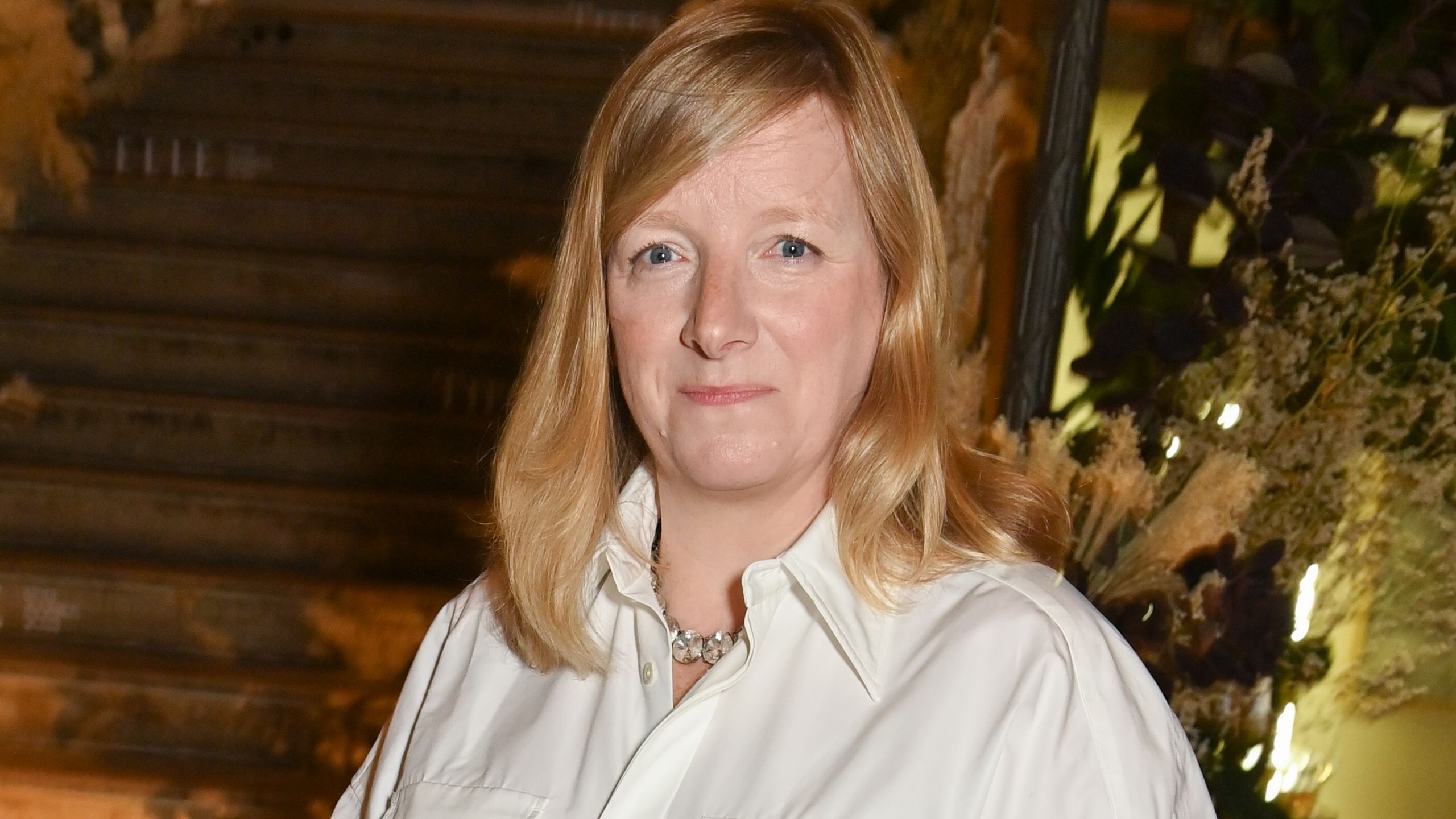
At Givenchy, Sarah Burton is looking to the house’s earliest ideas to build a modern language shaped by precision, femininity, and the quiet power of the atelier.
You arrived at Givenchy with a strong sense of the house’s history. What did you want to understand first?
I wanted to begin with Hubert de Givenchy’s first collection in 1952 and understand the principles behind it. The earliest clothes had a remarkable clarity. They were architectural, but they also had softness and movement. There was restraint, yet never a lack of feeling. Looking at those beginnings helped me see that the house was founded on a very precise idea of elegance, one that was modern for its time. Before developing anything new, I felt it was important to understand the foundations of Givenchy and the character that made the house distinctive.
How did the discovery of the original patterns and materials from the 1952 collection affect your approach?
Finding those patterns in the walls of the original atelier was an extraordinary moment for the house. There were patterns, fabric samples, and the names of the models who wore the clothes. It gave us a direct connection to the beginning of Givenchy, not simply an interpretation of it through photographs or written history. For me, the patterns were a way to study proportion, construction, and intention. They showed how much can be communicated through the structure of a garment. We used that knowledge as a starting point, while allowing the clothes to become something new.
Your first Givenchy collection was presented in the house’s historic salons. Why was that setting important?
The location connected the collection to the house in a very direct way. Givenchy has a particular history in that building, and presenting there allowed the work to exist within the space where much of that history was created. I was interested in the relationship between the old and the new. The setting was not intended as a reconstruction of the past. It gave the collection a sense of place and allowed the clothes to be seen against the architecture of the house. That relationship between clothing, space, and history became part of the atmosphere of the show.
Silhouette is central to your work. What role does it play in defining this new Givenchy woman?
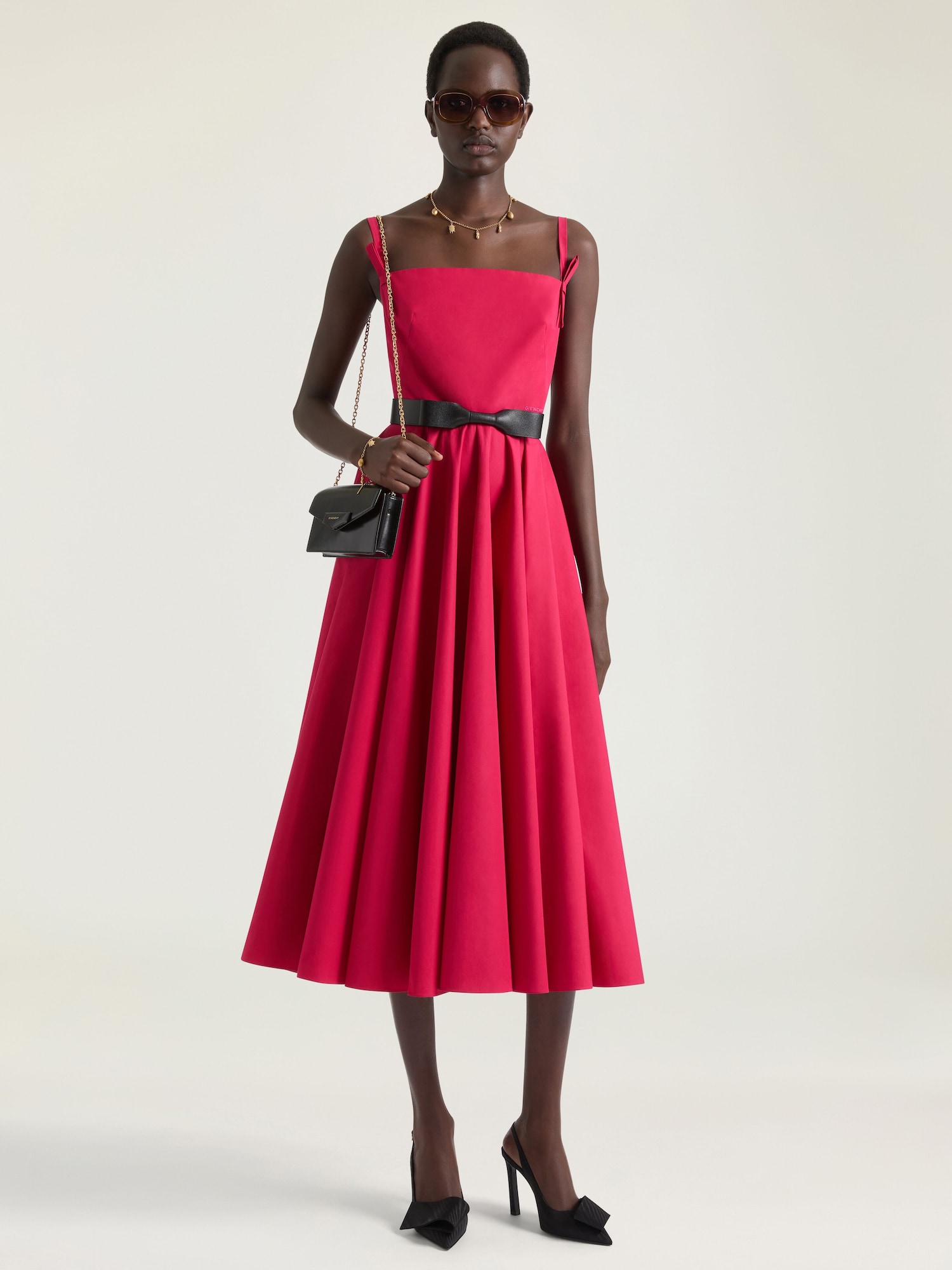
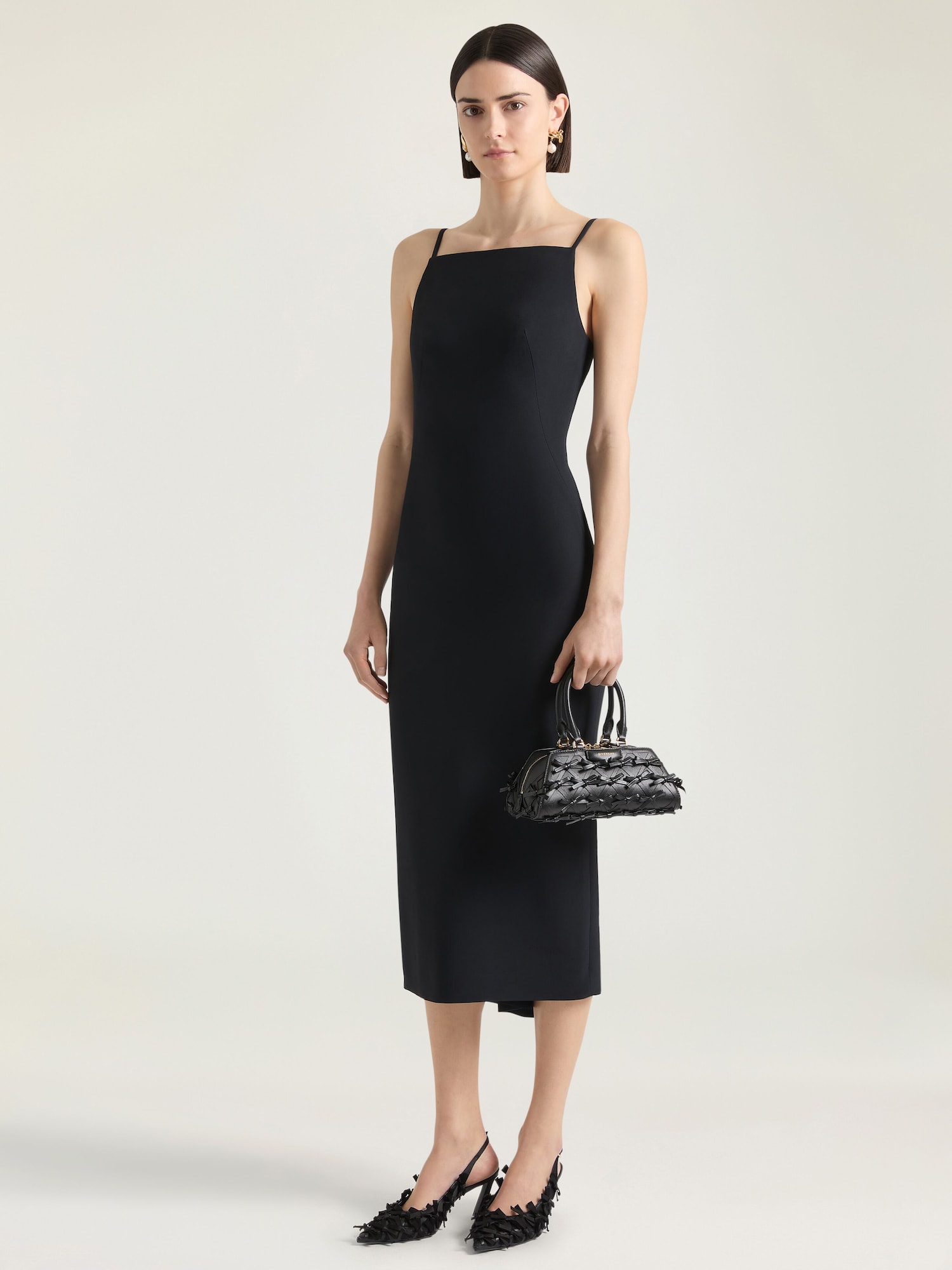
Silhouette is where everything begins. It establishes how a garment moves, how it holds the body, and how the person wearing it can inhabit it. At Givenchy, I was drawn to shapes that have a sense of control without becoming rigid. There are strong shoulders, defined waists, elongated lines, and pieces that create volume around the body. I wanted the clothes to feel confident and expressive, but also useful to the woman wearing them. The silhouette should have presence, while leaving room for individuality and movement.
The collection revisited several recognisable Givenchy codes. How did you make them feel relevant to the present?
I approached the archive as a living resource rather than a set of images to reproduce. Certain elements immediately felt important: the clean lines, the relationship between tailoring and eveningwear, the balance of strictness and softness, and the house’s understanding of the female form. The task was to translate those ideas into clothes with a different rhythm and attitude. An archive becomes meaningful when it can generate something unexpected. I wanted the references to be visible in the construction and proportion, while the overall feeling remained contemporary and connected to the way women dress now.
You have often spoken about the importance of craft. What does the atelier contribute to your creative process?
The atelier brings an idea into physical reality. A sketch can suggest a shape, but the work truly begins when the pattern is made, the fabric is tested, and the garment is fitted on the body. That process reveals things you cannot always anticipate. It also creates a conversation between the designer and the people making the clothes. Their knowledge is part of the design. I am interested in the adjustments that happen along the way, because they give a garment life. Craft is not separate from creativity. It is one of the ways creativity becomes precise.
There is a tension in the collection between polished construction and visible imperfection. What draws you to that contrast?
Perfection can sometimes make a garment feel distant. I am more interested in clothes that retain evidence of the hand and of the person who wears them. A slightly irregular surface, an unfinished edge, or a shift in proportion can make something feel alive. That does not mean a lack of discipline. The construction still has to be exact. The contrast is between a controlled foundation and details that introduce movement or uncertainty. I think that tension is important because clothing is not only about an idealised image. It is also about real bodies, real lives, and the character that comes with them.
How do you think about femininity in your work?
I do not think of femininity as one fixed image. It can be strong, delicate, sensual, practical, reserved, or quite direct. My interest is in giving women clothes that allow them to express those different sides of themselves. That is why I often return to tailoring, defined shoulders, and structured shapes, but place them alongside softer fabrics, exposed skin, or details that have a sense of fragility. The woman should not disappear inside the design. The clothes need to support her presence and give her a feeling of confidence.
Your work at Alexander McQueen was closely associated with a particular creative history. What does it mean to begin again at Givenchy?
Beginning again means bringing what you have learned with you, while accepting that the new house has its own identity. My years at Alexander McQueen taught me a great deal about construction, emotion, teamwork, and the responsibility of continuing a creative legacy. Givenchy has a different foundation and a different history. I wanted to respect that distinction rather than carry one house into another. The starting point here is Hubert de Givenchy’s clarity and modernity, and the challenge is to build on those qualities through my own sensibility.
What do you hope people feel when they encounter your Givenchy?
I hope they feel the intention behind the clothes. I want the work to reward a closer look, whether that is through the cut of a jacket, the construction of a dress, the handling of a fabric, or a detail that is not immediately obvious. At the same time, the clothes should have an emotional directness. They should not require an explanation before they can be felt. Givenchy has a strong history, but the purpose of that history is to help create something with energy in the present. I want the house to feel precise, human, and open to the future.