Profile
David and Sybil Yurman: A Life in Art, Made Wearable
Hannah R. Harris / Nov 20, 2025

Ryan Rehbock, founder of The Crown Collection, discusses the collecting instinct, the value of patience, and the community built around jewelry, minerals, fine art, and singular objects.
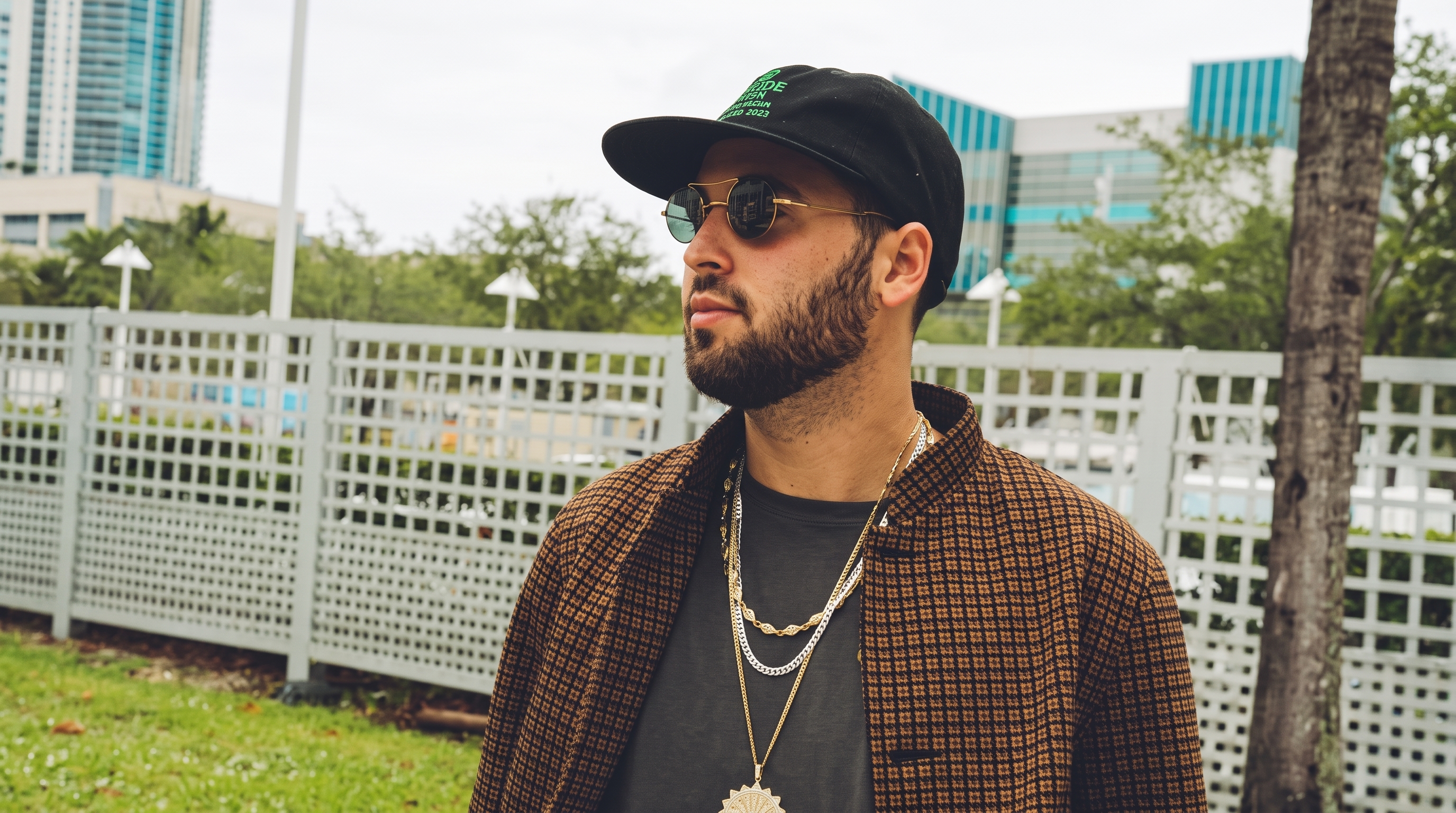
Ryan Rehbock founded The Crown Collection in 2010, beginning by buying small cases of jewelry from emerging artist friends and reinvesting as the collection grew. What started as a personal habit expanded into a gallery spanning jewelry, minerals, painting, and sculpture, along with custom commissions for clients including Diplo and Billie Eilish.
How did your relationship with collecting begin?
About a decade ago, I began buying small cases of jewelry from friends who were emerging artists. Once I sold one case, I would buy a larger one, and that process continued for years. Over time, I built an extensive personal collection and developed a network of collectors and artists. That gradually shaped the role I have today as a curator. What started as an interest became a way of connecting people with pieces that have a strong sense of individuality and craftsmanship.
When did that personal interest become The Crown Collection?
The collection was founded in 2010, rooted in my appreciation for the time, creativity, and sensitivity involved in making one-of-a-kind art. It began as a passionate hobby, but it grew into a wider community of artists and people who appreciate their work. The Crown Collection reflects that progression. It is a place where the objects matter, but so do the relationships around them. The artists, artisans, collectors, and appreciators are all part of what gives the project its character.
You describe The Crown Collection as more than a jewelry business. How do you define it?
At one level, The Crown Collection is an art gallery offering unusual work across several forms. Jewelry is central, but the collection also includes minerals, paintings, sculptural work, functional glass, photography, clothing, and digital art. At another level, it is a family of collectors, creators, artisans, and appreciators. We are interested in pieces that are difficult to find elsewhere, but we are equally interested in creating an environment built around inclusivity and originality. The collection is defined by both the work and the community that gathers around it.
What do you look for when selecting an object or working with an artist?
I look for individuality first. The pieces that stay with me have a quality that cannot be easily replicated, whether that comes from the material, the design, the artist's approach, or the way those elements come together. With minerals, I pay close attention to exclusivity and distinctive characteristics. With artists and artisans, I am drawn to the care and sensitivity present in the work. The goal is not simply to offer something expensive or unusual. It is to find work with a clear identity and a reason to exist within the collection.
How did custom work become part of the brand?
As the collection developed, I began building more complex custom pieces for individual customers. Those projects often involved rare gemstones and precious metals, and they allowed the work to become more personal and specific. A custom piece starts with understanding the person it is intended for, then finding the right way to translate that into materials and form. We have been fortunate to create pieces for people including Diplo, Billie Eilish, G-Eazy, and 6lack. Those projects have reinforced my interest in making objects that feel singular to the person who wears or owns them.
What does curation allow you to do that simply selling objects does not?
Curation creates a relationship between otherwise different works. A piece of jewelry, a mineral specimen, a painting, or a sculpture can each stand on its own, but placing them together gives people a broader way to experience them. It also creates an opportunity to introduce collectors to artists and materials they may not have encountered before. I enjoy building those connections. The collection is not meant to be limited to one category or one kind of collector. It is universal and expansive because art can take many forms.
The Crown Collection places a lot of emphasis on community. What does that mean in practice?
Community means that the collection is not built only around transactions. It includes the people who make the work, the people who collect it, and the people who take the time to appreciate it. I have always valued the network that develops between artists and collectors. When someone finds a piece that speaks to them, they often want to share it with a friend or family member, and that helps the work travel naturally. The collection grows through those connections and through a shared belief in originality.
Has the path of building the brand been difficult?
The growth has been organic and, overall, smooth. I tend to be intuitive, so I try to be patient and allow the next step to present itself rather than forcing every decision. That requires staying positive and keeping an open mind. The direction of the collection has developed through the people I meet, the work I discover, and the opportunities that feel aligned with what we are building. Patience has been important because a collection with this kind of range cannot be rushed. It needs time for the right artists, objects, and relationships to come together.
What do you hope people feel when they encounter the collection?
I hope they feel a sense of discovery. The objects should invite people to look more closely and to consider the work, materials, and process behind them. I also want the collection to feel welcoming. Art can sometimes be presented as though it belongs only to a select group, but I believe it is for everyone and that it can genuinely affect people's lives. Whether someone is encountering a rare mineral, a custom piece of jewelry, or a work in another medium, the experience should begin with curiosity and appreciation.
Where do you see the future of The Crown Collection?
The focus is on continuing to create and develop groundbreaking custom pieces for inspiring collectors. As the collection grows, I want to keep raising the standard for what can be made while remaining committed to originality and individuality. The possibilities are broad because the collection is not restricted to a single medium. Jewelry, minerals, fine art, sculpture, glass, photography, clothing, and digital work can all have a place when they bring something distinct. The future is about continuing to find that distinctiveness and giving it the attention it deserves.