Profile
David and Sybil Yurman: A Life in Art, Made Wearable
Hannah R. Harris / Nov 20, 2025

For Alighieri founder Rosh Mahtani, jewellery is a way to carry stories, create courage and connect the intimate with the universal.
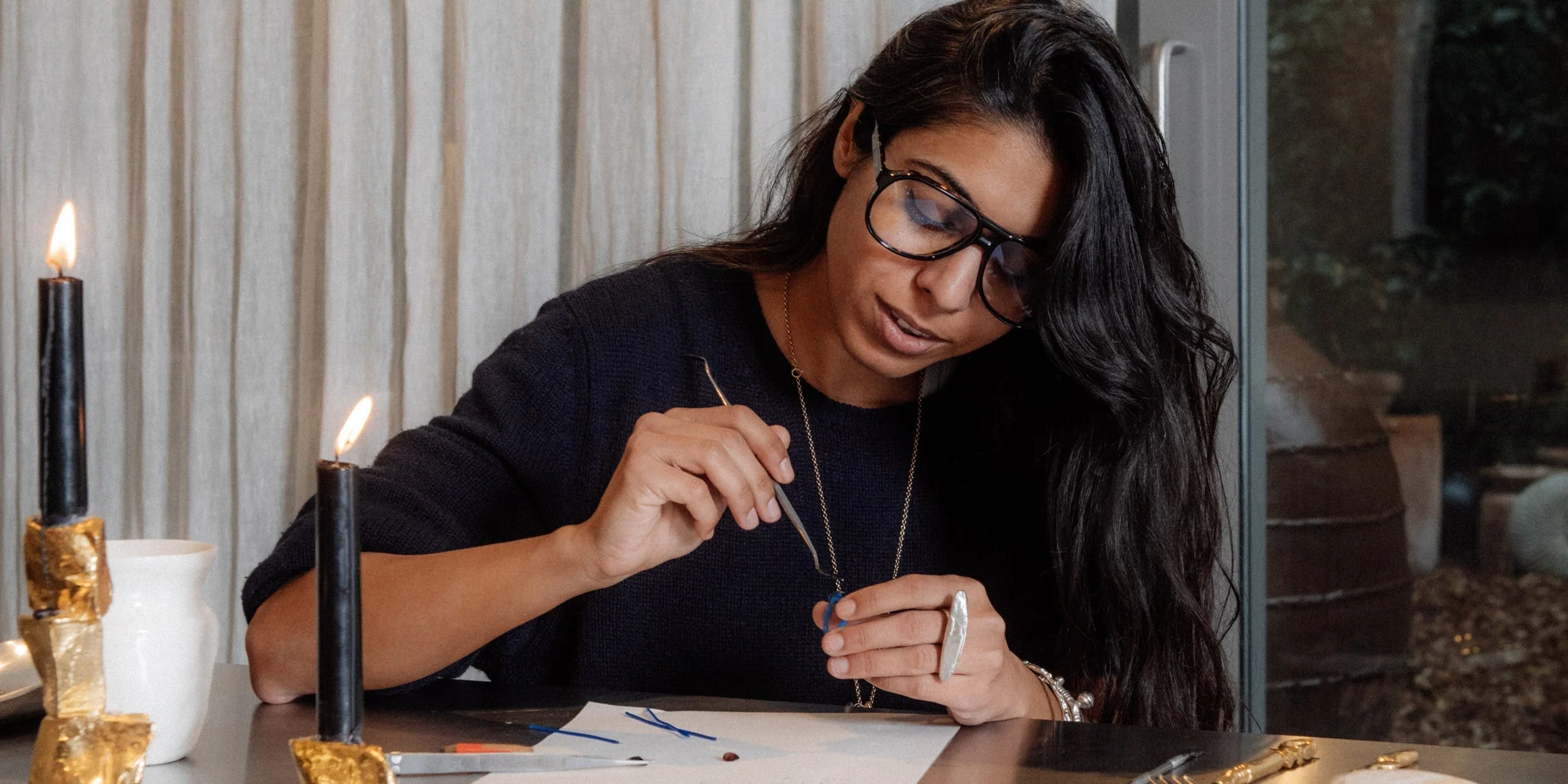
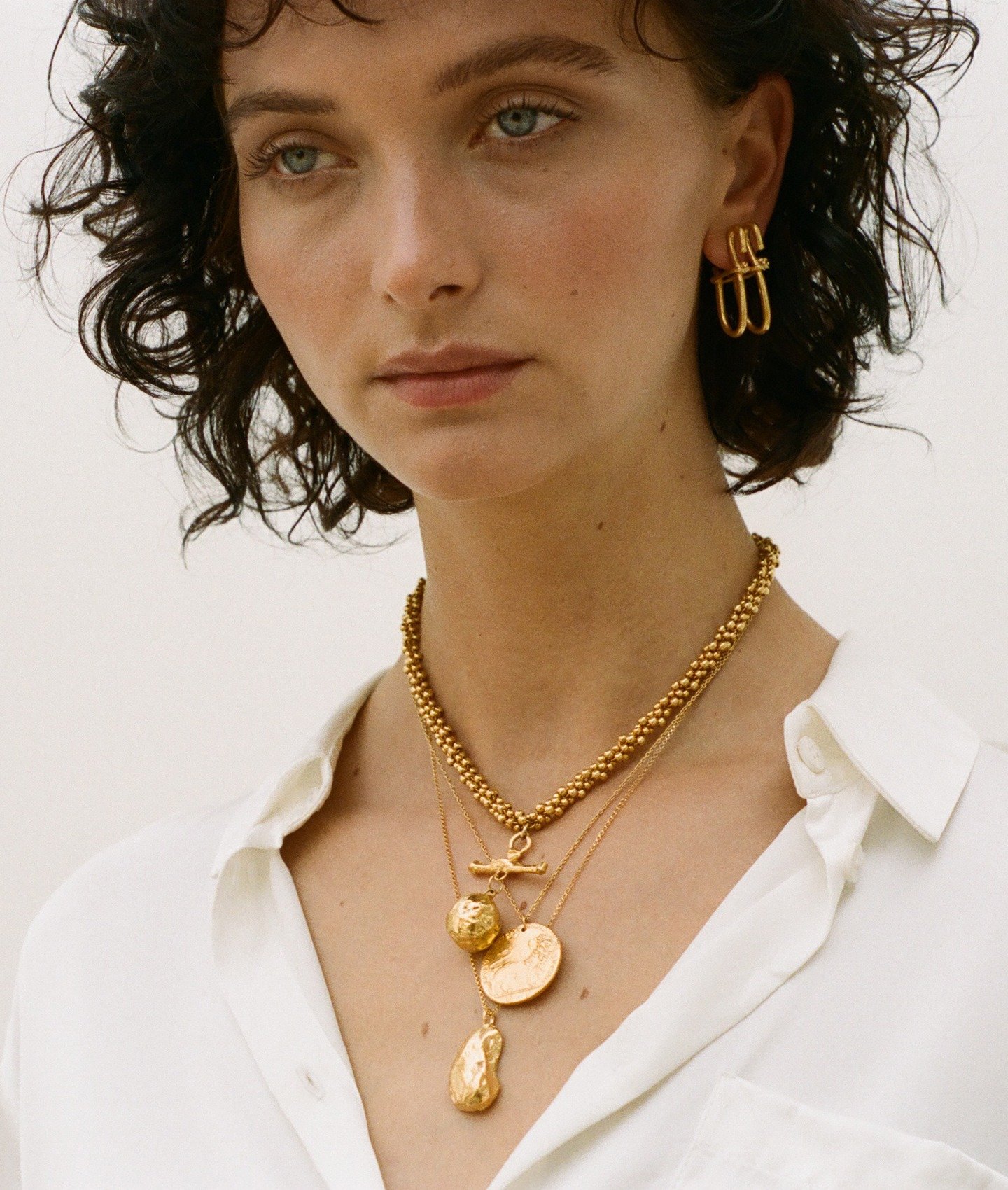
Rosh Mahtani studied French and Italian literature at Oxford, where a year spent with Dante's Divine Comedy became the seed of Alighieri. After a one-day wax carving course in Hatton Garden, she began making small, deliberately weathered pieces by hand, starting with the Leone Medallion, one canto at a time.
Alighieri began with Dante's *Divine Comedy*. What first drew you so deeply into the poem?
I studied French and Italian literature at Oxford, where we spent an entire year with Dante. I became fascinated by the scale and visual richness of the *Divine Comedy*, but also by its humanity. Dante's journey is full of fear, confusion, loss and moments of transformation, which made it feel very personal as well as universal. I was interested in the possibility of translating that world into objects. The poem is divided into one hundred cantos, so I began with the idea of creating one piece of jewellery for each canto. That structure gave me a way into the work and allowed the story to unfold gradually.
Before Alighieri, you had worked in press, ecommerce and writing. How did jewellery become the form that stayed with you?
I always knew I wanted to do something creative, although I did not know exactly what that would be. After university, I worked in several different roles and began making jewellery as a side project. I had taken a one day wax carving course in Hatton Garden, and that experience opened up a completely new language for me. I started making small objects without any formal training or a fixed idea of what they were supposed to become. Eventually, the work began to take on a life of its own. The Leone medallion was one of the first pieces I made, and seeing friends respond to it was the moment I began to believe this could become a real practice.
Your pieces have a deliberately weathered, imperfect quality. What does imperfection allow you to express?
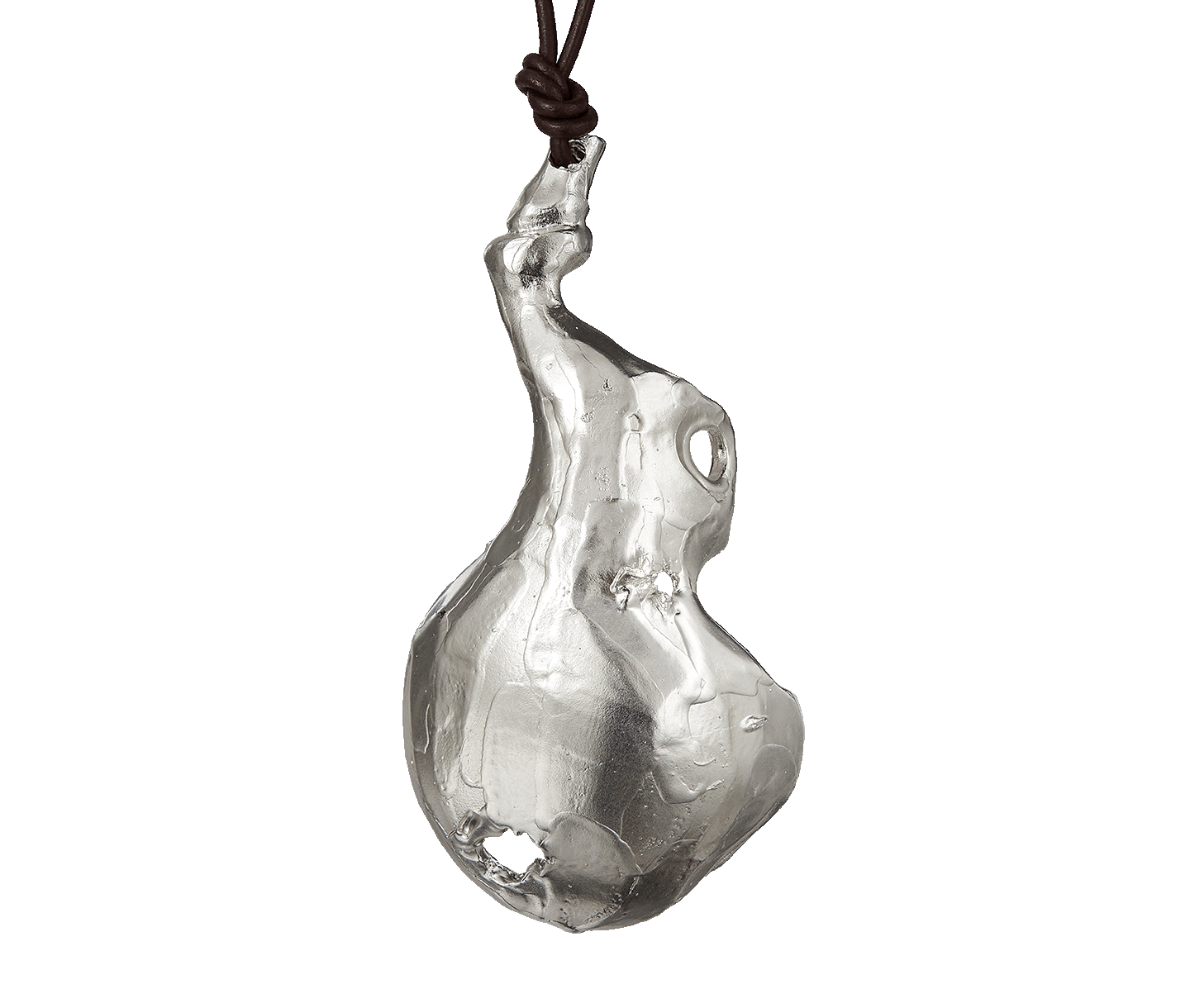
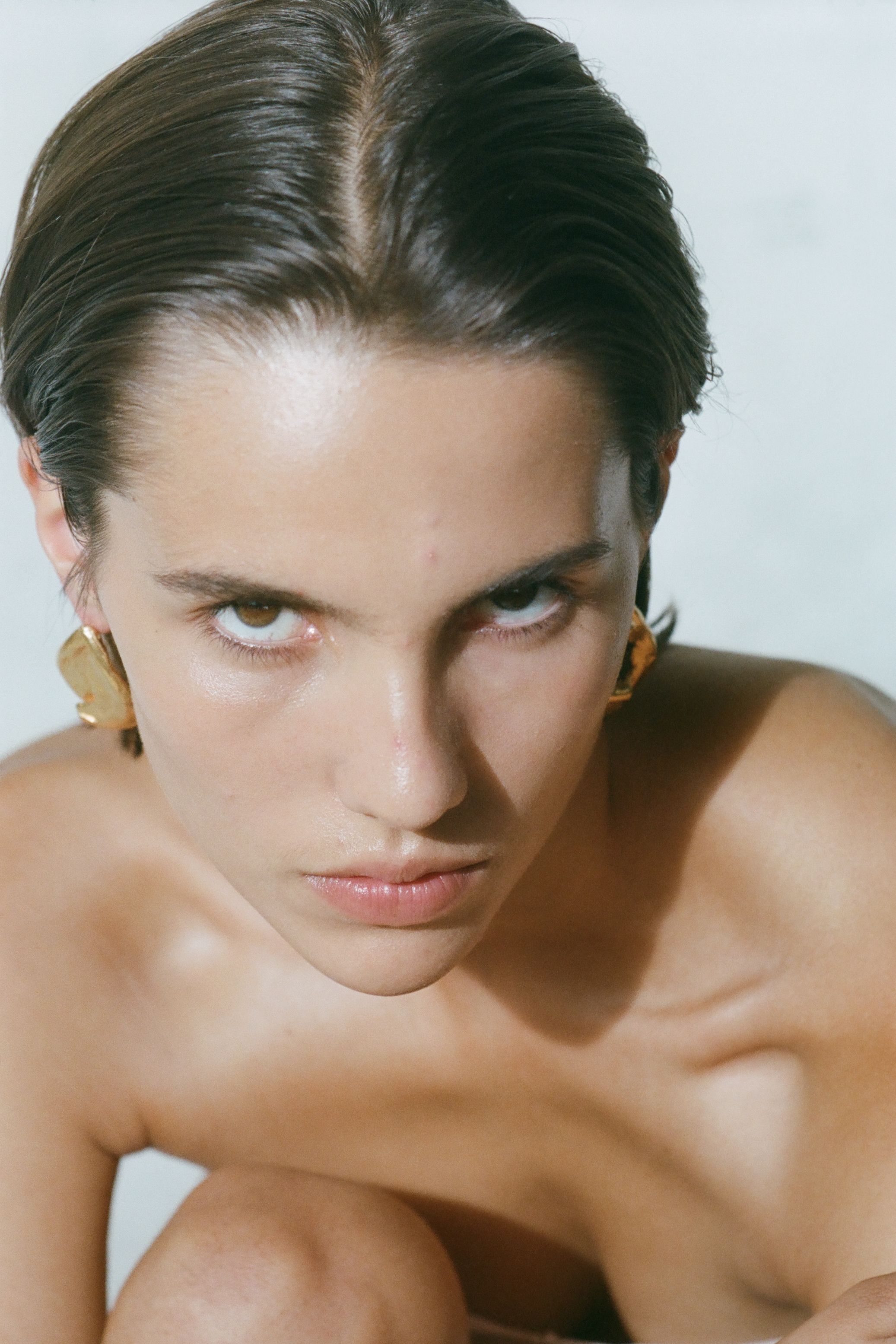
Imperfection is central to the way I think about both objects and life. The pieces are fragmented and tactile because I want them to feel as though they have travelled through time. They should carry the evidence of the hand that made them rather than appearing completely removed from the process. The wax carving gives each design an irregular quality, and the casting means that no two pieces are exactly alike. That feels important because jewellery is often connected to memory, identity and personal experience. A perfectly polished object can be beautiful, but an imperfect one can feel more intimate. It leaves room for the person wearing it to bring their own story.
Can you describe the process of turning an idea into an Alighieri piece?
I begin by working directly in wax. I carve, cut and build the form by hand, often returning to the same piece repeatedly until it begins to communicate what I want it to say. The wax is then taken to a local caster in Hatton Garden, where it is cast in materials including recycled bronze, silver or gold. The process is connected to a much older form of making, which is part of what attracted me to it in the first place. I like knowing who is involved at each stage and being close to the people making the work. That physical relationship between the studio and the craft is essential to Alighieri.
Hatton Garden is an important part of the brand's identity. Why has local production mattered to you?
Hatton Garden has an extraordinary history, with so much knowledge and skill concentrated in a very small area. When I first arrived there, I was welcomed by the people in the casting community, who taught me and helped me understand the process. That relationship has continued to shape the brand. It matters to me that I can see the work being made and know the hands behind it. Local production also allows us to maintain a close connection with the craft and the people who sustain it. Hatton Garden is under pressure from rising costs, and there is a real danger of losing the trade that gives the area its character. Making in London is part of our commitment to keeping that tradition visible.
Jewellery appears across cultures as a form of protection, memory and belonging. How has that wider history informed your work?
I have always been interested in jewellery as something more meaningful than decoration. My grandparents left India with only a few gold coins and heirlooms, and that story stayed with me. Those objects represented memory, continuity and the possibility of carrying something forward. Growing up in Zambia, and later moving to London, also made me think about identity and belonging. During my travels, I became aware of how many cultures use jewellery to mark important moments, protect the wearer or connect generations. That shared language is one of the reasons I think of Alighieri pieces as talismans. They are objects people can use to hold onto courage, memory or a sense of connection.
The Leone Medallion has become one of Alighieri's defining pieces. What does it represent for you?
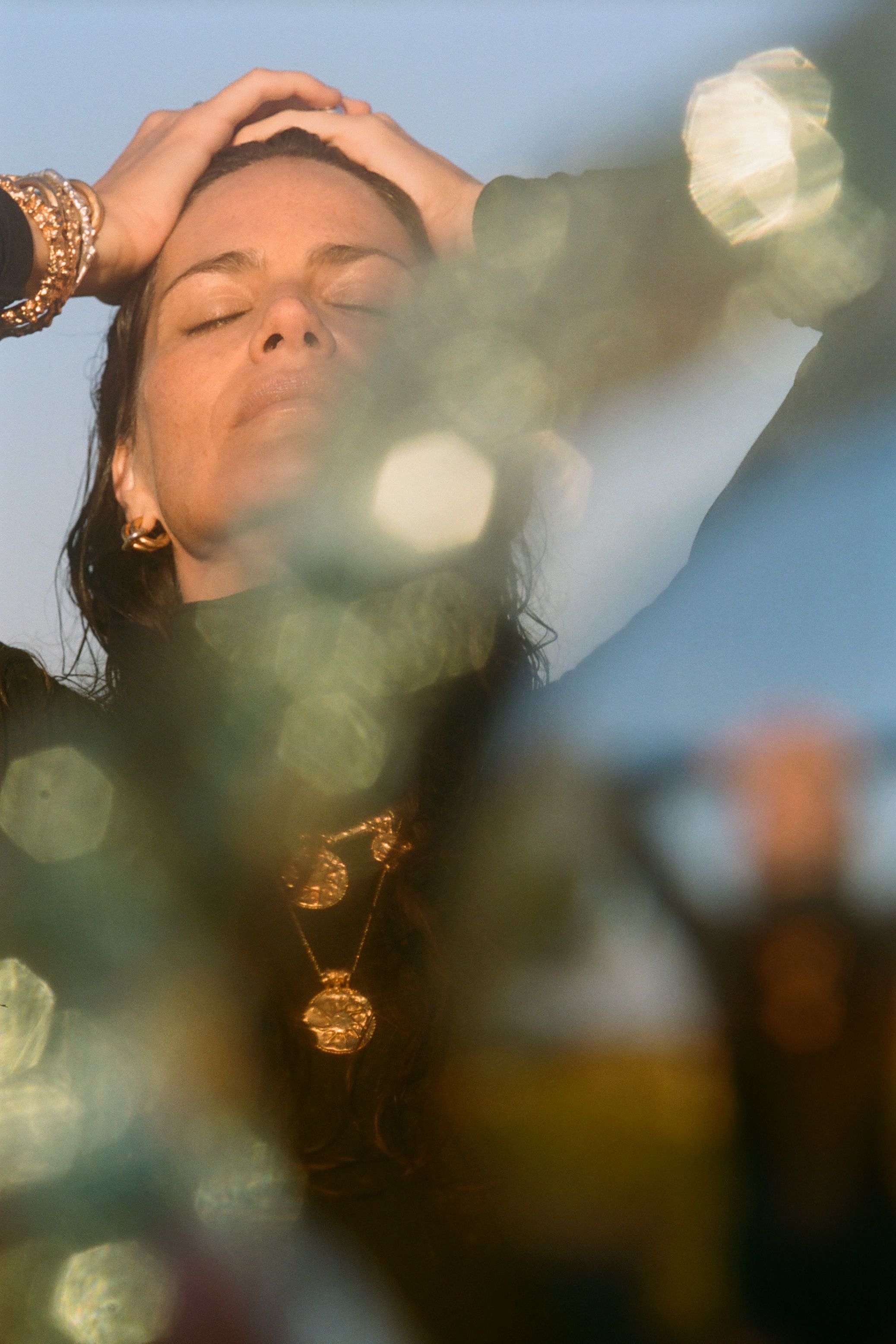
The Leone Medallion comes from the opening of Dante's *Inferno*, when he encounters the lion on his journey. I initially made it for myself as a reminder to be courageous. It was a very early piece, and it became important because it marked the point when I began to understand what Alighieri could be. Over time, people have brought their own meanings to it. Some wear it during a difficult period, while others give it to someone beginning a new chapter. That is what interests me about jewellery. I can begin with a story from Dante, but once the piece belongs to someone else, it becomes part of their life and acquires another layer of meaning.
Your childhood in Zambia has also entered the work, particularly in collections exploring home and belonging. How do you draw from that experience?
I spent my early childhood in Zambia, where I collected stones, leaves and shells and made imaginary worlds with my brother. Moving to London at the age of eight left me with a persistent question about where I belonged. That feeling has remained present in my work, although it changes as I do. When I returned to Zambia as an adult, I began thinking more directly about the relationship between place, memory and identity. I looked at shared elements across different cultures, including forms of adornment, ritual and handmade objects. Those references were not about reproducing a particular tradition. They were about recognising the common human need to make meaning through objects.
Alighieri has expanded into clothing, objects for the home and other forms of design. What connects those different mediums?
I am interested in translating stories into different forms, rather than expanding simply for the sake of adding categories. Jewellery remains at the centre of Alighieri because it is the most direct way of carrying something with you. At the same time, the rituals around jewellery can extend into other parts of life. Alighieri Casa grew from that idea. A candle, a dish or a piece of cutlery can also change the feeling of a room and become part of a daily ceremony. The objects we live with have an emotional role, even when we do not always think of them that way. I want each new medium to feel connected to the world we have already built.
After ten years, how has your relationship with Dante and the brand's original story changed?
When I began Alighieri, I was particularly connected to Dante's experience of being lost and afraid. The brand grew from that difficult period, and the early work reflected the turbulence of starting out and trying to find a direction. As I have become older, my relationship with the poem has shifted. I find myself looking more towards *Paradiso*, with its ideas of light, progression and reaching the end of a journey. That does not mean leaving the earlier work behind. It means understanding that a story can evolve with the person telling it. Alighieri began in darkness, but it has become a way of exploring movement, resilience and the possibility of transformation.