Profile
Gucci Westman on the Art of Making Beauty Feel Like Yourself
Kayla M. Walker / Aug 8, 2026

For RMS Beauty founder Rose-Marie Swift, makeup begins with the skin, and better standards should never come at the expense of performance.
You spent more than three decades working as a makeup artist before founding RMS Beauty. What did that experience reveal to you about the products available at the time?
Working on set and backstage, I was using makeup constantly and seeing how it behaved on real skin, under strong lights, in photographs, and over long days. I understood what products needed to do professionally, but I also became increasingly concerned about the ingredients we were applying so frequently. When I began looking more closely at the industry, I found that products described as natural or organic did not necessarily meet the standards I was looking for, and the formulas often lacked performance. I wanted makeup that could be beautiful, functional, and made with ingredients I felt comfortable using every day.

RMS Beauty was founded in 2009, before clean beauty became a mainstream category. What gave you the confidence to enter the market?
I did not begin with the intention of building a beauty company. I was trying to solve a problem I experienced in my own work. I could not find the kind of makeup I wanted, so I started developing it myself. The formulas were created from a makeup artist’s point of view, with attention to texture, color, application, and how the skin would look after the makeup was applied. The response from clients and other women showed me that the need was much broader than my own kit. That gave me the reason to make the products available to more people.
What does a skin-first approach mean in practice?
It means thinking about the condition and appearance of the skin before thinking about coverage. Skin should still look like skin. Makeup can add color, balance, and light, but it should not make the face feel disconnected from itself. I have always preferred textures that work with the skin rather than sit heavily on top of it, and I look for ingredients that have a useful purpose in the formula. The goal is not to hide every sign of life. It is to help someone look more rested, more even, or more radiant while retaining the character of their face.
Your work helped establish the idea that clean products could also be professional products. How do you evaluate performance?
Performance is not negotiable. A product has to apply well, blend properly, wear beautifully, and make sense in real life. I have worked in environments where makeup must hold up under demanding conditions, so I know that good intentions do not replace a strong formula. The ingredients matter, but so do the color payoff, the finish, the versatility, and the way a product interacts with the skin. I do not see clean standards and professional results as opposing ideas. The work is in finding the right materials and continuing to refine the formula until both requirements are met.
RMS Beauty is known for multitasking products such as Lip2Cheek. Why has versatility remained important to you?
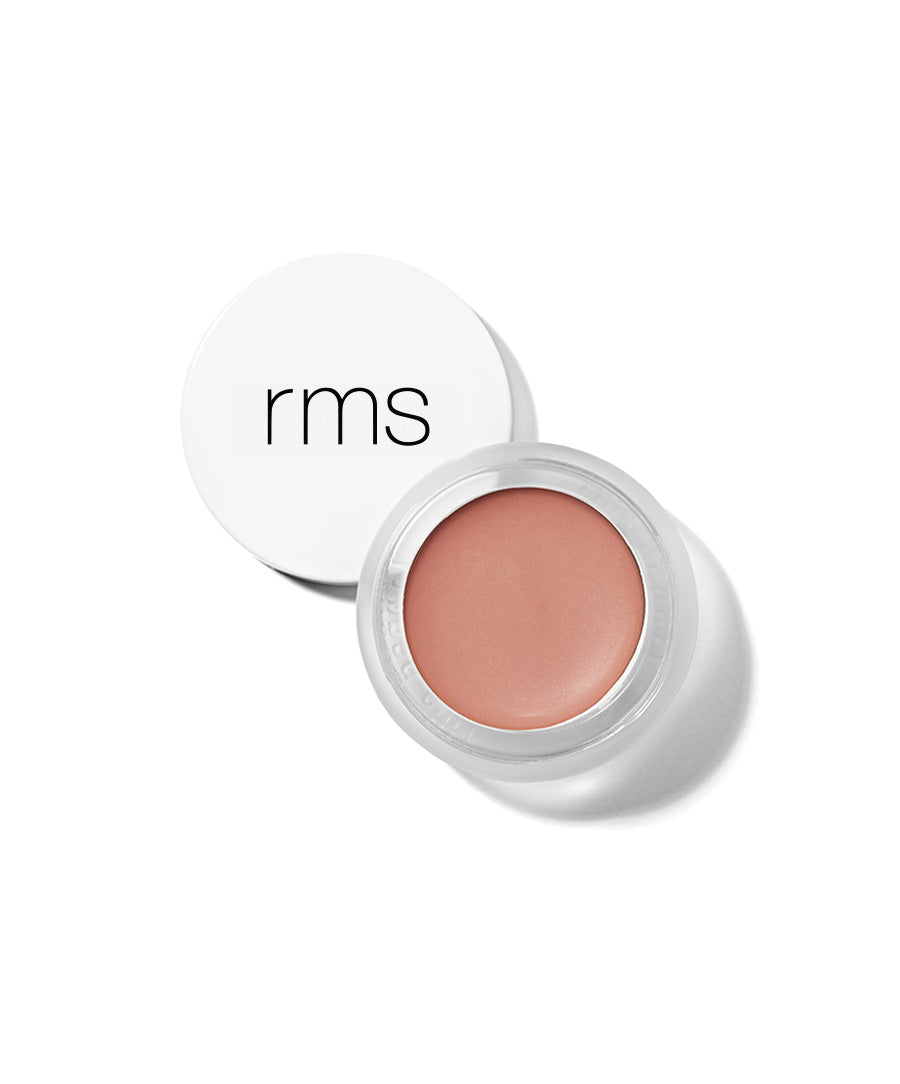
Makeup should make a person’s life easier. In my kit, I was always looking for products that could be used in more than one way and adjusted according to the face in front of me. A cream color can be sheer or more concentrated, placed on the lips or cheeks, and adapted to the rest of the look. That kind of flexibility gives people more freedom and keeps them from feeling that they need a separate product for every small detail. I have never been interested in making a complicated routine for its own sake. A well-designed product should earn its place.
Living Luminizer became one of RMS Beauty’s defining products. What were you trying to create when you developed it?
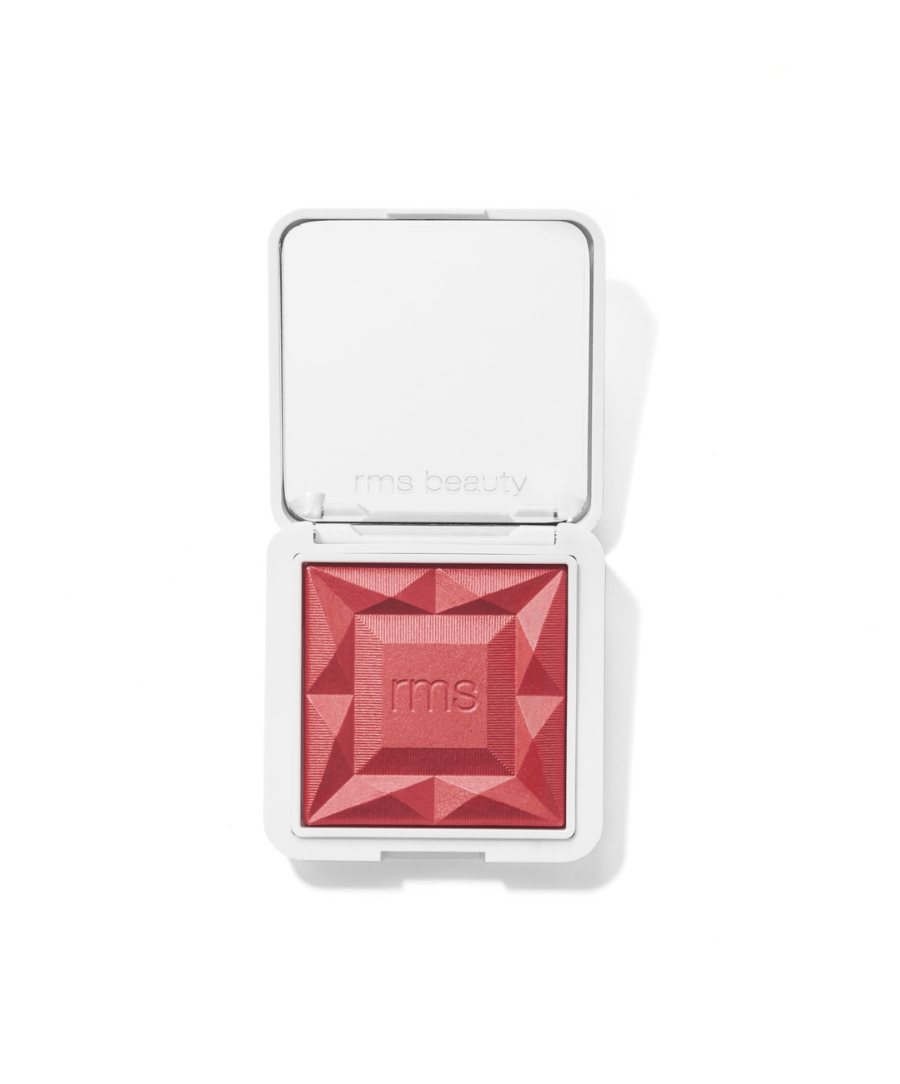
I wanted the skin to look fresh and moisturized rather than obviously glittered or covered in a high-shine product. As a makeup artist, I was often trying to create a believable radiance that would work in natural light as well as in photographs. The textures available to me did not give the effect I wanted, so I began working toward something more subtle and reflective. Living Luminizer was designed to bring light to specific areas of the face while preserving the appearance of skin. It was less about adding decoration and more about restoring a sense of vitality.
How has your relationship with ingredients changed as RMS Beauty has grown?
The standards have remained central, but the work has become more rigorous as the brand has developed. I look closely at what goes into a formula, why it is there, how it is sourced, and how it affects the finished product. I am interested in ingredients that can support the skin while also contributing to the performance of the makeup. Transparency is important to me, which means being clear about the ingredients we use and continuing to question whether a better option exists. Growth should not mean becoming less selective. If anything, it creates a greater responsibility to stay attentive.
RMS Beauty has expanded from color cosmetics into skincare and body care. What made those categories a natural progression?
I have always thought about skincare when applying makeup because the quality of the skin is where the final result begins. Over the years, people would ask what I used beneath my makeup, and I realized that the skincare part of the routine deserved the same attention as the makeup itself. The expansion was not about adding categories simply to become larger. It was about building a more complete approach to skin and body care around the principles that had guided RMS from the beginning. Beautiful skin does not stop at the face, so it made sense to extend that thinking beyond color.
What do you hope people understand about beauty when they use RMS Beauty?
I hope they understand that makeup does not need to erase them. It can be expressive, but it can also be simple, adaptable, and supportive of the way they already look. I want people to feel that they have options rather than rules. They can use their fingers, layer a product, sheer it out, or place it wherever it works for them. Beauty is personal, and the face is not a template. The role of makeup is to help someone feel more comfortable and present, not to impose one approved version of perfection.
After so many years in the industry, what continues to guide your decisions as a founder?
I still come back to the same questions I asked as a makeup artist. Does the product perform? Does it feel good on the skin? Are the ingredients carefully chosen? Is it genuinely useful? I am not interested in following every trend or creating something simply because the market expects another launch. The work has to have integrity behind it. That means listening, staying curious, and being willing to reject an easy answer when it does not meet the standard. RMS Beauty began with a practical need, and that original discipline continues to shape the brand.