Profile
David and Sybil Yurman: A Life in Art, Made Wearable
Hannah R. Harris / Nov 20, 2025

RockLove founder Allison Cimino spends her growth budget on rights fees to Disney, Marvel and a growing list of video game studios instead of advertising, and eighteen years in, the licenses are the business.
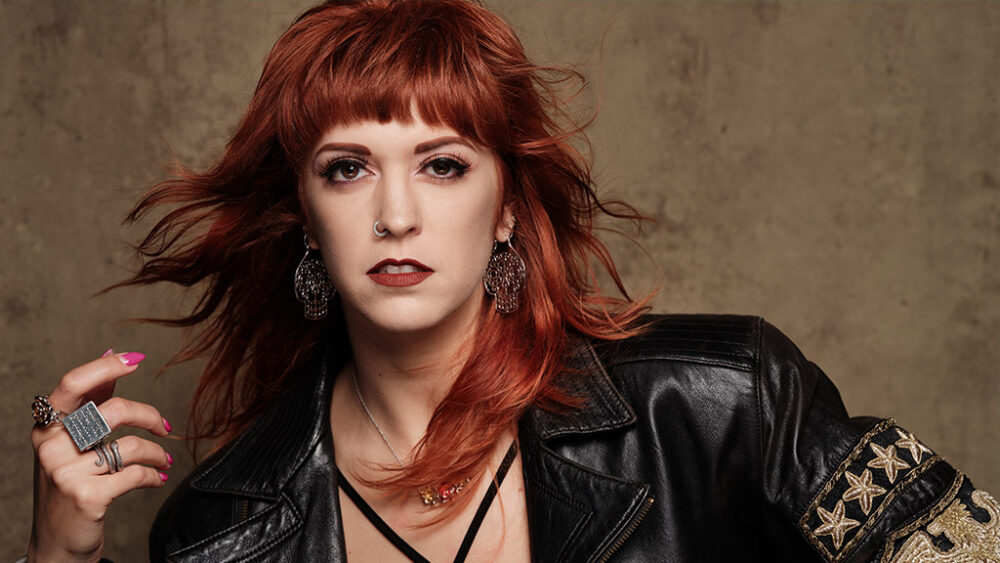
Allison Cimino's company began with a piece of jewelry she could not wear. A nose ring she bought in college gave her a reaction bad enough that she left the country to fix it, apprenticing in Florence with silversmiths who taught her to alloy her own metal from scratch. She came back to New York nickel-free and self-taught, worked the Diamond District for a stretch, and by 2007 was selling Gothic Victorian mourning jewelry and 1950s pinup-style nautical stars off a folding table at rockabilly festivals, Ink and Iron, Viva Las Vegas, trading pieces to touring bands and authors in place of the t-shirts everyone else at those events was selling. The company, which she named RockLove, became her only job in 2008. It stayed a small operation selling handmade pieces online for six more years, until a phone call from CBS in 2014 turned it into something else: a jewelry house whose product line is built almost entirely on paying other companies for permission to use their names.
CBS wanted a premium Star Trek jewelry collection and offered it to Cimino, a lifelong fan, rather than to a larger manufacturer. She said yes, and the deal reset what RockLove actually sells. Where an independent jewelry line typically spends its growth budget on photography, ad placements and influencer seeding, Cimino spends that money on rights fees to the studios and game publishers who already own her customers' loyalty. Today's roster includes Marvel's Fantastic Four, X-Men and Deadpool and Wolverine, DC, Avatar: The Last Airbender, Twin Peaks and Indiana Jones, alongside a fast-growing gaming column: Blizzard's Diablo IV, Bungie's Destiny, Riot's League of Legends and its Arcane and Heartsteel spinoffs, Magic: The Gathering, Valorant and World of Warcraft. RockLove's own site currently marks its founding trio, the earliest Disney, Star Wars and Marvel collections, as retiring, a reminder of how often a licensed catalog turns over even after a company has proven it can be trusted with one.
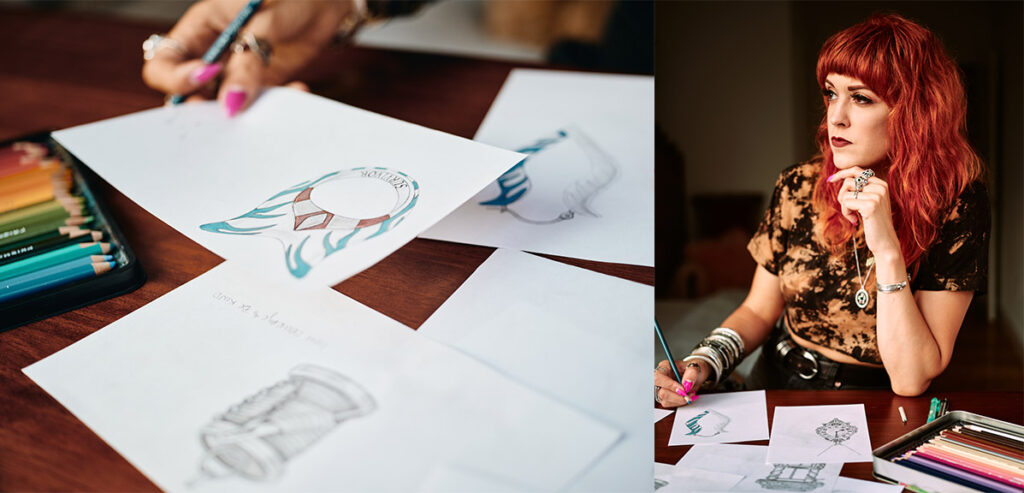
Licensing at this level does not respond to a cold pitch. A studio the size of Marvel, or a publisher the size of Riot Games, is choosing who gets to touch its intellectual property, and the criteria are execution quality, consistency and enough operating history to prove the relationship will not embarrass the brand. Cimino spent seven years building that record in public, one small collection at a time, before CBS made the first call. The payoff compounds. A Star Trek necklace she designed appeared on Isa Briones's character in Star Trek: Picard, and in the same series Patrick Stewart wore a RockLove necklace that the plot itself turned into a clue. The Marvel relationship went further still: a yearlong collaboration produced the Black Panther Kimoyo Bead Bracelet, worn by Chadwick Boseman on his press tour for the film, and RockLove donated $25,000 to the United Negro College Fund ahead of the bracelet's 2022 re-release, tying a licensed product back to the studio's own values rather than just its logo.
That selectivity is the whole business model, not a marketing line. RockLove is still designed by Cimino alone, from a New York studio, produced by a family-owned, woman-run workshop in Thailand and shipped out of a Portland warehouse, with an all-women leadership team that includes chief experience officer Allison "LuLu" Lazar, who had already logged a decade at the company as of 2023. Every piece is made nickel-free, the standard Cimino set for herself before she had a company to run. She has described fandom jewelry as a gender-inclusive form of expression, and her own catalog backs that reading: rings and pendants built for whichever character a customer has loved longest, sold by a company whose real inventory is trust, purchased one license at a time.