
Profile
David and Sybil Yurman: A Life in Art, Made Wearable
Hannah R. Harris / Nov 20, 2025

For five decades, Penny Preville has built a New York jewelry house around expressive design, meticulous craft, and pieces intended to become part of the lives of the women who wear them.
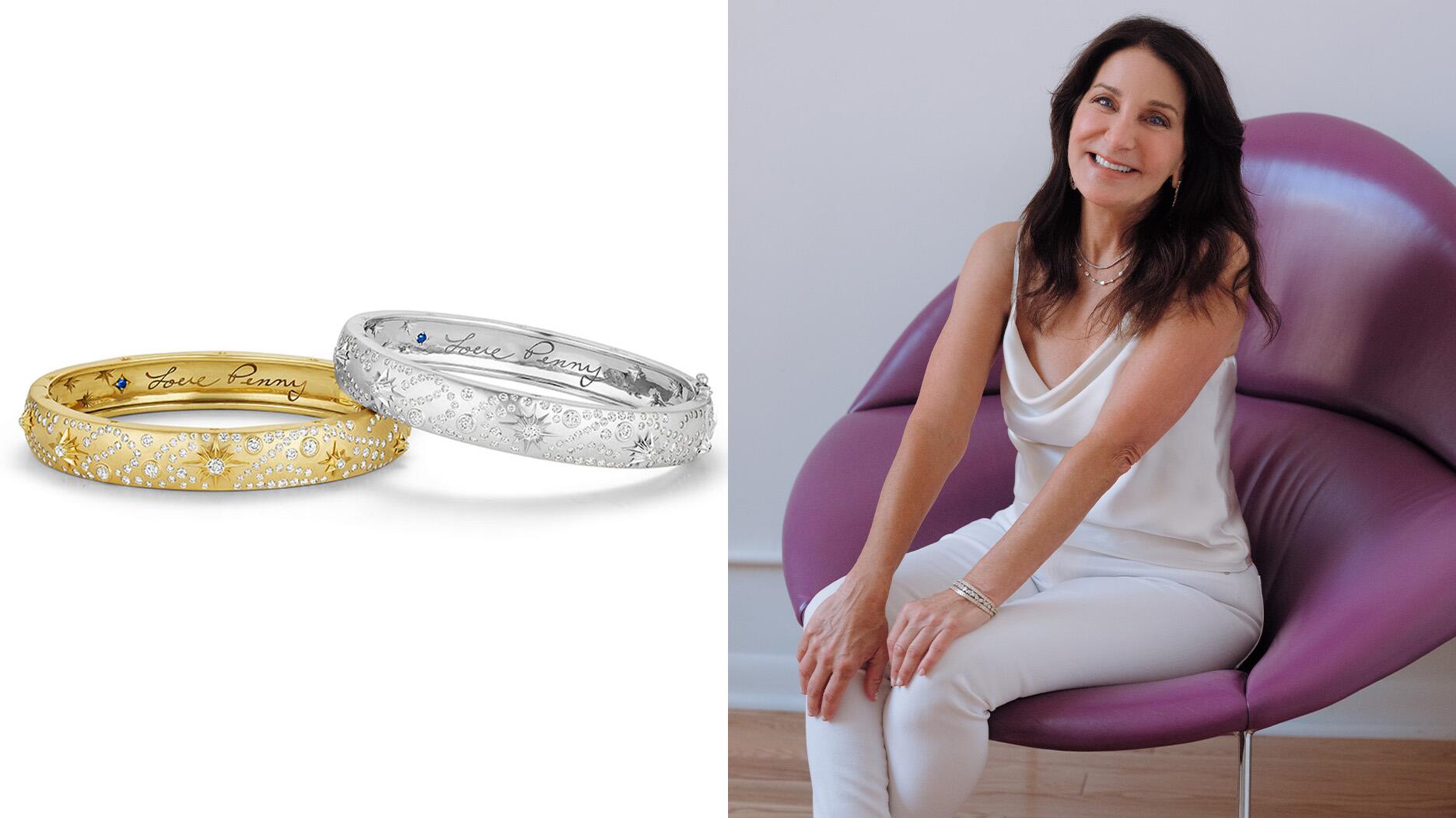
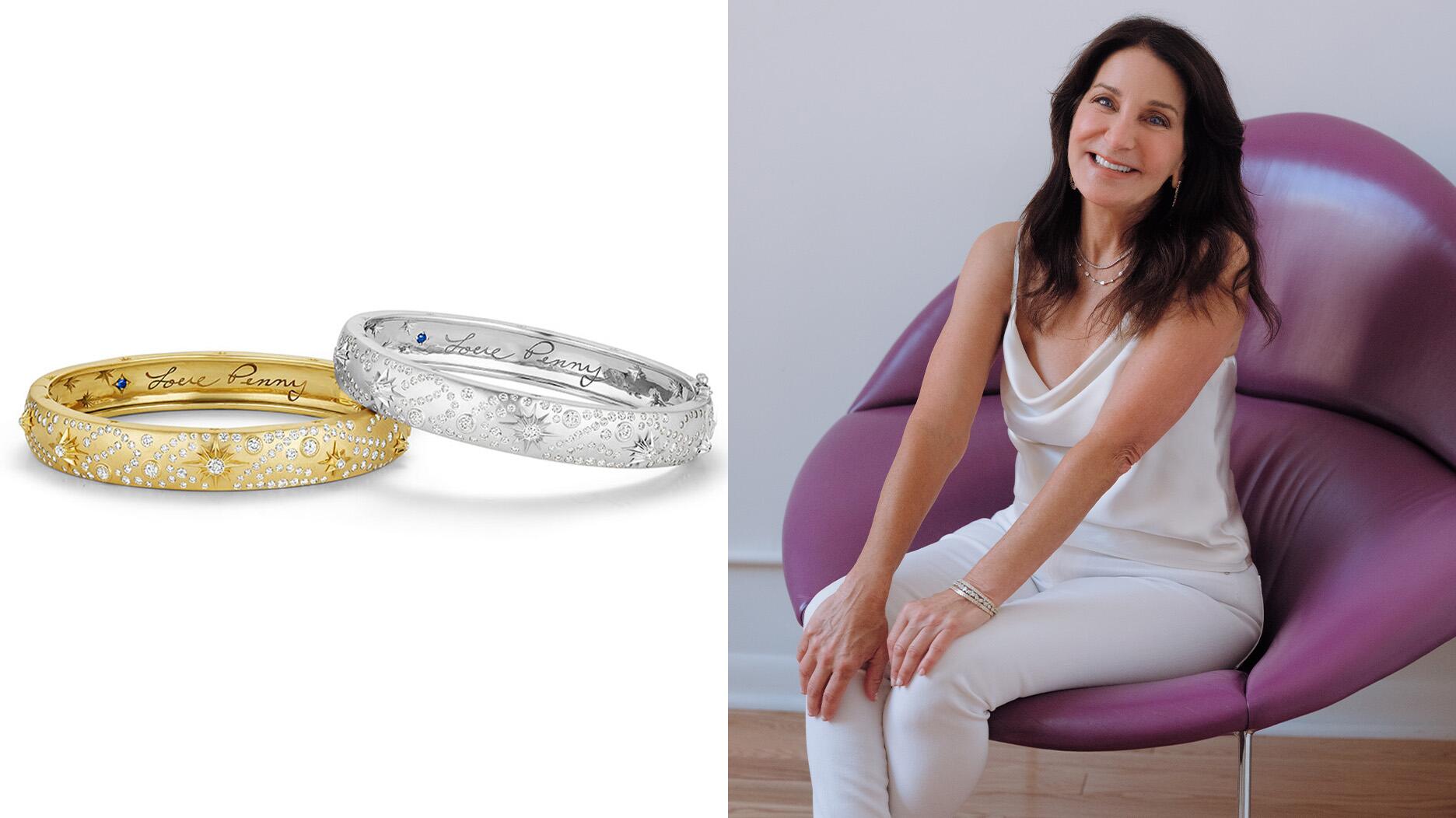
Penny Preville began selling feather and bead jewelry from a little red wagon on Fire Island, drawing on pieces she first admired in her grandmother's jewelry box. That instinctive start grew into a New York fine jewelry house working in 18-karat gold, now approaching its fiftieth anniversary and worn by women including Jackie Kennedy, Jennifer Lawrence, and Oprah Winfrey.
You began by making feather and bead jewelry and selling it from a little red wagon on Fire Island. What do you remember about that beginning?
It was a very simple start, but it gave me an immediate connection with the people who were buying my work. I was making pieces with feathers, beads, turquoise, and sterling silver, and selling them during the summer on Fire Island. I had always been interested in jewelry, partly because of the pieces in my grandmother's jewelry box, and by my teenage years I was creating adornments for myself and for other people. The red wagon became the first setting for the business. From there, the work gradually moved into precious metal casting and the use of fine gemstones.
How did that early, instinctive approach develop into the Penny Preville brand?
The brand developed as my understanding of materials and craftsmanship deepened. I began with jewelry that was very tactile and expressive, then moved toward pieces made in precious metals and set with diamonds and gemstones. The spirit remained the same: jewelry should have character, and it should feel personal to the woman wearing it. Over time, I also became more focused on how a piece moved, how it sat on the body, and how it could work with other pieces. The collections grew, but the central idea stayed consistent. Jewelry can be beautifully made and highly considered while still feeling natural in everyday life.
Your work often brings together historical references and a contemporary point of view. Where does that dialogue begin for you?
I am continually drawn to the past, especially antique jewelry, art, architecture, and the visual language of ancient cultures. I have also always loved the contrast between different traditions, from vintage Cartier to Native American jewelry made with turquoise, coral, mother of pearl, and other organic materials. Those references are not intended to be copied. They give me forms, textures, and details to reconsider. The design becomes contemporary through proportion, scale, movement, and the way the piece is meant to be worn. I like the tension between something that feels familiar and something that has been given a new energy.
What does your design process look like once an idea begins to take shape?
I pay close attention to proportion and to the relationship between the piece and the body. A design has to look right, but it also has to sit correctly and move comfortably. I have worked with technical drawings and cutout forms to test the length, shape, and angle of earrings, bracelets, necklaces, and rings before they are produced. That stage can reveal details that are not obvious on paper. I also think about how a piece will relate to jewelry a woman already owns. The design should have enough presence to stand on its own, while allowing for layering, collecting, and personal combinations.
Wearability is an important part of the brand's identity. How do you balance everyday ease with the level of craft associated with fine jewelry?
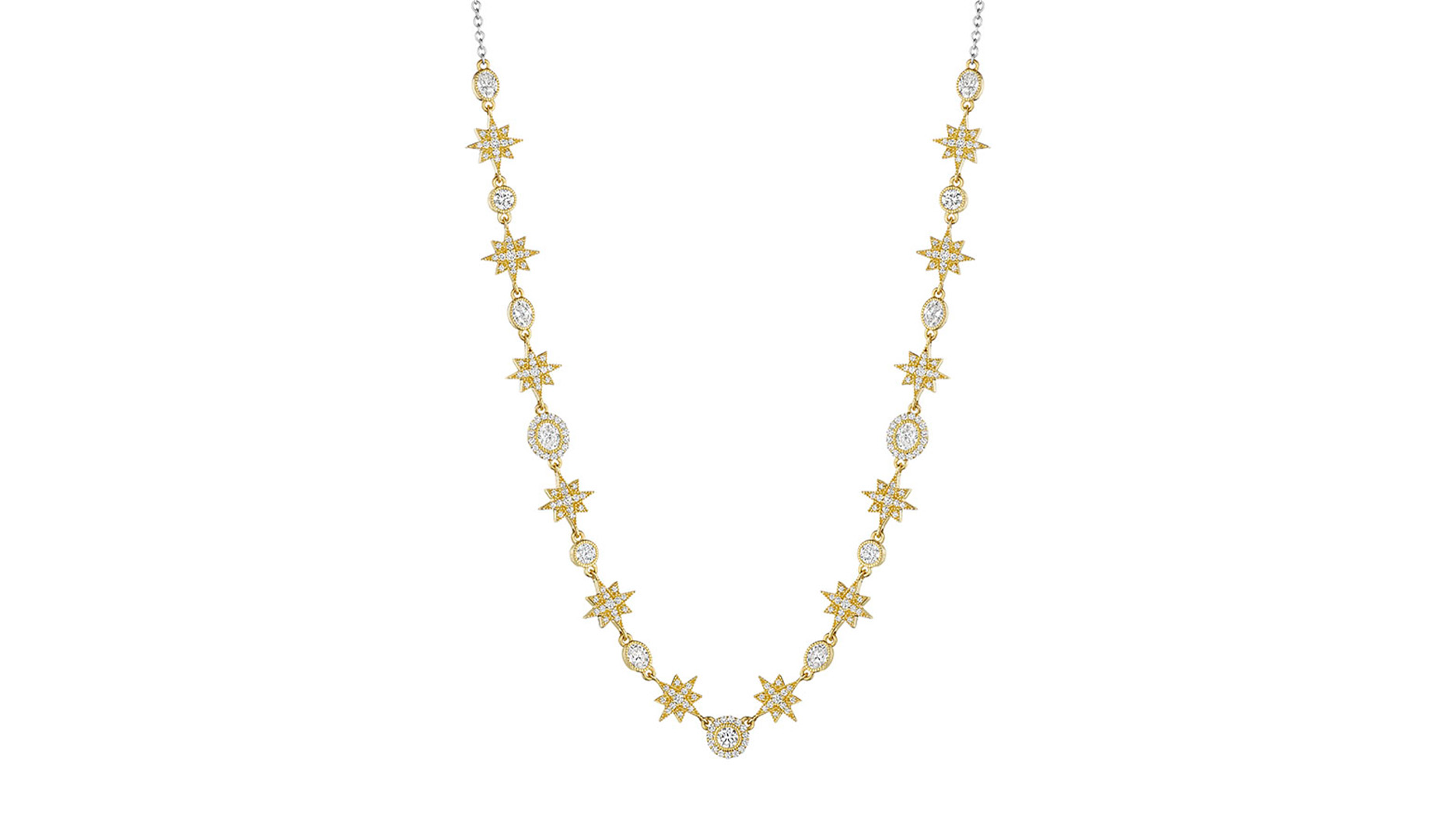
I have never wanted fine jewelry to be reserved only for special occasions. A piece can be luxurious and still be part of a woman's daily wardrobe. That balance comes from thoughtful design, careful construction, and an understanding of how jewelry functions on the body. We work in 18-karat yellow, rose, and white gold, with attention to details such as milgrain, engraving, and hand-finished accents. The materials are important, but so is the experience of wearing the piece. It should feel like art, while remaining practical enough to live with.
You have described jewelry as something connected to emotion, memory, and important moments. What gives a piece that emotional dimension?
Jewelry becomes emotional because it accompanies people through their lives. It may mark a marriage, a birthday, a professional achievement, or simply a moment when someone chooses something for herself. The meaning does not come only from the design. It also comes from the person who wears it and the memories that gather around it. I am interested in creating pieces that can carry that meaning over time. When jewelry is passed from one generation to the next, it carries more than its materials. It carries the experiences of the people who have worn it.
How do you think about continuity within a collection and across the brand's history?
Continuity comes from a recognizable point of view rather than from repeating the same design. I return to certain ideas, including movement, intricate detail, feminine proportions, and the possibility of combining pieces from different collections. A necklace or bangle should feel connected to the larger body of work, even when its inspiration is different. That is why I am interested in jewelry that can be collected over time. A piece purchased years ago should still have a relationship with something new. The materials and techniques may evolve, but the work should retain its identity.
Your designs have been worn by women including Jackie Kennedy, Jennifer Lawrence, Nicole Kidman, Sarah Jessica Parker, Katie Holmes, Sandra Bullock, and Oprah Winfrey. What does that kind of recognition mean to you?
It is meaningful to see the jewelry worn by women with such distinct identities and styles. I do not design for one particular type of woman, and I am always interested in how someone makes a piece her own. Jewelry can look very different depending on the person wearing it, the clothes she chooses, and the way she combines it with other pieces. Recognition is gratifying, but the relationship with customers is just as important. The most rewarding thing is knowing that a piece has become part of someone's life and continues to give her pleasure.
The brand has remained closely connected to New York craftsmanship. What does that connection contribute to the work?
New York has been an important part of the brand from the beginning. It is where I learned about jewelry production and where the company's work continues to be made. The city has a strong tradition of skilled artisans and specialized craftsmanship, and that environment allows us to give close attention to the details of each piece. Manufacturing in New York also keeps the design and production process closely connected. For a jewelry collection, that relationship matters. The final piece reflects not only the original idea, but also the expertise of the people who bring it into being.
As Penny Preville reaches its fiftieth anniversary, what do you hope the jewelry continues to represent?
I hope it continues to represent beauty, quality, and personal expression. I have been fortunate to make the jewelry I believe in and to build relationships with retailers and customers who understand the work. The brand has changed over the years, but the purpose has remained steady: to create exceptional jewelry that feels timeless while still belonging to the present. Most of all, I hope the pieces continue to be worn, enjoyed, and eventually passed down. Jewelry has the ability to connect one moment with another, and that is what makes the work so enduring.