

Profile
David and Sybil Yurman: A Life in Art, Made Wearable
Hannah R. Harris / Nov 20, 2025

For Mejuri founder and CEO Noura Sakkijha, fine jewelry is not reserved for ceremonies or gifted milestones. It is part of the everyday, shaped by personal choice, thoughtful design, and the confidence to invest in yourself.
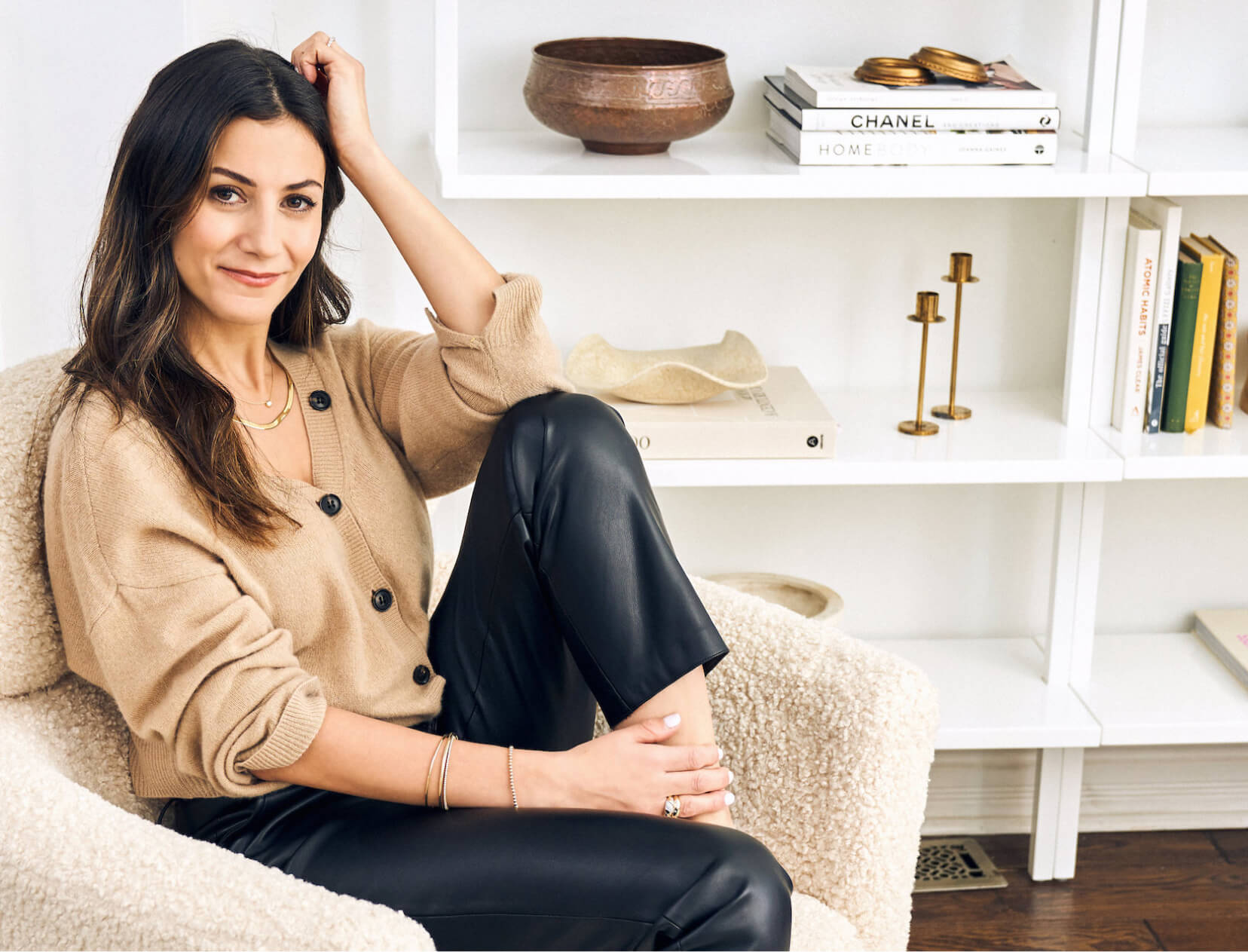
Noura Sakkijha comes from three generations of jewelers and worked in engineering and consulting before founding Mejuri online in 2015. Built around the idea of self-purchase rather than gifting, the direct-to-consumer brand set out to make fine jewelry feel like a daily choice rather than an occasion reserved for someone else to grant.
You come from three generations of jewelers. What did growing up around the industry teach you about jewelry?
Jewelry was part of my environment long before Mejuri existed. I saw how pieces could mark important moments, move through families, and become deeply personal over time. I also saw the traditions and assumptions that shaped the industry, including the idea that jewelry was primarily something women received from someone else. That background gave me both respect for the craft and a clear view of where there was room to evolve. I understood the emotional value of jewelry, but I wanted to make the experience feel more relevant to how people live now.
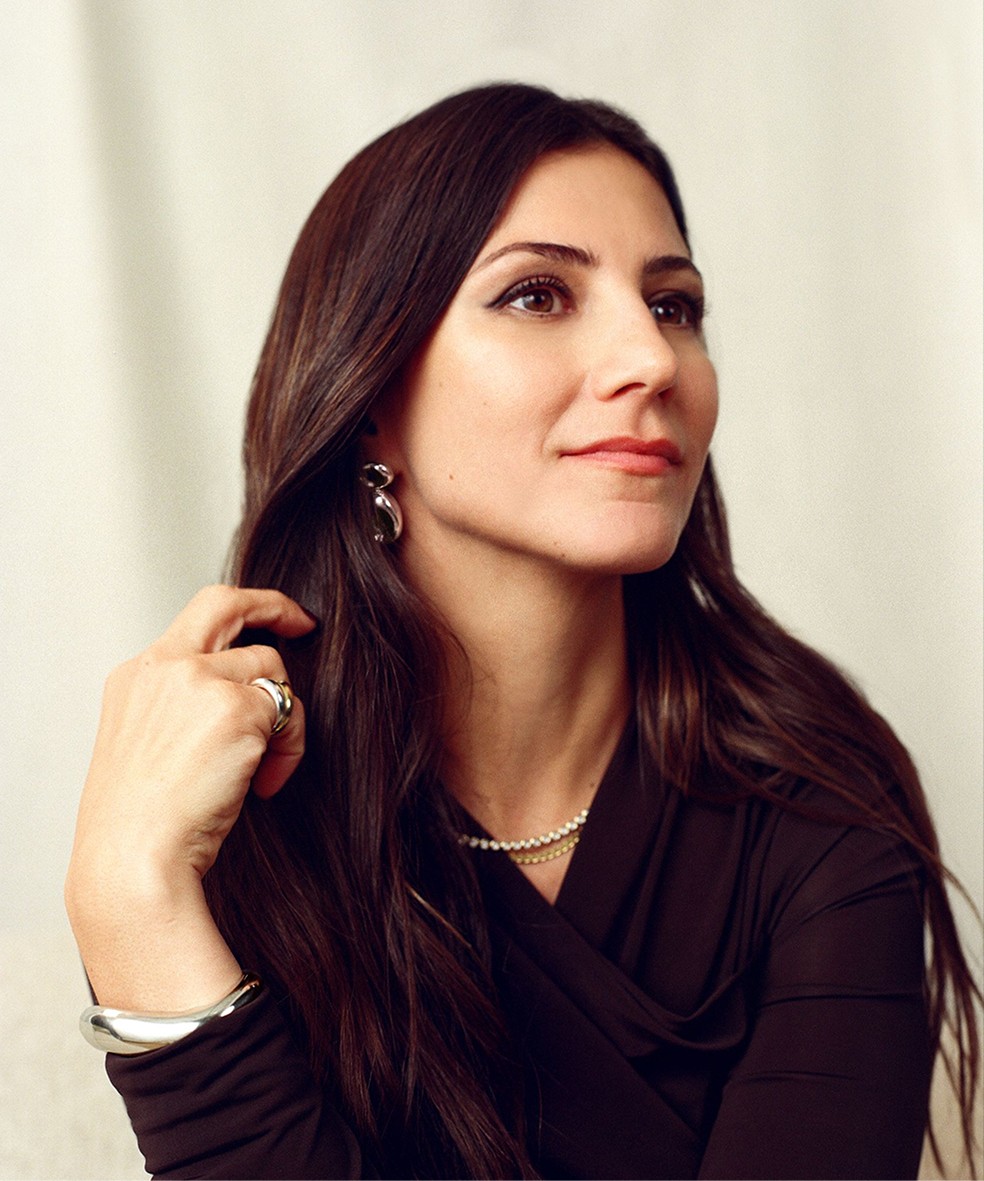
Before Mejuri, you worked in engineering and consulting. How did that experience influence the way you built the brand?
I still think of myself as an engineer. For me, engineering is a way of approaching challenges, understanding systems, and looking for better solutions. Starting Mejuri was not a complete departure from that way of thinking. It was an opportunity to apply it to a category I had known all my life. I was interested in the gap between the quality and meaning associated with fine jewelry and the way it was traditionally sold. The direct-to-consumer model allowed us to question that structure and create a more direct relationship with the customer.
What was the original idea behind Mejuri?
We wanted to create a new generation of jewelry brand that made fine jewelry feel more approachable and more connected to everyday life. Traditionally, the category was organized around gifting and major occasions. We believed people should also be able to choose jewelry for themselves, whether they were marking a milestone or simply wanted something meaningful to wear. We launched Mejuri online in 2015 with that perspective at its center. The goal was not to remove the emotion from jewelry, but to give people more ownership over when and why they wore it.
Why was self-purchase such an important idea for you?
Self-purchase changes the meaning of the purchase. It allows someone to recognize their own work, growth, relationships, or simply their desire for something beautiful. Jewelry can still be a wonderful gift, but it does not need to depend on a partner, a holiday, or a specific occasion. That shift was central to Mejuri from the beginning. We wanted to make space for women to celebrate themselves directly and to treat fine jewelry as something they could choose with intention. It is a small change in behavior, but it reflects a broader sense of agency.
How did you think about making fine jewelry feel accessible while preserving its value?
Accessibility has to include more than price. It also involves how a brand communicates, how products are presented, and whether customers feel comfortable exploring the category. Our direct-to-consumer model gave us a closer relationship with the people buying our jewelry and helped us approach pricing differently from traditional retail models. We also work with experienced jewelry manufacturers and place importance on craftsmanship and responsible production. The ambition has always been to offer pieces that feel considered and lasting, while creating an experience that is clear, welcoming, and easy to understand.
Mejuri began online. What did a digital-first launch make possible?
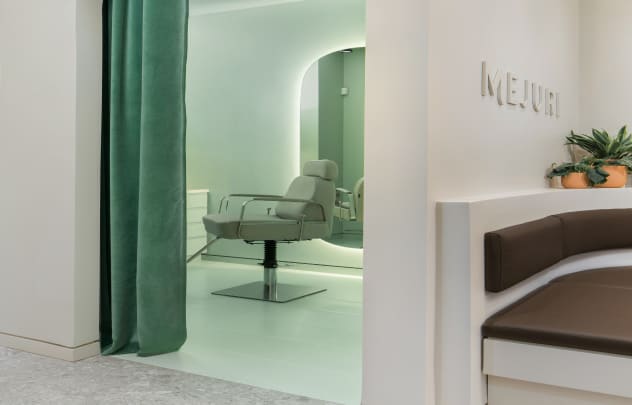
Starting online allowed us to speak directly to customers and learn from how they interacted with the brand. It gave us room to introduce jewelry in a more conversational way and to build a community around the idea of wearing fine jewelry every day. We were able to understand what people responded to, what they wanted to know, and how they were styling pieces in their own lives. That relationship became an important part of the brand. As Mejuri has grown into physical retail, the purpose has remained consistent: give people an inviting way to discover jewelry and make it personal.
You have said that the community should be the face of Mejuri. What does that mean in practice?
It means the brand should reflect the people who wear it. We have always wanted to show jewelry in a way that feels lived in, rather than presenting one narrow version of who the customer is. Our community influences how we work with creators, how we tell stories, and how we place products in context. Jewelry is intimate, so it matters that people can recognize themselves in the brand and imagine how a piece might become part of their own routine. The customer is not just receiving a finished idea from us. They are helping define what Mejuri means.
What role does design play in making a piece feel right for everyday wear?
Everyday jewelry has to work with real life. It needs to feel distinctive, but also easy to wear, combine, and return to over time. We are drawn to clean, modern forms and pieces that can become part of someone's personal system. That might mean wearing one ring every day, building a stack gradually, or combining different metals and shapes. The design should leave room for the wearer's interpretation. We are not trying to dictate one way to style a piece. We want to create jewelry that can gather meaning through repetition and personal use.
How do you approach the responsibility that comes with working in fine jewelry?
Trust is fundamental to jewelry because customers are making a purchase that can carry financial and emotional significance. We work with suppliers and manufacturers we know, and we pay attention to the materials and processes behind the pieces. Mejuri's approach is based on the belief that luxury and responsibility should develop together. That includes being thoughtful about sourcing, craftsmanship, and the durability of what we make. It is an ongoing responsibility rather than a single achievement. The more the brand grows, the more important it is to maintain clarity about how products are made and why customers can feel confident wearing them.
After building Mejuri for more than a decade, what continues to guide your decisions?
The central idea has stayed clear: jewelry should be personal, wearable, and connected to the life of the person choosing it. The business and the customer have both evolved, but the values remain consistent. We continue to think about how to make the category feel more open, how to create pieces people can live in, and how to build a brand that has meaning beyond a single transaction. For me, empowerment is connected to having the courage to choose the life you want and express yourself without fear. That principle continues to shape how I think about Mejuri and its future.