Profile
Rachel Scott on Craft, Context, and the Expansive Language of Diotima
Hannah R. Harris / Aug 8, 2026

NIGO's first museum retrospective outside Japan places 700 personal objects, his hand-thrown ceramics and a glass tea house at London's Design Museum through October 4.
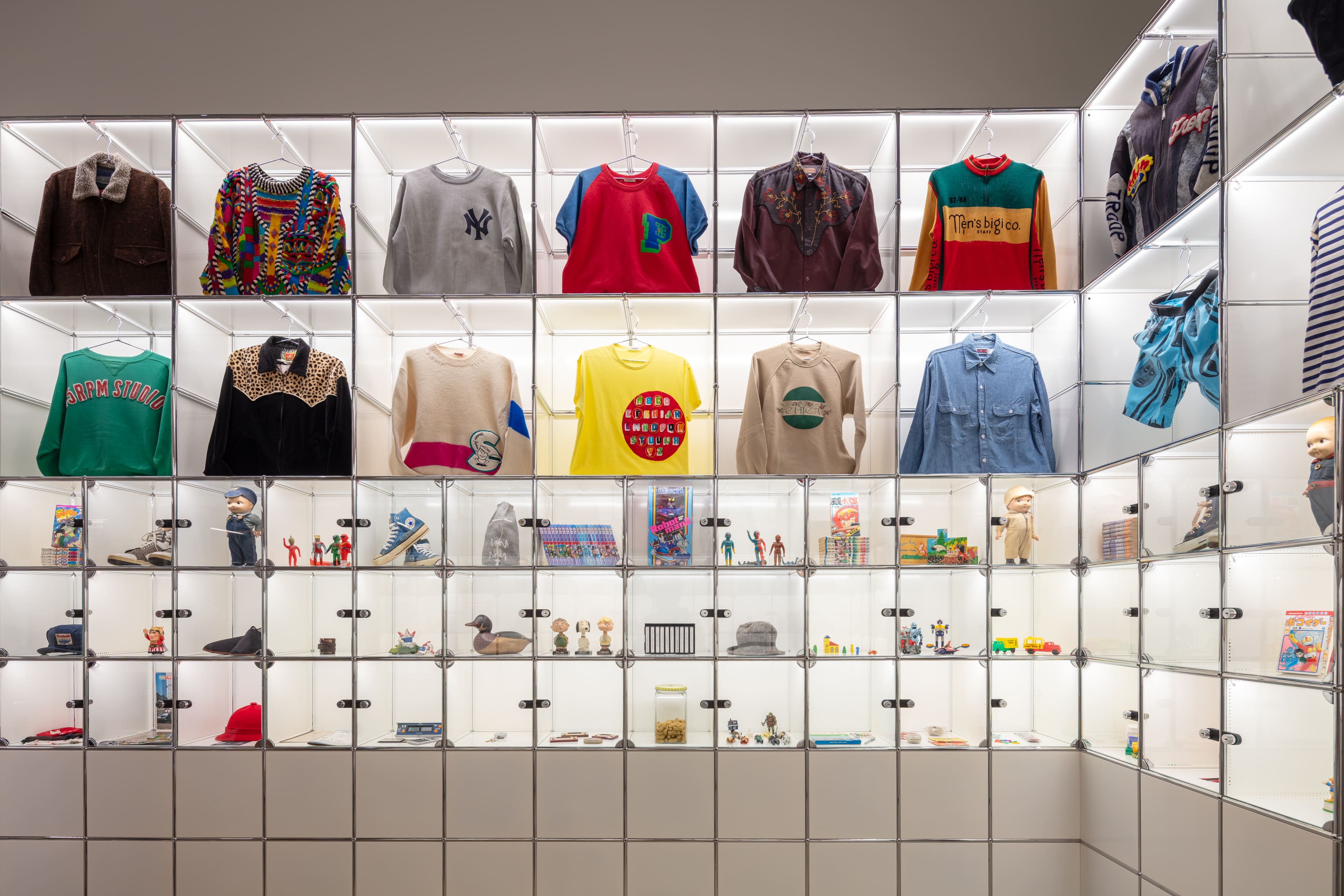
Seven hundred objects is the number the Design Museum puts on it: NIGO: From Japan with Love, on view in London from May 1 through October 4, 2026, is built almost entirely from the Japanese designer's own possessions. A recreation of his teenage bedroom sits alongside rare garments from his archive, ceramics he hand-threw himself, and a life-size glass tea house made specifically for the show. It is, per the museum, his first-ever museum retrospective outside Japan, and its organizing principle is not a career timeline. It is a personal collection, arranged for public viewing.
That distinction matters more than it sounds. NIGO, born Tomoaki Nagao in Maebashi in 1970, built his reputation on an instinct for selection rather than invention. He founded A Bathing Ape in 1993, sold the company in 2011 and divested his remaining stake by 2013, then moved into creative director roles: Uniqlo's UT line, and in 2021 artistic director of Kenzo, the first Japanese designer to hold that title since Kenzo Takada himself. In between he built Human Made from his own archive of vintage Americana. At every stage the through line is the same: which vintage military jackets, which American workwear silhouettes, which obscure record sleeves were worth resurfacing and remixing into something new. Sampling, in the hip-hop sense he grew up steeped in, is collecting with intent. You choose the fragment because you understood something about it nobody else had bothered to notice yet.
The Design Museum's decision to put his teenage bedroom in the gallery, rather than starting the story with his first clothing line, treats the collecting impulse as the origin of the design practice rather than a footnote to it. That is a more interesting argument than the one most streetwear retrospectives make. The typical version chronicles collaborations and drops in sequence, brand by brand, hype cycle by hype cycle. This one asks visitors to look at a teenager's accumulated Americana and ceramics practice as the same instinct that later produced camouflage patterns and collaboration sneakers, just applied at a different scale.
The ceramics are the clearest test of that argument, because they are the one thing in the show NIGO made with his own hands rather than selected, sourced or licensed. Hand-thrown pottery does not sample anything; it is a slower, more exposed kind of authorship, the opposite of the reflexes that built his fashion career. There is no archive to draw from at the wheel, no existing garment to reference and remix. Placing it in the same exhibition as the bedroom and the archive asks a real question about where the line sits between assembling other people's work into something new and making an object from nothing.
A glass tea house, built specifically for the exhibition rather than pulled from NIGO's own collection, is the museum's clearest addition to the mythology, a formal, ceremonial structure standing inside a show otherwise built from personal ephemera and worn archive pieces. It reframes the whole exhibition through the lens of Japanese ritual and hospitality rather than Western hype culture, which is precisely the kind of curatorial move that turns a private collection into a public narrative. Somebody decided the bedroom needed a tea house next to it to read as culture rather than nostalgia. That decision, more than the 700 objects themselves, is what makes this a museum exhibition and not simply someone's storage unit put on display. The interesting question the show leaves for its visitors is whether that curatorial framing adds meaning to NIGO's collecting or simply dresses it up.