Profile
Gucci Westman on the Art of Making Beauty Feel Like Yourself
Kayla M. Walker / Aug 8, 2026

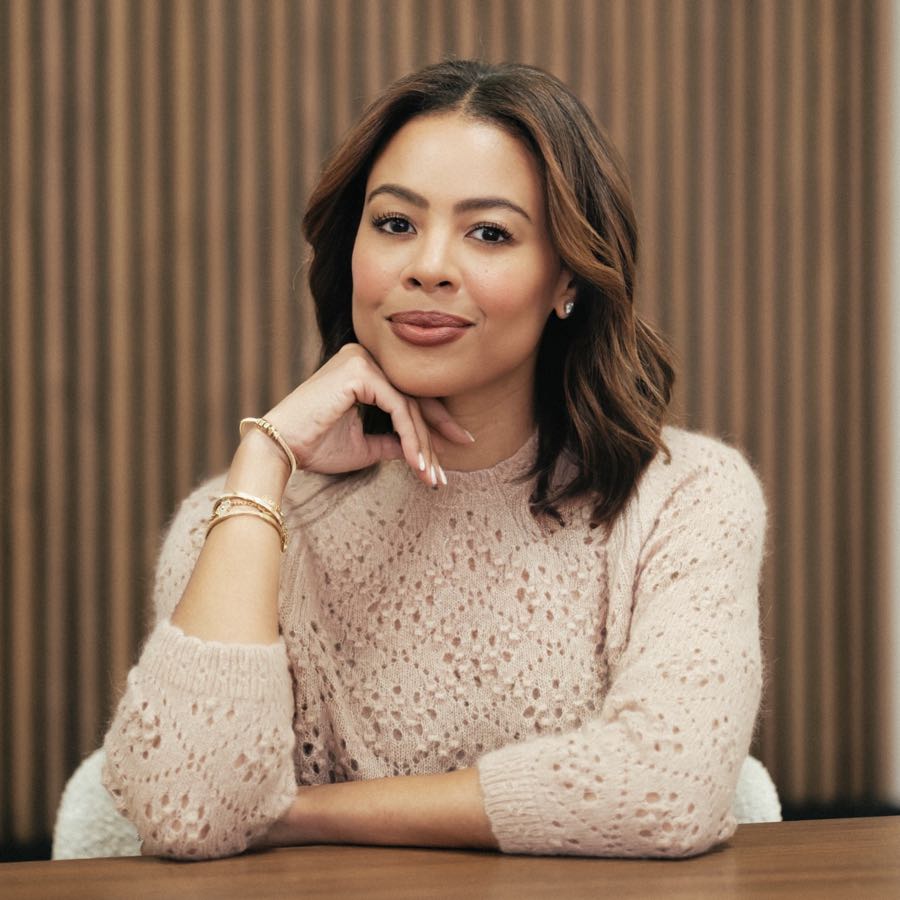
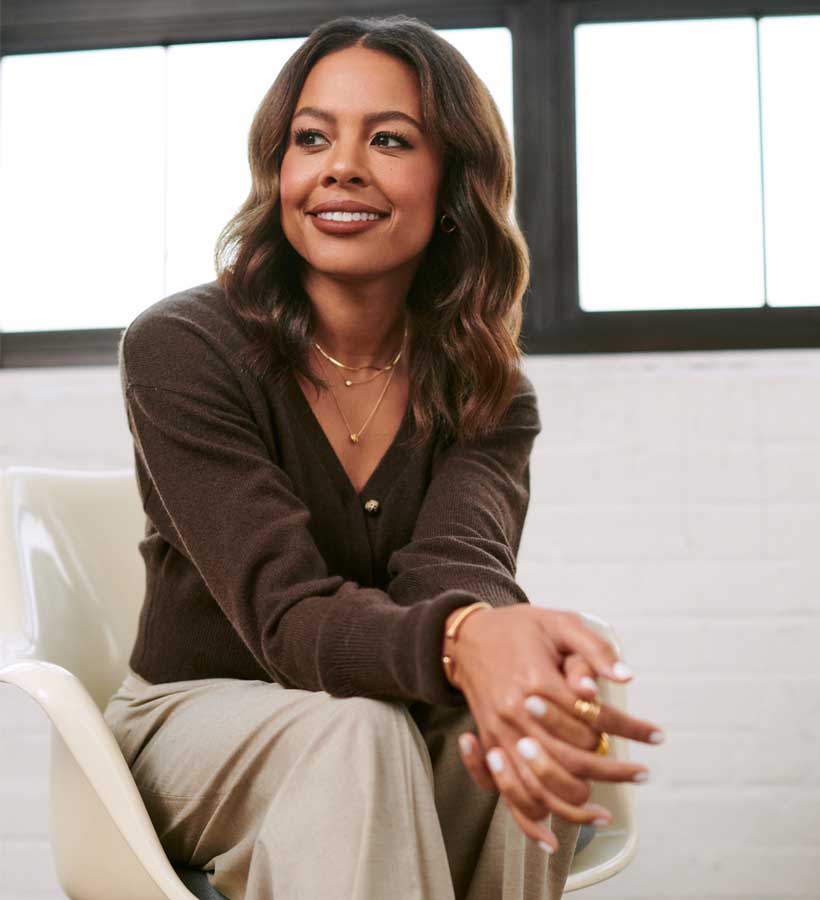
For Briogeo founder Nancy Twine, a childhood practice of making beauty treatments at home became the foundation for a more inclusive vision of high-performance hair care.
You began your career in finance. What led you toward beauty and, eventually, Briogeo?
I spent the first part of my professional life in finance, which gave me a strong foundation in analysis, discipline, and decision-making. The path toward beauty began after I lost my mother. That experience prompted me to think more carefully about how I wanted to spend my time and what kind of work felt meaningful. I kept returning to memories of making beauty treatments with her in our kitchen, using natural oils, extracts, salts, sugars, butters, and waxes. Those memories helped me recognize that my interest in beauty was not new. It had been part of my life all along.
What did those early formulations with your mother teach you about beauty?
They taught me that beauty products could be personal, thoughtful, and effective without relying on unnecessary complexity. My mother had a background in chemistry, so she understood how to work with ingredients and create the right textures by combining oil and water. I also grew up with hair that was difficult for me to manage, and I did not always find products that delivered the hydration and nourishment I needed. Making our own treatments showed me that natural ingredients could be used with intention. It gave me an early appreciation for formulation as both a creative and technical process.
What gap in the market did you see when you began developing Briogeo?
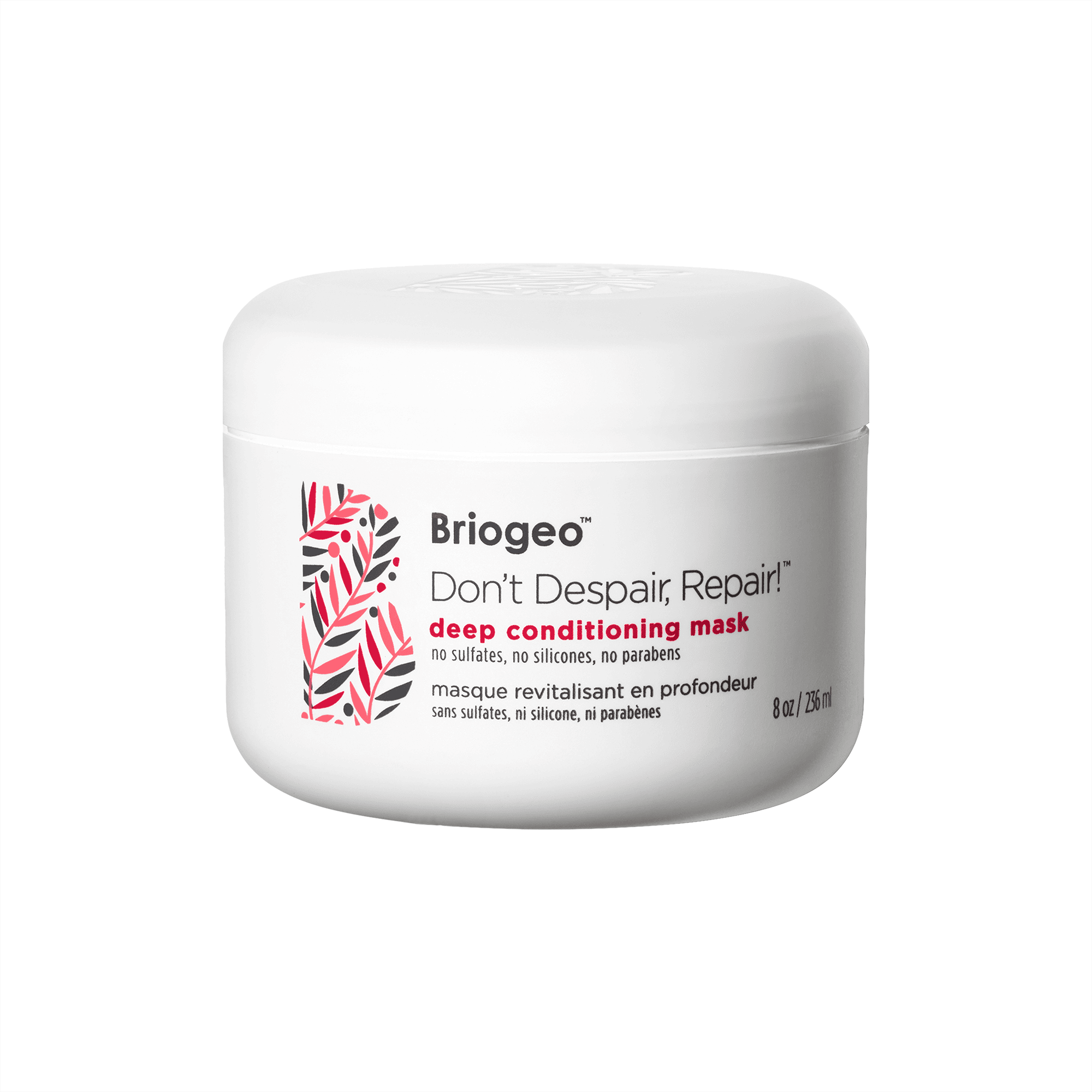
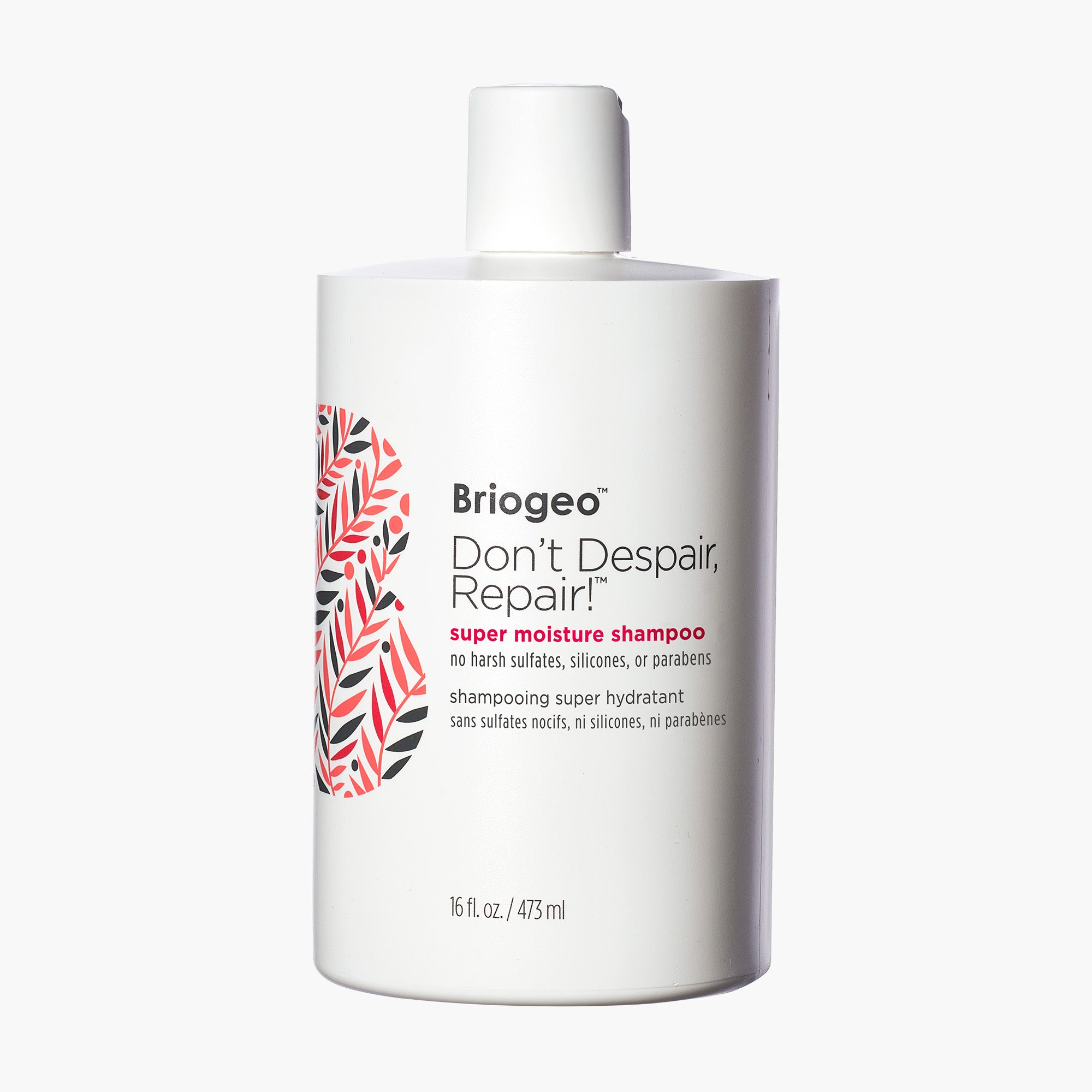
I saw an opportunity for hair care that brought together clean ingredients, strong performance, and a genuine understanding of different hair types and textures. At the time, the natural products available to me did not consistently perform in the ways I needed them to. I wanted to create formulas that were carefully developed and capable of addressing specific concerns, from dryness and damage to curls, frizz, volume, and scalp care. Just as importantly, I wanted the brand to speak to everyone. Briogeo was built around the idea that people should not have to move between separate categories to find products made for their hair.

The name Briogeo combines ideas of energy and nature. How does that meaning inform the brand?
Brio is an Italian word associated with being vibrant and full of life, while geo refers to the earth and nature. Those two ideas capture the balance I wanted for the brand. Briogeo has an energetic, modern spirit, but it is grounded in thoughtfully selected ingredients and a back-to-basics approach to formulation. The name also reflects the importance of individuality. Hair is deeply personal, and the brand was designed to support different textures, needs, and routines rather than suggest that there is one universal standard of beauty.
How did you approach building a beauty company without coming from the traditional beauty industry?
I approached it through research, preparation, and a willingness to learn. While I was still working in finance, I spent nights and weekends studying the beauty industry and writing a business plan. Remaining in my job during that period gave me the space to be deliberate about the idea and to decide when it was right to make the transition. I did not have an established network in beauty, so I had to build relationships and understand the product development process as I went. My finance background was not a limitation. It became part of the way I evaluated opportunities and managed the business.
What was difficult about raising support for Briogeo in the beginning?
One of the challenges was explaining the opportunity to people who were not necessarily consumers of the products or familiar with the needs I wanted to address. In early investor meetings, I sometimes felt that the room did not immediately understand the significance of a clean, high-performance haircare line created for a broad range of textures. That could be discouraging, but it also made the importance of clarity very apparent. I had to communicate the customer need, the product vision, and the business opportunity in a way that connected beyond my own personal experience.
Briogeo entered Sephora in its first year. What did that partnership make possible?
Sephora gave Briogeo an important opportunity to reach customers who were actively looking for new approaches to beauty. The partnership helped establish the brand in a highly competitive environment and gave us a platform from which to grow. It also reinforced the value of presenting a clear point of view. Briogeo was entering the market with a focus on clean formulations, performance, and inclusivity, and Sephora understood that there was an audience for that combination. The early years were still demanding. We had limited resources, and every decision required us to learn quickly and trust our judgment.
How did inclusivity become part of Briogeo’s product and brand development?
Inclusivity was central from the beginning, rather than an idea added later. I wanted Briogeo to offer solutions for all hair types and textures, including products designed around concerns such as curls, frizz, damage, volume, and scalp irritation. That requires listening carefully to how people describe their hair and what they want from a routine. It also means avoiding the assumption that one product or one definition of healthy hair can work for everyone. Our goal was to make the experience easier to navigate while still recognizing the individuality of each person’s hair.
Briogeo has emphasized transparency around its formulas. Why has that mattered to you?
Transparency helps people make informed decisions. When a brand talks about ingredients or natural origin, customers should not have to rely on vague language or interpret a label without context. Briogeo has aimed to communicate the percentage of naturally derived ingredients and identify their sources, so people have more information about what they are purchasing. For me, clean beauty is not only about removing certain ingredients. It is also about being honest about formulation, performance, and the choices behind a product. Trust is built through consistency, and transparency is one way a company can demonstrate that respect.
What has entrepreneurship taught you about resilience?
Entrepreneurship has taught me that persistence is part of the work, especially when the outcome is not immediately visible. A strong product and a clear idea matter, but they are not always enough on their own. There are periods when decisions are uncertain, resources are limited, and progress feels slower than expected. The ability to stay engaged through those moments is essential. I have also learned that resilience does not mean ignoring difficulty. It means acknowledging what is hard, gathering the information needed to respond, and continuing to make thoughtful decisions rather than allowing one setback to determine the entire direction of the business.