Profile
David and Sybil Yurman: A Life in Art, Made Wearable
Hannah R. Harris / Nov 20, 2025

New data from Jewelers Mutual, YouGov, and the World Gold Council show the category's growth is coming from buyers, many of them men, purchasing jewelry for themselves and expecting fit and material honesty in return.
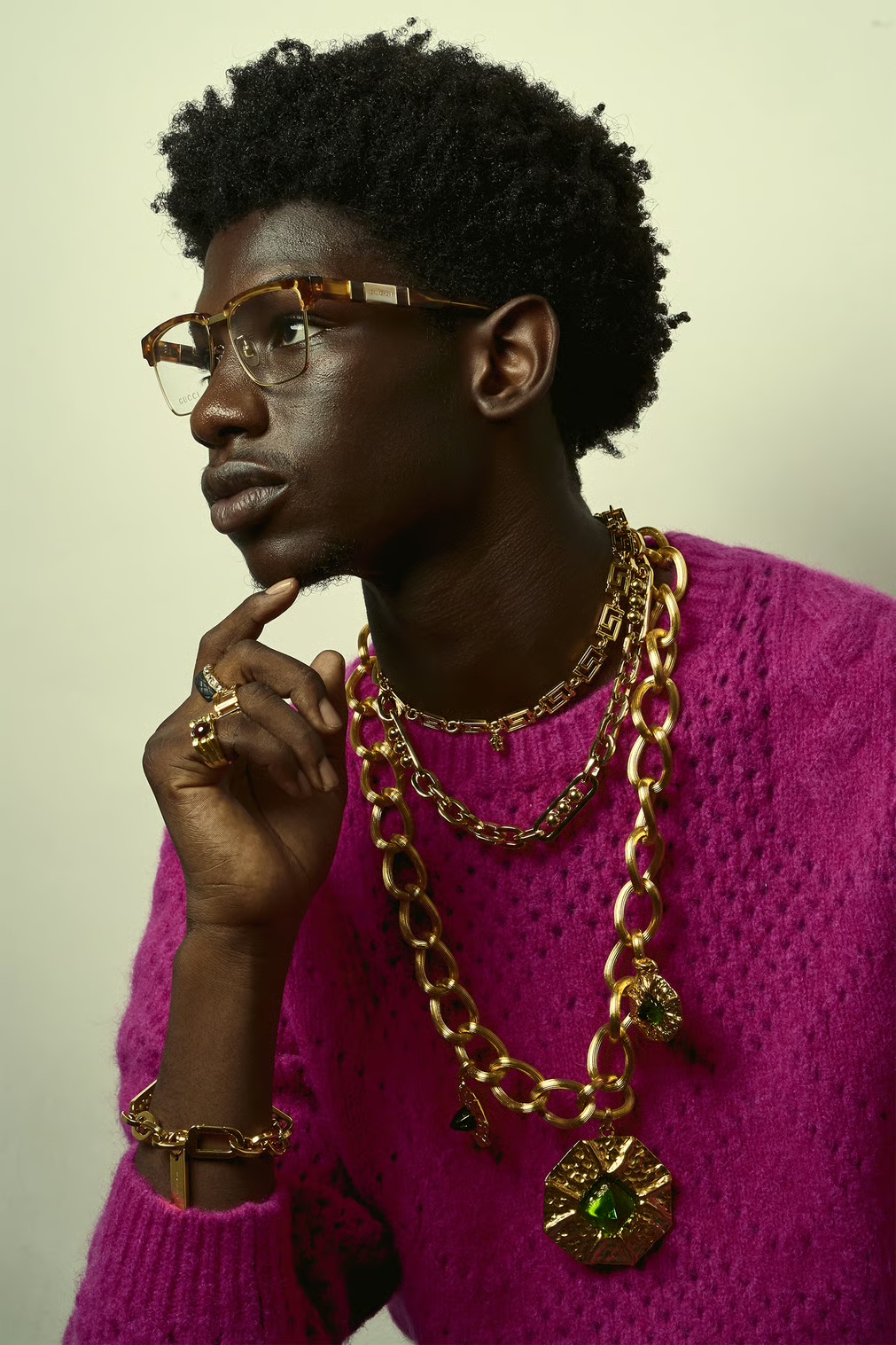
In a YouGov survey of 1,000 British men fielded in May 2025, 17 percent said they had bought jewelry for themselves in the preceding twelve months, a figure that rose to 24 percent among Gen Z men. Chains and necklaces led the purchases at 33 percent, watches followed at 32 percent, then bracelets at 24 percent, fashion rings at 22 percent, and earrings at 21 percent. Forty seven percent of these buyers completed the purchase mostly or entirely online. Nothing on that list describes a gift. It describes someone walking into a purchase alone, deciding what he wants to wear, and buying it with no one else's occasion attached to the receipt.
The same pattern holds on the US side, at greater scale. Jewelers Mutual's 2025 study of more than 1,500 American jewelry owners who had bought a piece in the prior year found rings to be the single most frequently self-purchased item, and nearly 60 percent of self-purchasers described themselves as collectors rather than one-time buyers. The study split motivation by gender without flattening either side of it: men in the sample were more likely to buy after hitting a specific goal, a promotion, a milestone, a finished project, while women were more likely to buy on impulse, prompted by nothing more structured than a good day. McKinsey and The Business of Fashion, in their State of Fashion 2026 outlook, expect jewelry to outgrow every other fashion category by unit sales in the year ahead, at more than four times the rate projected for clothing. That forecast covers the category as a whole, not a men's business carved out of it, which is the detail worth sitting with. The growth is coming from a change in who buys and why, not from a new gendered subcategory bolted onto an existing one.
Gold's cost is reshaping the purchase itself. The World Gold Council's full-year 2025 analysis found US gold jewelry consumption fell 11 percent by volume even as spending on it rose 28 percent, to 13 billion dollars. Buyers paid more and took home less metal, rather than trading down in purity to keep the price flat. That has direct consequences for how a self-purchase brand should price a ring or a chain: weight, purity, and construction have to be stated plainly enough that a first-time buyer can compare a sterling piece against a solid-gold one without guessing. The US Federal Trade Commission's Jewelry Guides already require that kind of honesty at the regulatory level, including a rule that lab-grown or lab-created diamonds be clearly labeled as not mined. Brands treating that disclosure as a footnote rather than a selling point are underusing it.
Fit carries the same weight as price. GIA's professional sizing standard holds that a ring has to pass the knuckle and then settle comfortably to count as a correct fit, and it flags that any band wider than 4 millimeters needs sizing adjustments beyond the standard chart, a detail that matters more for signet and signature-band shapes than for a thin stacking ring. Jewelers of America's bracelet guidance calls for room for one to two fingers beneath a chain bracelet, and cuffs sized snugly within a range of a quarter inch to a full inch beyond wrist measurement depending on the style. None of this is specific to men's jewelry. It is specific to jewelry bought without a second person in the room to confirm the size, which self-purchase always is.
Marketing built for gifting assumes an occasion and a giver. Self-purchase assumes neither, which is why the growth is landing hardest on brands that photograph the same chain solo, layered, and under a shirt cuff rather than staged for a holiday gift guide. The founders reading these numbers correctly are not building a men's line. They are building a sizing system, a price ladder that survives gold at its current cost, and a set of forms, rings, chains, bracelets, and ear pieces, that a buyer can assemble into a collection over years of paying for it themselves.