Profile
David and Sybil Yurman: A Life in Art, Made Wearable
Hannah R. Harris / Nov 20, 2025

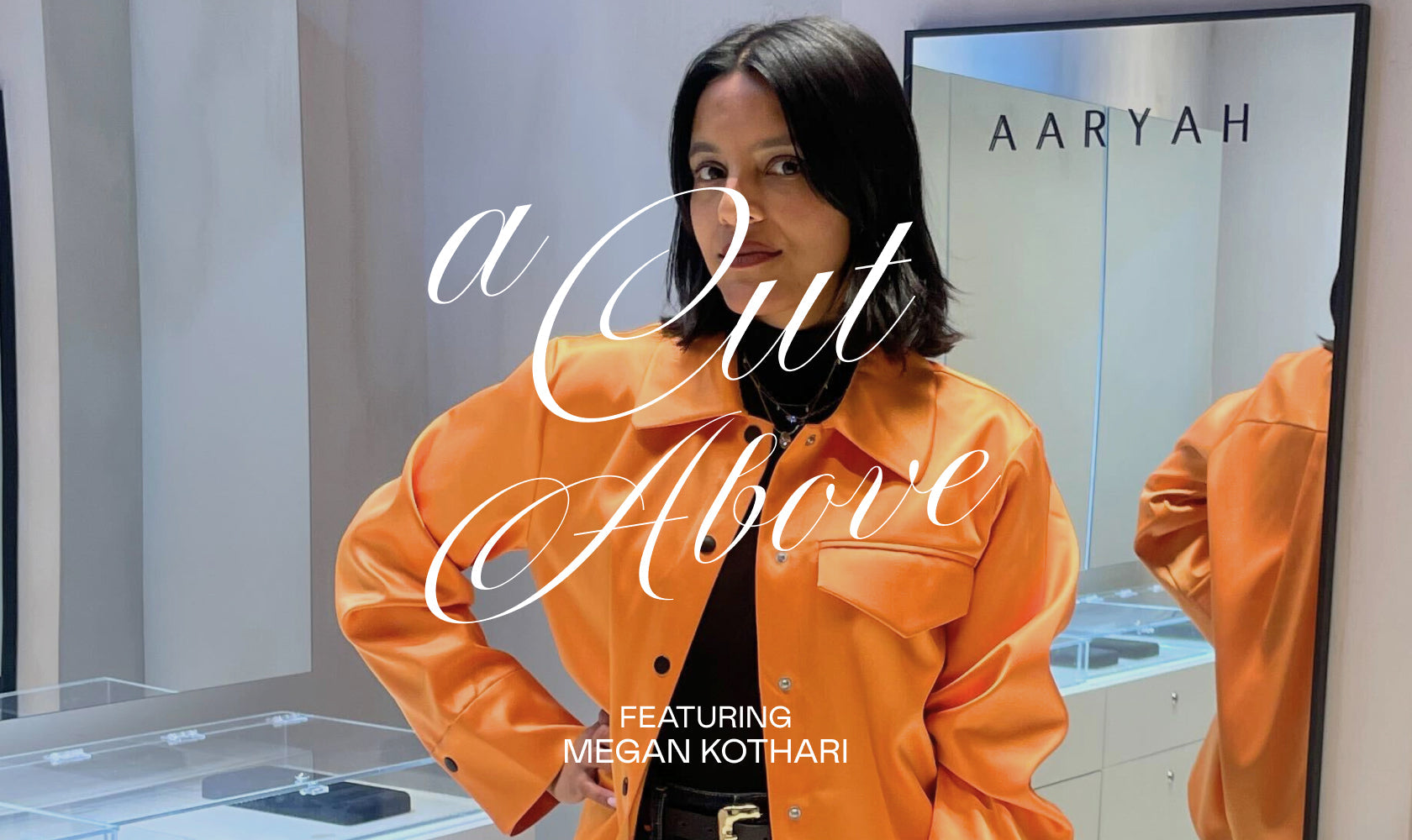
At AARYAH, Megan Kothari brings together South Asian heritage, fine jewellery expertise, and a background in beauty and brand marketing to create modern pieces with a personal point of view.
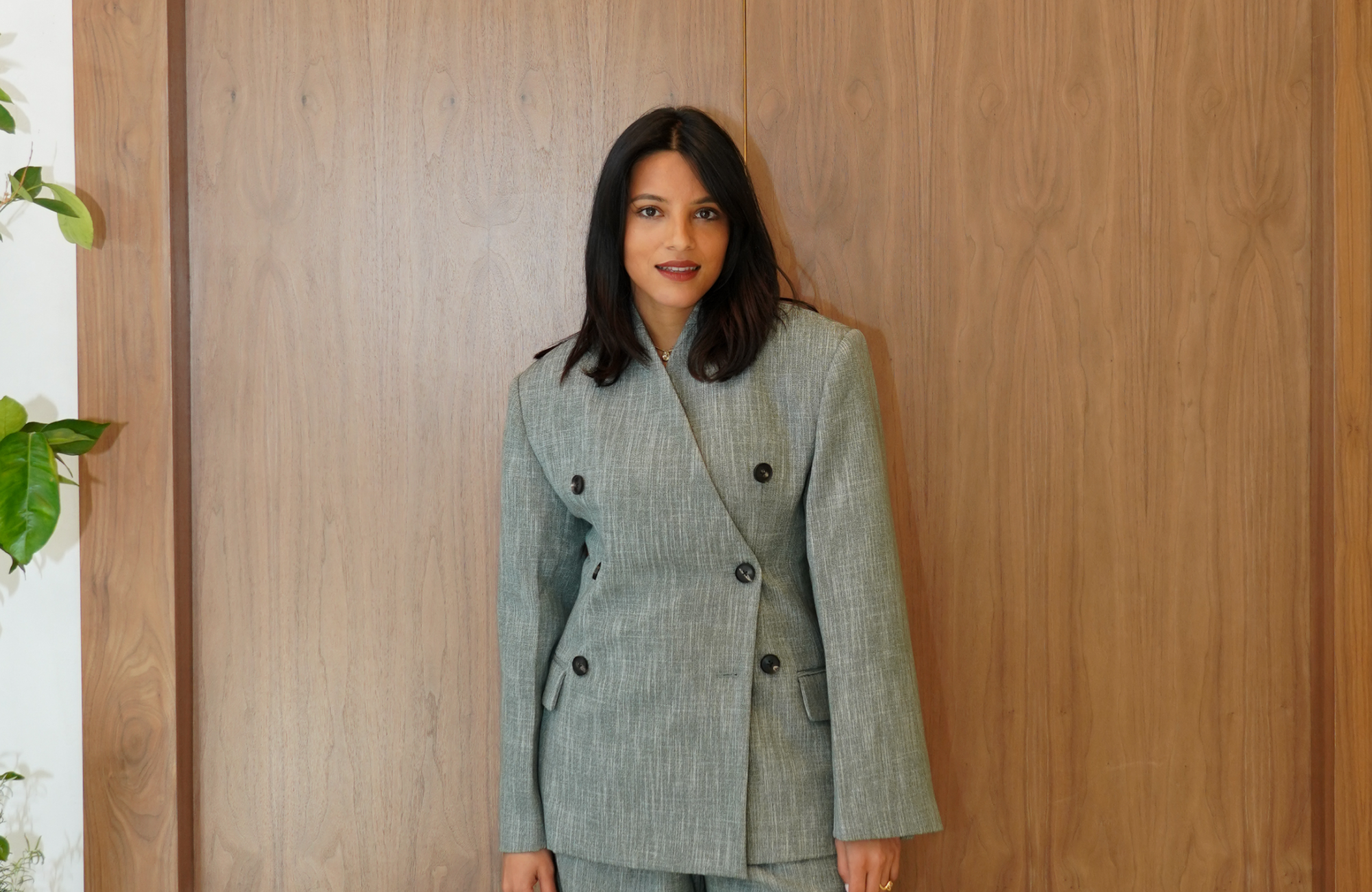
Megan Kothari grew up in a family of diamond wholesalers but built her early career in beauty, working at L'Oreal and Estee Lauder before returning to jewellery. AARYAH began in 2016 as a costume jewellery line inspired by Indian tribal design, then expanded into fine and bridal jewellery after Kothari began helping friends source engagement rings during the pandemic.
You grew up in a family of diamond wholesalers, but initially chose a career in beauty. What eventually brought you back to jewellery?
Jewellery was always part of my environment, but I did not originally see myself entering the industry. It felt familiar, and I wanted to develop an identity of my own, so I pursued brand marketing and worked at L'Oreal and Estee Lauder. That experience gave me a strong understanding of how to build a brand, communicate a point of view, and create an emotional connection with customers. My relationship with jewellery became more personal through travelling to India and collecting traditional pieces, especially bold tribal styles from Gujarat. I began to recognise that my interest was not only in wearing jewellery, but also in designing it and finding a contemporary way to carry those traditions forward.
How did AARYAH begin, and how has the brand evolved since its launch?
AARYAH began in 2016 as a costume jewellery brand inspired by Indian tribal jewellery and the way those pieces express strength, identity, and craft. The early work included custom nameplate necklaces, which connected closely to my own experience of growing up between cultures. Over time, the business developed into fine and bridal jewellery. During the pandemic, I started helping friends source and create engagement rings. That process revealed how limited the options could be for women looking for designs that felt individual rather than conventional. The shift into fine jewellery grew organically from that insight. We kept the original sense of boldness, while bringing greater attention to materials, craftsmanship, and the lasting meaning of each piece.
What does your South Asian heritage contribute to AARYAH's design language?
AARYAH is shaped by the meeting of my two cultures. I am drawn to the visual language and craftsmanship of Indian jewellery, particularly the geometric forms, strong silhouettes, layered surfaces, and metal-heavy presence found in traditional tribal work. At the same time, I design from my experience as a first-generation American and from living in New York. The result is not a direct reproduction of tradition, but an interpretation that feels relevant to the women who wear it today. Jewellery in India carries a deep sense of continuity. It can be passed down, adapted, and given new meaning by each wearer. That idea of living tradition remains central to the brand.
AARYAH moved from costume jewellery into fine and bridal jewellery. What stayed consistent through that transition?
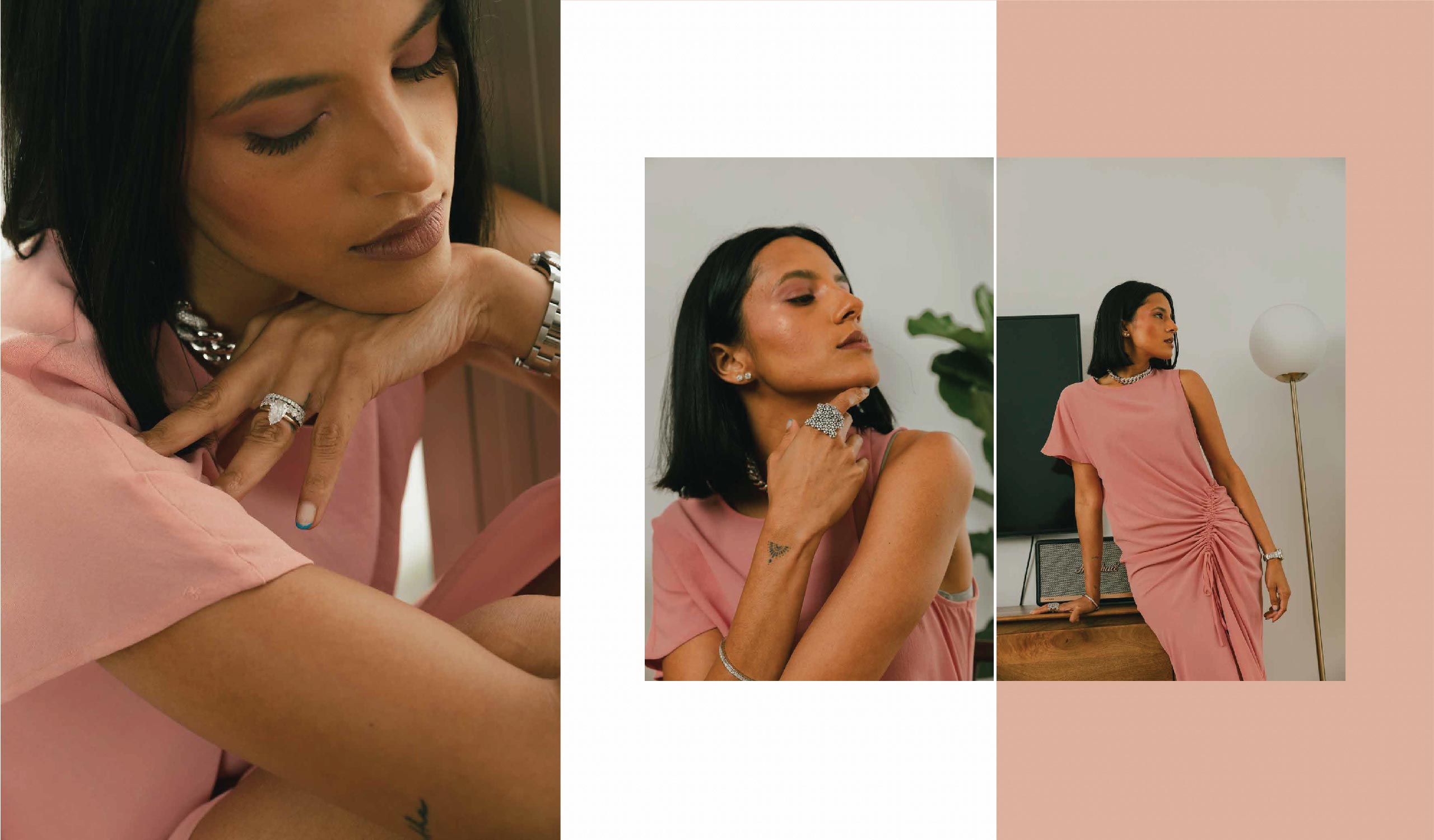
The belief that jewellery should feel expressive has remained constant. From the beginning, I wanted the pieces to have presence and to reflect the strength of the person wearing them. Our fine jewellery is more restrained than some of the early costume pieces, but it still has a clear character. The bridal work, in particular, is designed to feel distinctive without losing its sense of permanence. A diamond may be the focal point of an engagement ring, but the surrounding design should still communicate something about the wearer. We continue to respect the traditions associated with bridal jewellery while making room for personal taste, unexpected details, and a more modern understanding of what a meaningful piece can look like.
What did your experience in beauty and brand marketing teach you about building AARYAH?
It taught me the importance of having a strong voice. A brand needs to know what it believes, how it wants to make people feel, and why its perspective deserves attention. My time in beauty also showed me how much detail goes into creating a complete experience, from the product itself to the way it is presented and discussed. Those lessons have been useful at AARYAH because jewellery is deeply emotional, but it is also a business that requires structure, discipline, and clarity. As a founder, I move between creative decisions, client conversations, operations, and financial planning. The marketing background helps me connect those different parts without losing sight of the larger identity of the brand.
You have described AARYAH as female-forward. What does that mean in practice?
It means making women active participants in a category that has often been shaped around them without fully including their voices. Jewellery, especially bridal jewellery, has traditionally been presented through a fairly narrow set of expectations. I wanted AARYAH to create more space for women to make decisions about what they want, how they want to wear it, and what a milestone means to them. That applies to design, but also to the client relationship. When we work with someone on an engagement ring or another bespoke piece, the process is collaborative. The final jewellery should not simply represent an occasion. It should reflect the person or couple and feel connected to their own story.
How do you approach the relationship between tradition and modernity?
I do not see tradition and modernity as opposites. Tradition gives jewellery its depth, symbolism, and connection to the past. Modernity allows those ideas to remain active and personal rather than fixed. At AARYAH, we look at familiar forms and cultural references, then consider how they can be shaped for contemporary life. Wearability is important to me. Jewellery should be able to move through someone's actual wardrobe and daily routine, not exist only for a single occasion. The pieces can honour craftsmanship and history while still feeling clean, strong, and individual. That balance is what allows a jewel to become part of someone's life and, eventually, part of its longer story.
Bespoke jewellery requires a high level of trust. How do you build that with clients?
The first step is listening carefully. Engagement rings and wedding bands carry an enormous amount of personal meaning, so the process cannot be reduced to choosing a stone or selecting a setting. We want to understand the couple, their preferences, their lifestyle, and the story they are trying to express. That conversation helps us make design decisions that feel considered rather than imposed. Trust also comes from being clear throughout the process, from discussing possibilities to explaining the details of the finished piece. When a client feels involved, the jewellery becomes more than an object chosen from a collection. It becomes a record of their choices and of the relationship that shaped it.
What has entrepreneurship taught you about growth?
It has taught me to stay open to change while remaining clear about the mission. A business does not always develop according to the first plan, and a pivot can be a sign that you are paying attention rather than losing direction. AARYAH's move into bridal and fine jewellery came from listening to what clients needed and recognising where the brand could make a more meaningful contribution. I have also learned to value steady, healthy growth. It is easy to compare your progress with someone else's, particularly in a highly visible industry, but every business has its own timing. Patience, consistency, and the willingness to learn have been more useful to me than trying to force a particular pace.
What do you hope someone feels when they wear an AARYAH piece?
I hope they feel that the jewellery belongs to them. It should support the way they want to show up, whether that means wearing a substantial ring every day, layering several pieces, or choosing something understated with a private significance. Jewellery can hold memory, but it can also communicate how someone feels in the present. That is why individuality is so important to AARYAH. I am interested in pieces that can become part of a person's identity rather than simply complete an outfit. The most meaningful jewellery changes as the wearer changes. It gathers associations, marks different chapters, and carries a sense of continuity without ever becoming disconnected from the person who gives it life.