
Profile
David and Sybil Yurman: A Life in Art, Made Wearable
Hannah R. Harris / Nov 20, 2025

For Dorsey founder Meg Strachan, modern fine jewelry begins with archival design, everyday wearability, and the freedom to choose a stone and price point that feels right.
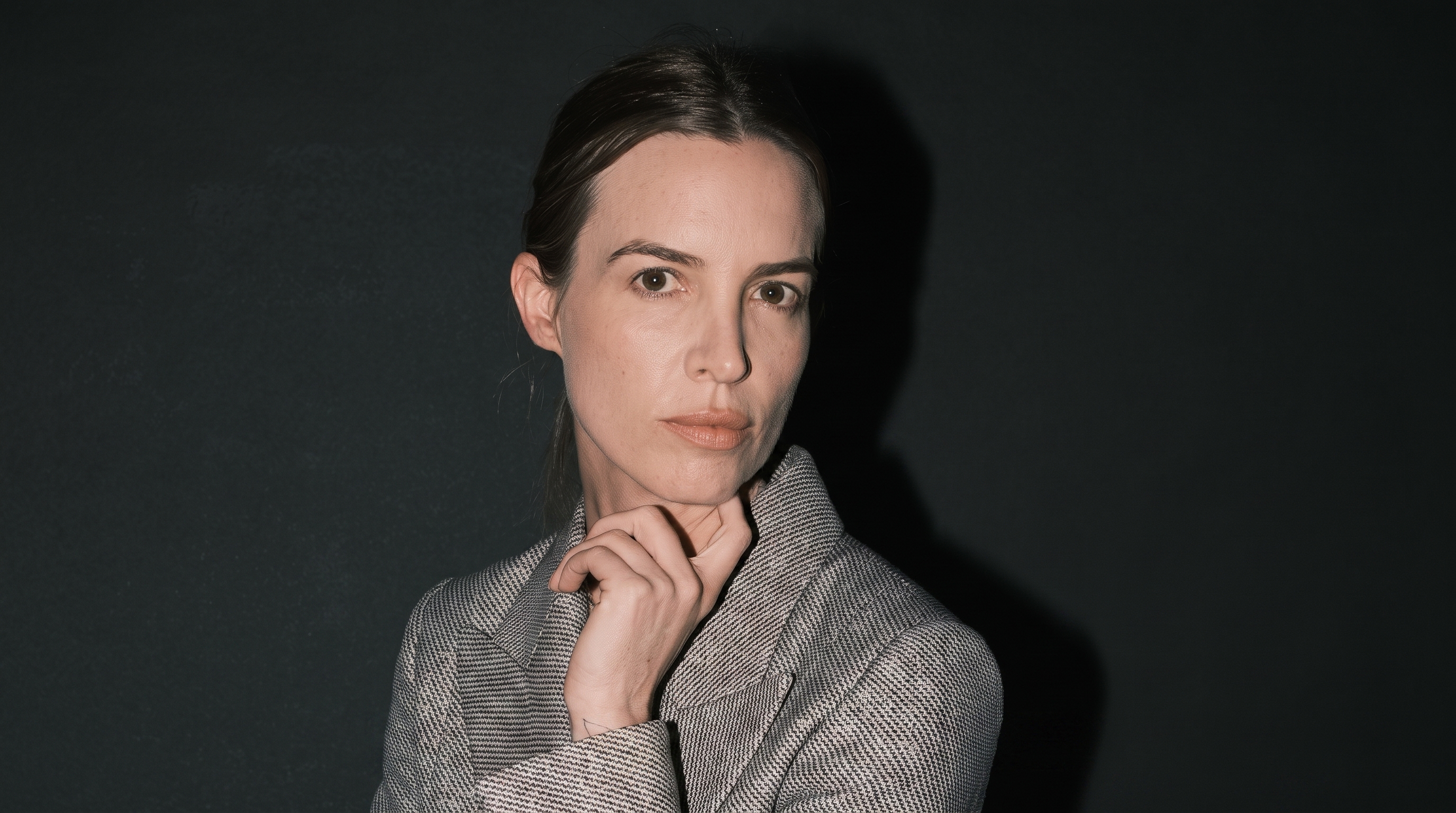
Meg Strachan started Dorsey in November 2019 as a self-funded operation, working alone for the first year while still holding a full-time job. The idea began years earlier in Paris, when the back of a secondhand earring fell off in her hand. Named for her grandmother, a lifelong jewelry collector, the brand pairs vintage-inspired design with lab-grown gemstones.
Dorsey began with a moment in Paris. What did you see there that stayed with you?
I was working at Anine Bing and was in Paris for a shoot when I went into a secondhand shop. I picked up a pair of earrings and the back fell off in my hand. I remember thinking that there should be a way to make jewelry with the beauty and character of vintage pieces, but with the quality and reliability people expect from something they are going to wear often. I had no background in jewelry, but I had spent years building direct-to-consumer fashion and lifestyle businesses. I understood the customer and the business side. The product was the part I had to learn.
Your grandmother, Dorsey, is central to the brand's story. How did she shape your relationship with jewelry?
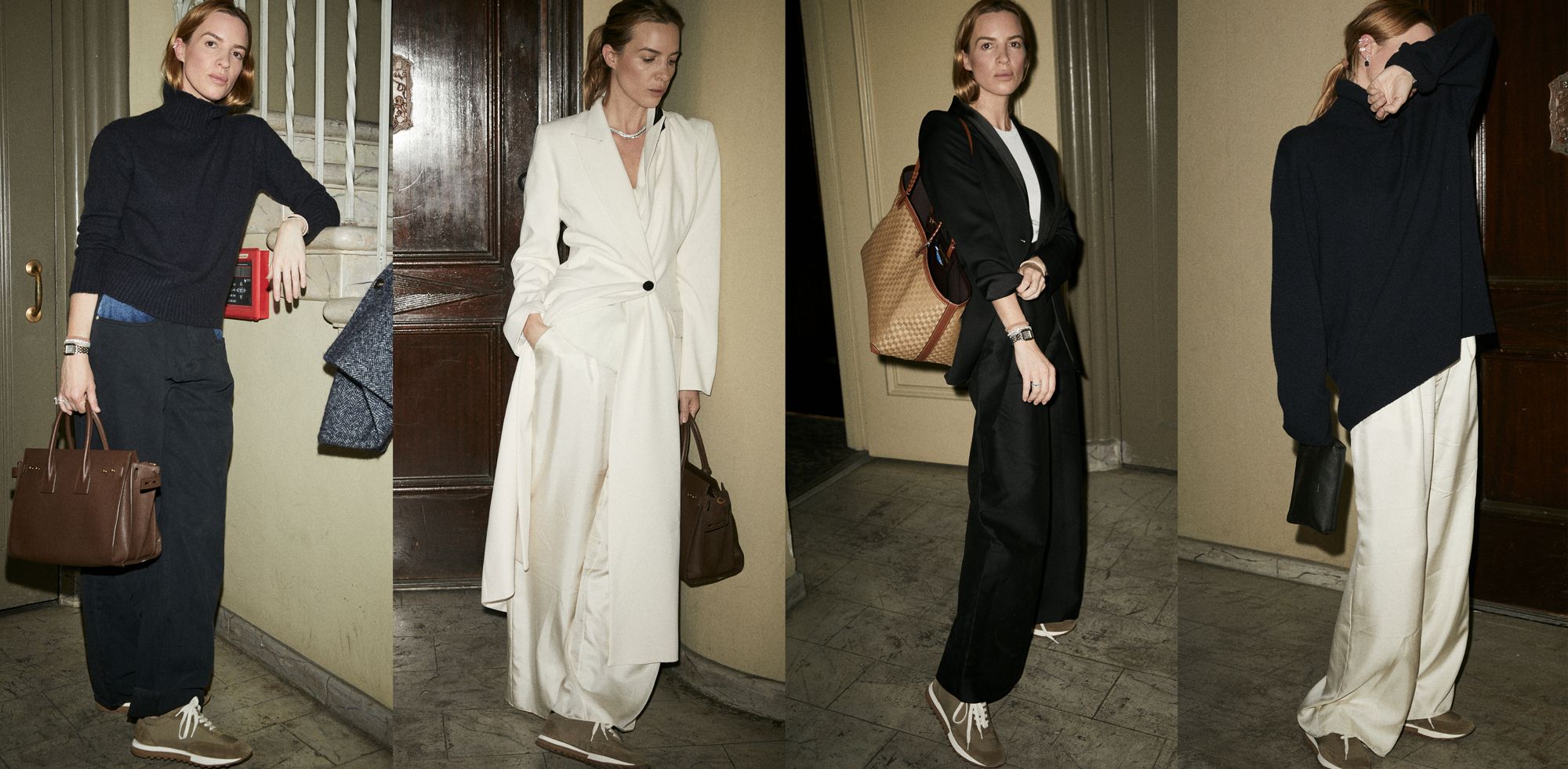
My grandmother was a real jewelry collector. She wore many different kinds of pieces, from costume jewelry to diamonds, and she had a very personal way of putting everything together. She taught me that jewelry does not have to be reserved for formal occasions or treated as something too precious to enjoy. It can be part of your daily identity. The name Dorsey is a tribute to her, but her influence also appears in the way I think about styling. I often begin getting dressed with the jewelry, rather than treating it as the final detail.
You came to jewelry after years in fashion and direct-to-consumer businesses. What did that background make possible?
I had worked at companies including Goop, Anine Bing, Carbon38, Bandier, and Girlfriend Collective, and I had seen businesses at very different stages. I learned how much discipline is required behind the scenes, from customer retention and growth to inventory, marketing, and operations. Those experiences also showed me what happens when a company moves too quickly or loses sight of the customer. When I started Dorsey, I knew how to build a brand and run an online business, even though I was new to jewelry. That gave me a foundation while I developed the product knowledge.
What was the earliest version of Dorsey like?
I started Dorsey in November 2019 as a very small, self-funded operation. I began with roughly six hundred to one thousand dollars, and I was the only person working on the business for the first year. I was the buyer, marketer, photographer, warehouse manager, and customer service team. I packed the early orders myself and took them to the post office. At the same time, I was still working full-time. That period required a lot of persistence, but it also gave me a close understanding of every part of the customer experience.
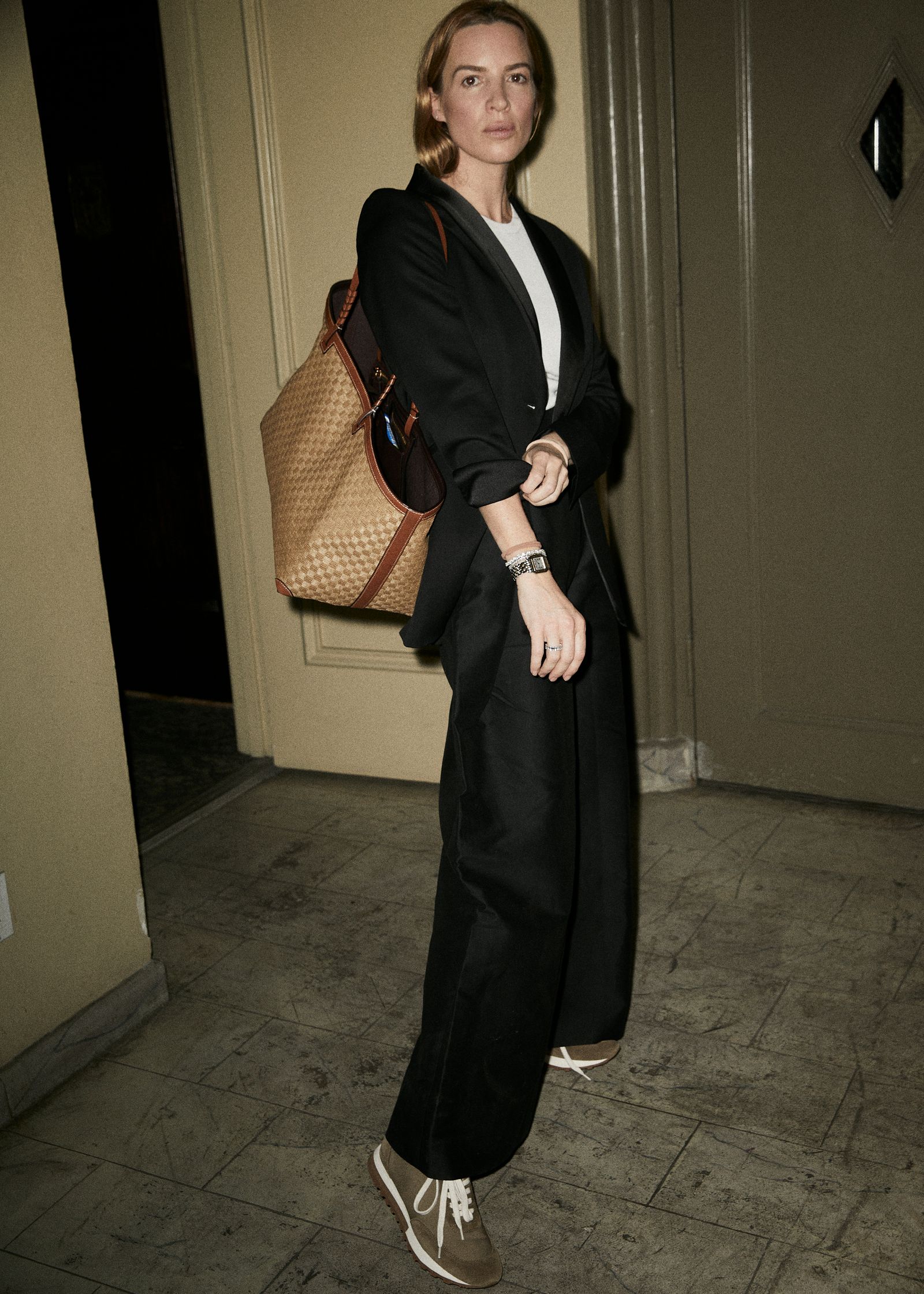
Dorsey is known for lab-grown gemstones and vintage-inspired design. How do those two ideas work together?
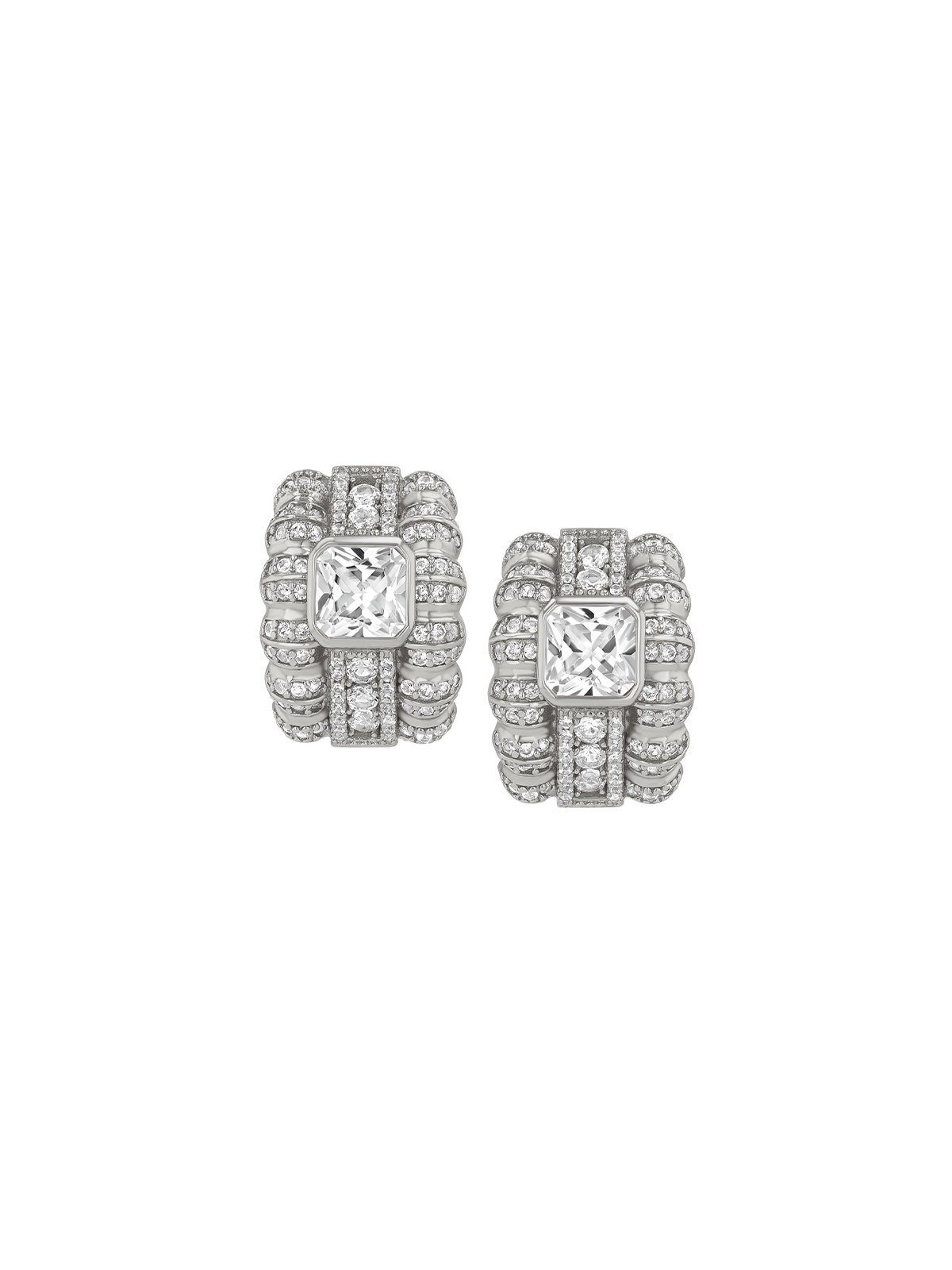
The design comes first. I am drawn to pieces that feel as though they could have belonged to someone before you, with an archival quality and a sense of history. Lab-grown stones allowed us to explore that feeling in a way that could be more accessible to a wider customer. We could focus on the shape, proportion, and overall effect of the jewelry rather than presenting stone hierarchy as the only measure of value. The goal is to create pieces with a lasting visual language that people can wear repeatedly and make their own.
What did you find most surprising about entering the jewelry industry?
It is an industry with deeply established ways of working. There is a strong attachment to tradition, and many of the conversations and businesses are still shaped by men, even though the customer is often a woman. Coming from outside the industry, I did not always know that certain questions were considered unusual. That was useful because I was willing to ask them anyway. We tested approaches that made sense to us, particularly around design, direct-to-consumer retail, and lab-grown stones. Being an outsider gave me permission to build a path that was specific to Dorsey.
How has the conversation around lab-grown stones changed since you launched?
When Dorsey began, lab-grown diamonds and gemstones were still a relatively new category, and the industry often treated them with skepticism. The customer has become much more informed since then. People are asking better questions, developing their own views, and thinking carefully about how they want to spend. That shift has made it possible to have a more open conversation about design, materials, quality, and price. We have grown alongside the customer. What matters to us is giving people clear choices and allowing them to decide what fits their own priorities.
Dorsey has remained a lean and profitable business. What has that approach allowed you to protect?
It has allowed us to make decisions based on the business we are actually building, rather than on expectations placed on us by outside investors or a particular growth model. I had worked during the period when direct-to-consumer companies were receiving significant venture capital, so I saw both the energy and the pressure that came with that environment. Dorsey gave me the chance to grow at a pace that felt appropriate. Staying close to the customer and maintaining control over the business has been important to me. It also means being very conscious about where we put our time and resources.
What do you hope a customer feels when she wears a Dorsey piece?
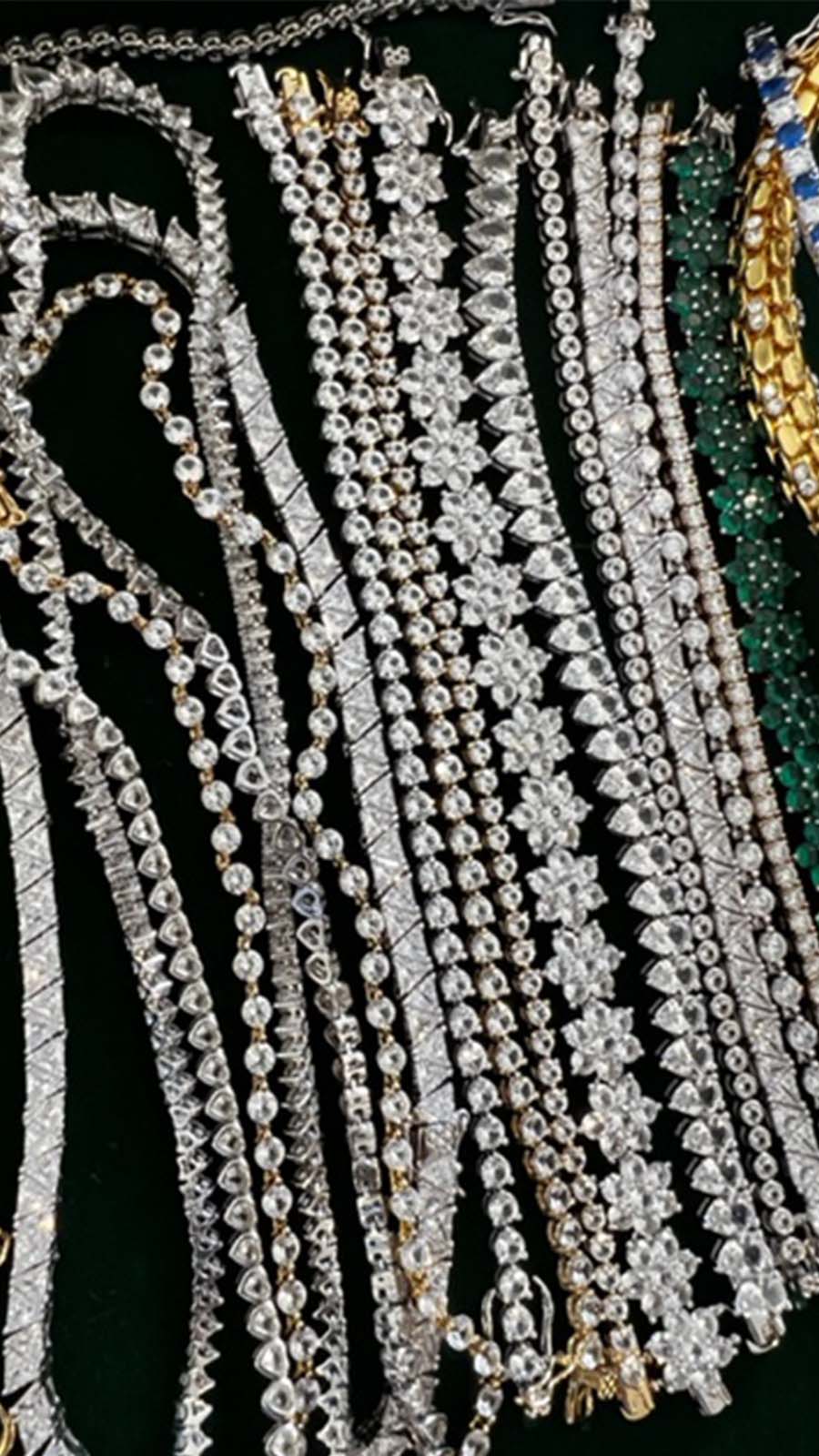
I want the jewelry to feel natural in her life. It should be something she reaches for often, not something that stays in a box waiting for the right event. I am interested in pieces that can become part of a personal uniform, whether that means a rivière necklace, a tennis bracelet, a pair of studs, or something more expressive. Jewelry has a way of accumulating meaning through repetition. The longer you wear something, the more connected it becomes to your own life, clothes, and memories. That personal relationship is more important than making a piece feel overly formal.
What has founding Dorsey taught you that you could not have learned from your previous roles?
I learned that the role changes constantly. You can become comfortable solving one set of problems, and then the business presents you with an entirely different set. There is no point at which everything becomes easy. Every year brings a new level of responsibility, and there are always circumstances you could not have planned for. The work has made me more confident in my ability to figure things out. It has also made me more realistic. Building a company is not a single breakthrough. It is a long series of decisions, adjustments, and continued attention to the customer.