Profile
Rachel Scott on Craft, Context, and the Expansive Language of Diotima
Hannah R. Harris / Aug 8, 2026

Photographers Marion Davies and Debra Rapp reopen their archive of 80 displaced Lea Valley businesses in Dispersal, at V&A East Museum from August 10 through October 18.
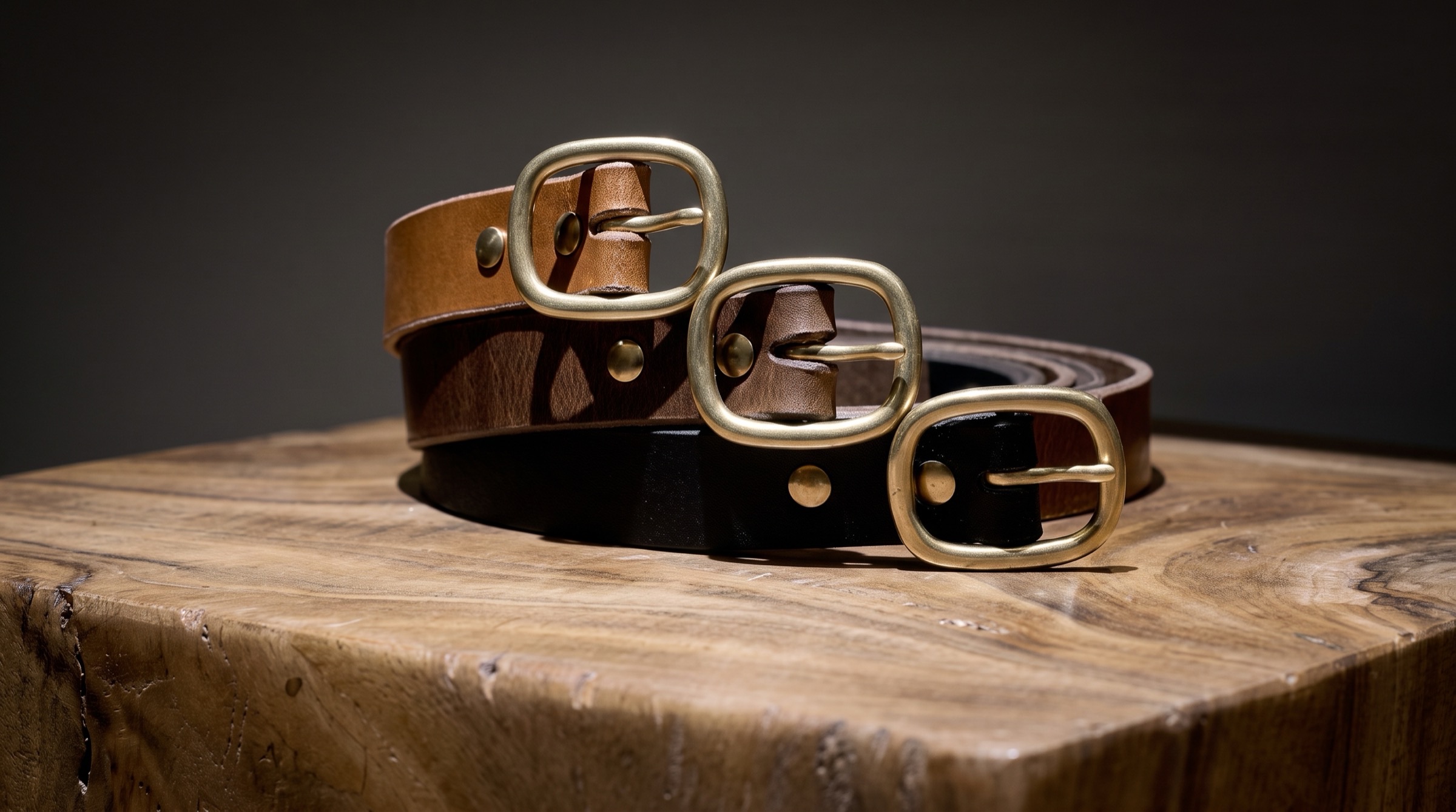
Two hundred and eighty-four trades and businesses in the Lea Valley, the stretch of East London between Stratford and Hackney Wick, had to relocate to make way for the 2012 Olympic Games. Photographers Marion Davies and Debra Rapp spent 2005 to 2007 systematically documenting 80 of them before the bulldozers arrived: belt makers, zinc galvanisers, salmon smokers, and the workshops, yards and interiors that housed them. Davies shot in black and white, Rapp in color. That archive, made in collaboration with Juliet Davis, returns to the ground it recorded this year in Dispersal: Picturing Urban Change in East London, on view at V&A East Museum, on Queen Elizabeth Olympic Park, from August 10 through October 18, 2026.
The show sits inside the same postcode that emptied out the trades it documents. V&A East Museum stands on land that, two decades ago, was still zinc-galvanising sheet metal and smoking salmon. The photographs are not being shown in a neutral gallery elsewhere in the city; they are being shown at the site of their own subject's removal, which changes what a visitor is looking at. This is not archive-as-nostalgia. It is archive returned to the scene.
The word most often used for what happened to the Lea Valley trades is loss of "industry," a term abstract enough to sound like a line item rather than a set of rooms. Davies and Rapp's photographs work against that abstraction by being specific: a particular workshop, a particular machine, a particular yard stacked with a particular kind of material. Regeneration's finished architecture, the museum included, replaces buildings. It does not replace the tacit knowledge inside them, the specific hand-skill of a belt maker or a metal finisher that lived in that person and that workshop and nowhere else once the lease ended.
That distinction matters because fashion, the industry VOL covers, depends on exactly this kind of small-scale specialist labor: dyers, finishers, belt and buckle makers, the workshops that never appear on a runway credit but without which almost nothing on the runway would exist. Photographs of their disappearance rarely circulate in the same visual culture as the finished clothes those workshops enabled. Davies and Rapp's archive is one of the few sustained records of what that supply chain looked like from the inside, at the specific moment it was being dismantled for a two-week sporting event.
The exhibition's own framing poses the question directly: "How can we work to revive industries and cultures of making, while supporting new creative practices to emerge across our cities and communities?" It is not a rhetorical flourish. V&A East Museum is itself part of the redevelopment that displaced the trades Davies and Rapp photographed, which puts the institution in the uncomfortable position of hosting a record of its own site's prior life.
The value of Dispersal is that it treats its 80 businesses as its actual subject rather than as texture behind a redevelopment story. A weaker version of this show would use the photographs as before pictures, mood-setting for an after that the museum itself represents. Davies and Rapp's method, systematic documentation across two years rather than a handful of representative snapshots, resists that reduction. Eighty businesses is a large enough sample to function as a record of a trade ecosystem, not an anecdote about one.
What Dispersal leaves the viewer with is not a simple loss narrative but a specific inventory: this many businesses, these trades, this stretch of river, documented in this much detail, in the years just before they were required to leave. The Olympic Park that replaced them is finished architecture. The knowledge that ran through those buildings left with the people who held it, and Davies and Rapp's photographs are among the only places that knowledge is still visible at all.