Profile
David and Sybil Yurman: A Life in Art, Made Wearable
Hannah R. Harris / Nov 20, 2025

For Levon and Vartkess Knadjian, the future of Backes & Strauss is shaped by an inherited respect for craft, a deep understanding of diamonds, and a willingness to let a historic house evolve.
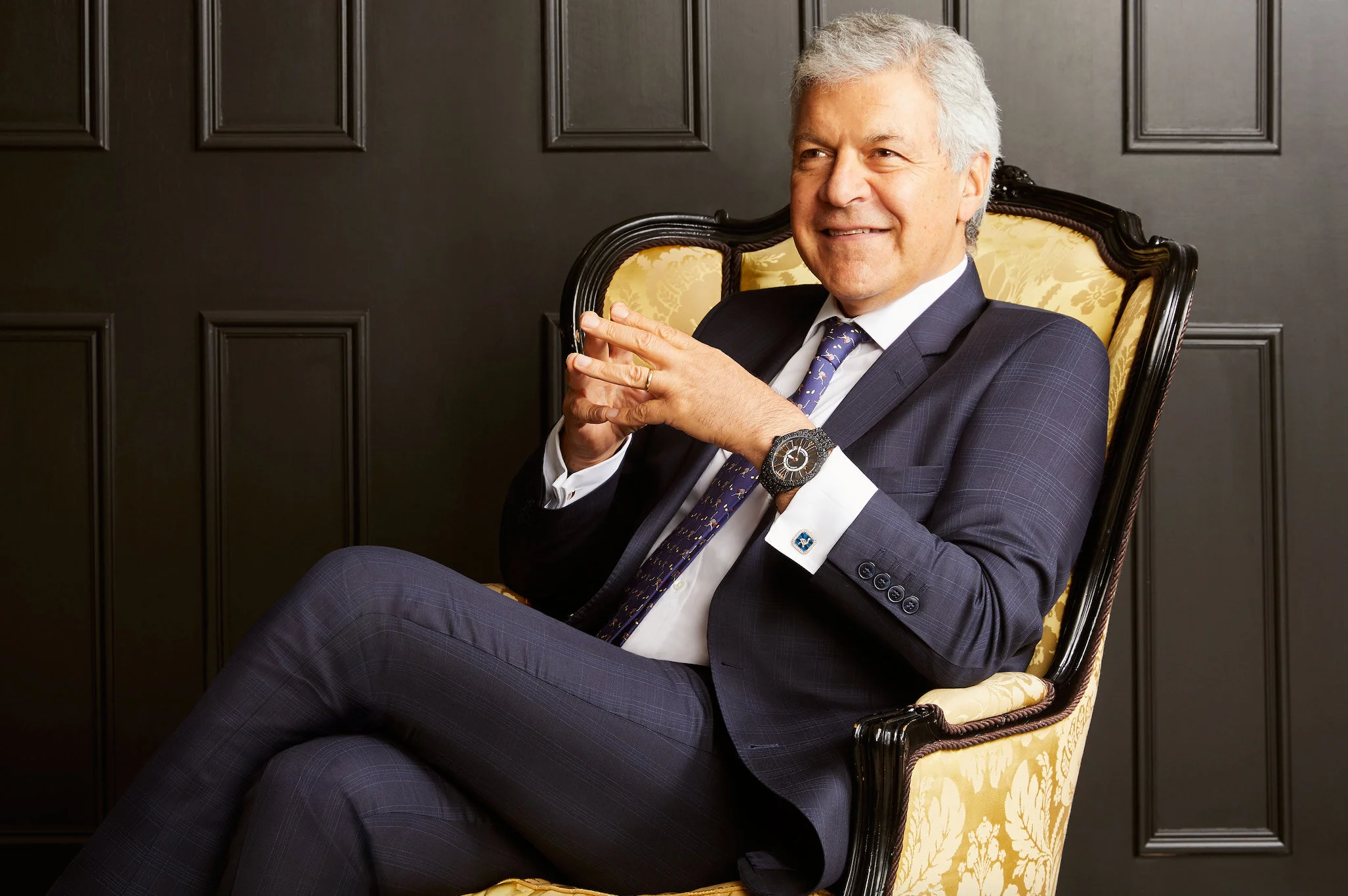
Vartkess Knadjian joined Backes & Strauss in 1976 as a trainee diamond buyer, following a childhood spent watching his father repair Swiss watches in Addis Ababa. His son Levon joined the London house in 2016, bringing a new generation to a firm that traces its origins to 1789.
Backes & Strauss dates back to 1789. What does it mean to lead a company with such an extensive history?
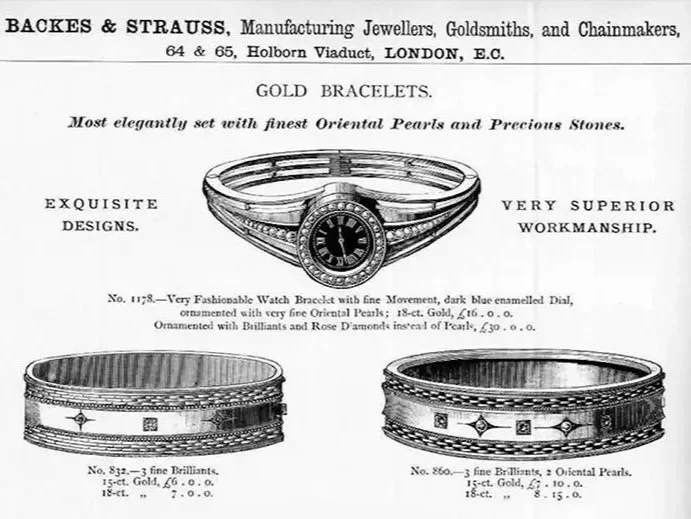
Vartkess Knadjian: A long history brings both privilege and responsibility. Backes & Strauss began as a goldsmith in Hanau, Germany, before establishing a London presence in 1814. Over time, the company became associated with jewellery manufacturing and, later, with the sourcing, cutting and distribution of diamonds. Our role is not simply to preserve that history as something static. We have to understand what made the company relevant in each period and carry those qualities forward. For us, that means remaining committed to expertise, precision and craftsmanship while allowing the brand to develop in response to the world around it.
Your own path into the company began with your family's connection to watchmaking. How did that early experience shape you?
Vartkess Knadjian: I was born in Addis Ababa, where my father had established a business importing fine Swiss watches. He had trained at the École d'Horlogerie de Genève and had also worked as a watchmaker. As a child, I would accompany him to his workshop and watch him repair and examine timepieces. That experience gave me an appreciation for the patience and concentration involved in the work. I later studied in England and joined Backes & Strauss in 1976 as a trainee diamond buyer. Although my professional training moved into diamonds, watches remained an important part of my background and eventually became central to the company's direction.
How did Backes & Strauss move from diamond trading into the creation of high-end timepieces?
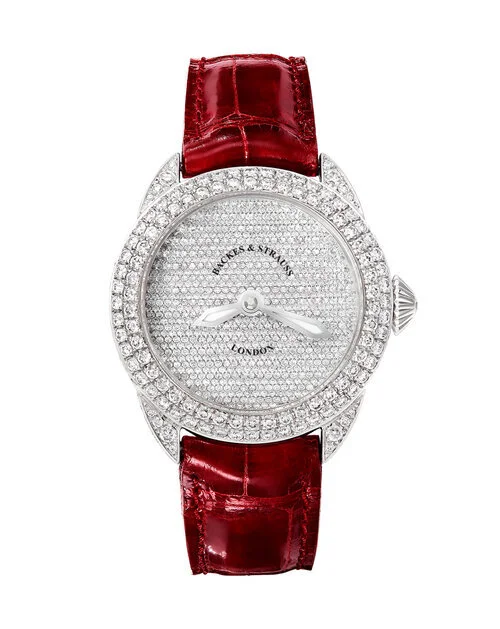
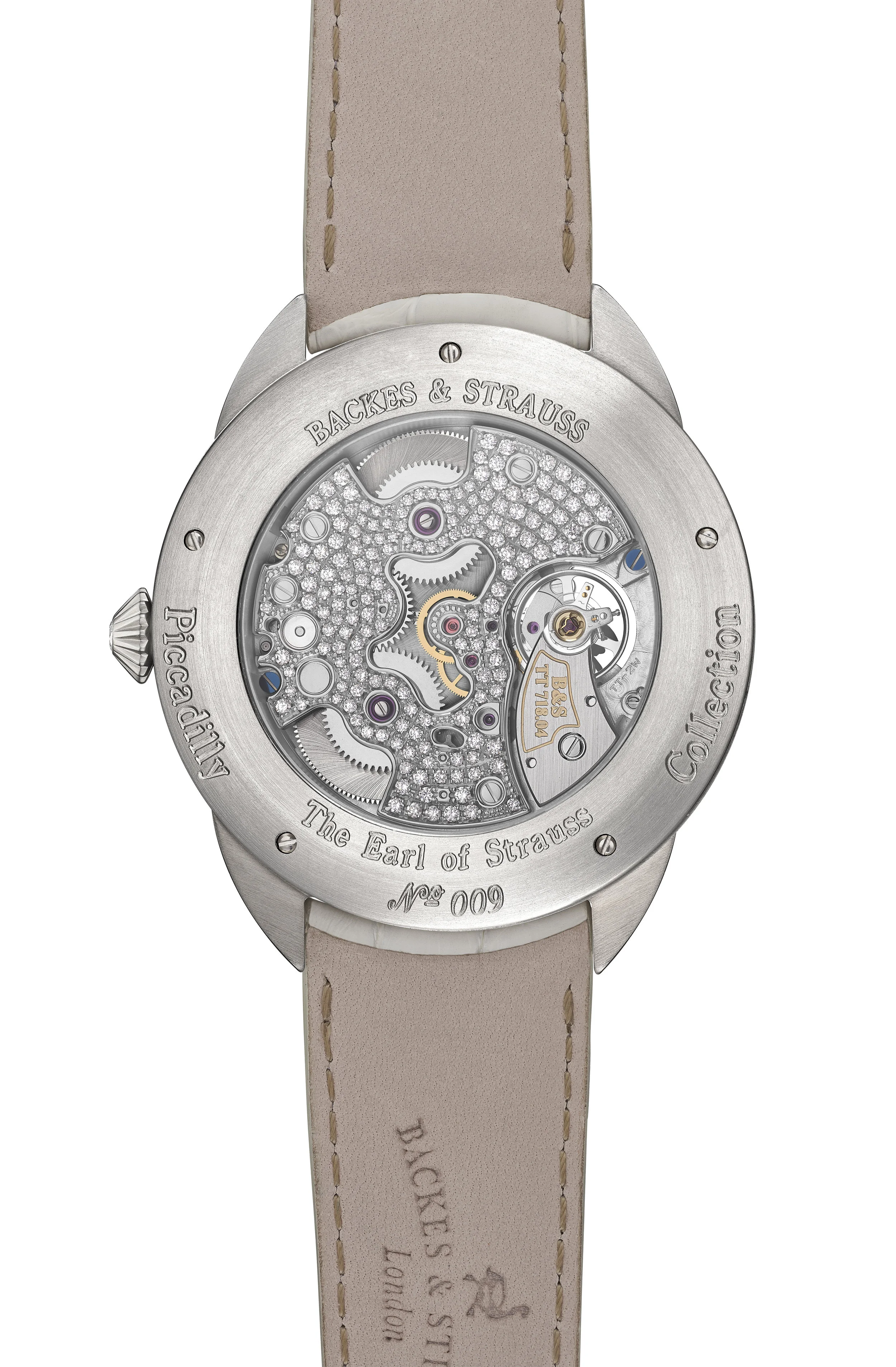
Vartkess Knadjian: The diamond business was changing. With the rise of grading reports and published price information, much of the specialist knowledge that had once created value in the trading process became more widely available. We began to consider how the history and expertise of Backes & Strauss could be applied in another way. Jewellery was an initial possibility, but our relationship with the Franck Muller Group suggested a natural connection between diamonds and watchmaking. The partnership allowed us to combine our knowledge of precious stones with Swiss watchmaking expertise. In 2006, Backes & Strauss introduced its first collections as a specialist creator of diamond jewellery watches.
What did you learn during your years working in Antwerp?
Vartkess Knadjian: Antwerp was an important school for me. I learned to sort and value diamonds, but the education was broader than technical knowledge. I spent time with experienced cutters, polishers, sorters and traders, learning how each part of the process affected the final stone and its value. At that time, much of the trade was learned through observation and proximity to people who had spent their lives in the business. You had to be patient and pay close attention. That experience continues to influence how I think about a finished timepiece. Every element, from the stone to the setting and the movement, has to be considered as part of a complete object.
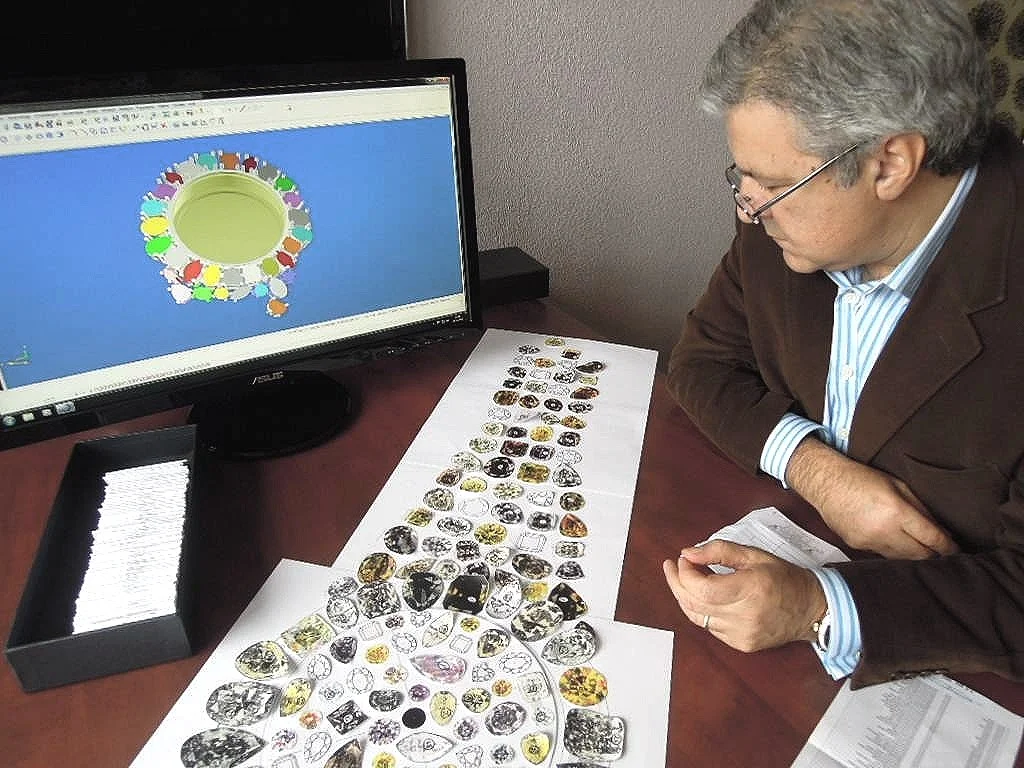
What is distinctive about designing a watch around diamonds rather than simply adding diamonds to an existing design?
Vartkess Knadjian: Diamonds have to be considered from the beginning. They are not an afterthought or a decorative layer applied once the watch has already been designed. Their shape, proportions, cut and placement affect the architecture of the case and the way light moves across the piece. This is why the relationship between the diamond experts and the watchmakers is so important. Our aim has always been to bring those two disciplines together. The watch needs to function as a precise mechanical instrument, but it also needs the balance and visual rhythm of fine jewellery. The design has to respect both sides equally.
Backes & Strauss has worked with the Franck Muller Group for many years. What made that partnership appropriate for the house?
Vartkess Knadjian: We were looking for a watchmaking partner whose creative philosophy could sit comfortably alongside our diamond heritage. Franck Muller had a strong reputation for combining traditional watchmaking with contemporary design, and that combination was important to us. Backes & Strauss had the diamond knowledge and historical identity, while the Franck Muller Group brought watchmaking expertise and manufacturing resources. The partnership gave us the opportunity to create a new category for the company without abandoning its origins. It was a meeting of two forms of craftsmanship, each with its own language and standards.
Levon, you joined the family business in 2016. What drew you to Backes & Strauss, and what is your role within the company?
Levon Knadjian: I joined because Backes & Strauss offered the chance to work with a very unusual combination of history, diamonds and watchmaking. It is a family business, but it also has a clear identity and a responsibility to represent its heritage properly. My work has focused on business development and brand direction, including relationships with partners and clients in different markets. I have also been involved in presenting the collections and explaining the story behind them. Coming into the company gave me the opportunity to learn directly from my father while bringing my own perspective to how the brand communicates with a new generation of clients.
How do you approach the relationship between heritage and a more contemporary point of view?
Levon Knadjian: Heritage is useful when it informs the way a brand works, not when it becomes a substitute for new thinking. The history of Backes & Strauss gives us a foundation, but it also raises expectations. We have to be able to explain why the house exists today and what its experience contributes to the finished piece. My role is partly about making that story accessible without reducing it to a slogan. The collections draw on the company's London identity, its diamond expertise and its partnership with Swiss watchmakers. Those elements give us continuity, while the design and the way we engage with clients can continue to develop.
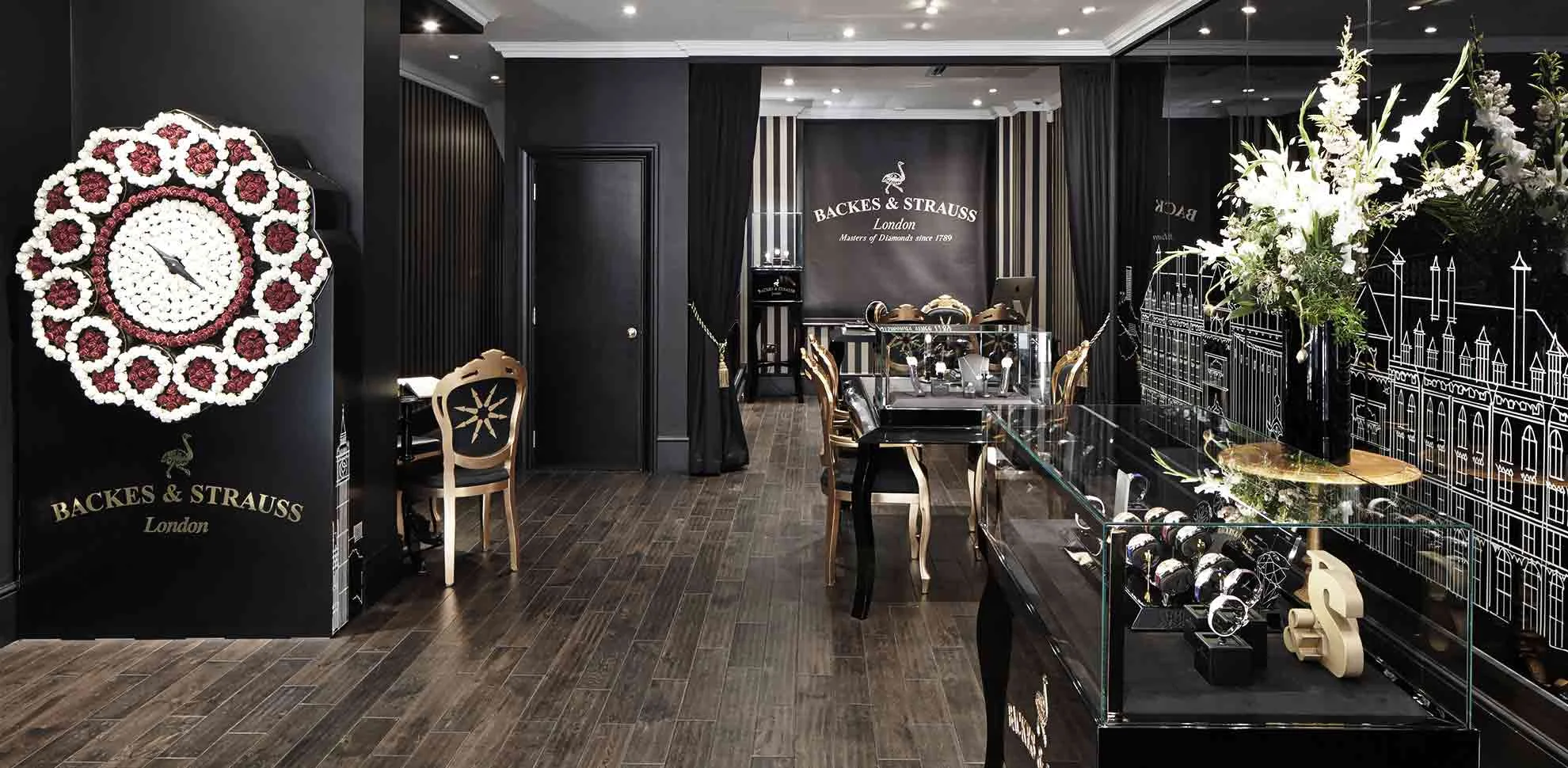
What does the family dimension add to the way Backes & Strauss operates?
Vartkess Knadjian: It creates a direct sense of accountability. Clients often appreciate being able to meet the people behind the company and discuss a piece with them. In a family business, the relationship is personal, and the decisions we make are connected to the reputation we will leave to the next generation. That does not remove the need for professional standards or careful planning. It makes those things more important. I am pleased that Levon has joined the company because he understands the history but also brings a different perspective. The continuity is valuable, but so is the renewal that comes with the next generation.
What do you hope the next chapter of Backes & Strauss will preserve and what should it explore?
Levon Knadjian: The next chapter should preserve the company's attention to craftsmanship, its diamond expertise and its connection to London. Those are not simply historical references. They are the foundations of what makes the brand recognisable. At the same time, we need to keep developing the way we speak to clients and the experiences we create around the timepieces. My father has spoken about the importance of the next generation embracing jewellery as part of the brand's future, and that is an area with real potential. The objective is to let the house grow while ensuring that every new direction remains connected to the standards and identity established over more than two centuries.