Profile
Gucci Westman on the Art of Making Beauty Feel Like Yourself
Kayla M. Walker / Aug 8, 2026

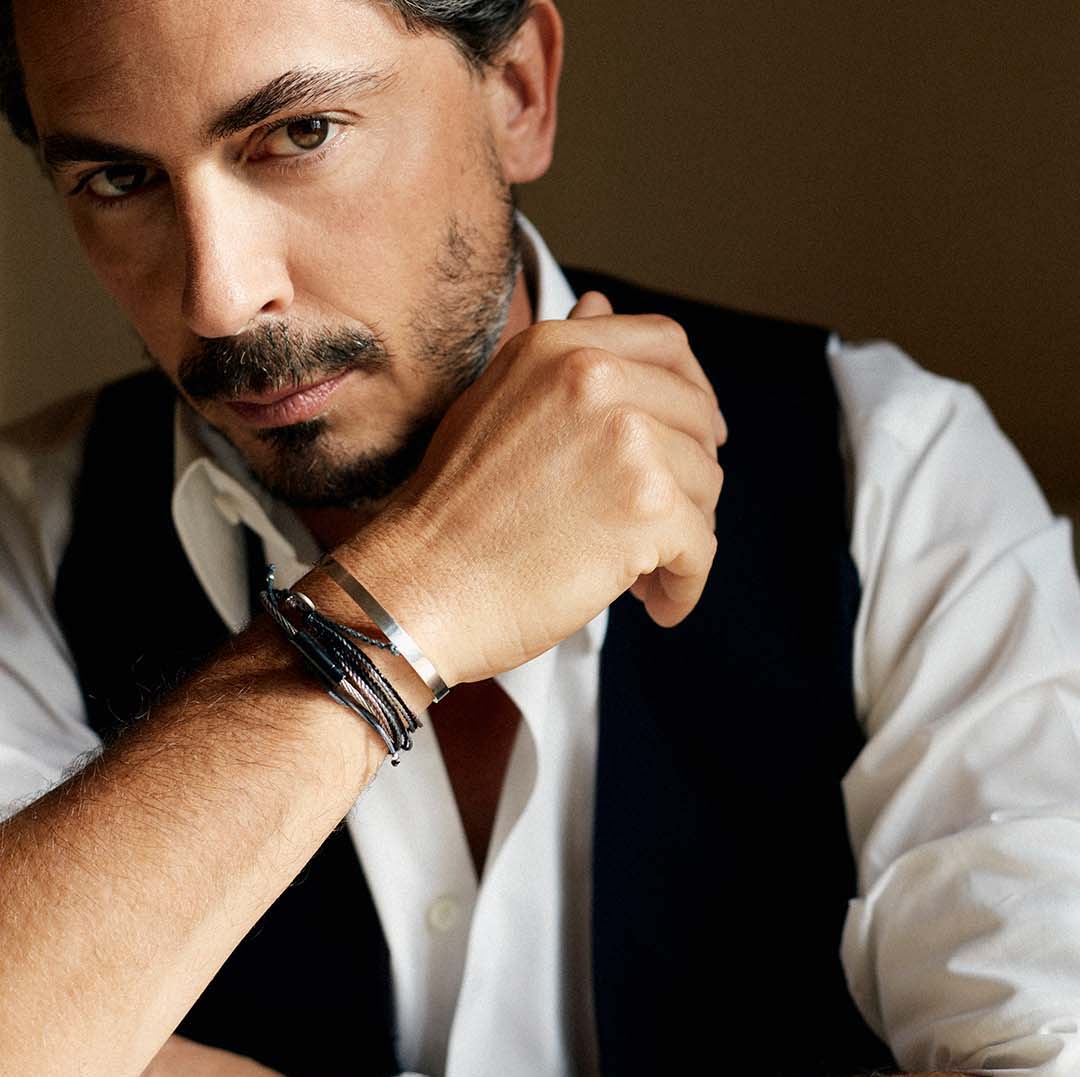
For Kilian Hennessy, perfume is an intimate language shaped by memory, storytelling, pleasure and the art of creating objects meant to last.
Your path into perfumery began with an academic interest in the language of scent. What did studying the semantics of odours reveal to you?
I was at university when I wrote a thesis on the semantics of odours. I wanted to understand how smell communicates, so I went to perfumery school and began working directly with raw materials. That first contact changed everything. Perfume was no longer an abstract subject. It became something physical, precise and endlessly expressive. I learned that scent can describe a place, a person, a memory or an emotion without using a single word. It can also change meaning depending on who wears it. That complexity is what captured me. I have been learning from perfume ever since.
You grew up surrounded by the world of cognac. How has that heritage informed your work without defining it entirely?
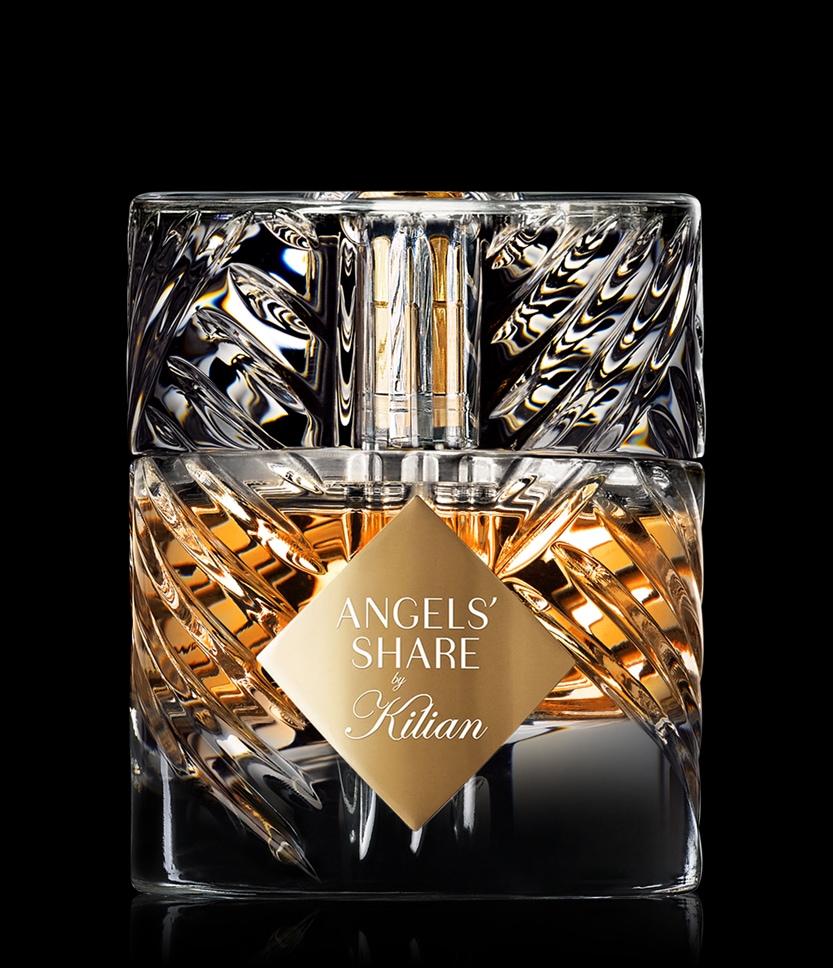
My family history gave me an early understanding of materials, time and craftsmanship, but I did not want to reproduce the work of my ancestors. I wanted to translate a sensibility into another discipline. The cognac cellars were particularly important because of the smell of oak, alcohol, sweetness and evaporation. The expression angels’ share refers to the portion of spirit that disappears from the barrel during ageing. That olfactive memory eventually became the starting point for Angels’ Share. Heritage is useful when it becomes personal. It should give you a vocabulary, not dictate the sentence you have to write.
KILIAN PARIS is often built around a strong narrative. Where does a new fragrance usually begin for you?
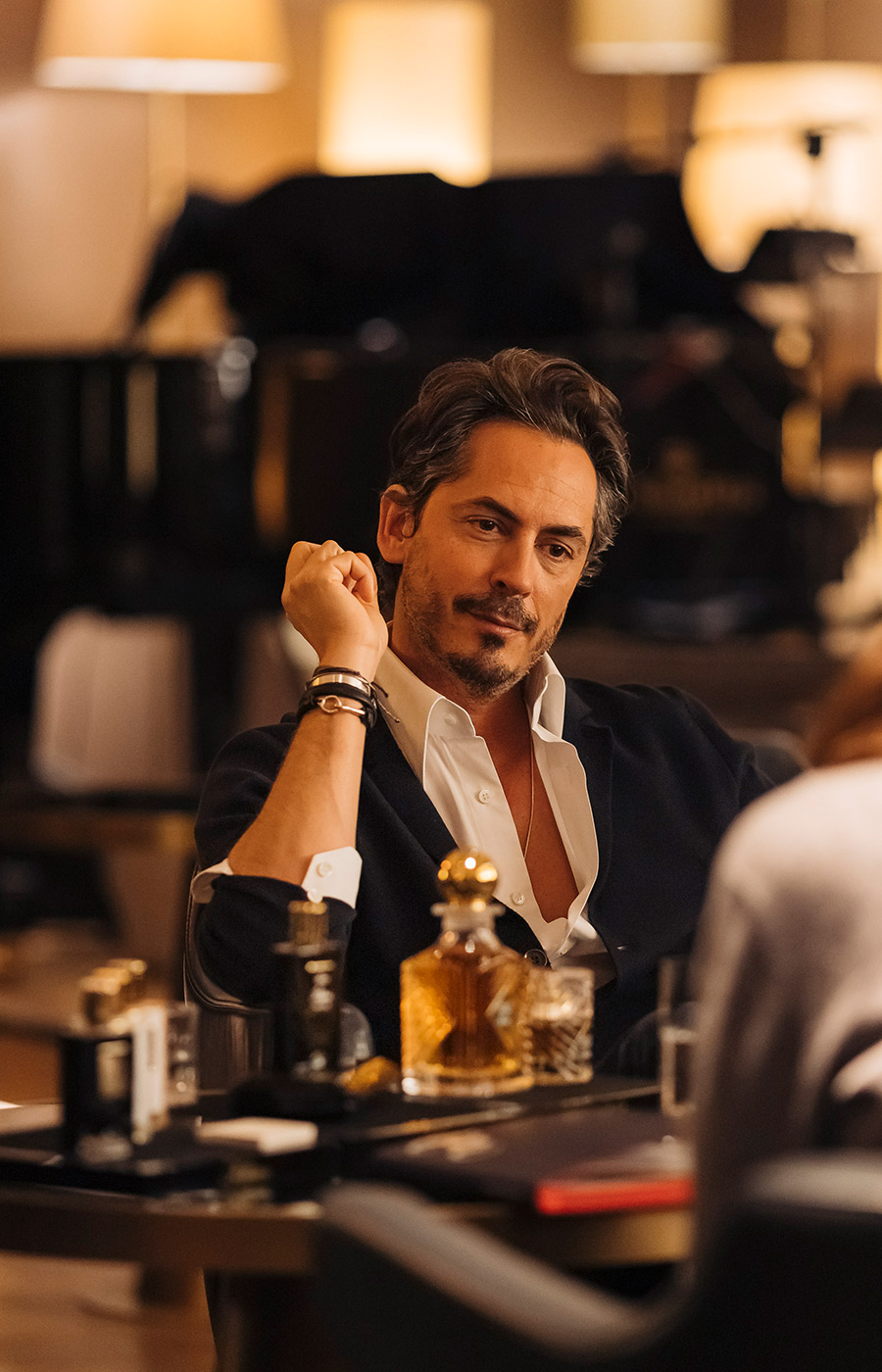
It can begin with a memory, an ingredient, a drink, a place or a particular emotion. I have developed fragrances from Turkish coffee, a mango dessert in Bangkok, gin and cognac. Sometimes the inspiration is visual or almost cinematic. I know the world I want to create before I begin working on the formula. The story gives the fragrance a direction and helps me decide what belongs inside it. A perfume should not be a collection of attractive ingredients without a reason for being together. It needs an identity that can be felt, even when the wearer knows nothing about its construction.
You have described the name of a fragrance as a kind of script. Why is naming so important to the creative process?
The name establishes the role that every element will play. It tells me what kind of character the fragrance should have, what atmosphere it should create and what emotion it should leave behind. I think of the name before choosing the perfumer because the name is the script for the project. Different names suggest different personalities, and a perfumer’s interpretation will respond to that direction. I am not looking for a beautiful name that is added at the end. The name has to be part of the architecture from the beginning. It should open the door to the story, without explaining everything.
What does your collaboration with perfumers look like in practice?
My role is to direct the creation. I begin with the story, the name and the emotional territory, then I work closely with the perfumer to translate that idea into materials. I am very involved in the selection of ingredients and in the development of the formula. The process requires patience because a fragrance changes over time, both on a blotter and on skin. It is also important to understand the rules of perfumery before trying to bend them. There are thousands of possible notes and combinations, and knowledge helps you avoid repeating what already exists. Creativity is stronger when it is supported by discipline.
KILIAN PARIS fragrances move between fresh compositions, florals, smoky notes, liquors and more unexpected accords. How do you decide when an unusual note belongs in a formula?
I am interested in contrast, but the unusual element must serve the fragrance. There are many materials that are not conventionally pleasant when smelled on their own, yet they can create depth, tension or persistence inside a formula. I have used notes with petrol-like facets to disturb a floral composition and give it more character. The important thing is not to add something strange simply to appear different. A fragrance can be distinctive and still need to be enjoyable to wear. For me, perfume is first a pleasure. The challenge is to create something recognisable and surprising at the same time.
You have said that perfume can be both seduction and protection. How does that duality shape the way you think about wearing scent?
Perfume can help us project an image, particularly when we want to feel attractive or memorable. But it can also create a private space around us. When I apply fragrance before leaving the house, I feel that I am placing a boundary between my intimacy and the outside world. Those two functions are not opposed. We can want to draw someone closer and still want to feel protected. That is why I resist the idea that a fragrance should belong only to a particular gender or type of person. The same scent can express different things depending on the wearer and the moment.
You speak about having a wardrobe of scents rather than one signature perfume. What does that idea make possible?
It allows fragrance to respond to life as it is actually lived. I choose what to wear according to my mood, the weather, the way I am dressed and the occasion. In winter I may want something warm and comforting. In summer I may prefer something fresh and light. A scent can also accompany a quiet afternoon, a long walk, an evening out or a particular kind of confidence. We change during the day, so there is no reason for fragrance to remain fixed. A wardrobe gives people permission to explore different sides of themselves rather than searching for one permanent definition.
The flacons are designed to be refilled and kept. How do you understand the relationship between permanence and luxury?
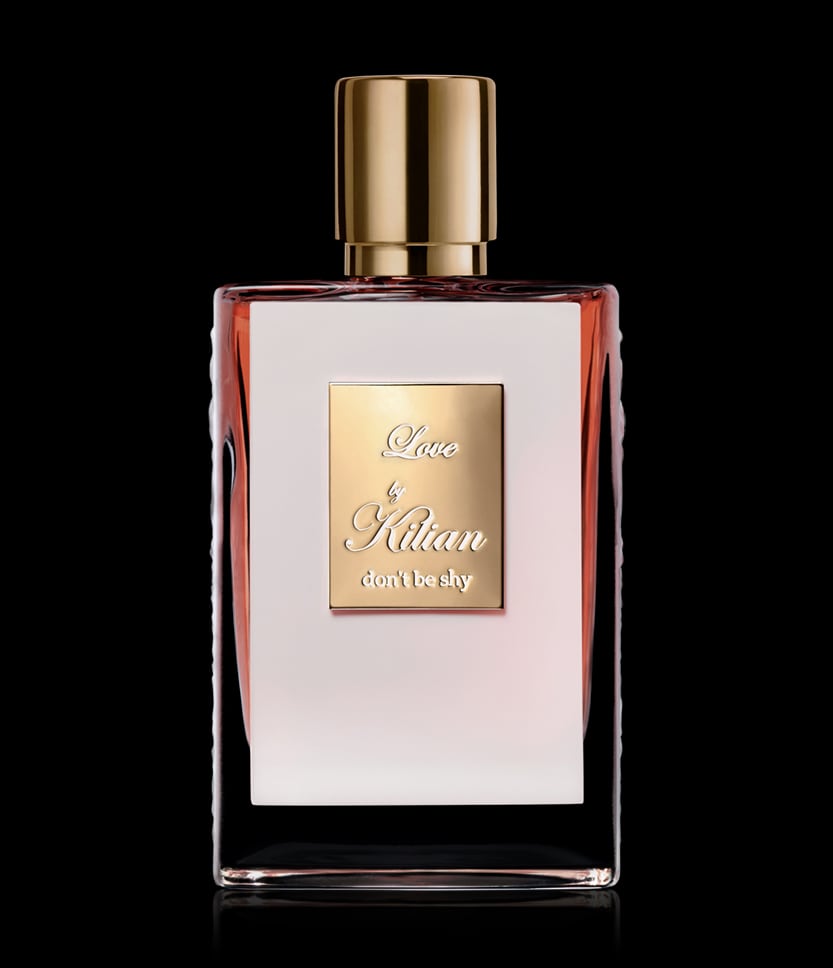
I have always believed that luxury should have a lasting quality. When I designed the bottles, I wanted them to be objects people would want to keep, not containers that would be discarded as soon as the fragrance was finished. The refillable format supports that idea in a practical way. It also creates a relationship between the object and the person who owns it. The bottle becomes part of a collection, a room or a daily ritual. Beauty and responsibility should not be treated as separate subjects. A well-made object should give pleasure over time, and its design should respect that longevity.
After years of creating fragrances, what still gives you the strongest sense of discovery?
Raw materials still have that power. There are always combinations I have not explored and ways of making familiar ingredients behave differently. A new fragrance can begin with something very simple, but the process of giving it structure, texture and emotion remains full of uncertainty. I also continue to be surprised by the way people interpret a scent. I may create it from one memory, while someone else experiences a completely different place or feeling. That is one of perfume’s great freedoms. You can guide the story, but once the fragrance reaches skin, it becomes part of another person’s life.