

Profile
David and Sybil Yurman: A Life in Art, Made Wearable
Hannah R. Harris / Nov 20, 2025

From a spare bedroom in Austin to an influential jewelry and lifestyle brand, Kendra Scott reflects on design, resilience, family, and the responsibility that comes with growth.
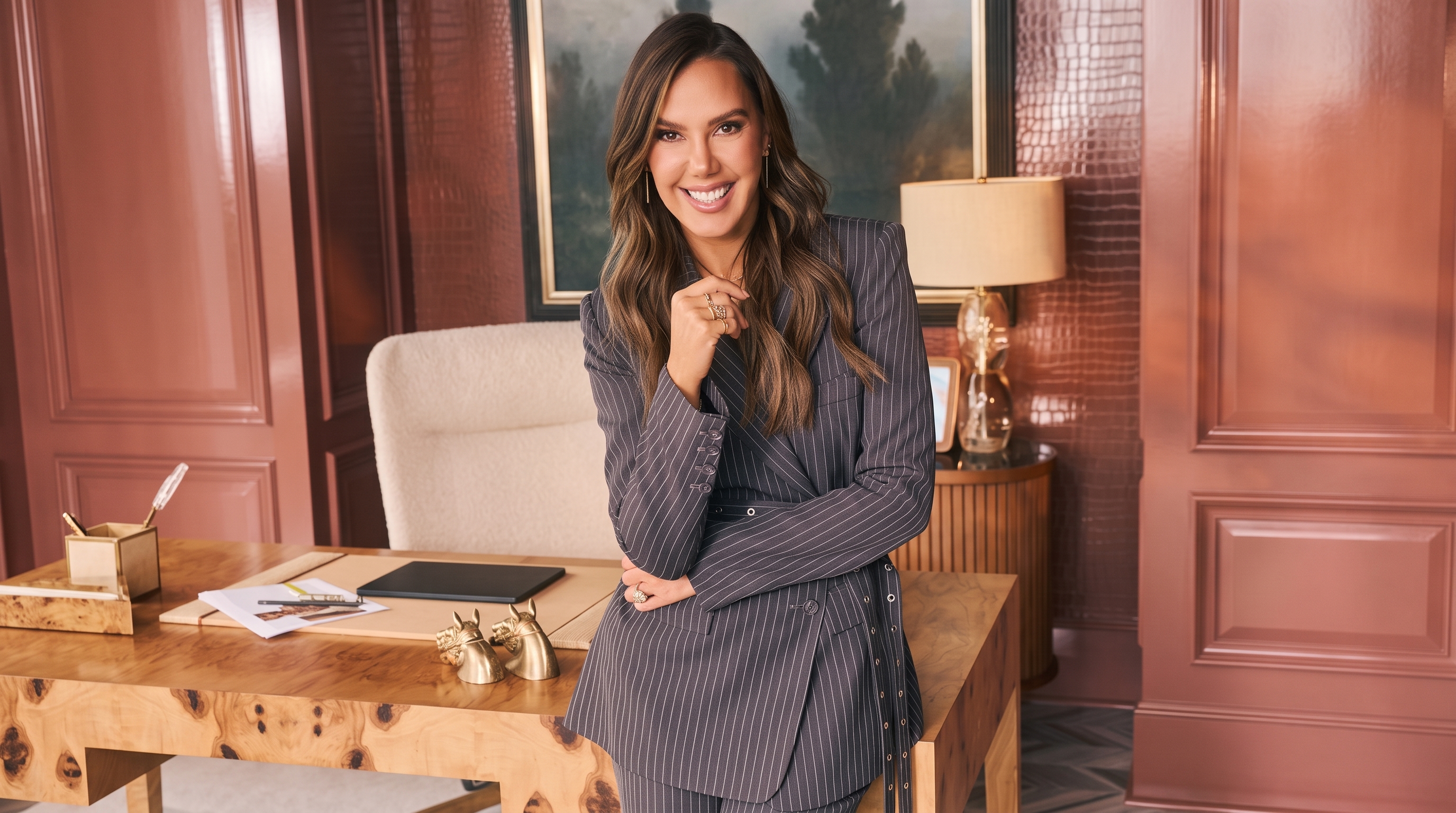
Kendra Scott started her company in 2002 with a small amount of money and a newborn at home, building a business around color, natural materials, and direct conversations with customers. More than two decades later, the brand still runs on the values she named early: family, fashion, and philanthropy.
You began Kendra Scott in 2002 while you were a new mother and working with limited resources. What did the earliest version of the business teach you about building something from the ground up?
The earliest version of the business taught me to be resourceful and to stay close to the customer. I began with a small amount of money, a lot of determination, and a belief that there was space for jewelry that felt beautiful, colorful, personal, and attainable. I was designing and selling pieces directly, which meant I was hearing immediately what women liked, what they wanted to wear, and what they were looking for. Those conversations shaped the business as much as the designs did. In the beginning, every decision mattered. That experience gave me a lasting respect for the work behind growth and for the importance of listening carefully.
Before jewelry, you started a hat business inspired by your stepfather's illness. How did that experience shape the connection between business and purpose for you?
My stepfather was battling brain cancer, and I saw how uncomfortable his head became after chemotherapy when he wore ordinary baseball hats. I wanted to create something more comfortable, while also directing part of the proceeds toward cancer research. The business ultimately closed after five years, but the experience stayed with me. It showed me that a product can begin with a personal observation and still connect to a larger cause. It also made clear that purpose is not something that has to be added after a company succeeds. It can be part of the original idea, influencing what you make, how you work, and the kind of community you hope to build.
You have described your brand through the values of family, fashion, and philanthropy. How do those values translate into daily decisions?
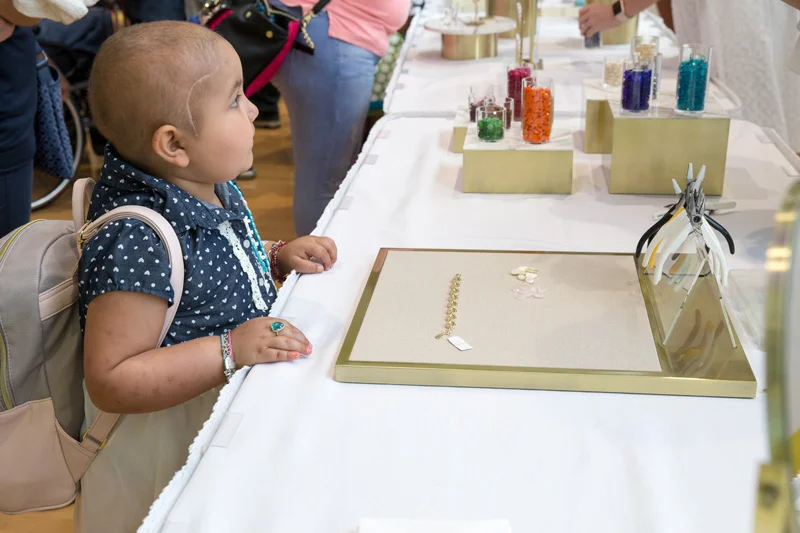
Values have to be visible in the way a company operates, not just in the words used to describe it. Family means creating a welcoming experience for customers and a supportive workplace for employees. Fashion means taking design seriously, from the initial sketch through the materials, techniques, and final details. Philanthropy means showing up for the causes and communities we support through fundraising, volunteering, and in-kind giving. These priorities influence how we think about our products, our customer experience, our team, and our partnerships. They also give us a shared language. When the business is moving quickly, values help us decide what belongs and what does not.
Color and natural materials have become central to the visual language of Kendra Scott. What keeps that design approach meaningful over time?
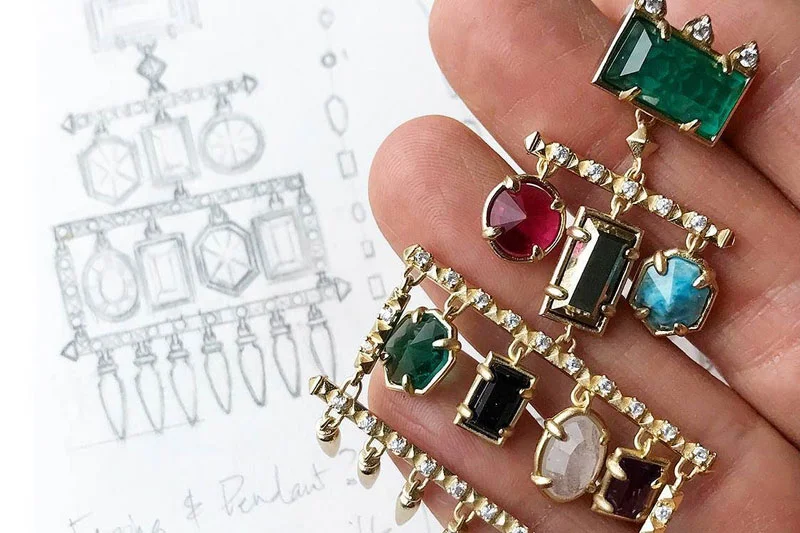
I have always been drawn to the character and variation found in natural materials. No two stones are exactly alike, and that individuality gives a piece its own presence. Color also creates an immediate emotional response. It can make jewelry feel joyful, expressive, or connected to a particular moment. Our design process brings together that natural variation with traditional jewelry-making techniques and new technology. We begin with ideas, sketches, and custom shapes, then work through the details to make each piece distinctive and wearable. The goal is not simply to follow a trend. It is to create designs that feel recognizable, versatile, and relevant beyond a single season.
Your Austin design studio combines casting, 3D printing, and a large product and material library. How does technology support the more intuitive side of design?
Technology gives the design team more ways to explore an idea. Casting and 3D printing allow us to test form, proportion, and construction with greater speed and precision. That leaves more room for experimentation because we can move between an initial sketch and a physical model while an idea is still developing. At the same time, the process remains deeply collaborative and tactile. We work with materials, examine color, refine silhouettes, and consider how a piece will feel when someone wears it. The technology does not replace instinct or craftsmanship. It supports them by helping us see possibilities sooner and make more informed decisions.
You have said that opening the South Congress flagship changed the business because it created direct communication with customers. What did being in that environment reveal?
The flagship gave us a direct relationship with the people who were wearing the jewelry. I could spend time in the store, speak with customers, hear what they loved, and understand what we could improve. That kind of exchange is different from receiving information at a distance. It makes the customer experience part of the design process. South Congress also connected the brand more visibly to Austin, a city that has become an important part of our identity. The store was not only a place to sell jewelry. It became a setting where we could welcome people, learn from them, and build a more personal relationship with the community.
How do you preserve a sense of individuality as a recognizable brand grows?
Individuality begins with giving people room to express themselves. Jewelry can mark an occasion, reflect a mood, carry a memory, or simply make an everyday outfit feel more personal. Our role is to offer pieces with a clear point of view while allowing the person wearing them to make them their own. That is why versatility matters in the design process. We think about whether a piece can be worn in more than one way, layered with other jewelry, or returned to again and again. A recognizable brand should have a distinct design language, but it should not dictate one single way to live in the product.

You have spoken often about asking for help and finding mentors. What has collaboration made possible for you?
Asking for help has been essential throughout my career. Starting a company involves challenges you cannot anticipate, and there is real strength in seeking guidance from people who have experience in areas where you do not. Mentors helped me work through difficult decisions, but collaboration extends beyond formal mentorship. A strong team brings different skills, perspectives, and instincts to the work. I have learned to focus on what I do well and to surround myself with people who complement those strengths. The brand is a collective effort. Designers, retail teams, operators, and many others all contribute to how the company is experienced.
The Kendra Scott Women's Entrepreneurial Leadership Institute at the University of Texas focuses on developing women and creative leaders. What do you hope that institution makes possible?
I hope it gives women and other underrepresented leaders the encouragement, tools, and community to pursue ambitious ideas. Many people have the talent to build something meaningful but may not yet see themselves as leaders or entrepreneurs. Education can help, but so can access to mentors, peers, and examples of people who have taken that path. The institute reflects my belief that leadership is not limited to one personality or career track. Creative thinking, courage, and the willingness to keep learning are all part of it. Supporting the next generation is one way to extend the opportunities that helped shape my own journey.
After more than two decades, what continues to make the work feel fresh for you?
The work remains fresh because it is always connected to people. There is still something exciting about seeing an idea move from a sketch to a finished piece, and then seeing how someone chooses to wear it. Travel, culture, color, architecture, and everyday life continue to offer inspiration. I also enjoy the process of working with a team and watching ideas become more thoughtful through collaboration. The business has grown, but the central questions remain familiar: Is the design beautiful? Is it distinctive? Is it wearable? Does it create a positive experience? Staying curious about those questions keeps the work active and gives each new collection a reason to exist.