Profile
Gucci Westman on the Art of Making Beauty Feel Like Yourself
Kayla M. Walker / Aug 8, 2026

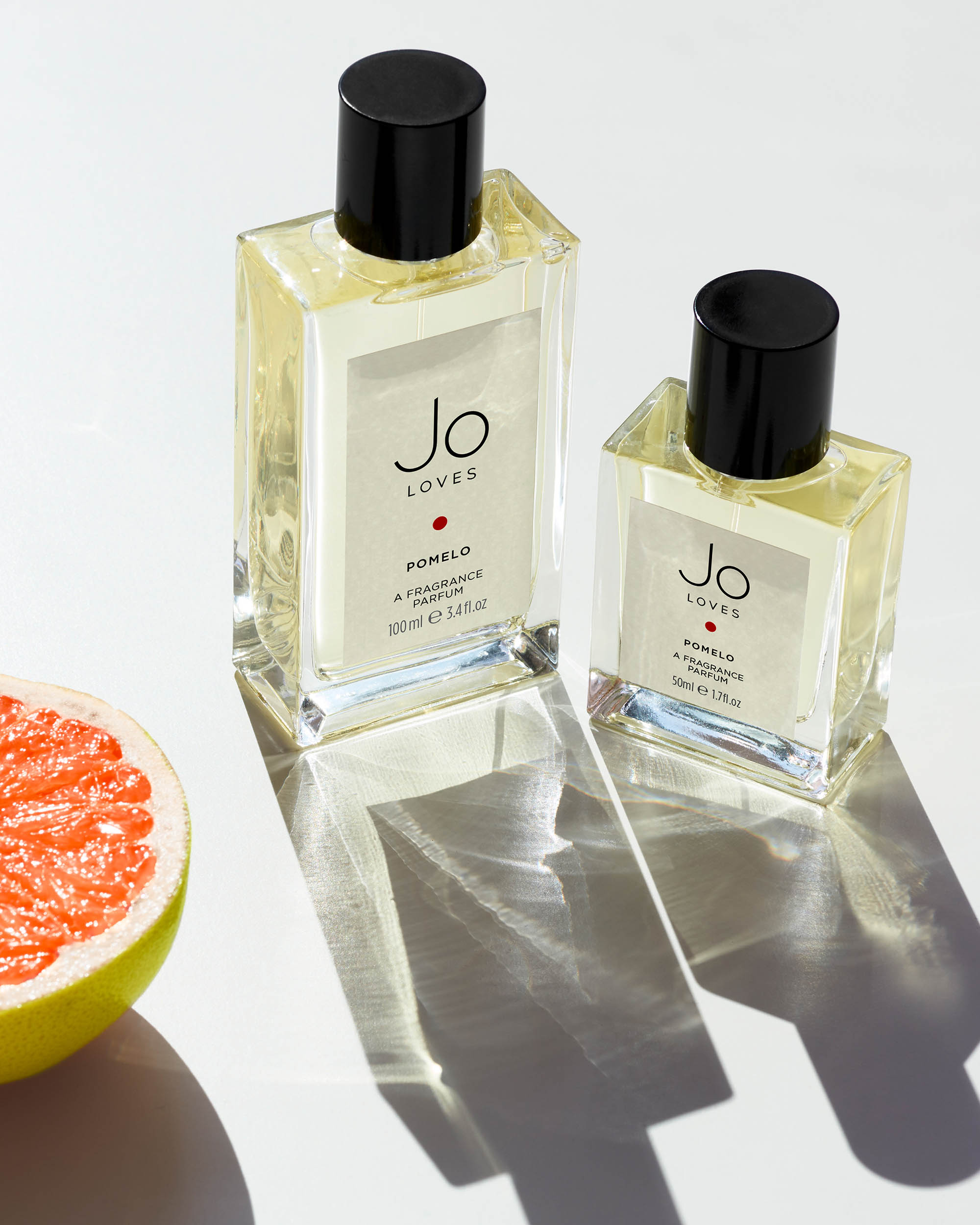
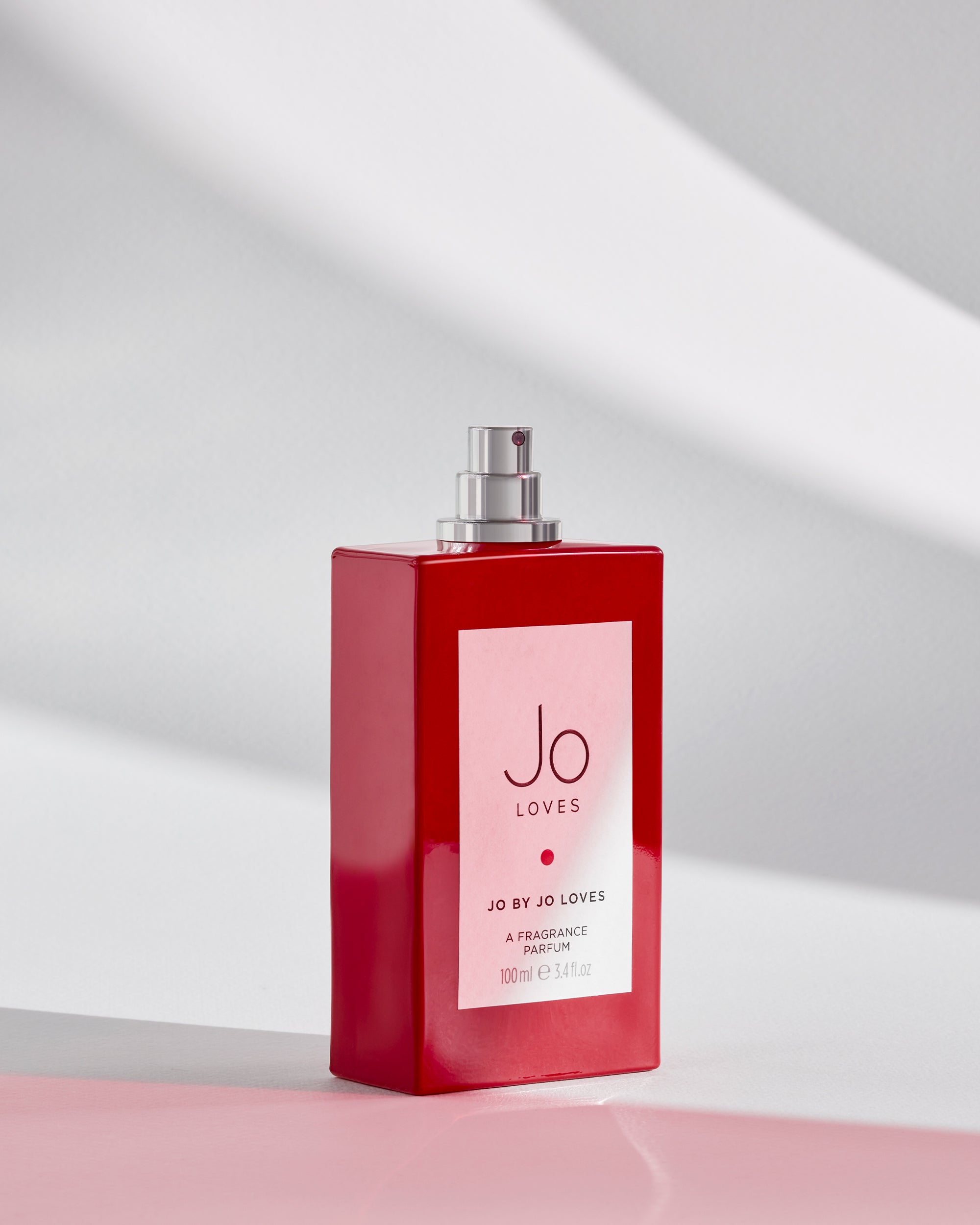
For Jo Malone, founder of Jo Loves, fragrance is a way to turn personal memories, sensory intuition and bold ideas into experiences people can make their own.

Your relationship with fragrance began very early, before Jo Malone became a business. What did those first experiences teach you about scent?
I was introduced to beauty and fragrance as a child, and I learned very early that making something with your hands can be both practical and imaginative. I was fascinated by ingredients, textures and the way a scent could change how you felt. That curiosity stayed with me. I did not begin with a formal background in perfumery, so I learned by observing, experimenting and asking questions. I have never been frightened to say that I do not know something. I would rather learn quickly, understand the process and then see where my own instincts can take me. That sense of curiosity remains central to how I work today.
You started your first fragrance business from a very personal, hands-on place. How did that shape your approach to building a brand?
In the beginning, I was involved in everything. I was the receptionist, the facialist, the person making the products, the bookkeeper and the one speaking to customers. The business grew through personal recommendations, so every interaction mattered. That experience taught me that a brand is not only a product. It is also the way people feel when they encounter it, the story they tell afterwards and the trust that develops over time. I still believe a founder has to understand the details. You can build a larger team, but you should never lose sight of the small things that make the experience feel human.
Jo Loves arrived after you had left your first company. What did starting again demand from you creatively and personally?
Starting again was difficult because I had to find my confidence as well as my creative direction. There was a period when I could not create fragrance in the way I had before, and I had to ask myself whether I still had something new to offer. Jo Loves came from that uncertainty. I knew I did not want to repeat the first business, so I began to think about fragrance, the product and the customer experience in a different way. The brand became a new chapter rather than a continuation. It gave me the freedom to explore ideas that might have seemed too unconventional earlier in my career.
Jo Loves is built around memories and moments. How do you know when an experience can become a fragrance?
I am always noticing the details around me. It might be the smell of freshly washed linen, a family holiday, somebody’s cologne or the atmosphere of a particular place. A memory does not need to be grand to be important. Often it is a small sensory detail that stays with you. My sense of smell is also connected to what I see, which means colour, landscape and atmosphere can all influence the way I imagine a fragrance. I do not begin with a list of ingredients and work mechanically from there. I begin with a feeling or an image, and then I try to find the materials that can express it.
You have introduced formats such as the Fragrance Paintbrush and Fragrance Tapas. Why is it important to rethink how people use fragrance?
Fragrance has always been intimate, but it can also be playful. I wanted Jo Loves to give people more ways to experience scent, rather than asking them to use it in only one familiar format. The Fragrance Paintbrush came from thinking about fragrance as something you could paint onto the skin. Fragrance Tapas was inspired by the way small plates allow you to explore different flavours, combine them and decide what you enjoy. These ideas invite the customer into the process. They make fragrance less formal and more interactive, while still respecting the craft and the quality of the scent itself.
Your work often connects scent with storytelling. What role does storytelling play in helping people understand fragrance?
Story gives people a point of entry. Fragrance can be difficult to describe because it is invisible and deeply personal, so a story helps create an atmosphere around it. It might suggest a landscape, a journey, a person or a particular moment. That does not mean everyone has to experience the fragrance in the same way. The story is an invitation, not an instruction. I want people to bring their own memories and interpretations to the scent. When customers understand where an idea came from, they can become part of the creative process. That exchange is especially important now, because people want to know more about what they are buying and why it exists.
Jo Loves has experimented with products and experiences beyond a traditional perfume bottle. How do you decide whether an idea belongs in the brand?
The idea has to feel genuine to the way I think about fragrance. It should offer something useful, unexpected or emotionally engaging, rather than being different simply for the sake of it. I ask whether it changes the way someone can experience scent, and whether it has a clear reason for existing. The Layered Candle came from my love of blending fragrances. The Fragrance Paintbrush was connected to my father, who was an artist, and to the idea of creating with scent. Those personal connections are important because they give an innovation a foundation. If the story is real, the product usually has more energy and longevity.
What have you learned about resilience from building more than one global fragrance business?
Resilience is not about pretending that difficult periods do not affect you. It is about continuing to look for a way forward when your confidence has been shaken. The early years of Jo Loves were not easy, and I had to work out how to communicate the brand and where it belonged. I also had to accept that a second business could not rely only on what had worked the first time. You have to keep learning, listen carefully and remain willing to change direction. I have found that uncertainty can be uncomfortable, but it can also create room for ideas that would not have appeared if everything had felt predictable.
You have spoken about growing more confident with age. How has that confidence changed the way you create?
I am less interested in proving that I can do something and more interested in exploring what might be possible. Earlier in my career, I was already ambitious, but I did not always have the confidence to follow every instinct. With Jo Loves, I have allowed myself to be more experimental. I am comfortable with the unknown, and I enjoy the possibility that an idea may lead somewhere I did not expect. Age has also made me more aware of the value of the present moment. You do not have to wait for a perfect time to begin. Sometimes you have to go and find the adventure yourself.

What do you hope people feel when they encounter Jo Loves?
I hope they feel curious, welcomed and free to make the experience their own. Fragrance should not feel intimidating or overly prescriptive. It can be beautiful, but it can also be generous and enjoyable. I want people to discover a scent that connects with a memory, creates a new one or simply changes the feeling of an ordinary day. Jo Loves is rooted in creativity, but it is also about connection. Every product begins with a personal idea, and then it becomes part of somebody else’s life. That is the most rewarding part of creating fragrance: seeing an experience continue in ways you could never have planned.