Profile
David and Sybil Yurman: A Life in Art, Made Wearable
Hannah R. Harris / Nov 20, 2025

As Pandora and Signet post store-fleet numbers that reward quality over count, independent jewelers are turning pre-booked appointments and detailed client profiles into the real driver of repeat sales.
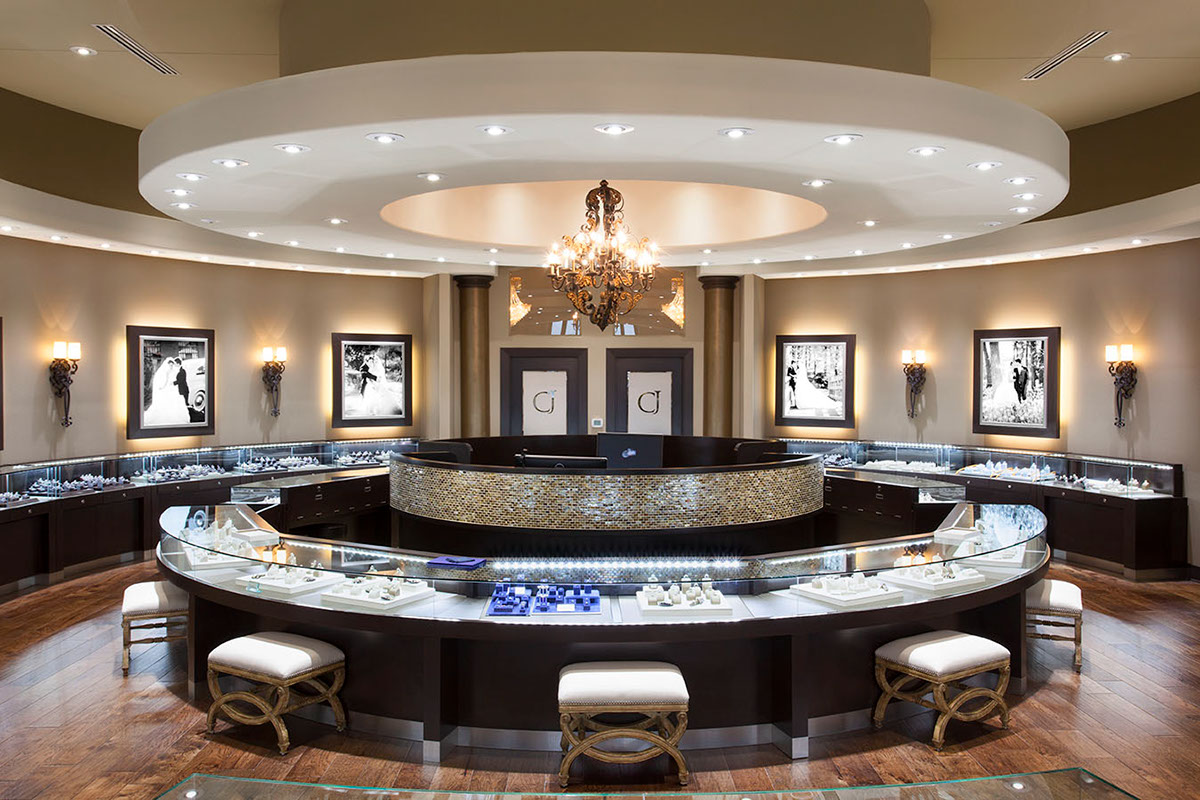
A client arrives for a booked heirloom reset consultation and never has to explain her jewelry box to the person across the counter. Her ring size, her metal preference, and the anniversary date she is working toward are already on the appointment sheet. That level of preparation, once reserved for the highest-spending clients at a handful of ateliers, is becoming the baseline independent jewelers use to justify keeping a physical address at all in 2026.
The macro backdrop is not hostile to them. U.S. retail and food-services sales reached $768.6 billion in June 2026, up 6.7 percent year over year, according to the Census Bureau, and the National Retail Federation is forecasting 4.4 percent core-retail growth for the full year. A healthy consumer, though, is not the same thing as easy jewelry demand. That gap is what is pushing stores away from functioning as showcases for inventory and toward functioning as the place where a decision actually gets made.
Pandora ended 2025 with 6,998 points of sale, up 213 year over year, including 2,811 concept stores, an omnichannel brand still expanding physical reach even while it invests in digital. Signet Jewelers posted $6.814 billion in fiscal 2026 sales across 2,582 stores after opening 14 and closing 74, and spent $153.5 million on new stores, remodels, and technology. Signet's own fourth quarter typically produces 35 to 40 percent of annual sales, a reminder that a jeweler cannot improvise capacity once gifting season starts. Door count is not the variable that matters most here; fleet quality is. What a store does that a product page cannot is convert uncertainty into conviction: how a setting catches light, whether a necklace sits at the right length, whether a proposal budget feels safe to say out loud to another person.
Independent jewelers are formalizing what used to live in an associate's memory, or on an associate's personal phone. A workable client profile now tends to run across five categories: identity, preferred contact channel, and consent; the pieces a customer has purchased or tried on, with ring sizes, lengths, and metal preferences attached; occasion timing, such as a proposal window, anniversary, birthday, graduation, or repair due date; style notes recorded in the customer's own words rather than assumptions about who they are; and the date of the last meaningful interaction paired with one specific next action. A 2026 JCK panel of practicing jewelers described the same habit in plainer terms: keeping records of birthdays, anniversaries, repair history, and even a client's children's names, then using that record to spot patterns and anticipate the next purchase before the client asks for it.
Appointments themselves are increasingly sold as named products rather than open calendar slots: an engagement-ring discovery session, a heirloom reset consultation, a daily-stack fitting, a gift shortlist review. Each comes with pre-visit questions, samples pulled in advance, a host assigned by name, and a follow-up recap sent within 24 hours listing the exact pieces shown, lead times, and one clear next step. The commercial logic extends into how these jewelers measure success. Last-click attribution systematically undercounts the store, since a client who sits for an appointment in May and completes the purchase online in June looks, to most dashboards, like a pure digital sale. Jewelers correcting for this are attributing a digital order back to the store whenever it follows a logged appointment or associate interaction within 30 days, and reporting that figure separately from direct in-store sales so the two are not confused.
I expect the format debate, appointment studio versus flagship versus shop-in-shop, to matter less over the next year than which format a given jeweler can staff and actually follow up on. Signet's own filings note that shoppers now expect the online promise, in-store inventory, pricing, and repair policy to match without friction, and a client who has to repeat their story at the counter after already giving it to a website has learned something true about how little the brand remembers. The independents with a real file behind every name are the ones best positioned on that comparison, because they built the discipline before the software made it easy.