Profile
David and Sybil Yurman: A Life in Art, Made Wearable
Hannah R. Harris / Nov 20, 2025

New World Gold Council data show consumption falling as spending hits a record, and the gap is forcing a rewrite of how gold jewelry gets priced, designed and sourced in 2026.
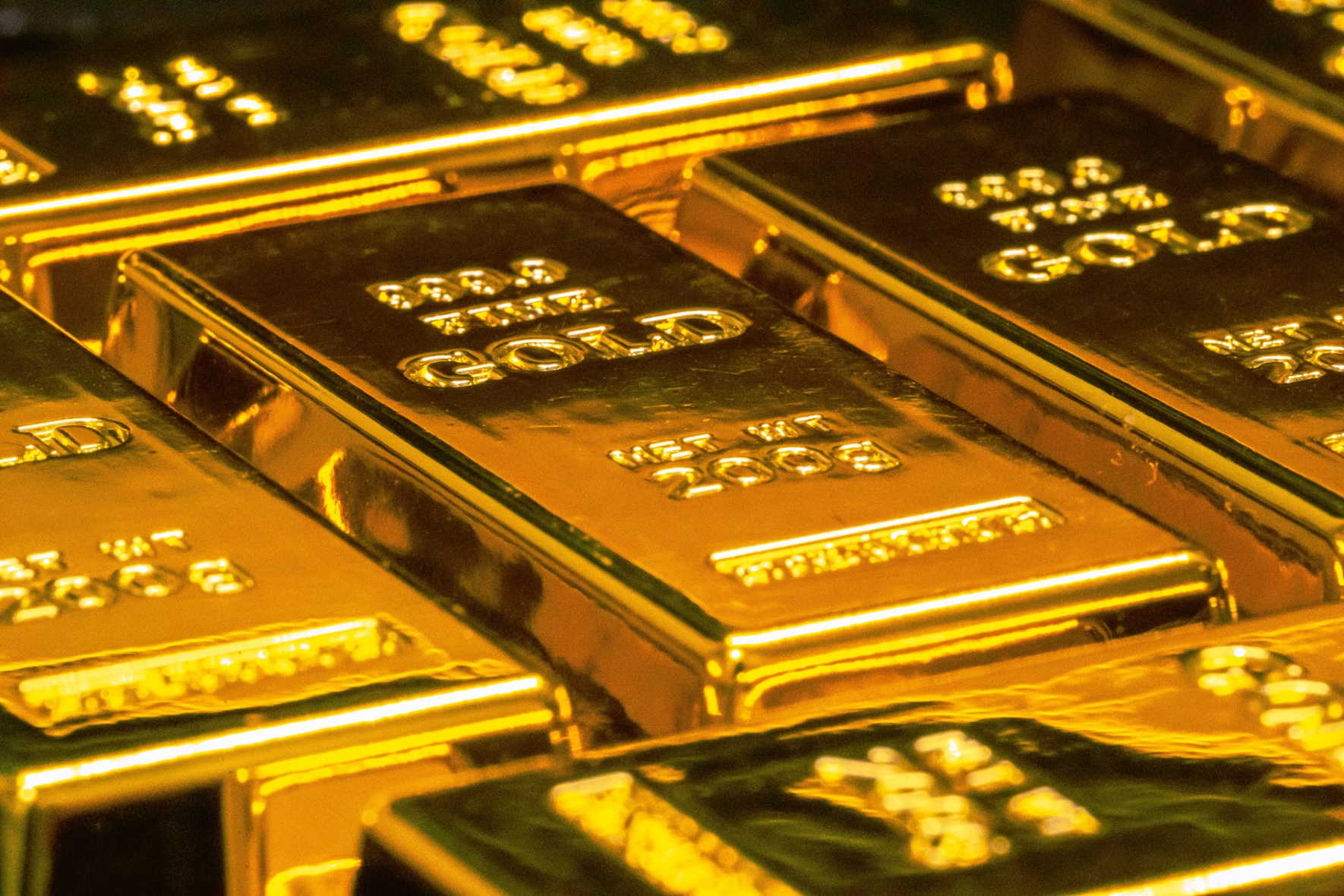
The LBMA gold price averaged $4,873 an ounce across the first quarter of 2026, up 70 percent from the same quarter a year earlier, and briefly touched $5,405 in January. Jewelry buyers responded by buying less of it. Global gold jewelry consumption fell 23 percent year over year, to just under 300 tonnes, according to the World Gold Council's Gold Demand Trends report for the quarter. Consumer spending on that thinner haul rose 31 percent in the same period, to a record $47 billion. Grams are down. Dollars are up. Demand for jewelry has not disappeared, it has split.
The pattern was already visible in 2025. World gold demand reached a record 5,002 tonnes that year, driven by investment demand of 2,175 tonnes and central bank purchases of 863 tonnes, according to the council's full-year figures. Jewelry volume fell 18 percent, but its dollar value rose 18 percent, to $172 billion: the category earned more from selling less. The first quarter of 2026 pushed the same arithmetic further. Bar and coin demand rose 42 percent year over year to 474 tonnes, central banks bought another 244 tonnes, and jewelry fabrication dropped to 335 tonnes from 434.6 tonnes a year earlier, even as recycled supply rose 5 percent globally. Investment and official demand are keeping the metal expensive. Jewelry demand is the variable absorbing the cost of that.
The adjustment looks different by market, and the differences are instructive. In China, jewelry demand fell 32 percent while spending rose 16 percent, with lighter pieces and the thin-walled, high-purity "Hard Pure Gold" format taking share from conventional karat gold. In India, demand fell 19 percent despite an 81 percent jump in the local gold price over the year; large chains reported lower-karat pieces gaining shelf space, while higher-income buyers kept ordering heavier pieces at full weight. In the United States, tariffs stacked on top of the metal price pushed buyers toward lighter pieces and fewer purchases across the year. Three markets, three different tax and currency regimes, and the same shape of response: a customer base sorting itself into buyers of meaning and buyers of grams, with the middle ground between them thinning out. A brand selling "the same ring, now pricier" sits exactly in that gap.
At $4,873 an ounce, gold prices out to roughly $156.70 per pure gram. A 10 gram, 14 karat piece carries about 5.83 grams of fine gold, close to $914 of metal before refining loss, labor, stones or duty are added. A 10 percent swing in the spot price moves that single line by about $91, before anything else in the cost stack changes. Houses still pricing gold off an annual assumption are working blind in a market where the input can reprice by that much inside a quarter, and the World Gold Council expects central bank buying and investment demand to keep supporting the price through the rest of 2026, with jewelry volume staying under pressure even where spending holds.
The same pressure is reshaping the supply side. Recycled gold rose 5 percent globally in the quarter, and old-for-new exchange became a meaningful share of jewelry activity in India, where trade-in lets a customer fund a new piece largely with the fine gold already sitting in a drawer at home. The Responsible Jewellery Council's Chain of Custody standard now governs which recycled claims a house can actually make in its marketing, tying the word to documented pre- or post-consumer sourcing rather than leaving it as a loose preference. Expect that standard to matter more as more of the industry's gold enters the market for a second or third time, and expect regulators, the FTC's jewelry guides among them, to keep pressing houses on plain, accurate language about karat, weight and content as designs get lighter.
Where this points next is toward legibility, not simply lightness. The brands losing share are not the ones charging more for gold, they are the ones charging more for gold without saying so, still describing a thinned-down chain as though it were last year's piece unchanged. The ones gaining share are naming the weight and the karat on the product page and letting the customer choose, consciously, which business they are buying into: a small amount of gold with real design behind it, or a larger amount of gold with a longer wait and a higher price to match. That choice, made honestly, is what a barbell market rewards.