Profile
David and Sybil Yurman: A Life in Art, Made Wearable
Hannah R. Harris / Nov 20, 2025

For Jennifer Meyer, fine jewelry is a way to carry luck, love, memory, and personal history into everyday life.
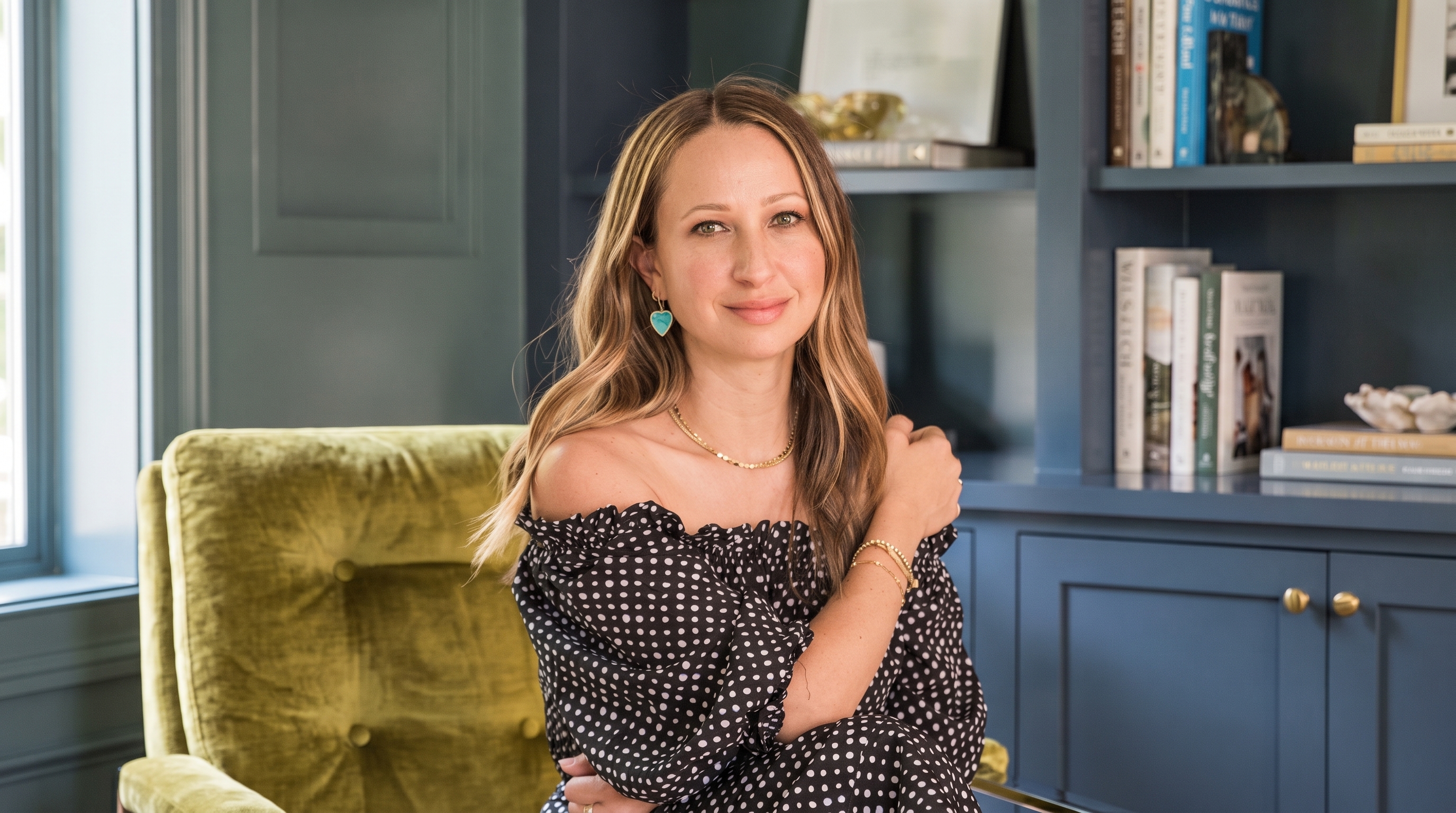
Jennifer Meyer learned to work enamel at her grandmother's kitchen table before communications jobs at Ralph Lauren and Giorgio Armani gave her a view into how creative businesses are built. She launched her own line in 2005 and still makes the jewelry in a Los Angeles studio with master jewelers.
You first learned to make enamel jewelry with your grandmother, Edith Meyer. What stayed with you from that experience?
My grandmother was an artist, and when I was six, she taught me how to work with enamel. We would sit together in her kitchen, using a small kiln to make jewelry. Those early experiences gave me a lasting connection to the process of making things by hand, but they also showed me how closely jewelry can be tied to family and memory. Jewelry was already meaningful in my life because of the pieces my family gave me to mark important occasions. I think that history shaped the way I see it today, as something that can hold emotion and become part of a person's story.
Before launching your own brand, you worked in communications at Ralph Lauren and Giorgio Armani. What did those experiences teach you?
Working in communications gave me a close view of how strong creative businesses are built and presented. Ralph Lauren and Giorgio Armani each had a very clear point of view, and I learned how much consistency matters when you are creating a world around a product. I also learned the importance of hard work, relationships, and paying attention to every detail. When I started my own jewelry line, I was able to draw on that experience, but I had to learn the manufacturing and business side of jewelry as I went. The creative idea was personal, but building the company required patience and discipline.
What made 2005 the right moment to start Jennifer Meyer?
I had been carrying ideas for jewelry in my head for a long time, and I reached a point where I needed to see them made. I wanted to create the kinds of pieces I personally wanted to wear, with simple shapes and the best materials. At the beginning, I did not have a full business plan or a detailed understanding of everything involved in producing fine jewelry. I learned by meeting with jewelers, asking questions, and working through each step. Starting the brand was a way to bring my own creative vision into the world and reconnect with something that had been part of my life since childhood.
The leaf became one of your defining designs. What did that symbol mean to you?
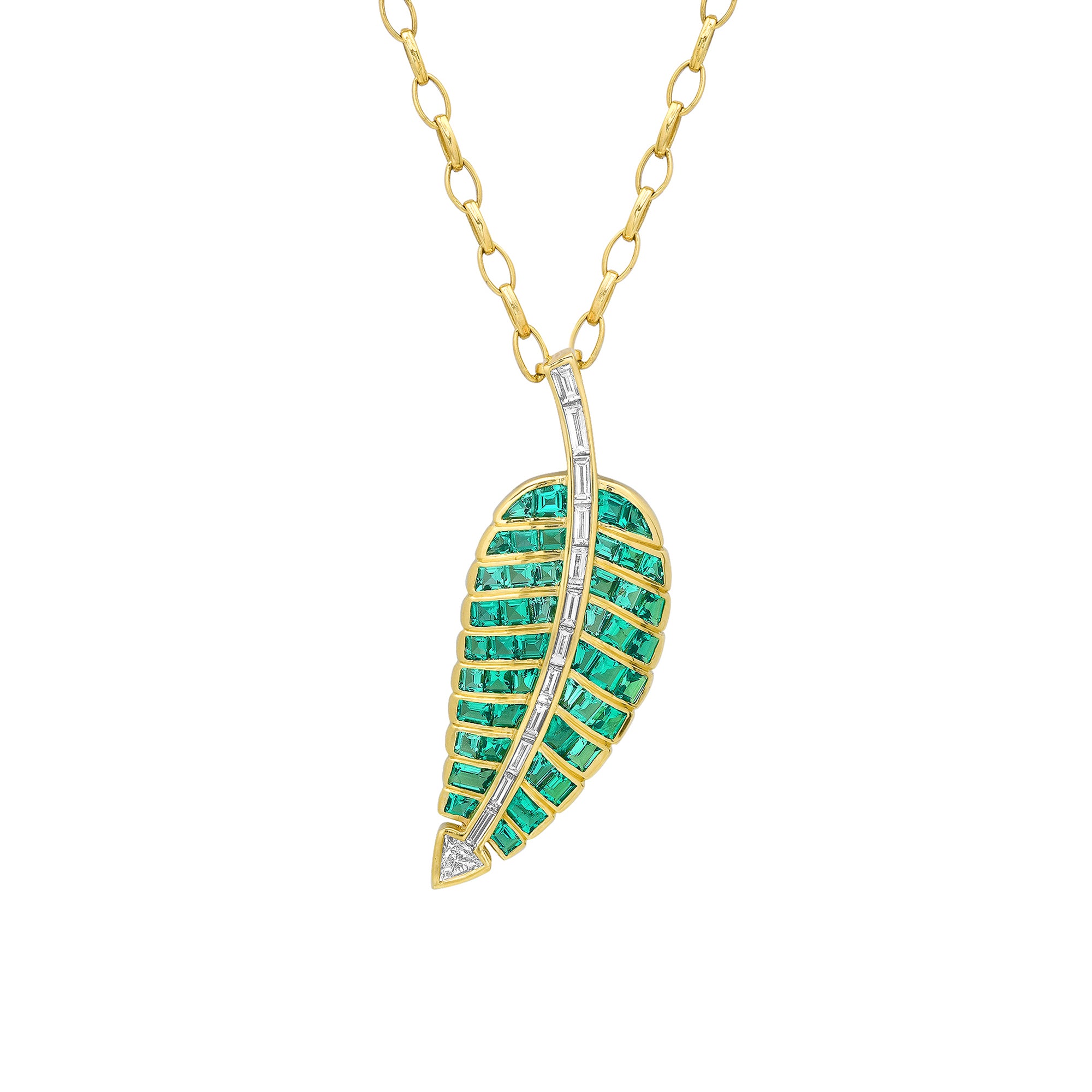
The leaf began as a design I wanted to wear myself. It felt organic, familiar, and connected to California, but it also had a simple shape that could work every day. I was interested in creating jewelry that felt personal without being overly formal. The leaf eventually reached a much wider audience, but the design came from a very direct place. I was thinking about what I wanted on my own neck, rather than designing for a particular event or a red carpet. That remains important to me. The pieces need to feel natural and wearable, and they should have a meaning that can grow with the person wearing them.
Your jewelry is often described as personal and symbolic. How do you think about the relationship between a piece and the person who wears it?
I believe jewelry can become an extension of the person wearing it. A piece might represent love, luck, protection, a celebration, or a particular moment in someone's life. That meaning is not always fixed by the designer. The wearer brings their own memories and associations to it, and that is what makes the relationship so special. I like the idea that a necklace or ring can be worn with jeans, to work, or on a significant occasion. The most successful pieces are the ones people return to constantly because they feel connected to them.
You have spoken about layering and building a jewelry wardrobe over time. What makes a piece worth living in?
It has to feel right in everyday life. I want someone to be able to imagine wearing a piece while taking their children to school, going to work, meeting friends, or dressing up at night. The jewelry should be easy to combine with what they already own, which is why layering and stacking are such important parts of the collection. I also think it should continue to feel relevant over time. When a piece carries personal significance and is made well, it can become part of someone's daily rhythm. Eventually, it may also become something they pass on to another person.
The brand continues to make its jewelry in Los Angeles. What does that connection to place contribute to the work?
Los Angeles is part of my identity, and it has always influenced the way I see the world. I was born and raised there, and the city has shaped both my personal life and my business. There is an ease to Los Angeles that I wanted the jewelry to reflect. The work is made in our Los Angeles studio with master jewelers, and maintaining that hands-on process is important to me. The city also gives the brand a sense of openness and individuality. Our designs are polished, but they are meant to be worn naturally, in real life, rather than reserved for one particular setting.
How do you protect your creative point of view as the brand grows?
I try to stay close to the reason I started the brand in the first place. I design pieces that I want to wear and that feel true to my own point of view. It can be tempting to respond to every trend or every request, but I think a brand becomes stronger when it understands what belongs to it and what does not. For me, that means focusing on meaningful symbols, strong materials, wearability, and a sense of ease. Growth is important, but it has to happen without losing the qualities that made the work personal at the beginning.
You have collaborated with brands including J.Crew, Barneys New York, Superga, and Moose Knuckles. What do you look for in a collaboration?
A collaboration needs to feel natural and connected to both brands. I am interested in working with people and companies that have their own clear identity and that understand the value of thoughtful design. The best collaborations give you a chance to explore an idea from a new angle while still retaining your own point of view. I also enjoy the relationships that develop through the process. Jewelry is a very personal category, and collaboration works best when there is trust, openness, and a shared respect for the people making the work.
You expanded beyond jewelry into fragrance and beauty. What did that extension allow you to express?
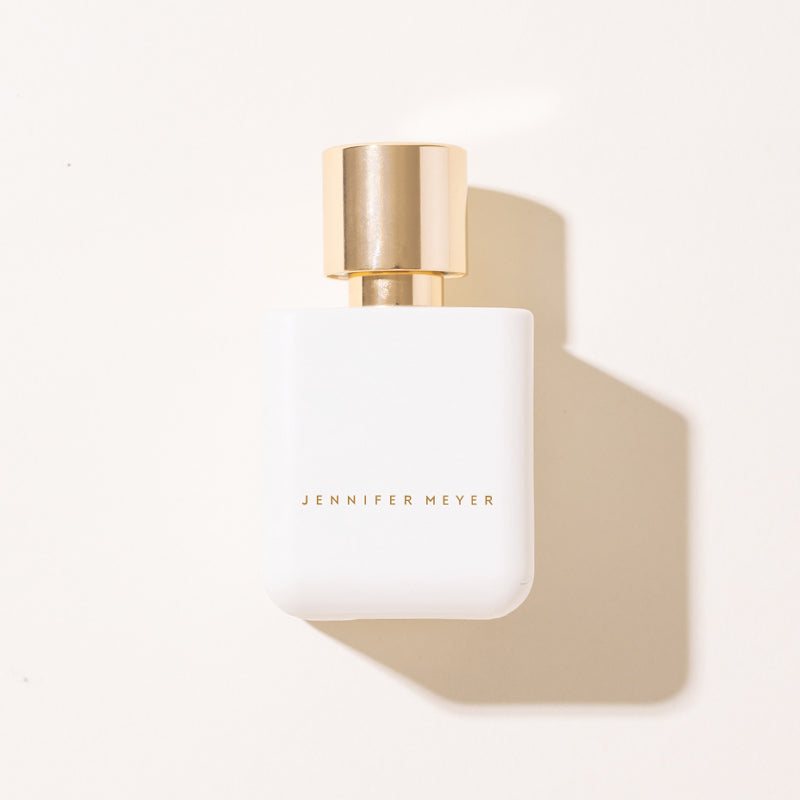
Fragrance and beauty gave me another way to explore the atmosphere and feeling behind the jewelry. The brand has always been connected to a sense of warmth, ease, and personal ritual, and those ideas can exist beyond a necklace or a ring. Fragrance in particular is closely tied to memory, so it felt like a natural extension of the way I think about meaningful objects. The goal was not to move away from jewelry, but to create other products that could become part of someone's everyday life. They are different forms, but they come from the same desire to make things that feel personal and lasting.