Profile
David and Sybil Yurman: A Life in Art, Made Wearable
Hannah R. Harris / Nov 20, 2025

For Jade Ruzzo, fine jewelry is a way to carry personal history forward through bold, wearable pieces designed to live beyond the moment.
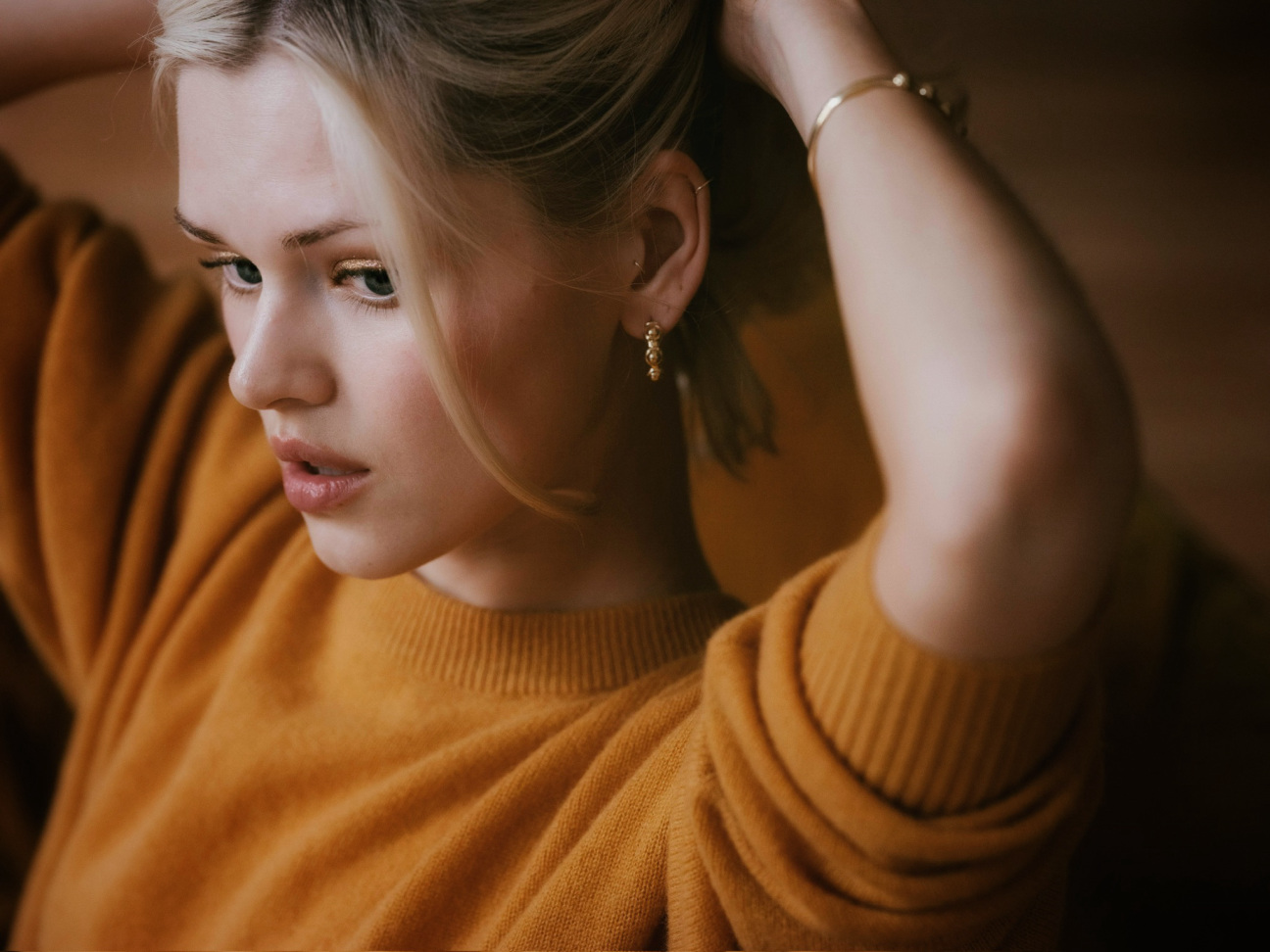
Jade Ruzzo trained in fashion merchandising at the Fashion Institute of Technology and worked across Condé Nast titles before personal loss and a new daughter redirected her toward jewelry. Her collections, named for family members and places, trace a line from memory to wearable heirloom.
You began your career in fashion media and personal styling. What did that experience teach you about the way people relate to clothes and jewelry?
My background gave me a strong understanding of both the creative and business sides of fashion. I studied fashion merchandising and fabric styling at the Fashion Institute of Technology, then worked across Condé Nast titles including Allure, GQ, and Details. I also worked as a personal stylist, which taught me to think about how pieces function in a real wardrobe. I am always asking what I would want to wear, what would work with the clothes already in my closet, and what would fit naturally into my life. That practical point of view still guides the jewelry. The pieces need to feel special, but they also need to be lived in.
Jewelry became a more personal language for you after the loss of your father and the birth of your daughter. How did those experiences shape the brand?
My father was a professional drummer and someone I was very close to. After he died in 2015, I spent a long time looking for ways to honor him and keep him present in my life. When my daughter Gloria was born in 2019, I began thinking about how to connect those two parts of my family. Jewelry offered a way to do that. It could hold memory, but it could also become something tangible that might be passed down. What began as a personal project eventually became a collection of pieces for my styling clients and then the foundation of the company. That emotional beginning remains central to the work.
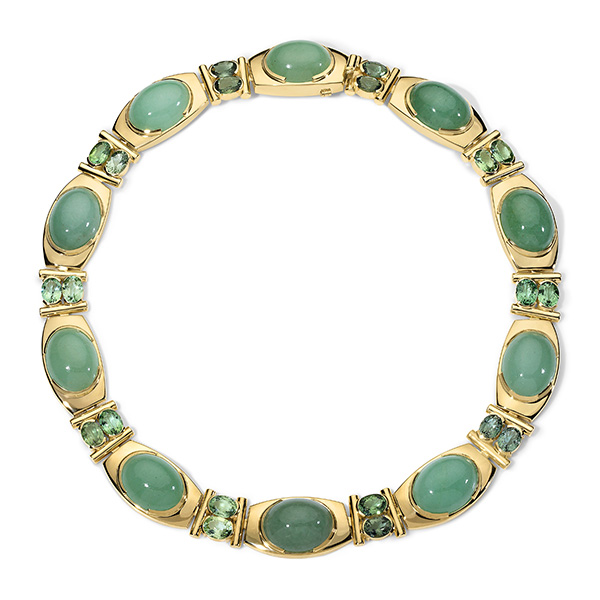
Your collections include names such as Vic, Gloria, Tennessee, and Percussion. How important is naming to the way you build a collection?
Names help give each collection its own point of view. Vic and Gloria are directly connected to my family, while Tennessee comes from a place that is meaningful to me. Percussion is a tribute to my father and his relationship to music. Those references allow the collections to begin with something personal, but the finished pieces are not meant to be private keepsakes that only I understand. The intention is for someone else to find their own connection in them. A collection can start with a specific memory and still become part of another person's story.
You have described the design language as bold minimalism. What does that mean in practice?
To me, bold minimalism means that the forms are clean and considered, but they still have presence. I am drawn to round shapes, strong proportions, and pieces that have a little attitude. The jewelry is not dependent on a seasonal trend. It should be recognizable and distinctive without feeling overworked. That balance is important because I want each piece to be easy to wear, while still giving the wearer something to respond to. The scale, the stone, or an unexpected detail can create that tension. The result should feel understated in its construction, but never anonymous.
Your work often combines 18-karat gold with colored gemstones, natural diamonds, pearls, and antique stones. What draws you to that material vocabulary?
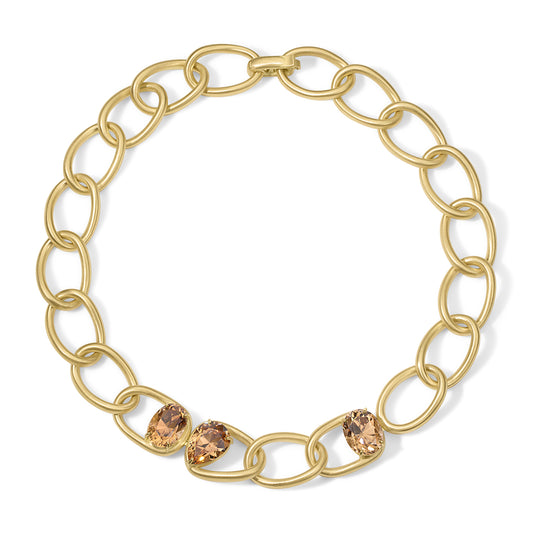
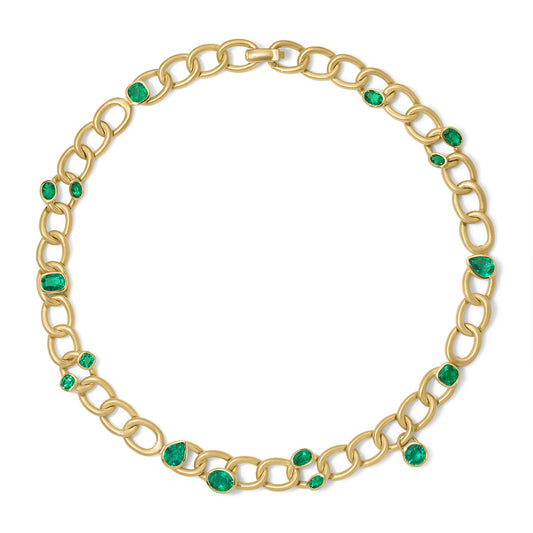
I love the warmth and permanence of 18-karat gold, but I do not want the material palette to feel predictable. Colored gemstones bring individuality to a piece, and their natural variation means that no two stones are exactly alike. Tourmaline, moonstone, sapphire, turquoise, and other stones can change the entire feeling of a design. I am also drawn to antique diamonds because they carry a sense of history and often have a character that feels different from a newly cut stone. The materials need to support the design, but they also need to bring their own energy and irregularity.
The Percussion collection turns instruments and musical forms into jewelry. How did you translate your father's world into something wearable?
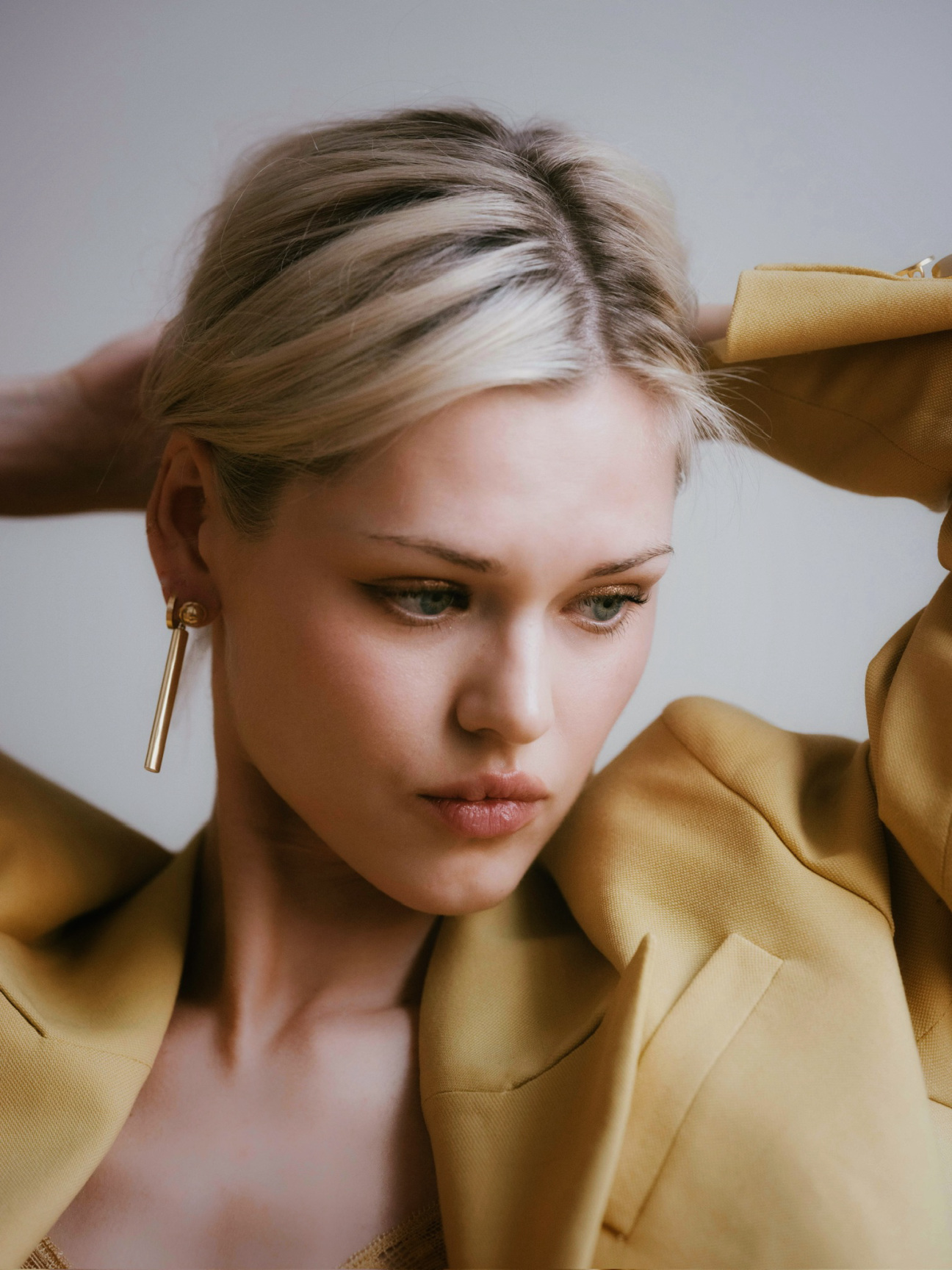
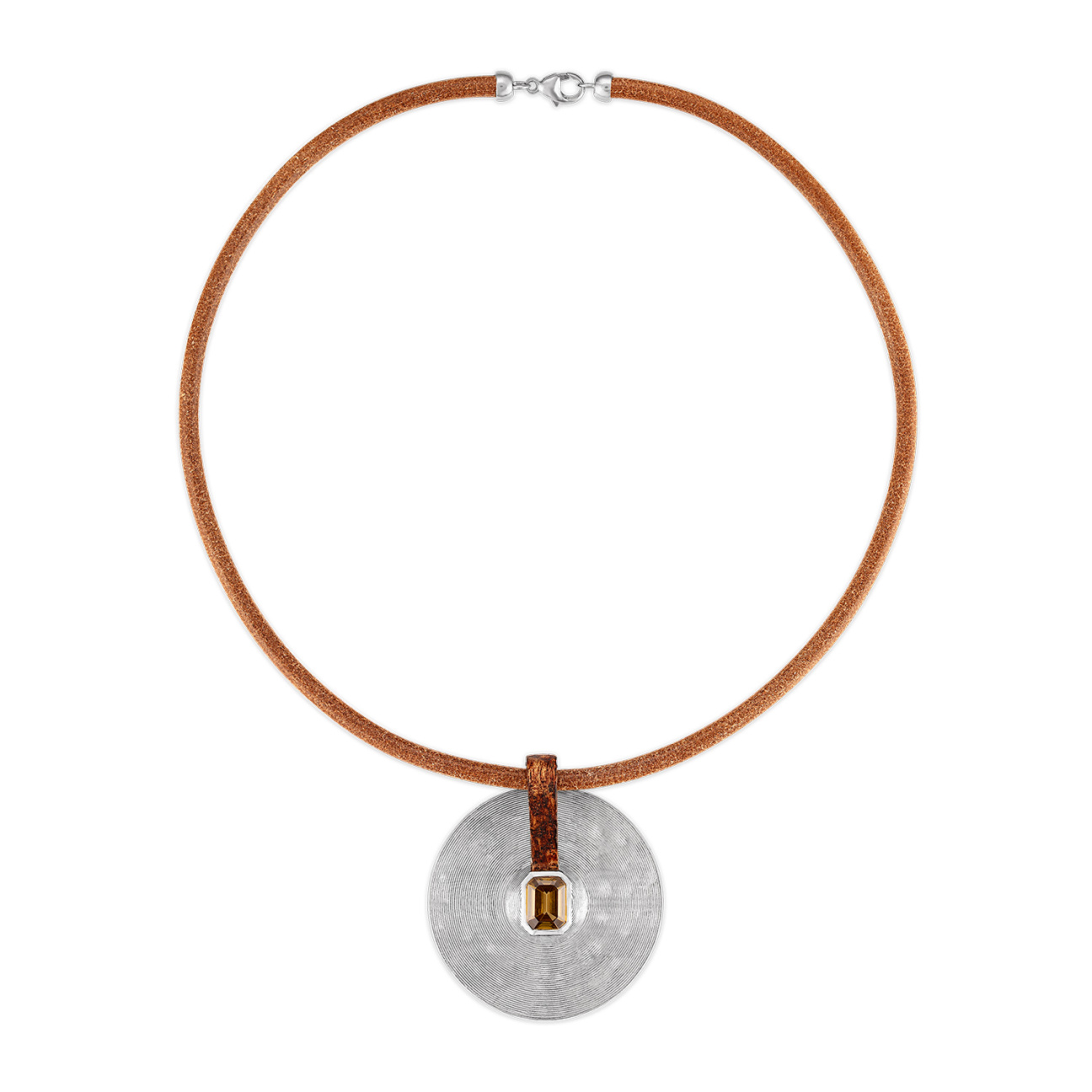
I wanted the collection to reflect my father without becoming a literal portrait of him. Music was part of his identity, so I looked at the objects and shapes associated with percussion. Cowbells became the starting point for oversized oblong earrings, while cymbals were reimagined as pendants. The pieces are connected to him through form and rhythm, but they still belong to the language of the brand. I also chose stones individually, so their natural differences became part of the work. That combination of a clear personal reference and a strong visual identity allowed the collection to feel intimate without being overly sentimental.
How do you approach the idea of an heirloom in a culture that is often driven by speed and trends?
I think an heirloom is created through a combination of meaning, quality, and time. It is not simply about making something traditional. The piece has to feel relevant to the person wearing it now, while also having enough character to remain meaningful later. I do not design around the trend cycle. I am more interested in creating jewelry that can become part of someone's life and gather significance through wear. A ring or pendant can mark a relationship, a transition, or a particular period. Its value grows through those associations, which is why the emotional life of a piece matters as much as its materials.
Your recent Lady collection reimagines objects such as compact mirrors, combs, and hair pins as jewelry. What interested you in those forms?
I was thinking about what it means to be a woman and a lady today, and about the many different selves that can exist within one person. A compact mirror, a comb, or a hair pin already carries a relationship to self-presentation, but I wanted to give those objects another life. Turning them into jewelry makes them more personal and more visible. The collection is about self-knowledge and self-celebration, but it is also about complexity. A woman does not have to be one fixed, polished version of herself. She can be soft, ambitious, playful, demanding, or changing from one day to the next.
How do you know when a design is ready to become part of the collection?
The first test is personal. If I would not put the piece on myself, I do not want to produce it. That does not mean every design has to be simple or familiar, but I need to understand how it could fit into a life. After that, I look at the balance between wearability and distinction. The piece should be comfortable enough to return to, but it should not disappear once it is on the body. Materials, scale, proportion, and the stone all have to work together. I am looking for that feeling of something that is immediately compelling, yet still gives you more to notice over time.