Profile
David and Sybil Yurman: A Life in Art, Made Wearable
Hannah R. Harris / Nov 20, 2025

For Jacquie Aiche, jewelry is a personal language shaped by natural materials, cultural memory, and the belief that what we wear can change how we feel.
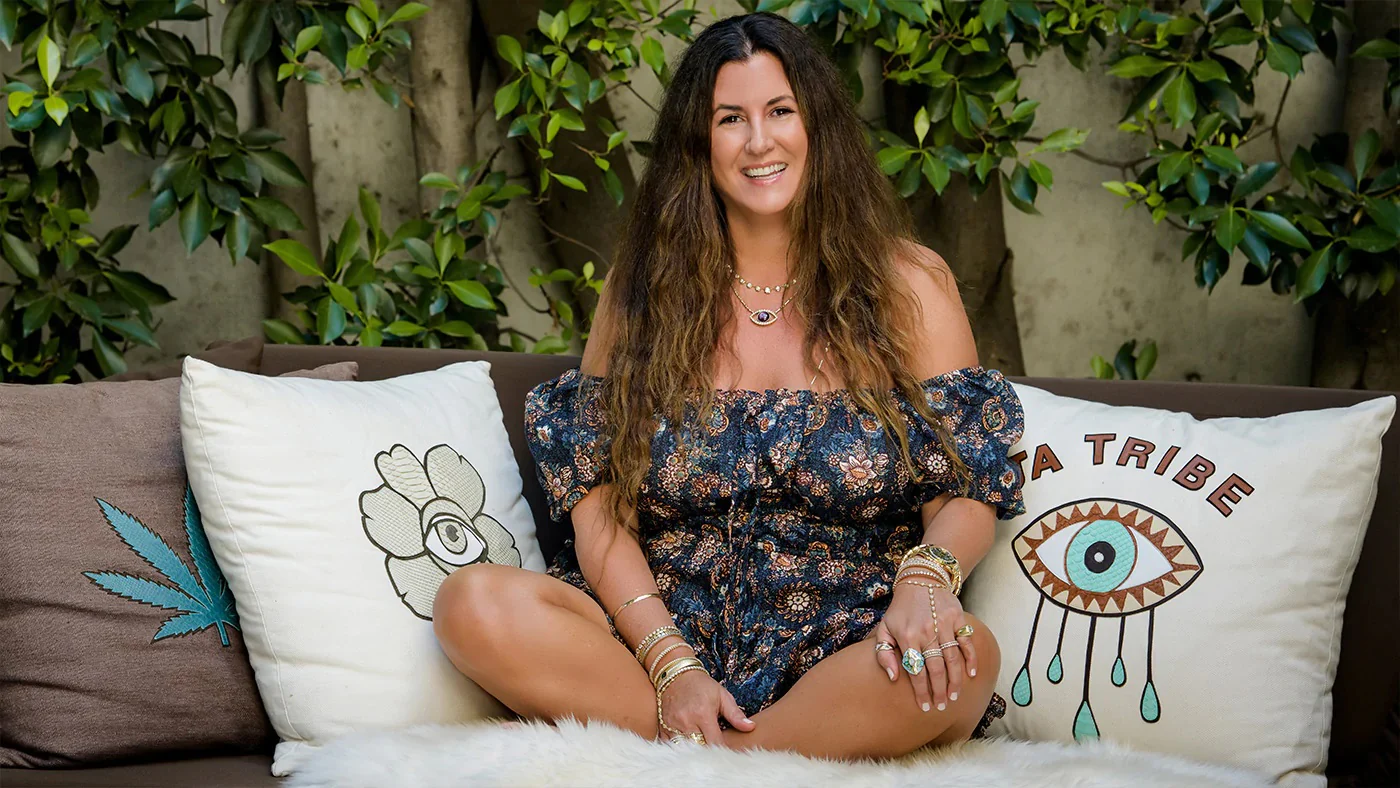
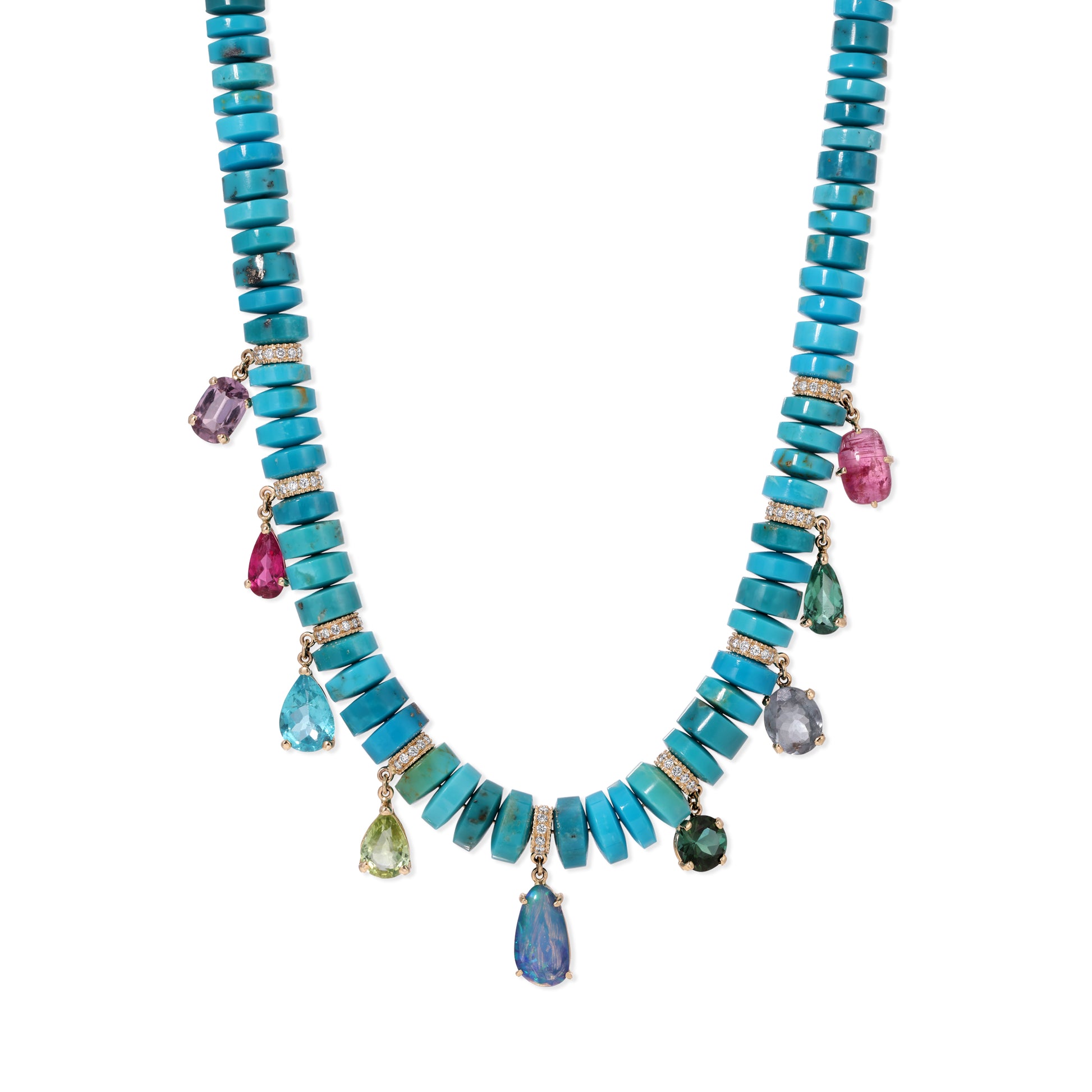
Jacquie Aiche built her name on crystals, turquoise, and other natural materials long before jewelry became her formal language. Her Egyptian and American heritage runs through the work, and the brand still traces back to a quiet start selling pieces anonymously from a Beverly Hills boutique.

Your path into jewelry began with an attraction to crystals and natural materials rather than a conventional jewelry background. What did those materials give you that you were looking for?
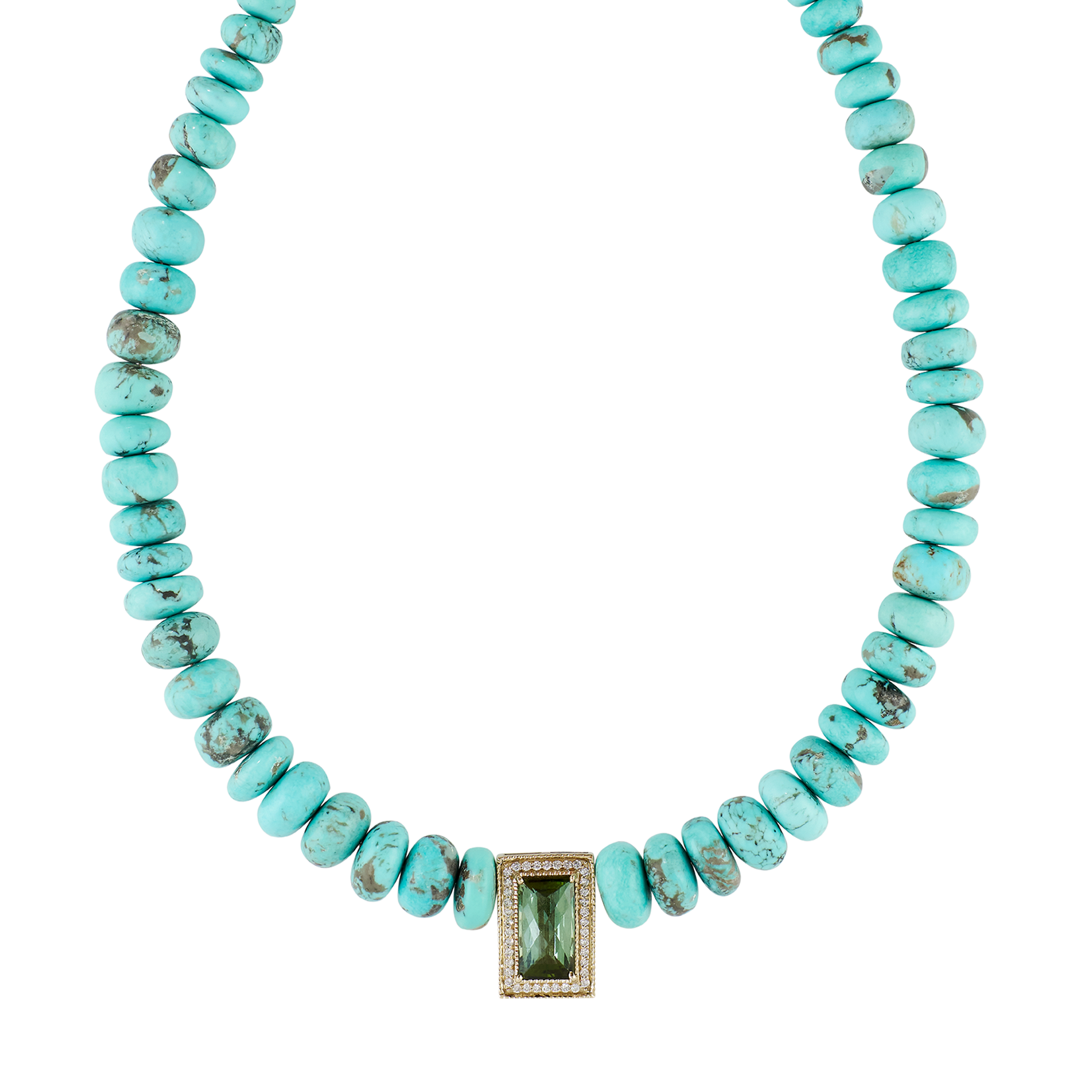
I have always been drawn to the beauty and presence of natural materials. Crystals, minerals, fossils, turquoise, and stones each carry their own character, and I respond to that before I think about a traditional design language. When I began creating jewelry, I was looking for a way to express something more personal and less formal than what I was seeing in the market. The materials gave me a starting point that felt instinctive. They allowed me to make pieces with irregularity, color, and feeling, rather than treating jewelry as something reserved for a special occasion.
Your Egyptian and American heritage is often discussed in relation to your work. How does that cultural mixture enter the design process?
It enters naturally, through the symbols, materials, and forms that have stayed with me. My American side connects me to raw turquoise, feathers, fossils, and the presence of the natural world. My Egyptian background brings in a love of amulets, hammered gold, adornment, and goddess imagery. I do not approach those influences as a set of references to reproduce. They are part of my visual vocabulary and they often appear in unexpected combinations. One day I might be thinking about the movement of a belly dancer, and another day I might be responding to the shape of an unpolished stone.
You have described a desire to create a different way for women to adorn themselves. What felt absent when you started?
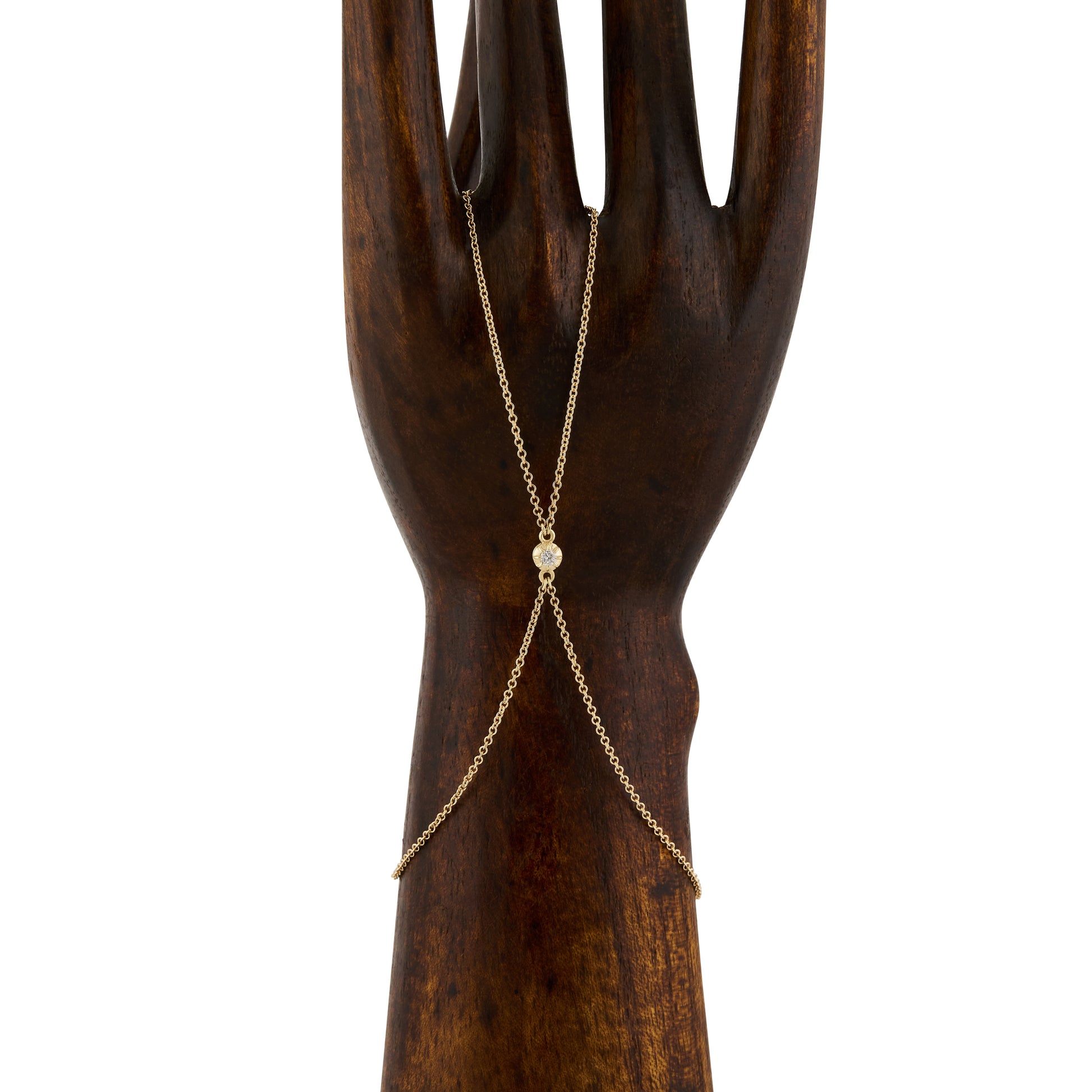
I felt that there was room for jewelry that was more expressive, sensual, and connected to a woman's individual nature. Much of the jewelry I saw felt very traditional, while I wanted to create pieces that could become part of someone's everyday identity. I was interested in jewelry that did not simply announce its value, but created a feeling when it was worn. Body chains, hand bracelets, talisman necklaces, and delicate layers offered another kind of relationship with adornment. They could move with the body and be combined in a way that felt personal rather than prescribed.
The brand began in a very intimate setting, with pieces first sold anonymously from a Beverly Hills boutique. What did that early period teach you?
It taught me to pay attention to the way people responded to the work. In the beginning, I was designing and selling quietly, without the structure or recognition that later surrounded the brand. Women would discover the pieces, wear them, and tell other women about them. That kind of response was very direct. It showed me that the jewelry could travel through relationships and personal recommendation. The brand grew from that intimacy. Even as the business developed, I wanted to preserve the feeling that every piece could still be discovered as something special and individual.

Your work has become closely associated with layering. What does layering allow a person to express?
Layering makes jewelry feel alive. It lets someone combine different stones, chains, symbols, and scales according to their own mood. A single piece can be meaningful, but several pieces together begin to tell a more personal story. They might reflect different moments, relationships, or parts of someone's personality. I also love the freedom in layering because there is no single correct way to do it. You can mix delicate diamonds with a larger stone, or place a body piece alongside something very subtle. The result should feel collected, instinctive, and individual.
Hand bracelets and body jewelry became important signatures for the brand. What drew you to those forms?
I have always been interested in the relationship between jewelry and the body. A hand bracelet or a body chain changes the way a piece moves and the way the wearer experiences it. It becomes less like an object placed on the body and more like an extension of it. The hand bracelet was especially important because it felt feminine, unexpected, and practical at the same time. Body jewelry also creates a sense of confidence without needing to be loud. Those forms gave me a way to explore adornment beyond the usual ring, necklace, or bracelet.
Stones are central to the brand, but your designs also include materials such as bone, fossils, and shark teeth. What makes an unconventional material feel right for a piece?
It begins with the material itself. I look for something with a distinctive shape, texture, or history. I source materials from different parts of the world, and I am drawn to objects that do not look overly perfect. A shark tooth, a fossil, or a carved piece of bone can bring a different kind of energy and tension to a jewel. The setting should support that quality rather than disguise it. I often like the contrast between an organic or unusual material and precious metal or diamonds. That balance is part of what gives the work its ethereal ease with a hint of rebellion.
The Beverly Hills bungalow has become part of the Jacquie Aiche experience. Why has the physical environment mattered to the brand?
The environment allows the brand to feel like a world rather than a display of products. The bungalow, gardens, and studio create a setting where people can slow down, explore, and connect with the work in a more personal way. Jewelry is intimate, so I have always felt that the experience around it should be intimate too. Over time, the space also grew into a place where the community could gather and share practices that support wellbeing. That evolution was organic. I have always wanted to share the things that make me feel good with the people around me.
You often speak about a tribe, both in relation to your team and to the people who wear the jewelry. What does that community mean to you?
The tribe is at the heart of the brand. It includes the women who wear the jewelry, the people who discover it, and the team that helps bring each piece to life. I care deeply about the relationships behind the work. When the company was smaller, we were making, packing, and shipping everything closely together, and preserving that family atmosphere was important to me. I still think of the brand as something built through connection rather than distance. Jewelry can be very personal, but it can also create a sense of belonging between people who share a certain openness and way of seeing the world.
After many years of designing, what continues to guide your creative decisions?
Intuition remains very important to me. I pay attention to the materials that attract me, the combinations that feel unexpected, and the way a piece changes when it is worn. I am also guided by the response of the women who wear the jewelry. When someone tells me that a piece made her feel more confident, more feminine, or more like herself, that stays with me. It reminds me that design is not only about how something looks. It is also about the feeling it creates. I continue to look for that connection in every new piece.