Profile
Rachel Scott on Craft, Context, and the Expansive Language of Diotima
Hannah R. Harris / Aug 8, 2026

For Wales Bonner founder Grace Wales Bonner, fashion is a meeting point between European tailoring, Afro-Atlantic culture, artistic research, and the many ways identity can be expressed through dress.
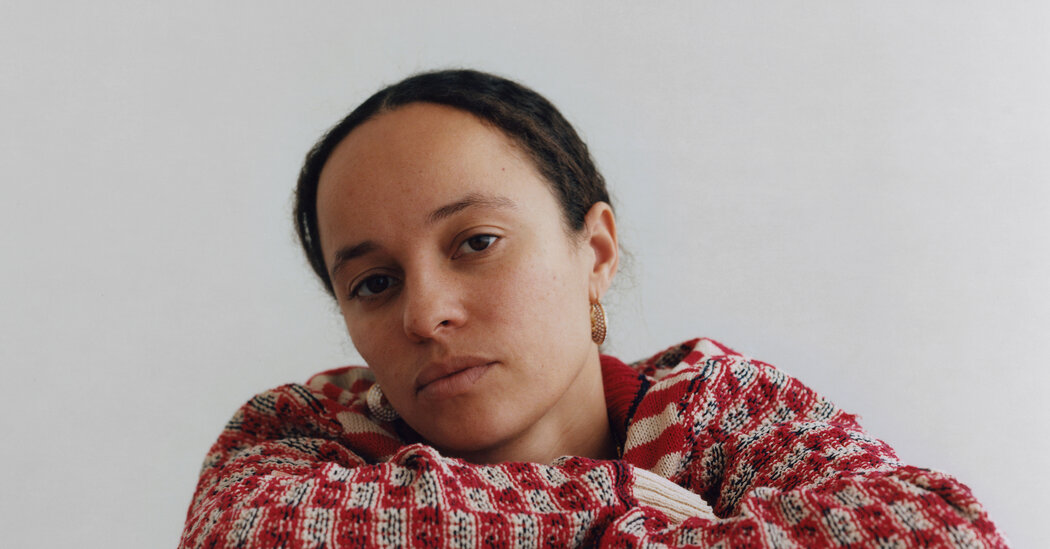
For Wales Bonner founder Grace Wales Bonner, fashion is a meeting point between European tailoring, Afro-Atlantic culture, artistic research, and the many ways identity can be expressed through dress.
You founded Wales Bonner shortly after graduating from Central Saint Martins in 2014. What did you want the label to make possible?
I wanted to create a space where different cultural references could exist together with precision and intention. The early collections began with menswear, but they were never limited to a narrow idea of masculinity. I was interested in the history of Black identity, the codes of European luxury, and the ways clothing can hold several perspectives at once. Wales Bonner developed from that investigation. It became a way to bring an Afro-Atlantic sensibility into conversation with European heritage, while also questioning how refinement, elegance, and authority are represented.
Research has always been central to your process. How does it enter the design?
Research gives the work a wider context. It can begin with a book, an artist, a historical image, a piece of music, or a particular cultural moment. I try to follow those references deeply rather than treating them as surface inspiration. The research often leads to connections between things that may initially seem unrelated, and those connections become part of the collection’s structure. Clothing then provides a physical language for the ideas. It allows the research to move beyond text or theory and become something that can be seen, worn, and encountered directly.
Your work often brings together British and Jamaican influences. How do you approach that relationship?
I see it as a relationship between different forms of belonging. My background is British and Jamaican, and the label has developed through an ongoing exploration of those cultural and diasporic connections. I am interested in the way ideas travel, change, and become reinterpreted across places. That can appear through tailoring, sport, music, craft, or gestures associated with ceremony. I do not think of these references as separate categories. They are part of a broader cultural conversation, and the work is about creating a space where those histories and sensibilities can meet without being reduced to a single explanation.
Tailoring is a strong foundation for Wales Bonner. What does tailoring allow you to express?
Tailoring carries a sense of structure, history, and social meaning. It has established codes, but those codes can be adjusted through proportion, material, decoration, and the way a garment is worn. I am drawn to the discipline of traditional tailoring because it creates a precise framework for experimentation. Within that framework, details can introduce another rhythm or cultural reference. A tailored piece can feel formal, intimate, ceremonial, or relaxed depending on how it is constructed. That tension between control and freedom is important to the language of Wales Bonner.
The label began with menswear and later expanded into womenswear. How did that change the way you approached the collection?
The expansion allowed the vocabulary of the brand to become broader without losing its foundations. The questions around identity, elegance, and cultural representation remain present, but they can be explored through different bodies and silhouettes. I have never been interested in treating menswear and womenswear as completely isolated systems. They can inform one another through tailoring, knitwear, sportswear, and the movement of a garment. The important thing is that each piece has a clear relationship to the wider world of the label, rather than simply belonging to one category.
Your collections can feel almost like essays, with clothing, music, literature, and visual culture working together. What role does the wider presentation play?
A collection is not only a group of garments. It is also an atmosphere and a set of relationships. Music, images, writing, casting, and space can deepen the way the clothes are understood. They create a context in which the references can become more vivid. I am interested in building a world around the work, but that world should remain open rather than explaining everything. The clothing needs to communicate on its own, while the other elements create additional ways of entering the collection.
Your adidas collaborations have connected the brand with sportswear and popular culture. What drew you to that partnership?
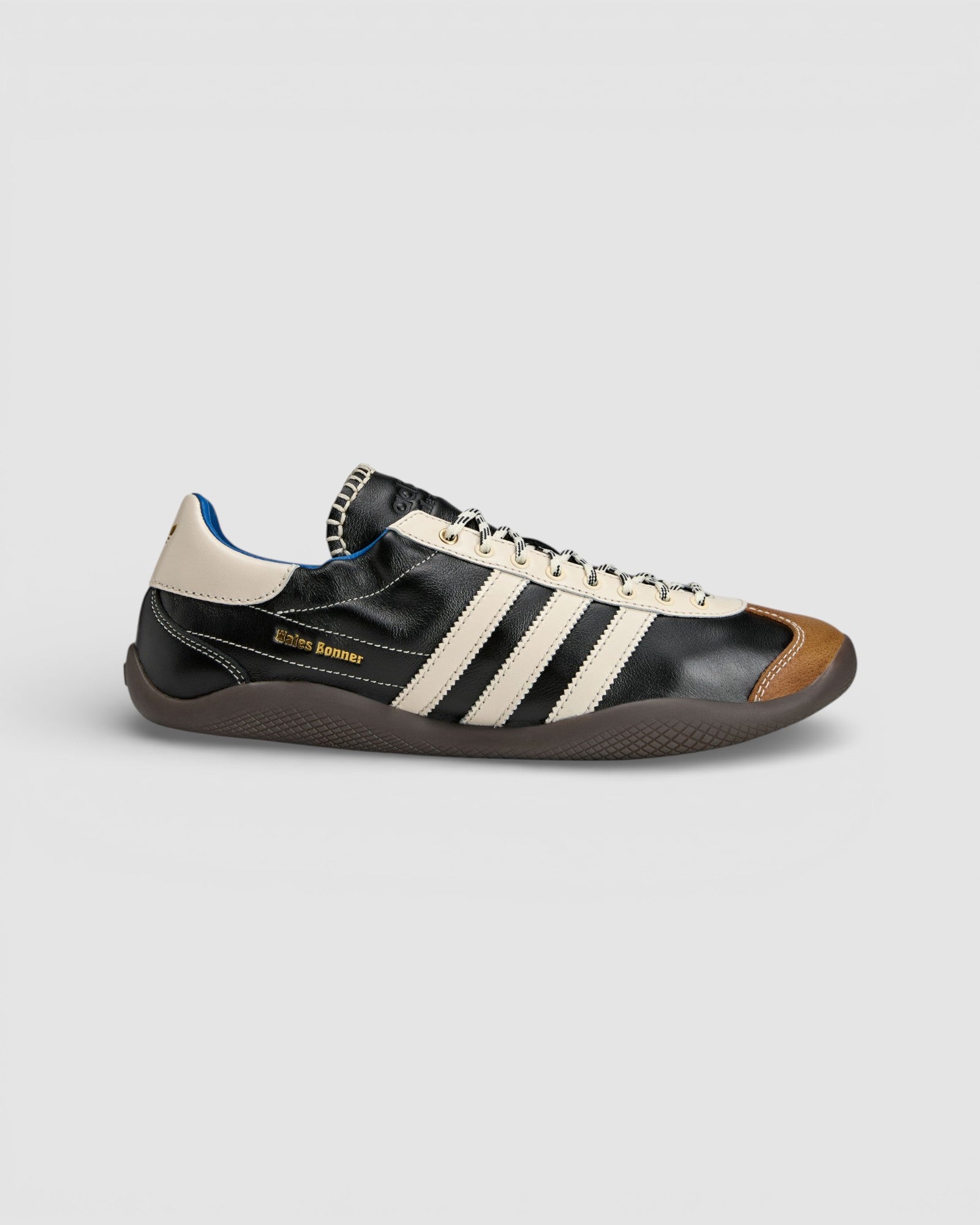
adidas has a rich cultural history, particularly in relation to music, sport, and communities across the African diaspora. Working with the adidas research team made it possible to look closely at the brand’s archive and understand how its garments and shoes had been worn and reinterpreted over time. I was especially interested in the relationship between adidas and dancehall culture in the 1980s. The collaboration became an opportunity to bring together the codes of sportswear with the details, craft, and tailoring associated with Wales Bonner.
How do you think about luxury within your work?
Luxury, for me, is connected to care, knowledge, and the quality of the relationship between an object and the person who encounters it. It is not only about rarity or status. It can be found in the time taken to develop a material, the precision of a technique, or the depth of a reference. I want the brand to build a form of cultural luxury that respects history while remaining open to new interpretations. The work should feel considered, but it should also have life, movement, and a sense of possibility.
You have also worked in curatorial contexts, including exhibitions and projects with museums. What does that kind of work offer you?
Curatorial work allows me to look at culture from a different position. Instead of beginning with the question of what to make, I begin by considering relationships between existing works, images, sounds, and ideas. That process has influenced the way I edit and compose a fashion collection. It also creates time for looking and thinking outside the seasonal rhythm of fashion. My curatorial projects have given me the opportunity to explore Black artistic and spiritual traditions, sound, movement, and the histories that shape visual culture. Those investigations continue to inform the clothing.
What do you hope someone feels when they encounters Wales Bonner?
I hope the work creates recognition, curiosity, and a feeling of connection. Clothing can communicate complex ideas without requiring a single fixed interpretation. Someone may respond first to the silhouette, the material, or the way a garment moves, and then discover another layer through its cultural references. I want Wales Bonner to remain a place where elegance can be expansive and where Black histories, artistic practices, and diasporic perspectives are treated as central to contemporary luxury. Ultimately, the clothes should invite people to look more closely and to imagine themselves within the world they create.