Profile
Rachel Scott on Craft, Context, and the Expansive Language of Diotima
Hannah R. Harris / Aug 8, 2026

For Gabriela Hearst, luxury is measured by the care invested in a garment, from the origin of its materials to the people and craftsmanship that bring it to life.
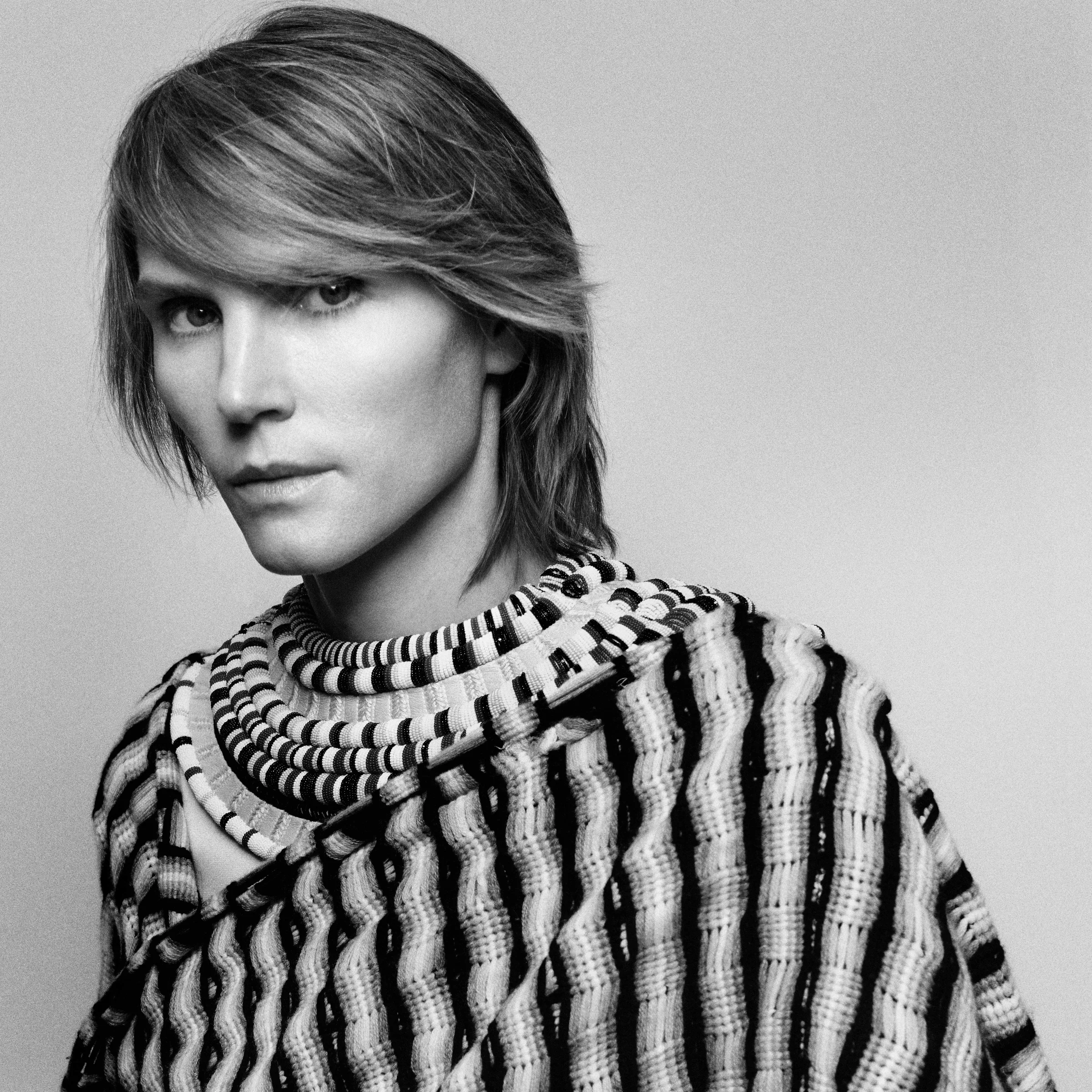
For Gabriela Hearst, luxury is measured by the care invested in a garment, from the origin of its materials to the people and craftsmanship that bring it to life.
Your upbringing on a ranch in Uruguay has become an important part of the Gabriela Hearst story. What did that environment teach you about design?
I grew up on my family’s ranch in Paysandú, in a remote part of Uruguay, where everything had a purpose. We were far from the nearest town, so objects had to be useful, durable and carefully maintained. Nothing was casually discarded. Materials were repaired, repurposed or given another life. That way of thinking stayed with me, even after I moved to New York and began working in fashion. The ranch gave me an understanding of quality that was not abstract or decorative. Quality meant that something worked, lasted and deserved to be looked after. That remains central to the way I approach clothing today.
What was the moment when you understood that your own label needed to exist?
Before starting my namesake brand, I had spent more than a decade designing in New York. I began to feel a growing distance between what I was making and what I believed in. The pressure was always toward producing more and making things cheaper, while my experience in Uruguay had taught me to value longevity and resourcefulness. After returning to the ranch and looking at my two lives together, the contradiction became clear. I wanted to create a collection that brought the countryside that raised me into dialogue with the urban world where I had become a designer. Gabriela Hearst was born from that need for greater alignment.
The brand is often described through the idea of honest luxury. What does that expression mean to you?
Honest luxury begins with being truthful about what a product is and how it came to be. It means caring about the quality of the materials, the skill of the person making the piece and the conditions in which it is produced. It also means resisting the idea that luxury should be defined by excess. A beautiful object does not need to be wasteful. For me, luxury is the ability to make something with time, attention and integrity. It is a long-term approach to design, where the value of a garment is not exhausted by its first impression. The piece should continue to communicate its worth through wear, usefulness and endurance.
How does sustainability enter the design process at the earliest stage?
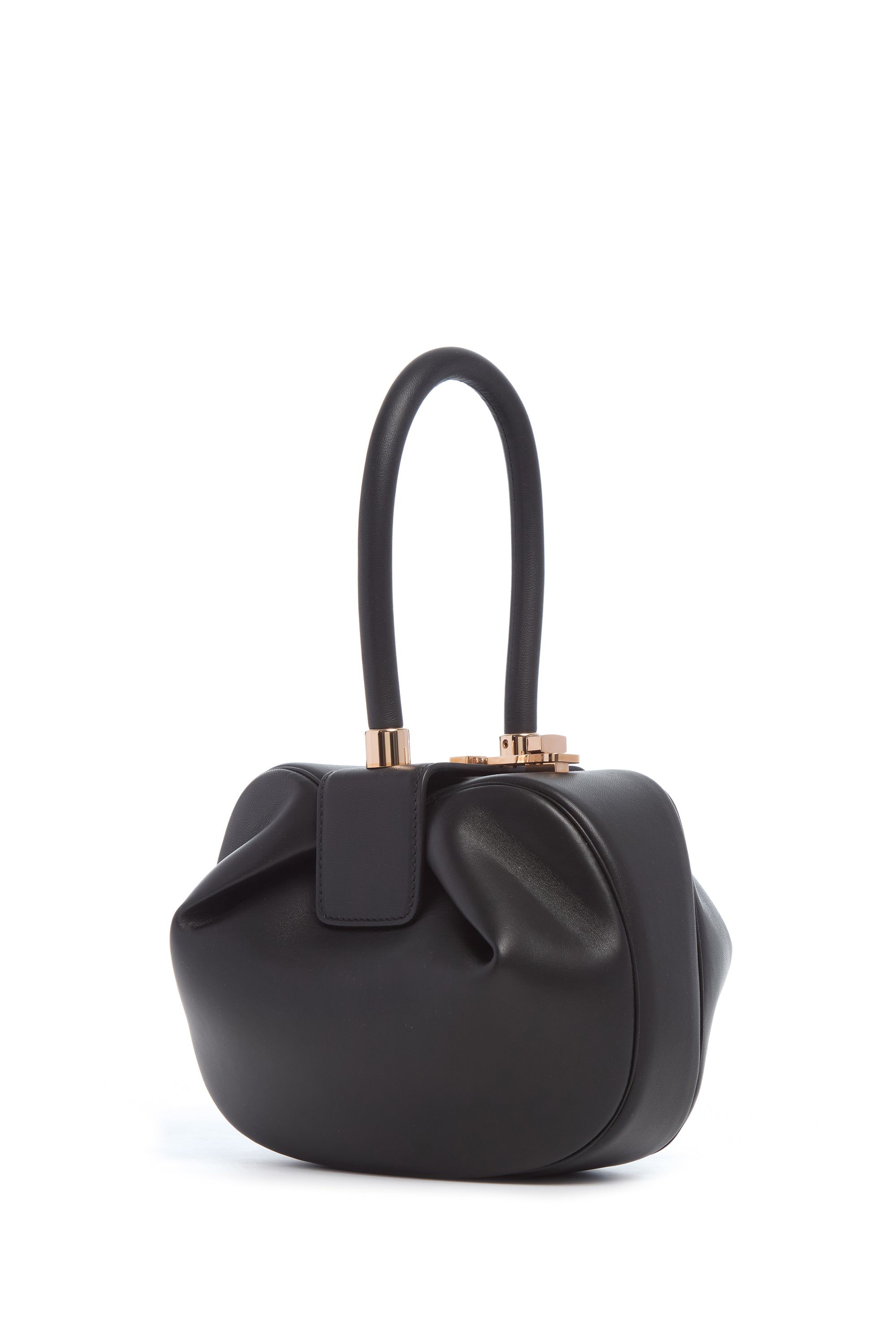
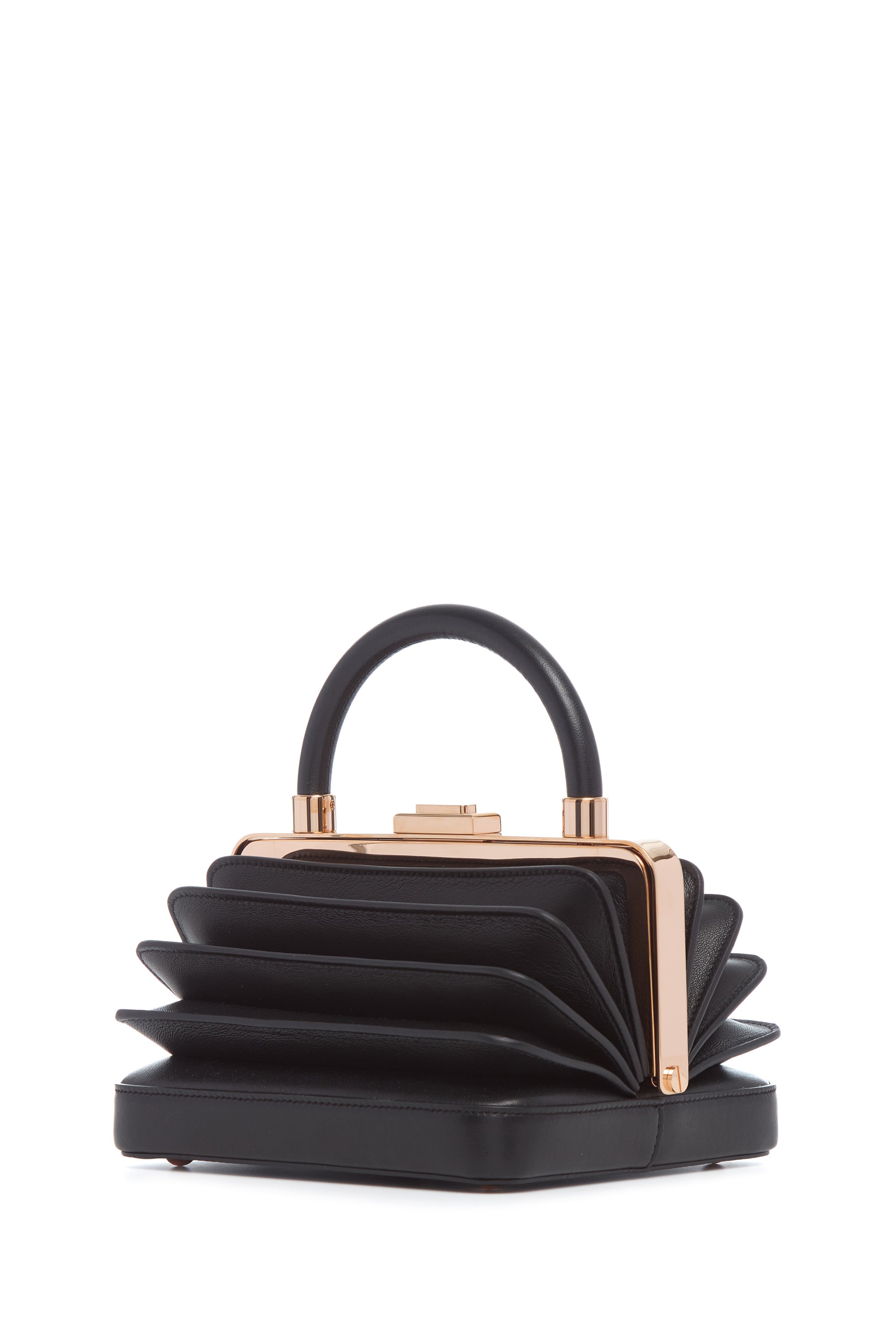
Sustainability cannot be added at the end as a separate layer. It has to be considered when the idea for a piece is first formed. We ask where the material comes from, how it will be used, who will make it and what will happen to the object over time. Those questions influence the choice of fabric, the construction, the quantity produced and the way a collection is presented. We have worked with deadstock, reclaimed materials and more considered forms of production, including making certain handbags to order or in limited quantities. The process is not perfect, but it is continuous. The responsibility is to keep examining every decision and improving the system.
Your collections combine strong tailoring with a sense of ease. What are you trying to give the person who wears them?
I want the clothing to offer confidence without demanding performance from the person wearing it. Tailoring can give structure, but it should still allow someone to move through the day naturally. I am interested in garments that feel precise and considered while remaining useful in real life. The design needs to hold its presence without depending on a passing trend. That is why cut, proportion and material matter so much. When those elements are right, a piece can become part of someone’s life rather than simply part of a season. The goal is to create clothing with enough character to be memorable and enough versatility to be lived in.
You have often spoken about making fewer, better things. How does that principle affect the way the brand operates?
It affects both the creative and the business decisions. Producing fewer pieces allows us to pay closer attention to the materials and the workmanship. It also encourages a different relationship with the customer. I am not interested in persuading someone to buy continuously. I would rather they find one exceptional sweater, coat or bag that they will keep for many years. Limited production and made-to-order approaches can help reduce unnecessary inventory, but the deeper point is cultural. We need to move away from the assumption that novelty is the same as value. A well-designed object can remain relevant because it is useful, not because it is constantly being replaced.
Craft is a visible part of the Gabriela Hearst identity. How do you think about the relationship between tradition and modernity?
Tradition is valuable when it continues to have meaning, not when it is preserved only as decoration. I am drawn to techniques that have developed through experience and that produce a genuinely better result. At the same time, the collection has to belong to the present. Modernity can come through proportion, fabrication, function or the way a traditional technique is placed in a new context. I do not see craftsmanship and innovation as opposites. The most interesting work often comes from allowing them to meet. Respecting the past gives us knowledge, while the present asks us to decide how that knowledge can remain useful.
You have connected fashion’s environmental responsibility with the larger question of energy. Why is that connection important to you?
Fashion has to look beyond its own immediate materials and processes. The climate crisis is also an energy crisis, because so much of the world still depends on fossil fuels. That means meaningful progress requires attention to the systems that support production, transport and daily life. I have become particularly interested in the potential of clean energy and in the scientific work being done around nuclear fusion. Designers are not scientists, but we can help direct attention, create conversations and support the people developing solutions. I believe creativity has a role in making difficult subjects visible and in helping people imagine a future that is more responsible and more hopeful.
The brand has introduced practical measures such as reducing plastic and rethinking retail spaces. Why are those details significant?
The details matter because a brand’s values have to exist beyond the finished garment. We worked toward eliminating plastic from our front and back of house, using compostable packaging and recycled cardboard hangers. Our New York flagship was created with natural, reclaimed materials, occupancy sensors and a high level of material recycling during construction. These decisions may seem separate from the collection, but they are part of the same question: how do we use resources, and what do we leave behind? Sustainability is not one dramatic gesture. It is a daily practice made up of many decisions, including the ones customers may never see.
After building the label for a decade, what continues to guide your decisions?
The long view continues to guide me. Fashion moves quickly, but the consequences of the choices we make remain for a long time. I want the brand to grow without losing the principles that gave it a reason to exist: quality, craftsmanship, thoughtful sourcing and respect for the environment. That requires patience and a willingness to question familiar habits. I also want the work to remain beautiful. Beauty is not separate from responsibility. It is one of the ways we invite people to care for an object and keep it in their lives. The ambition is to make clothing that is strong, useful and enduring, while continuing to make the way it is produced more considered.