Profile
Rachel Scott on Craft, Context, and the Expansive Language of Diotima
Hannah R. Harris / Aug 8, 2026

Rising archive values are pushing more houses toward per-look, itemized policies.
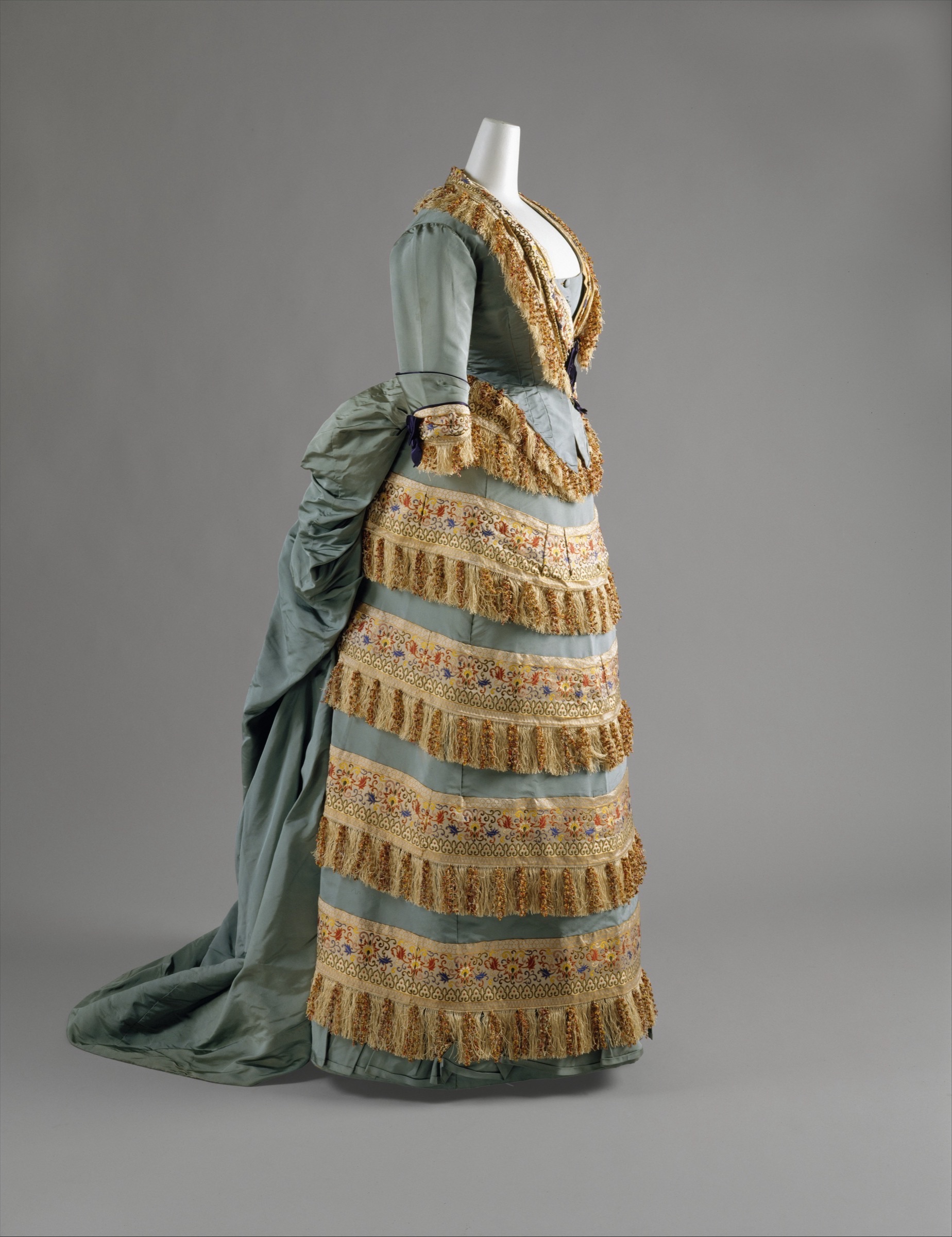
The sample room used to be the place a fashion house kept what it needed to sell, fit, photograph, and produce. It is increasingly also the place where a brand stores its history: first prototypes, runway looks, one-off embroideries, master patterns, and garments that cannot be remade if a rack is stolen or a courier loses a case.
That change is moving into insurance paperwork. Specialist brokers now ask houses to separate prototype, fit, showroom, press, runway, archive, borrowed, consigned, and imported samples instead of reporting one undifferentiated clothing-stock number. The shift is not a new universal policy rule, and it does not mean every brand will receive the same terms. It is an underwriting response to a more complicated asset: a garment whose material cost may be modest, but whose replacement, production, or cultural value is not.
Kelly Insurance Group's current sample-garment coverage guidance describes a sample's changing status across its life: prototype, fit garment, showroom piece, press pull, runway look, buyer sample, or archive. Its practical point is that insurers need to know not only what the garment is, but who owns it, who has custody, where it is stored, why it is moving, and what happens when it returns.
That distinction matters because the same black jacket can occupy several insurance categories in one season. In the studio it may be a production reference. At market it is a showroom sample. In a stylist's hands it becomes property in someone else's custody. On the way to a shoot, it is in transit. After a runway show, it may be a record of the collection rather than a saleable unit.
Standard commercial property coverage is often location-led. A policy may name a studio, warehouse, or showroom, while the sample spends its working life outside those places. Specialist fashion guidance therefore points toward inland-marine, property-of-others, bailee, transit, crime, and event coverage reviews where appropriate. The exact answer depends on wording, limits, deductibles, endorsements, and exclusions; “covered” is not a useful conclusion without those details.
The hardest conversation is valuation. A finished garment can have a wholesale or retail price. A development sample may have no clean selling price at all. Its value can sit in pattern work, failed iterations, hand labor, rare fabric, production knowledge, or the fact that it is the only surviving version of a look.
The Library of Congress guidance on insurance valuation offers a useful collections benchmark: obtain appraisals for replaceable individual objects, document condition with dated photographs, consider market value for rare or high-value objects, and review values periodically. Fashion houses are not museums, but their archive problem is structurally similar. A garment needs an identity, condition record, location, ownership status, and value basis before a claim can be argued.
Museum practice makes the same point more formally. The North Carolina Museum of History's collections policy states that one-of-a-kind objects may be irreplaceable even where insurance exists, and requires coverage and documentation for objects on loan and away from the museum. Its policy separates insurance from physical care: money can support recovery, but it cannot recreate a unique object or undo bad handling.
For a fashion house, the emerging implication is a schedule built per look or per item, with a stated value method. Replacement cost may make sense for a current sample that can be reconstructed. Agreed value may be more defensible for a historic runway look, provided the parties have documented how that number was reached. Neither is automatic, and neither should be confused with resale value.
Fashion's sample system is designed around movement. Garments leave for fittings, press days, e-commerce shoots, celebrity styling, trade shows, production partners, and red-carpet events. The Vault Couture archive service describes a comparable operational response: inspect, catalogue, photograph, and store pieces in controlled conditions while tracking who requests them and where they go.
That is not just an archive-management preference. It is evidence. A sign-out record can establish custody. A condition photograph can show whether a pulled look returned with a stain or missing trim. A garment ID can connect a claim to a pattern, invoice, repair note, or prior appraisal. A timestamped return record can establish when responsibility changed hands.
Insurers are also asking houses to identify third-party exposure. The Kelly guidance on high-value fashion inventory distinguishes finished goods, samples, archive pieces, consigned goods, goods in process, returns, and stock held at third-party warehouses. That separation is increasingly practical as brands use PR agencies, fulfillment partners, stylists, and specialist storage providers. A contract may assign responsibility to a borrower, but contractual responsibility and available insurance are not the same thing.
The operational answer is not to insure every garment at an inflated number. It is to make the archive legible. A useful file can begin with five fields: item or look ID, owner, current holder, location, and value basis. Add front-and-back condition photographs, season and collection, material notes, replacement feasibility, movement history, and any loan or consignment agreement.
The schedule should also distinguish active samples from retired archives. A press pull that leaves weekly has a different theft and damage profile from a boxed master piece. A gown with hand beading may need a different repair pathway from a jersey look. A borrowed garment may require a certificate of insurance from the party using it. A runway collection moving internationally may require attention to the point at which transit coverage begins and ends.
This is where the commissioned premise holds, with one qualification: the industry is not converging on one standard “per-look policy.” It is converging on more itemized questions. The pressure comes from rising archive importance, more circulation outside the studio, and replacement costs that cannot be inferred from a retail tag.
The strongest policy will still be the one a house reads in full with a licensed broker. But the market signal is already visible in the paperwork: “samples” is too broad a category for the way fashion now stores and circulates value.