

Profile
David and Sybil Yurman: A Life in Art, Made Wearable
Hannah R. Harris / Nov 20, 2025

For Brazilian-born, London-based designer Fernando Jorge, jewellery is a meeting point between sensuality, structure, movement, and the distinct cultural energies of his two homes.
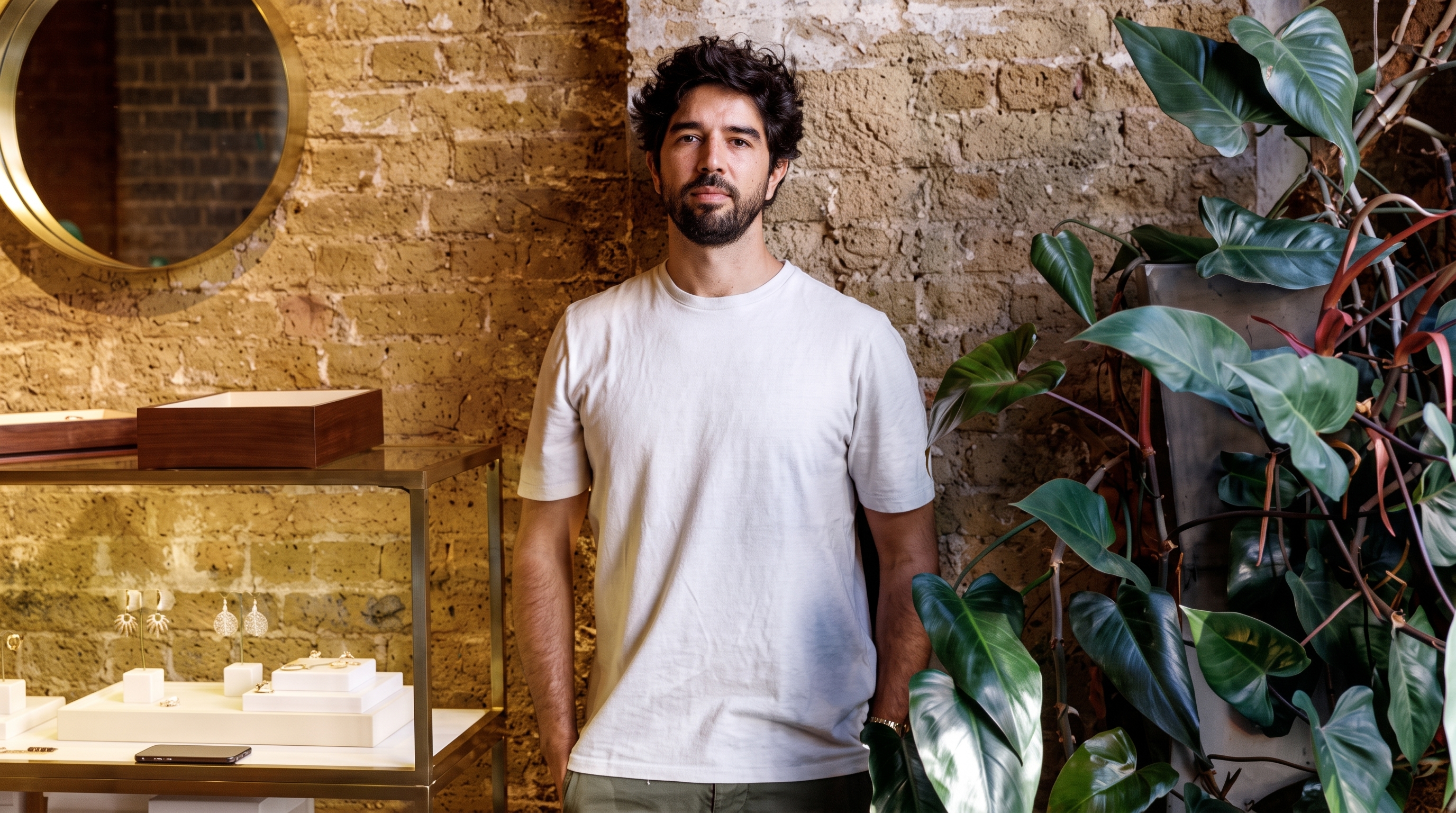
Fernando Jorge was born in Brazil, studied product design in São Paulo, and later completed a master's at Central Saint Martins in London. The two cities still run through his work: Brazil's color and physicality on one side, London's research-driven rigor on the other.
You grew up in Brazil, studied product design in São Paulo, and later moved to London to complete your master's at Central Saint Martins. How did those experiences shape the designer you became?
Brazil gave me my first visual language. I grew up surrounded by colour, movement, strong contrasts, and a very direct relationship with the body. Before jewellery, I was interested in drawing and product design, so I was already thinking about form, proportion, and how objects are experienced. My professional work in Brazil also introduced me to the discipline and technical knowledge of fine jewellery. London brought a different kind of energy. Studying at Central Saint Martins encouraged me to treat design as research and to question my assumptions. The two places continue to exist together in my work: Brazil brings warmth and sensuality, while London brings a sharper, more analytical perspective.
Your jewellery is often described as sensual, but the pieces also depend on precision and engineering. How do those two qualities come together?
Sensuality is not separate from structure. For me, it comes through movement, proportion, and the way a piece responds to the body. A jewel can have a very precise construction and still feel soft, fluid, or alive when it is worn. I am interested in finding that balance. The technical side of the work gives me the freedom to create pieces that move, articulate, or sit lightly on the skin. Once the engineering is resolved, the jewellery can feel effortless. That effortlessness is important. I want the wearer to experience the design physically, not simply look at it as a static object.
How does the body influence the way you design?
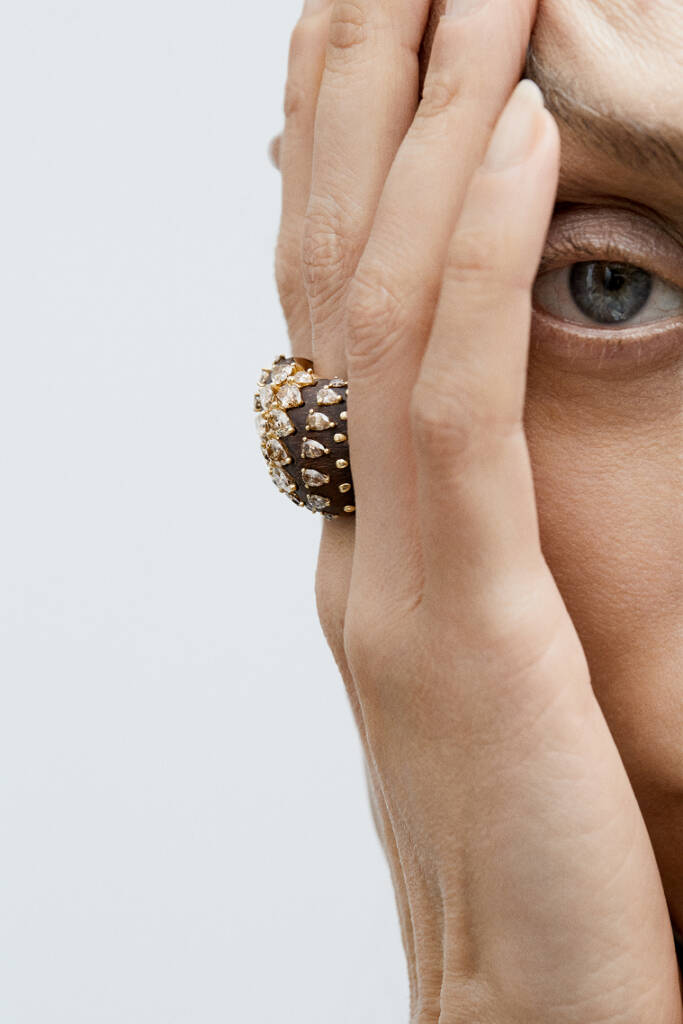
I think about jewellery as something that belongs to the body rather than something placed on top of it. The curves, gestures, and movement of the body are part of the design process from the beginning. This is why many of my pieces have an organic quality, even when they are made from very hard or precise materials. I consider how a jewel will move with someone, how it will frame the neck or ear, and how it will change when seen from different angles. Jewellery has a close relationship with gesture. It can respond to a person's movement and become more expressive through wear.
You have spoken about inspiration as a recurring cycle rather than a single moment. What does that cycle look like in practice?
Ideas usually begin with a mood or with small impressions that accumulate over time. I may notice a shape in nature, a detail in architecture, a certain rhythm, or the way light behaves on a surface. Those observations do not necessarily become a piece immediately. They stay in the background until there is enough of a connection between them. I tend to work through a subject in depth, developing its possibilities until I feel that the idea has reached a natural conclusion. Then I often move in the opposite direction. After exploring fluidity and organic forms, for example, I may feel drawn towards geometry and structure.
Your collections have included names such as Fluid, Cheeky, Stream, Flame, and Vertex. How important is language to the development of a collection?
A name can help establish the atmosphere of a collection, but it comes after the central design idea has begun to take shape. I look for a word that captures the movement or character of the pieces without explaining everything. Fluidity, fire, rhythm, and energy are all ideas that can be understood visually and physically. The name becomes a way of concentrating that feeling. It also gives the collection its own identity while allowing each piece to remain open to interpretation. I like jewellery to have a sense of personality, but I do not want the story to become more important than the object itself.
The work often brings Brazilian sensuality into conversation with a more urban, British sensibility. How do you keep that balance from becoming predictable?
I do not try to reproduce Brazil or London literally. They are both part of my perspective, but they are not formulas. Brazil remains present through an instinctive appreciation of colour, the body, and a certain ease in the way jewellery is worn. London has taught me to be curious, critical, and open to different references. The balance changes depending on the collection. Some bodies of work begin with nature and movement, while others are more influenced by architecture or the city. What connects them is the way I approach form. I am always looking for tension between opposing qualities, such as softness and structure or delicacy and strength.
Your earlier work often approached jewellery with a playful and provocative spirit. What role does ambiguity play in your design?
Ambiguity gives a piece room to breathe. I am attracted to forms that can suggest different things without becoming too literal. A curve can be sensual, architectural, botanical, or simply beautiful as a shape. That openness is part of the pleasure of jewellery. The wearer brings their own interpretation and their own relationship to the object. Playfulness is also a way of avoiding excessive seriousness. Fine jewellery has a long history and carries a great deal of symbolism, but it can still have movement, humour, and a sense of freedom. I want the work to feel refined without losing its spontaneity.
In Vertex, you moved towards baguette-cut diamonds, straight lines, and a more geometric vocabulary. What prompted that change?
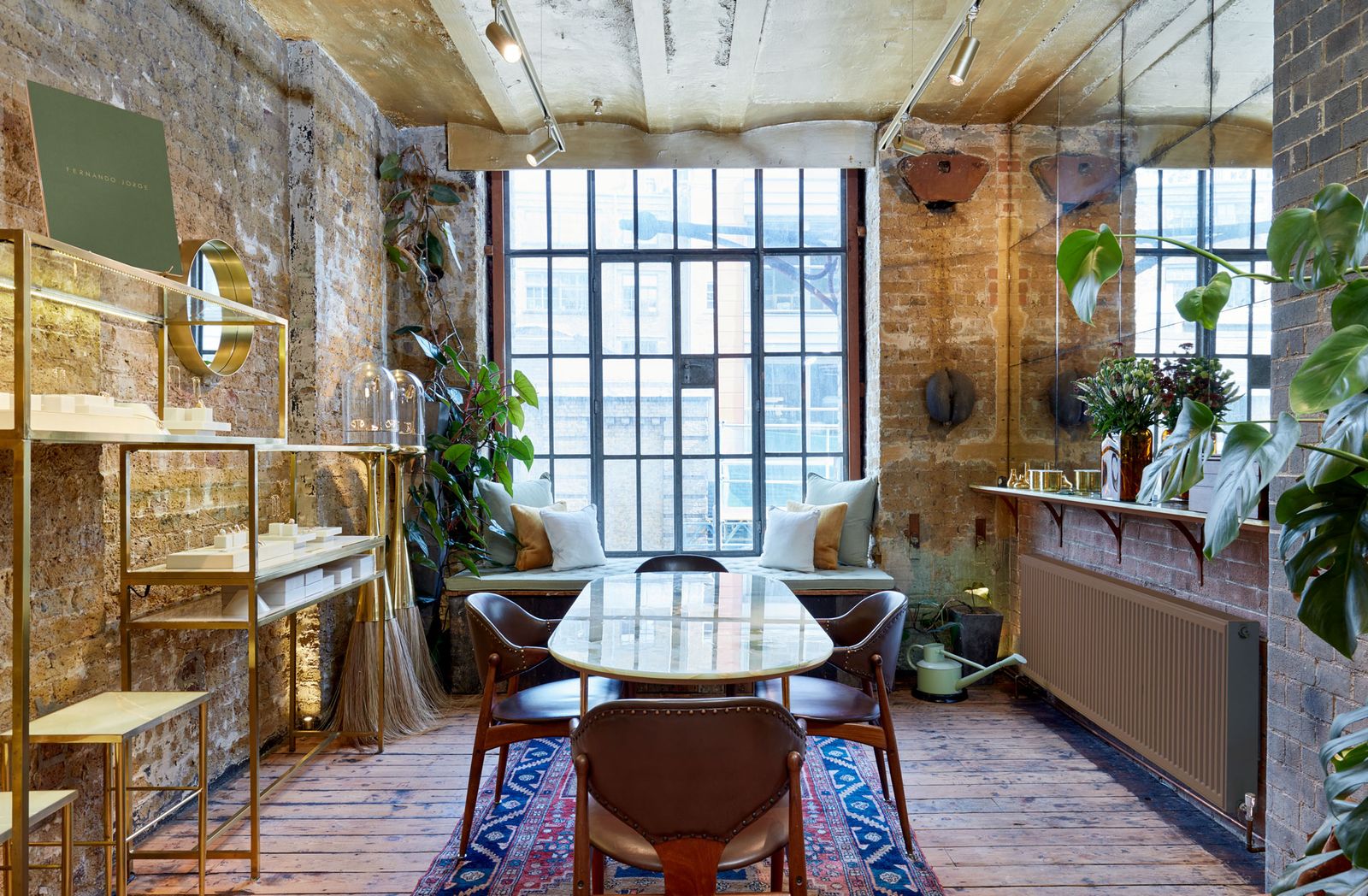
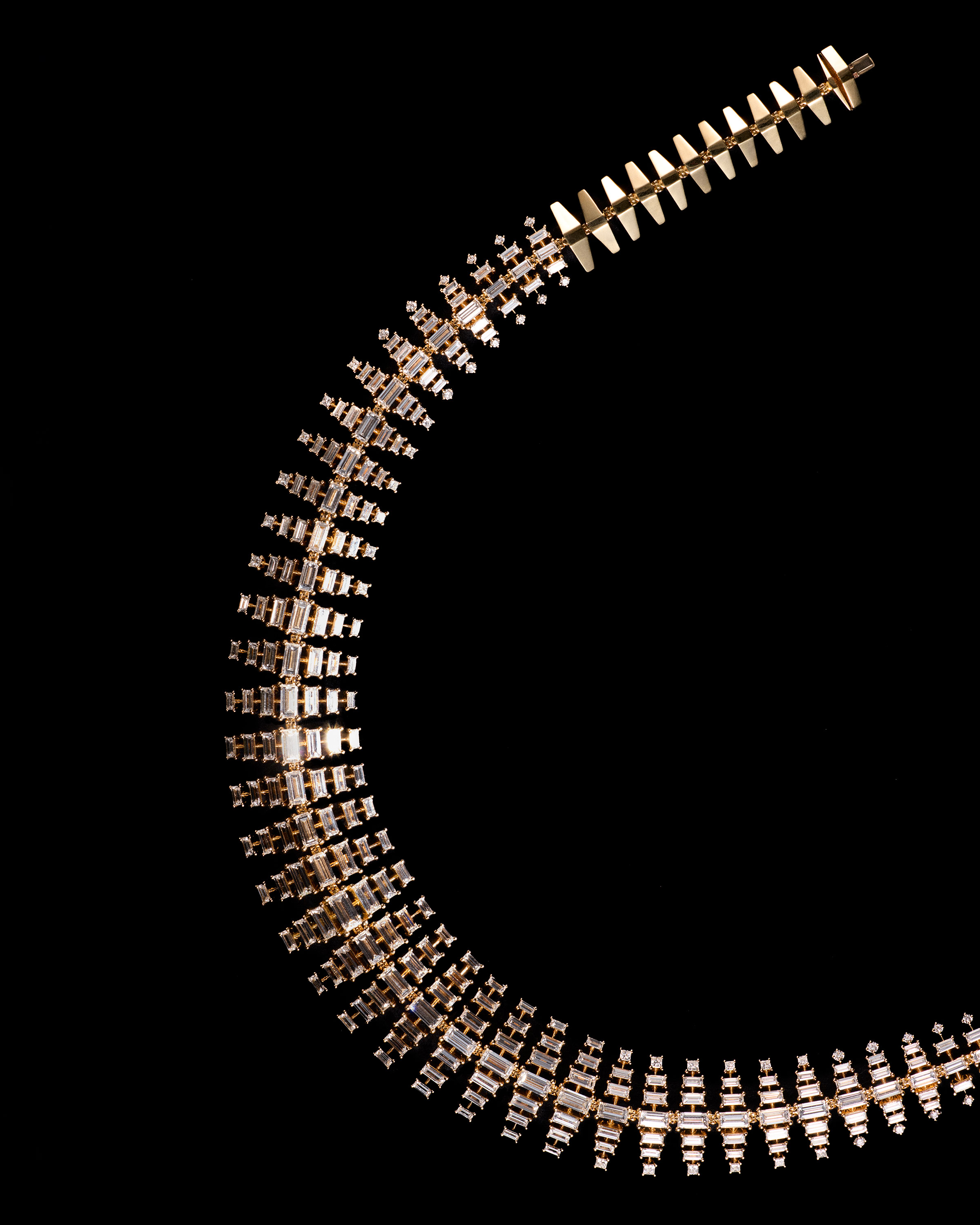
Vertex emerged after a period of working with sinuous, sculptural forms in Stream and Deep Stream. I felt the need to open a new chapter and explore a different kind of energy. Working on our showroom spaces in London and New York also made me more aware of architecture and the rhythm of the city. The baguette cut offered a clear starting point because it has such a strong relationship with the visual language of the Art Deco period. I was interested in using its straight edges and repetition while introducing movement and the engineering that has been important in my work from the beginning. The collection became a dialogue between geometry and sensuality.
What continues to interest you about diamonds, particularly when they are placed within a more contemporary design language?
Diamonds have an extraordinary combination of physical and symbolic qualities. They are extremely hard, highly refractive, and capable of producing intense movement through light. Those qualities have made them central to jewellery, but I am interested in considering them beyond conventional expectations. The cut can change how a diamond behaves and how it communicates with the rest of a design. In Vertex, the baguette cut allowed me to focus on line, repetition, and architectural structure. I wanted the diamonds to feel modern and energetic rather than simply formal. The material carries history, but the design can still give it a new rhythm.
After more than a decade of building an eponymous label, what does it mean to develop a recognisable design language while continuing to evolve?
A design language should provide continuity, not limitation. I take time to understand the elements that feel essential to my work, such as movement, lightness, sensuality, and the relationship between a jewel and the body. Once those foundations are clear, I can move in different directions without losing the connection to the wider body of work. Each collection is an opportunity to investigate one idea fully and then see where it leads. I do not want every piece to look the same. The challenge is to make something genuinely new that still feels connected to the values and instincts that define the brand.