Profile
David and Sybil Yurman: A Life in Art, Made Wearable
Hannah R. Harris / Nov 20, 2025

For more than three decades, Erica Courtney has built a jewelry practice around vivid gemstones, intricate craftsmanship, and the conviction that the right stone can determine its own future.
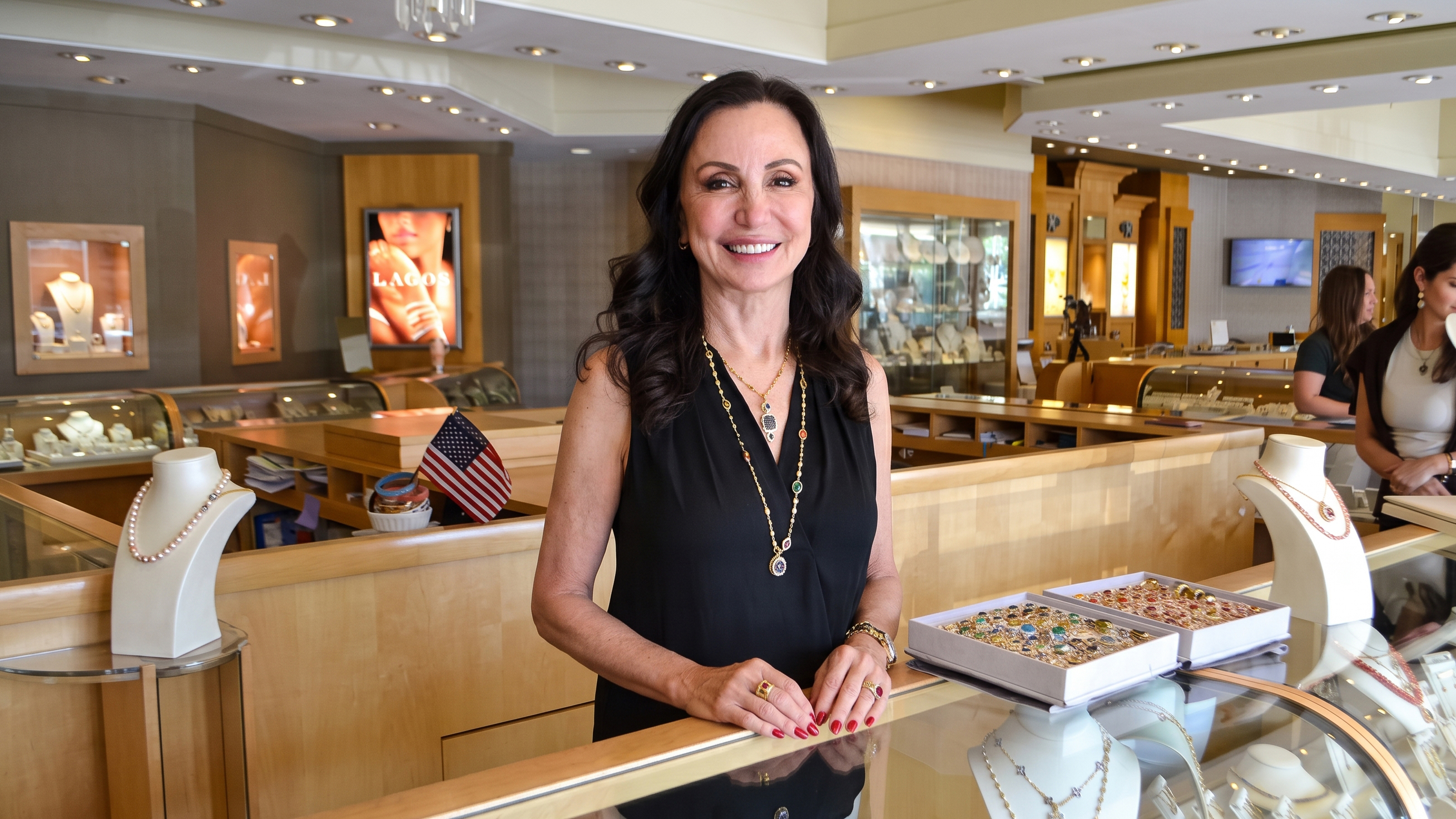
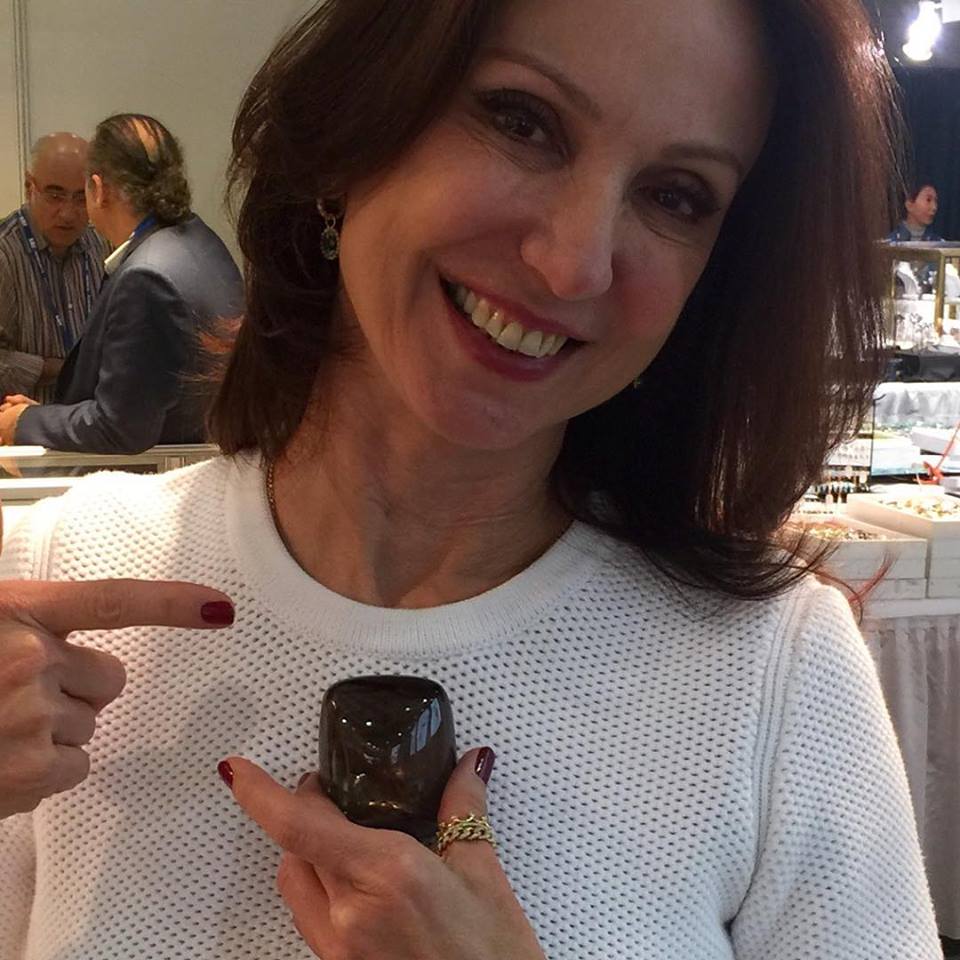
Erica Courtney has worked in jewelry since the early 1980s, after a childhood jewelry-making class and a pair of crystal-embellished sunglasses first pointed her toward the craft. Her practice is built around gem-hunting trips to places including Tanzania, Colombia, and Sri Lanka, and a design process that begins with the stone rather than a preset plan.
You have been working in jewelry since the early 1980s. What first drew you to the medium?
My entry into jewelry was not a carefully planned career decision. When I was eleven, I took a jewelry-making class through the Catholic Youth Organization, which gave me an early introduction to the process. Later, I embellished a pair of inexpensive sunglasses with Swarovski crystals. People responded to them so enthusiastically that my mother began telling everyone I was a jewelry designer. That simple moment gave the idea a life of its own. I was also selling handmade potholders with my sister when I was nine, so making things and finding a way to share them with people was familiar to me from an early age.
Your work is known for its use of color. What does color make possible in jewelry?
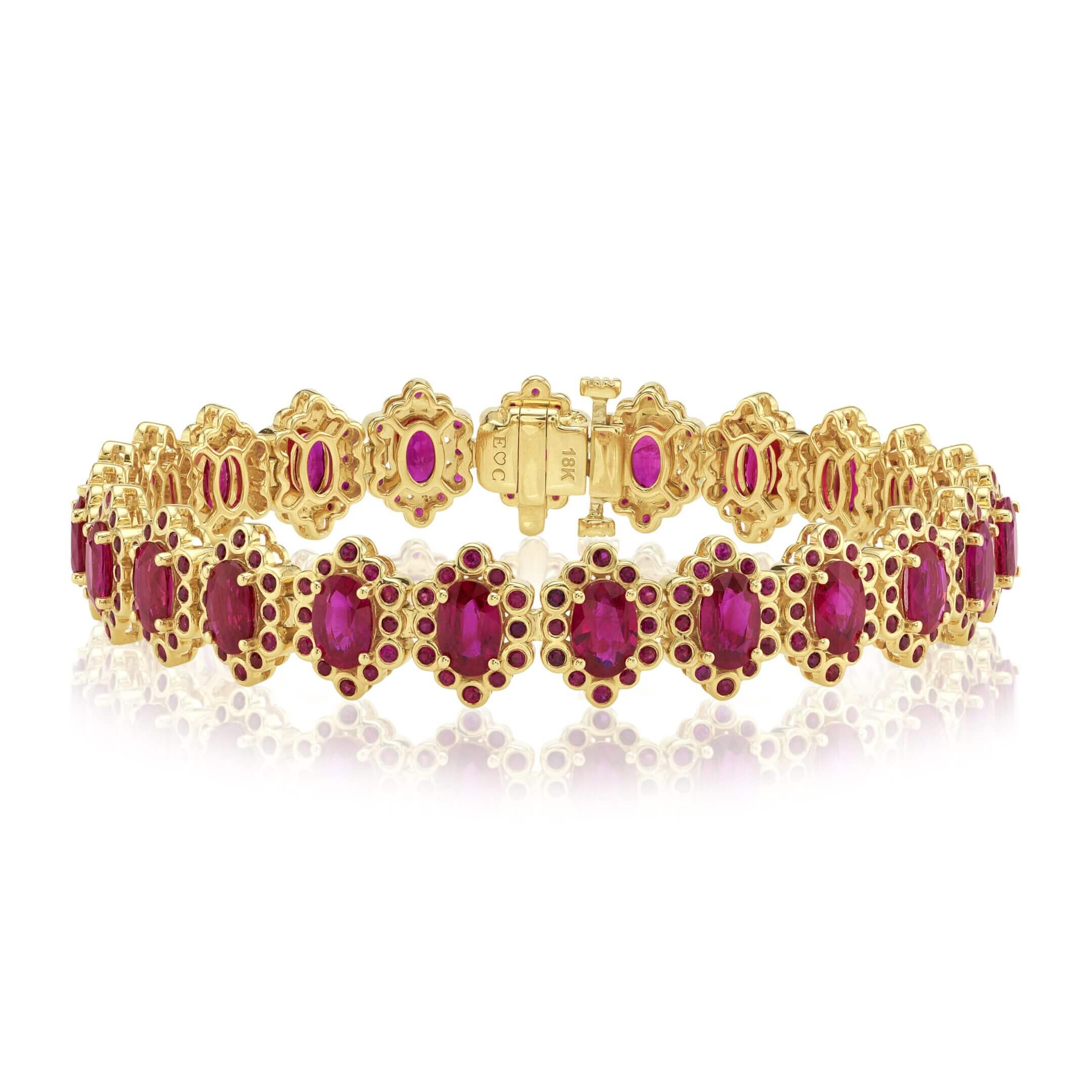
When I began in the industry, jewelry was much more concentrated around diamonds, emeralds, rubies, and sapphires. Colored stones beyond those categories were often treated as less important or less collectible. I was always interested in the character and individuality of other gems. Color gives a piece its own emotional language. It can make jewelry playful, unexpected, romantic, or powerful. My clients often come to me because they want something different, something that creates a conversation and does not feel like a piece everyone else could have. The more distinctive the color, the more personal the finished jewel becomes.
How do you begin designing a piece when you find an exceptional gemstone?
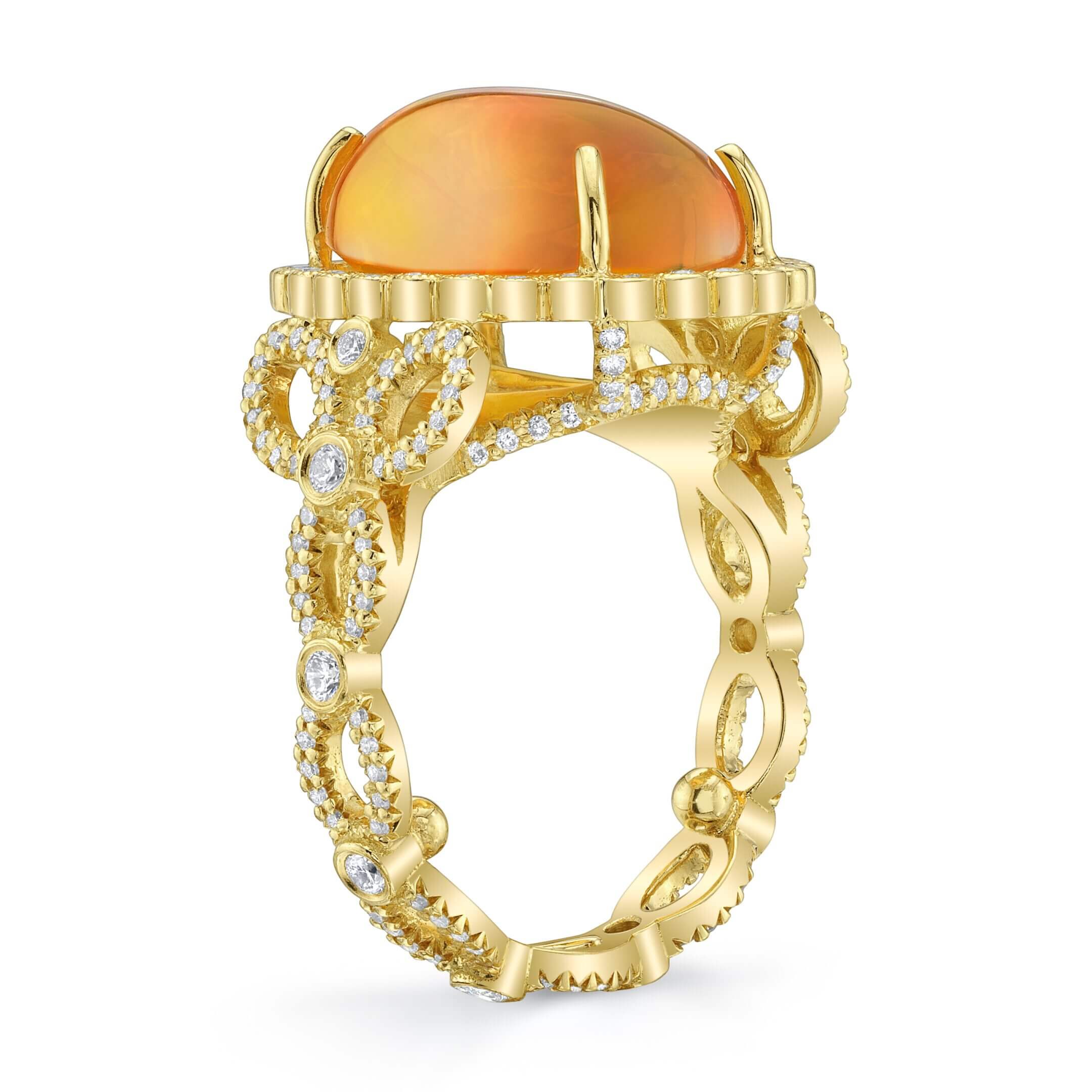
I do not usually begin with a fixed plan for what I am going to buy. I let the stones lead me. When a gem captures my attention, I start imagining what it wants to become. The design develops in my mind almost like a film. It begins one way, then changes as I continue to look at the stone and understand its proportions, color, and energy. Sometimes it is immediately clear that the gem should be a ring. Other times it becomes a pendant or something entirely different. I sketch every design personally, and the final piece is the result of that continuing conversation between the stone and the design.
You have described yourself as someone who follows beauty wherever you find it. How does that sensibility enter your work?
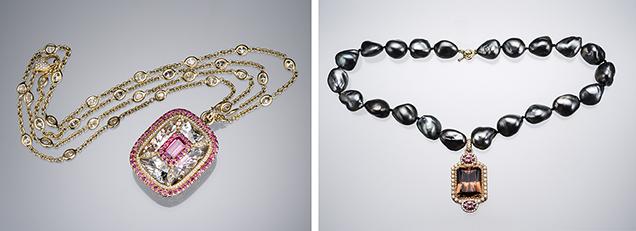
I am interested in beauty in many forms: art, architecture, food, music, smiles, and of course gemstones. I think that curiosity keeps the work open. Inspiration does not always arrive as a specific visual reference. It can come from the way a color appears in a landscape, the feeling of a place, or the details of something that is beautifully made. I am constantly evolving, and I look for new experiences and adventures. That openness matters when I am designing because it allows a piece to develop organically instead of forcing it to follow a predetermined idea.
Travel has been an important part of your relationship with gemstones. What do you look for when you are on a gem expedition?
The adventure is a major part of it. I have traveled to places including Tanzania, Australia, Cambodia, Colombia, Kenya, Mozambique, Thailand, Sri Lanka, Turkey, and Vietnam in search of unusual stones. Those journeys have expanded my knowledge of the trade and introduced me to gems I might not otherwise have encountered. I am comfortable when I am comfortable, but on a gem expedition curiosity takes over. I am willing to go into difficult places and accept the inconvenience because the possibility of finding something extraordinary is worth it. Many of my designs carry the influence of those travels.
Your pieces are detailed on every side, including the galleries and backs. Why is that level of attention important to you?
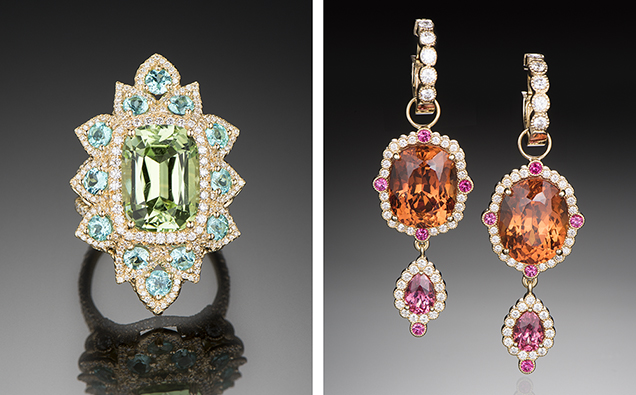
A jewel should reward close looking. The front is only one part of the experience. I want the sides, the back, the setting, and the details around the stone to have their own value. When someone turns a piece over and discovers another layer of design, the relationship with the jewel becomes deeper. That attention is also a matter of respect for the materials. A remarkable gemstone deserves to be considered from every angle, and the craftsmanship should support its beauty rather than stop where the piece is easiest to see. I want the wearer to continue finding something new in the work.
You have created both highly individual pieces and collections such as Drop Dead Gorgeous. How do those two approaches relate to one another?
The one-of-a-kind pieces give me the greatest freedom to respond to an exceptional stone. They can be highly detailed and built around a gem that may never appear again. Collections allow certain ideas, colors, and proportions to be explored across a broader group of jewels. Drop Dead Gorgeous reflects the feminine, playful, and highly colored side of the work, with whimsical details and elaborate gold elements. The two approaches are connected by the same attention to the stone and the same desire to make something distinctive. Whether a piece belongs to a collection or exists on its own, it still needs to have a strong personality.
What does it mean to you when a client forms a personal connection with one of your jewels?
That connection is one of the most meaningful parts of the work. I have heard clients describe my pieces as lucky charms or talismans, and I understand why jewelry can take on that role. A jewel can mark a moment, carry a memory, or simply become part of the way someone sees themselves. I believe gems can find their wearer, and seeing that happen in person is special. Trunk shows are valuable because people can handle the pieces, try them on, and notice how a color works with their skin. Sometimes the right connection happens immediately, before there is any practical explanation for it.
Your designs have appeared on red carpets and on public figures, but the work also has a strong personal point of view. How do you balance visibility with independence?
I have always designed for myself first and hoped that other people would love the jewelry as much as I do. That has been an important form of trust. Fashion and public attention can create opportunities, but they should not determine the direction of the work. The pieces need to remain connected to the way I see color, proportion, detail, and beauty. My clients want jewelry that feels individual, and that requires a point of view. The greatest accomplishment in my career has been trusting myself enough to design what I genuinely wanted to design and then finding that it resonated with people.
After so many years in the industry, what continues to keep you curious?
The stones continue to do that. There is always another color, another cut, another combination, or another place to discover. I am also curious about people and the different ways they respond to beauty. A stone that speaks immediately to one person may not have the same effect on someone else, and that is part of what makes jewelry personal. I do not think of the work as something that can be solved once and for all. Life keeps changing, inspiration keeps changing, and the designs change with them. I want to remain open to new adventures and to whatever the next gem has to say.