Profile
David and Sybil Yurman: A Life in Art, Made Wearable
Hannah R. Harris / Nov 20, 2025

From a family jewelry legacy stretching back centuries to the creation of Le Vian's Chocolate Diamonds, Eddie LeVian reflects on heritage, reinvention, craftsmanship, and the work of making fine jewelry feel personal.
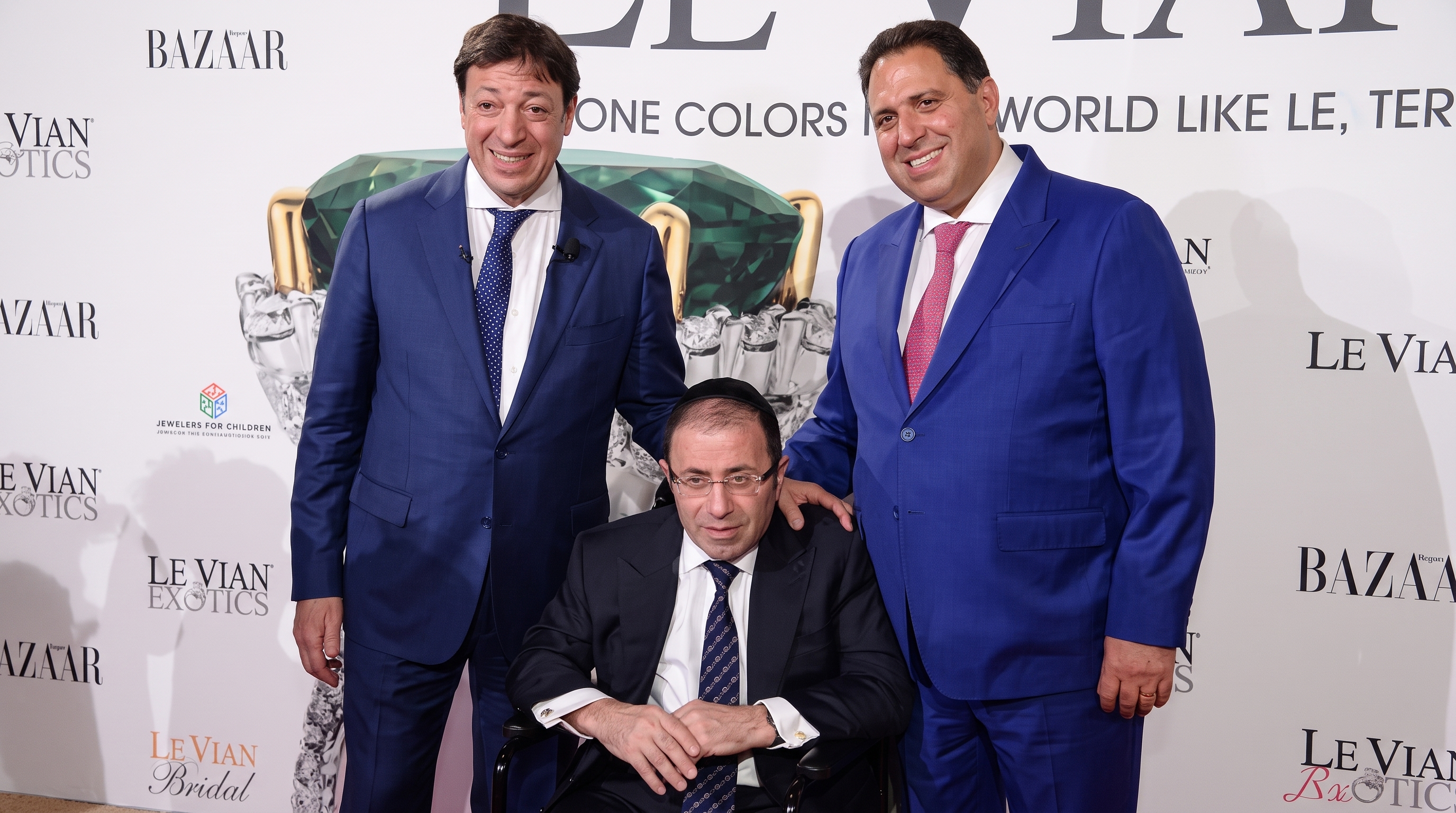
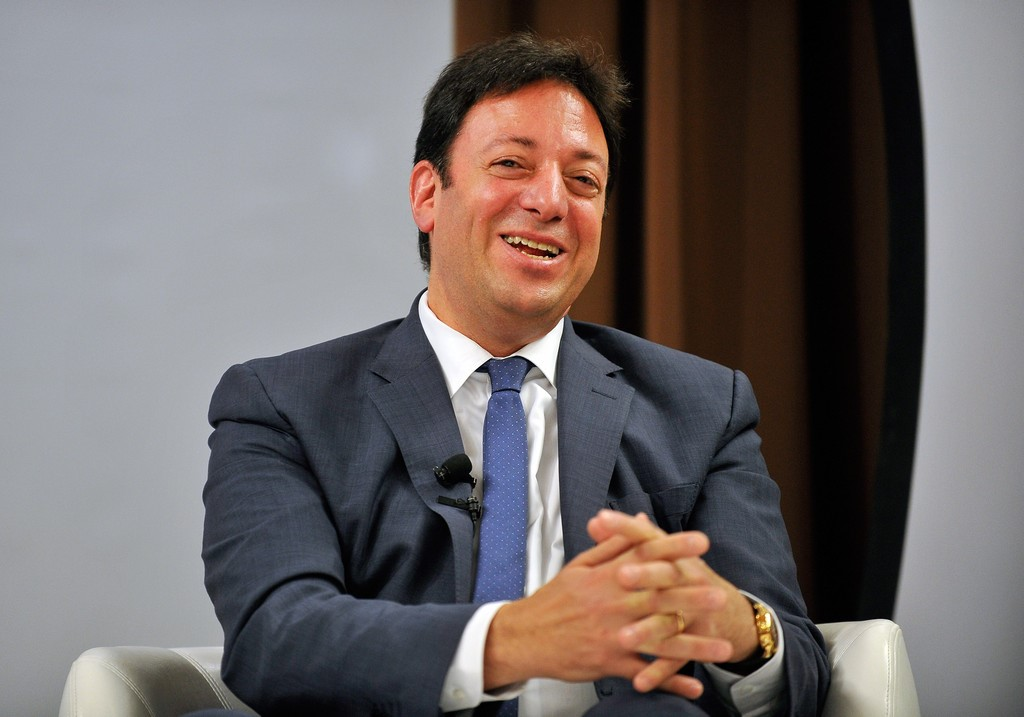
Eddie LeVian leads Le Vian, the jewelry company his father A. LeVian established in the United States in 1950, continuing a family history that reaches back to the 1500s. Around the start of the new millennium, he built the Chocolate Diamonds brand around brown diamonds from Australia's Argyle mine, now a certified member of the Responsible Jewellery Council.
Le Vian's history reaches back to the 1500s, while the company was established in the United States by your father in 1950. How has that heritage shaped the brand you lead today?
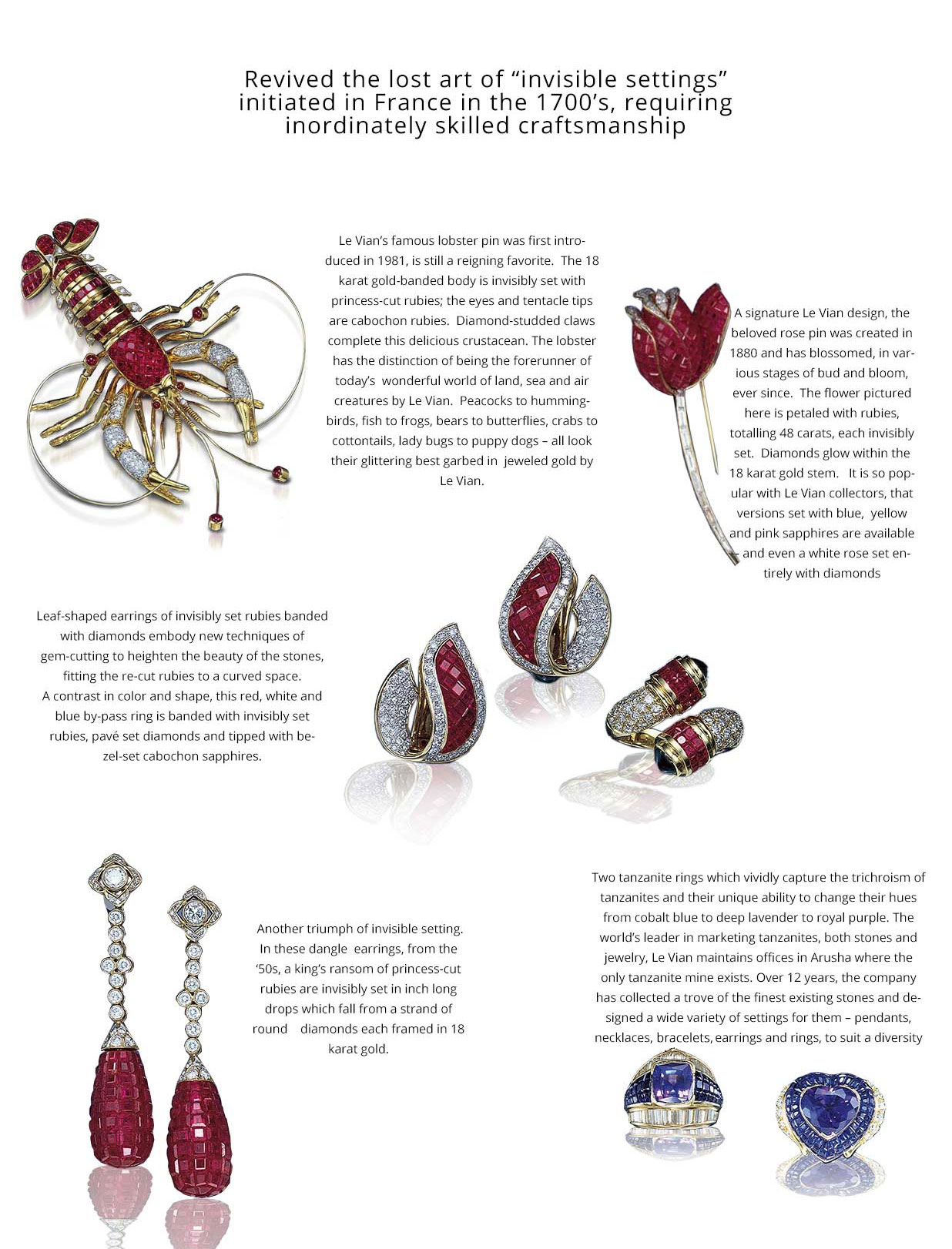
Heritage gives us a strong foundation, but it also creates a responsibility. My father, A. LeVian, believed that the honor of the family should be reflected in every piece of jewelry we made. He was known for his work with turquoise and later tanzanite, and he also revived the difficult art of invisible setting. That history reminds us that jewelry is not simply about materials. It is about knowledge, discipline, and the ability to make something distinctive by hand. At the same time, a family business has to keep evolving. We respect the past by continuing to look for new stones, new ideas, and new ways to bring fine jewelry into people's lives.
Was there a particular moment when you understood that design would become your own path within the family business?
I was surrounded by jewelry from an early age, but being around the business and being drawn to design are not exactly the same thing. An Art Deco piece was especially important to me because it showed how powerful a design language could be. It made me look more closely at proportion, geometry, detail, and the way a jewel can express a period while still feeling relevant. That experience encouraged me to take a more active role in design. I began to see the family business not only as a company with a long history, but as a place where I could help shape what came next.
How did the idea for Chocolate Diamonds begin?
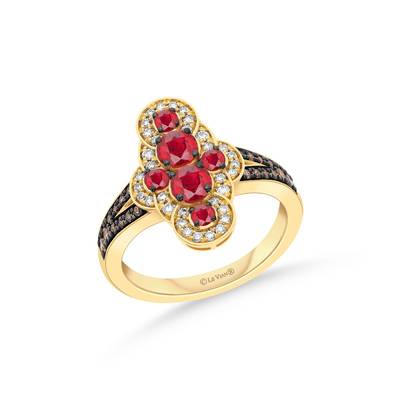
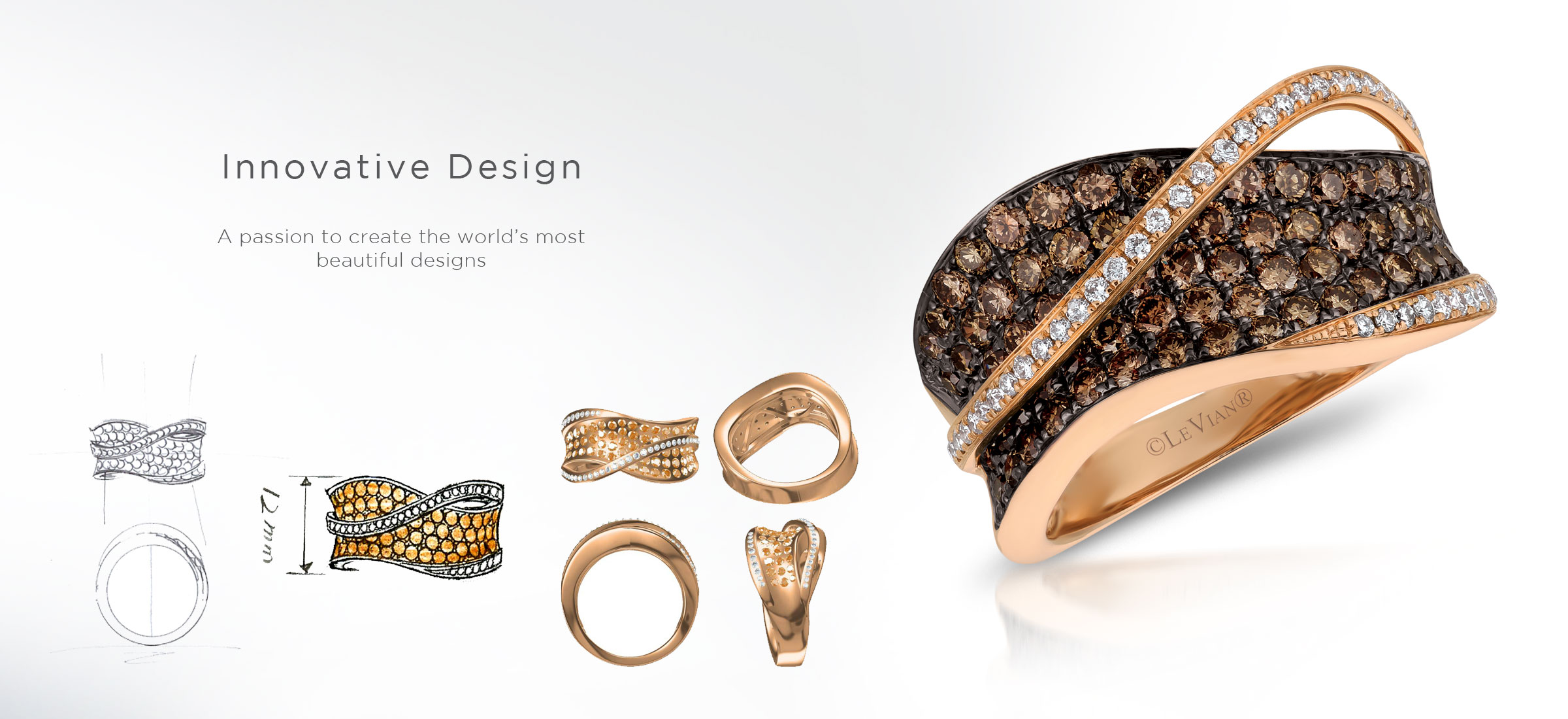
Around the beginning of the new millennium, we were looking closely at the natural fancy color diamonds coming from the Argyle mine in Australia. The mine was known for its pink diamonds, but it was also producing a limited quantity of beautiful brown diamonds with stronger color and clarity than many people realized. Those stones were not being presented in a way that reflected their potential. We saw an opportunity to distinguish the best of them through clear standards, careful cutting, and a memorable identity. The name came from the emotional association with chocolate, particularly the sense of pleasure and desire it creates. We wanted collectors to feel that same attraction to these diamonds.
The name became one of the most recognizable identities in modern jewelry. What did it take to turn a gemstone category into a brand?
It required much more than giving a stone a name. We had to define what qualified and establish standards around color, clarity, cut, natural origin, and responsible sourcing. We also had to explain to customers why one brown diamond could be very different from another. The trademark registration process took years, and building recognition required consistency across design, presentation, retail, and communication. The jewelry had to support the name. It needed to feel polished, distinctive, and desirable, while still allowing people to wear it in everyday life. A brand becomes meaningful when the experience around it is as considered as the product itself.
Le Vian has often focused on gemstones that were overlooked or underappreciated. What draws you to those materials?
I am interested in potential. A stone may be undervalued because people have not yet seen what it can become, or because it has been presented without enough understanding of its qualities. That creates a design challenge, but also an opening. Our role is to recognize what is special, select carefully, and create jewelry that reveals the character of the material. This applies to colored diamonds, tanzanite, and other gemstones. The objective is not to force a stone into a trend. It is to understand its natural identity and give it a setting, color combination, and proportion that allow it to speak clearly.
How do you approach the balance between a gemstone's natural character and the demands of a strong design?
The gemstone has to remain the starting point. Its color, shape, transparency, and internal life all influence the design. Once those qualities are understood, we can decide how the metal, surrounding stones, and construction should support them. A design can be elaborate, but it should not compete with the central material. At the same time, the setting has to provide structure and wearability. Fine jewelry is viewed as art, but it is also worn on the body. The piece must feel balanced in the hand, comfortable when worn, and durable enough to become part of someone's life.
Le Vian's work spans accessible fine jewelry, bridal pieces, and more elaborate designs. How do you think about the idea of luxury across those different expressions?
Luxury should not be limited to a very small group of people. One of our goals has been to make fine jewelry available at different levels while maintaining attention to design and quality. That means creating pieces that can mark an important occasion, but also jewelry that someone can wear regularly and collect over time. The scale and materials may change, yet the feeling of discovery should remain. A customer should be able to find something that reflects their personality, whether that is a delicate piece, a colored gemstone jewel, or a more substantial design. Personal meaning is an important part of luxury.
Your annual trend forecasts have become part of Le Vian's identity. Where does that forecasting begin?
It begins with observation. We look at changes in fashion, culture, color, travel, architecture, and the way people are expressing themselves. We also study gemstones and pay attention to what is happening in the trade. Forecasting is not about predicting a single product that everyone will wear. It is about identifying broader movements and translating them into jewelry. The work then has to be tested through design. A color may be influential in fashion, but that does not automatically make it successful in a jewel. We ask how a trend can become something beautiful, wearable, and enduring.
Responsible sourcing has become increasingly important in jewelry. How does that responsibility affect the way Le Vian operates?
Responsibility has to be part of the entire process, from sourcing and manufacturing to the way a piece is represented to the customer. Le Vian is a certified member of the Responsible Jewellery Council, and we work within standards relating to responsible supply chains and ethical practices. For Chocolate Diamonds, our criteria include natural, untreated color, specific quality requirements, and traceable sourcing. Independent laboratories verify the stones, and pieces are accompanied by certification. These measures are important because customers deserve clarity about what they are buying. Trust is not created by a single statement. It is built through standards, documentation, and consistent practice.
After more than two decades of Chocolate Diamonds, what continues to interest you about the future of Le Vian?
The future remains connected to the same question that guided us at the beginning: what beautiful material or idea has not yet been understood fully? There are always stones to study, combinations to explore, and new customers to reach. We also want people to move through jewelry in a personal way, beginning with a piece that speaks to them and gradually discovering other colors, qualities, and forms. A jewelry collection should reflect a person's experiences rather than follow a fixed formula. For Le Vian, continuing the family legacy means staying curious, protecting the standards we have built, and allowing the brand to keep developing through genuine discovery.