Profile
Gucci Westman on the Art of Making Beauty Feel Like Yourself
Kayla M. Walker / Aug 8, 2026

Dior, Enchanting Gardens, at the Musée Christian Dior in Granville from April 4 through November 1, 2026, argues that the garden of his childhood home shaped his perfumes as directly as it shaped his silhouettes.
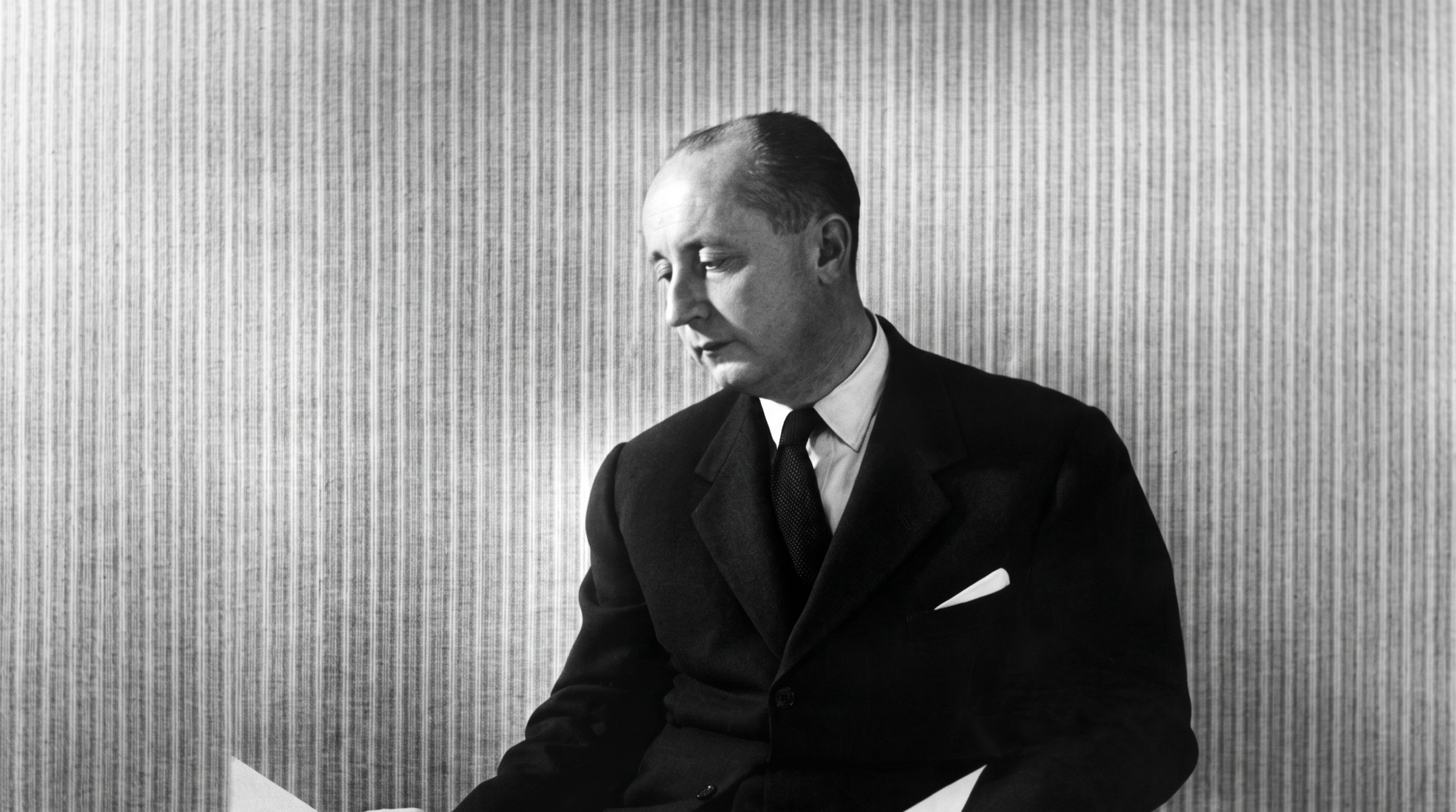
The garden came before the dresses. Christian Dior grew up at Villa Les Rhumbs, a house on the Normandy coast at Granville where his mother, Madeleine Dior, laid out an English-style garden in the early twentieth century, one of the few artists' gardens of that period still preserved intact. Dior, Enchanting Gardens, on view at the Musée Christian Dior in Granville from April 4 through November 1, 2026, treats that garden not as biographical color but as source material, the place where a couturier who is remembered almost entirely for silhouettes first learned to think in scent.
The exhibition, organized by chief curator Brigitte Richart with scientific curators Barbara Jeauffroy-Mairet and Vincent Leers, brings together roughly 250 objects: dresses, perfumes, photographs, paintings, advertising material and audio recordings, more than a hundred drawn from the house's own collection and the rest on loan from public and private holdings. Its stated premise, in the museum's own description, is to present "a creator who saw himself as a perfumer as much as a couturier," a claim that runs against the popular memory of Dior as the man who reintroduced the cinched waist to postwar fashion and said comparatively little about what he considered his other vocation.
The museum's own perfume garden, restored on the Villa Les Rhumbs grounds, is planted with the flowers understood to have shaped fragrances released long after Dior's death in 1957: Miss Dior, J'Adore, a lineage of scents that the house continued to build on a floral vocabulary its founder set in motion rather than one invented from scratch by later noses. Walking that garden, which visitors can do as an extension of the exhibition itself, is meant to function less like a stroll through a heritage attraction and more like reading a formula in the physical materials that comprise it: rose, jasmine, tuberose, the specific plantings Dior would have known as a child before he knew them as raw material.
That argument asks something specific of a reader used to treating perfume as an accessory to a fashion house's real business of clothing. Dior's own writing and interviews returned often to scent as central to his idea of femininity and elegance, not decorative but structural, the invisible half of an outfit. Enchanting Gardens takes that claim seriously enough to build an entire exhibition's chronology around it, tracing garden to sketchbook to bottle rather than the more conventional runway-to-perfume-counter sequence most fashion-house retrospectives default to.
The show's real test is whether 250 objects, dresses and bottles displayed side by side, can actually demonstrate a causal link between a specific garden and a specific formula, rather than simply asserting an appealing symmetry. Curators Jeauffroy-Mairet and Leers, both credited as scientific curators rather than purely aesthetic ones, suggest the museum is attempting the more rigorous version of that claim: documentation, correspondence, sketches that trace a line from planting to perfume rather than a curatorial mood board built after the fact to flatter a brand narrative.
Granville is a small, seasonal town, and the museum operating out of Dior's childhood home has always had an inherent conflict of interest: it is both a public cultural institution and the origin myth of a living luxury house. Enchanting Gardens does not resolve that tension so much as lean into it productively, using the one thing a fashion house cannot fully manufacture after the fact, an actual garden that has existed since before the man who apparently needed it did.
The exhibition also makes a quieter argument about succession. Miss Dior and J'Adore were composed by perfumers who never met Christian Dior, working decades after his death from a floral vocabulary he set rather than one they invented. Showing the garden alongside those later bottles asks visitors to weigh how much of a house's identity survives its founder intact and how much gets reconstructed from fragments, sketches, a planting plan, a handful of interviews, by people doing their best to guess what he meant. Granville's garden is one of the few places where that guesswork has a fixed, living reference point to check itself against.